

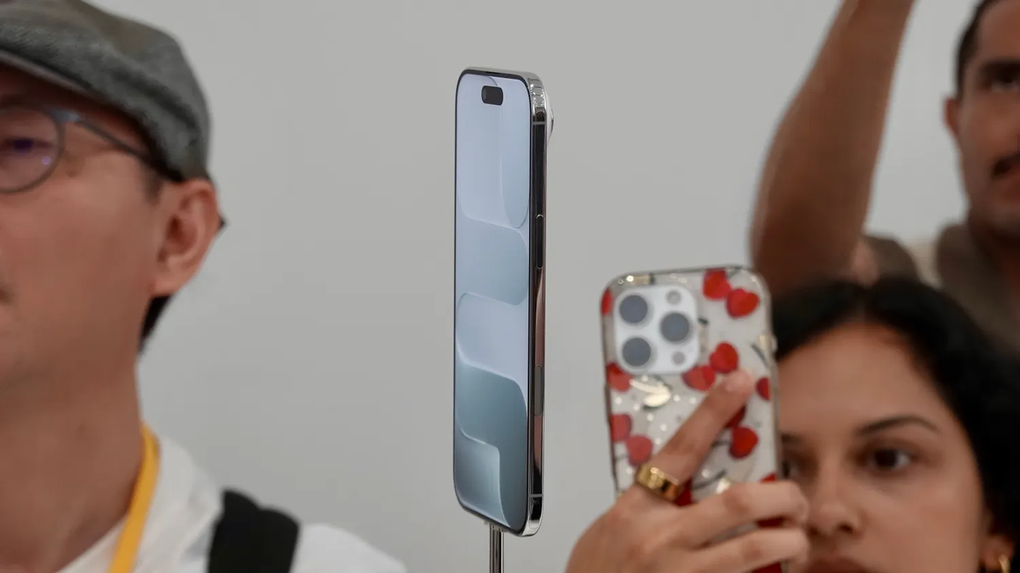
The iPhone Air boasts an impressively thin profile, measuring just 5.6mm (Image: 9to5Mac).
As expected, the tech world is once again holding its breath awaiting an event, this year called "Awe Dropping," taking place at the Steve Jobs Theater – where Apple will unveil the next generation of iPhones.
The product not only shapes trends but also serves as a benchmark for the entire mobile industry.
This year, with the launch of the iPhone 17 series, alongside many surprises regarding technological improvements and upgrades, there are still quite a few users who feel disappointed and let down.
At the "Awe Dropping" event on the night of September 10th, Apple introduced four new models, including the iPhone 17, 17 Pro, 17 Pro Max, and a completely new, long-rumored addition - the iPhone Air.
But after the spotlight faded and the specifications were dissected, a big question arose on many tech forums: Where exactly is Apple leading its users?
iPhone Air: Delicate but lacking in power.
The name "Air" evokes images of lightness, sophistication, and premium quality—a philosophy that has contributed to the success of MacBooks and iPads.
The iPhone Air – as the name suggests – is an ultra-thin product. We have to admit that this is a masterpiece of physical engineering by Apple.
This phone is for those who crave minimalism, those who want a device that practically "disappears" into a pocket or bag. However, to achieve that thinness, Apple paid a heavy price in terms of features.
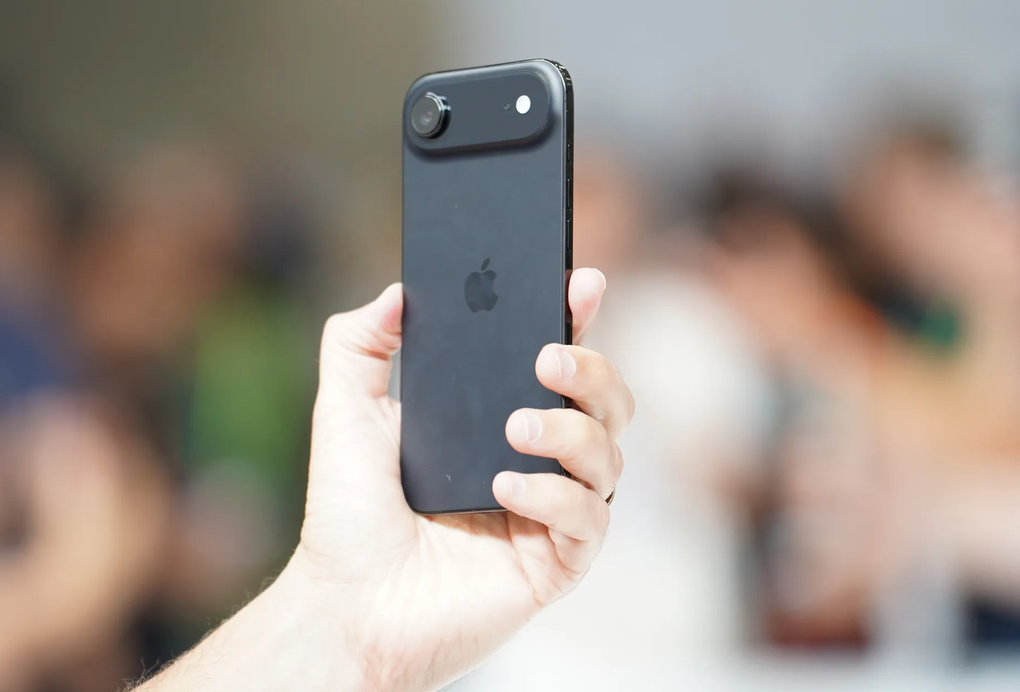
The slim body design causes the island-shaped camera module of the iPhone Air to protrude significantly (Image: The Verge).
The biggest and most obvious problem is the camera. While the standard iPhone 17 has two lenses, the iPhone Air only has one.
Although Apple has touted the power of "computational photography" and machine learning, for the average user, fewer lenses mean less flexibility and lower quality, especially when compared to the 48MP ultrawide lens on the iPhone 17.
Having the same number of cameras as the cheaper iPhone SE model makes the iPhone Air even more awkward in the premium segment.
The "sacrifices" on the iPhone 17 Air don't stop there. Its battery life is significantly shorter than that of the iPhone 17 models, with a capacity of only 3,149 mAh.
Apple seems to have acknowledged this by launching a new MagSafe battery accessory, but it's only perfectly compatible with the iPhone Air due to the protruding camera design of other models.
This means that to get comparable battery life, iPhone Air users have to spend an extra $99 on the MagSafe battery pack – an accessory that goes against the original "thin and light" philosophy.
In addition, the iPhone Air also suffers from other important compromises, including wireless charging at only 20W instead of 25W, slower wired fast charging (30 minutes for 50% battery instead of 20 minutes), and no support for high-speed 5G mmWave.
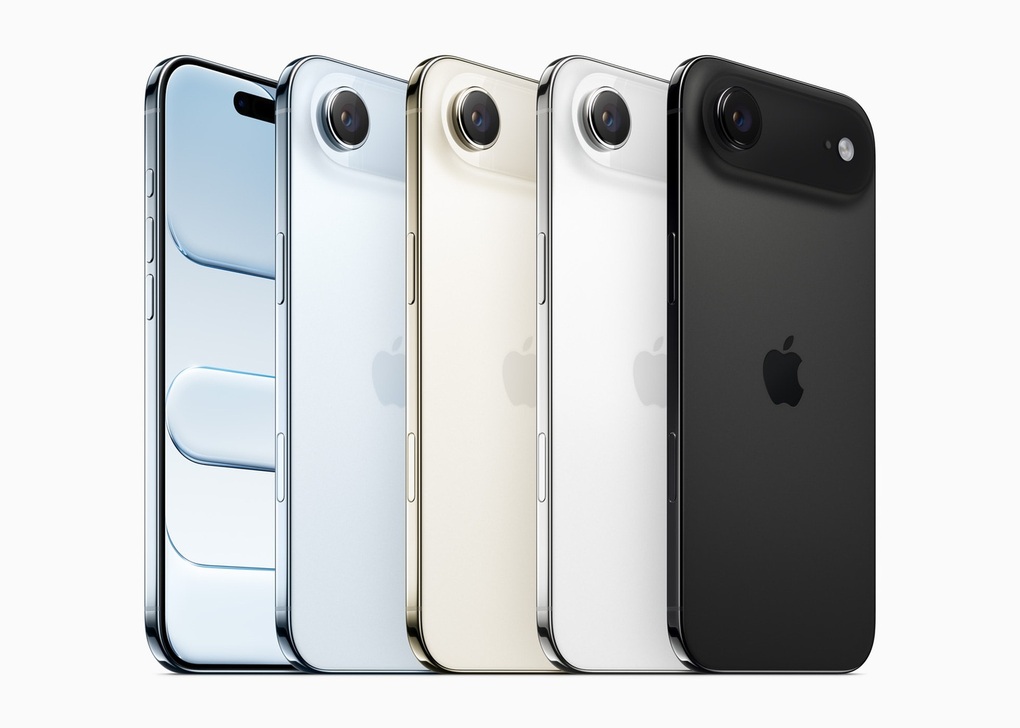
However, Apple confidently claims that the iPhone Air has been optimized to fit the largest possible battery into an ultra-thin phone and is "enough for a full day of use."
With four color options including black (space black), white (cloud white), light yellow, and sky blue, the iPhone Air is more like an expensive fashion accessory than a fully functional smartphone.
Perhaps this phone will appeal to those who prioritize style above all else, a segment that Apple seems to be trying to create.
iPhone 17 Pro: Powerful but aesthetically unappealing?
While the iPhone Air represents a trade-off in features, the iPhone 17 Pro represents a trade-off in aesthetics.
In theory, this is the iPhone that professional users have always dreamed of owning.
It features a powerful A19 Pro chip, the first-ever vapor chamber cooling system to keep the device cool, three 48-megapixel cameras, and impressive battery life.
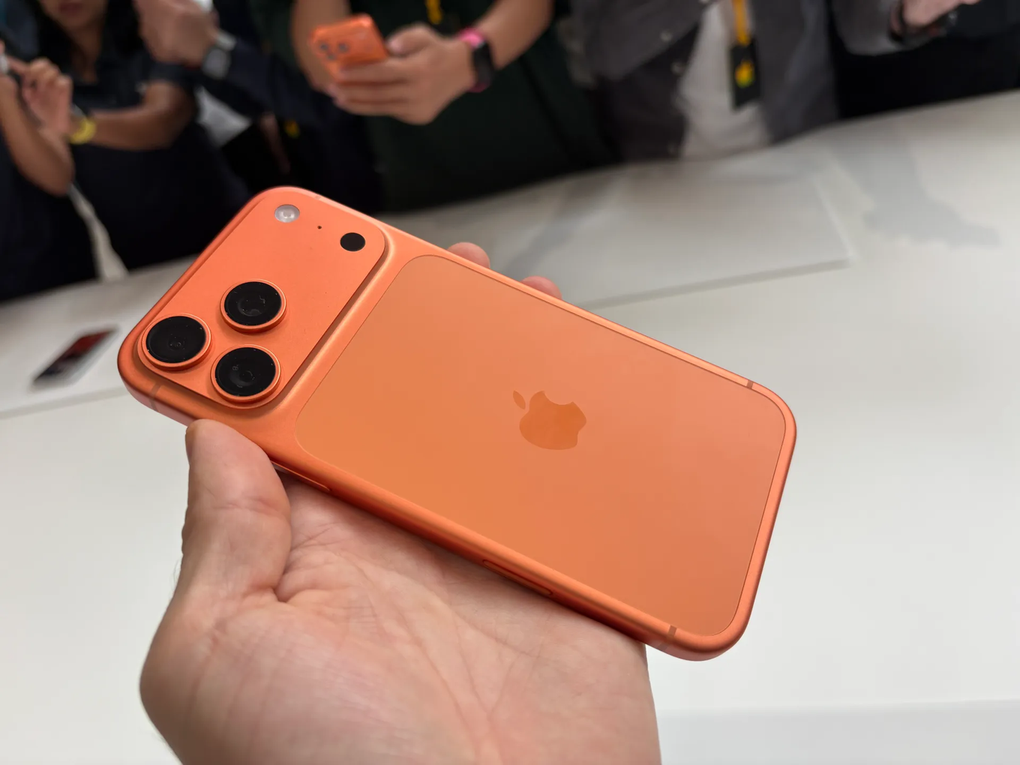
The back of the iPhone 17 Pro (Photo: The Verge).
This is a very powerful phone. However, all that power is packed into a design that many users on tech forums have not hesitated to call "ugly".
The rear camera module, already a point of contention for generations, has now doubled in size, disrupting the balance and minimalism that is the legacy of designer Jony Ive.
Right below the camera cluster is a strangely shaped MagSafe area – it looks like a bank card slot, a somewhat puzzling design decision.
However, it's perfectly normal for users to initially find a product with significant aesthetic changes unappealing.
Chris Taylor, a veteran tech journalist, shared his disappointment: “I’m using an iPhone 14 Pro and was ready to upgrade. But the new design has extinguished all enthusiasm. I’d rather spend $100 to replace the screen and view the scratches on my old phone as a ‘personality scar’ than spend over $1,200 on a device I don’t want to look at.”
When a new design makes users want to stick with the old product, that's an alarming sign.
The shadow of AI
The core issue with the iPhone 17 lineup lies not in the individual products, but in the strategy they represent.
Apple seems to be dividing its high-end users into two camps: "Airheads" - fashion-conscious individuals willing to sacrifice performance for a slim and lightweight design, and "Pros" - those who crave power and are forced to accept a less aesthetically pleasing design.
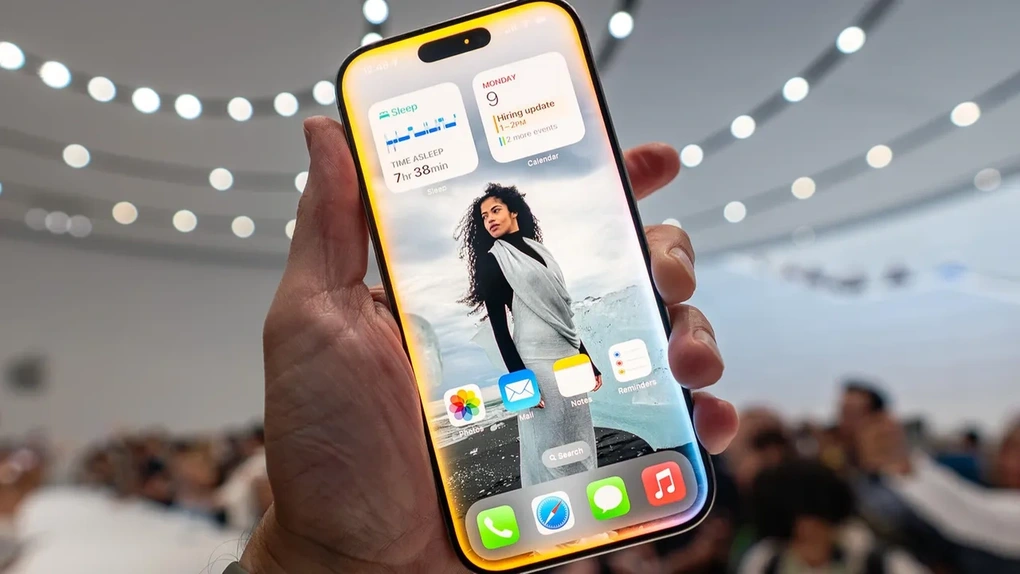
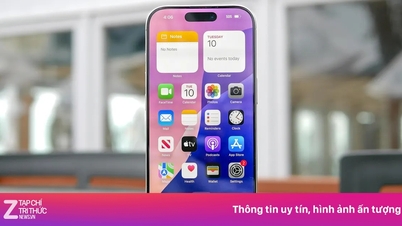
AI still hasn't made a significant impact on the iPhone 17 (Photo: ZDNews).
This choice has excluded a large group of middle-class users: those who want a phone that is both powerful and beautiful, a perfect balance of form and function that Apple has mastered.
This becomes even clearer when placed in the context of the ongoing AI revolution. While rivals like Google and Samsung have made AI the heart of their Pixel and Galaxy S25 series phones, Apple has been slow to adapt.
The iPhone 17 launch event only mentioned AI briefly, mainly focusing on features that had been rumored beforehand. In particular, the expected "smarter" Siri virtual assistant was delayed until 2026.
This makes hardware upgrades like the A19 Pro chip less meaningful. What's the point of a faster chip when the core software still can't deliver groundbreaking smart experiences?
Many experts believe that Apple's potential reliance on third-party technology like Google Gemini for future AI features represents a worrying step backward.
The iPhone 17 series may still sell well thanks to the strength of the brand and the loyal ecosystem. But for observers and discerning users, it leaves a somewhat disappointing impression.
This is a generation of iPhones of compromise: Compromise in features for a thin design (iPhone Air), compromise in design for high performance (Pro), and compromise in AI innovation across the entire product line.
The general feeling is that Apple had a transitional year. Many users, instead of opening their wallets, decided to wait; but there were also quite a few who were willing to upgrade to experience the new technologies that Apple equipped on the iPhone 17 series or the ultra-thin iPhone Air.
Hopefully, Apple's design team will rediscover its finesse, and more importantly, Apple needs a compelling AI story to prove that it remains a leader, not a follower.
For now, the iPhone 17 saga completely depends on how users will receive it.
Source: https://dantri.com.vn/cong-nghe/not-tram-บน-dong-iphone-17-20250911004947047.htm




![[Photo] General Secretary and President To Lam receives Amazon's Senior Vice President David Zapolsky](https://vphoto.vietnam.vn/thumb/1200x675/vietnam/resource/IMAGE/2026/05/22/1779466547770_a1-bnd-3513-6601-jpg.webp)





















































































Comment (0)