1. Benefits of ginger and lemongrass water
Ginger and lemongrass tea is a beverage with excellent health benefits, especially in warming the body and aiding digestion.
Fresh ginger (Zingiber officinale) has a spicy taste and warm nature, acting on the Lung, Spleen, and Stomach meridians. It can warm the abdominal area, especially useful for those with weak spleen and stomach, or who frequently experience cold or painful stomachs after eating raw or cold foods. The spicy taste also helps ginger dispel cold energy from the body, promoting sweating to relieve cold symptoms, which is very effective when you first catch a cold with chills and a runny nose.
- 1. Benefits of ginger and lemongrass water
- 2. How to make ginger and lemongrass tea
- 3. Individuals who need to be cautious when drinking ginger and lemongrass tea.
In addition, ginger is a natural pain reliever and anti-nausea remedy, thanks to its ability to inhibit inflammatory substances and act on the vomiting center in the brain, while also soothing the stomach lining. Specifically, the active compounds gingerol and shogaol in ginger have a mild blood-thinning effect, preventing platelet aggregation, thereby improving blood circulation, reducing cold hands and feet, and promoting smoother blood flow.
Lemongrass has a warming nature, a spicy taste, and a distinctive strong aroma. Its most notable effect is promoting the flow of energy (qi), meaning it helps the body's energy flow smoothly, relieving chest tightness or constriction. Lemongrass also warms the stomach, has antibacterial properties, helps clear phlegm, and aids digestion. Specifically, the citral essential oil in lemongrass stimulates the secretion of digestive enzymes, soothes intestinal spasms, and pushes gas downwards, thereby quickly reducing bloating, abdominal distension, and indigestion after meals.

Ginger and lemongrass are familiar herbs, readily available in the kitchen, and offer many health benefits.
When ginger and lemongrass are combined, they have the following effects:
Increased pain relief: Ginger has the power to relax smooth muscles and reduce spasms, while lemongrass helps improve microcirculation; together, they effectively soothe headaches, menstrual cramps, or muscle aches caused by stress.
Stress relief: Mentally, the distinctive aroma of essential oils from both ginger and lemongrass directly impacts the limbic system in the brain, the center that governs emotions, thereby reducing cortisol levels, helping to relieve stress and bringing a feeling of relaxation and well-being to the mind.
Relieving colds and dispelling chills: This is the strongest point when combining these two herbs, as both have a spicy taste and warm properties. When combined, they create a powerful diaphoretic effect, helping to expel harmful and cold energies from within the body through the skin. This explains why a hot cup of ginger and lemongrass tea drunk at the first sign of a cold will help you sweat lightly, relieve chills, and quickly reduce symptoms of runny nose and nasal congestion.
Digestive support: Ginger warms the stomach, reduces nausea and prevents motion sickness, while lemongrass acts as an appetite stimulant, helps expel gas, and aids digestion, reducing bloating and indigestion after meals.
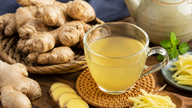



In addition, both ginger and lemongrass have warming properties, helping to warm the whole body, clear the meridians, and improve blood circulation, which is very useful for people with a cold constitution, or those who experience numbness in their hands and feet or abdominal pain during menstruation.
Antibacterial and anti-inflammatory effects: The essential oils in lemongrass can kill many types of harmful bacteria in the respiratory tract, while ginger helps to thin phlegm and stimulate secretion, thereby supporting the cleansing of the airways, reducing coughs, relieving sore throats, and effectively loosening phlegm, especially in cases of colds with mucus.
2. How to make ginger and lemongrass tea
2.1 Basic cooking methods
Preparation: 1 fresh ginger root (sliced), 3-4 lemongrass stalks (crushed and cut into sections).
How to do it:
- Boil about 500ml of water, add ginger and lemongrass, then reduce the heat and simmer for about 5-10 minutes to allow the medicinal essences to be fully extracted.
- Strain the liquid, and you can add honey or a little lemon (if you don't have a sensitive stomach) to make it easier to drink.
2.2 Dosage: Ginger and lemongrass tea should only be consumed when needed, 100-200ml at a time, spaced several hours apart. A continuous course of treatment should not exceed 7 days, using less than 5g of dried ginger (equivalent to a few slices of fresh ginger) per day. It should not be used as a substitute for daily drinking water.
2.3 Timing: It's best to drink it warm in the morning or afternoon, ideally 30 minutes after a meal to protect your stomach. Avoid drinking it close to bedtime as it may cause insomnia.
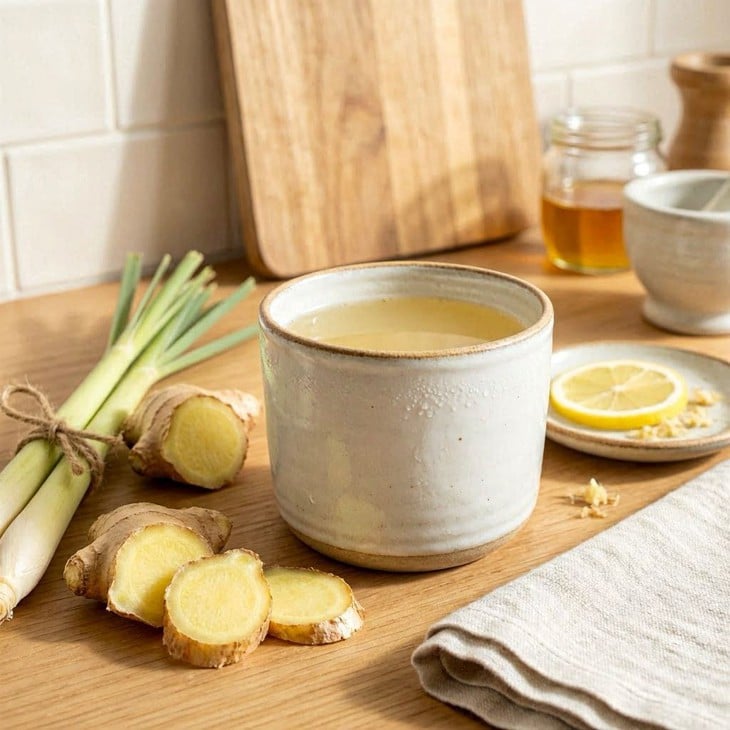
Drinking ginger and lemongrass tea requires the right timing and dosage to achieve the best results.
3. Individuals who need to be cautious when drinking ginger and lemongrass tea.
Ginger and lemongrass tea has many health benefits, but its use should be limited in the following cases:

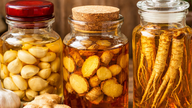
People with a naturally warm constitution: Prone to hot flashes, thirst, sensitivity to heat, and frequent constipation.
People with stomach conditions: Gastric ulcers, gastroesophageal reflux (which can increase heartburn and acid secretion).
Pregnant women (in the last 3 months) and breastfeeding mothers.
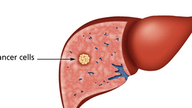
Other cases: People with high fever, bleeding, gallstones, or those taking medication for cardiovascular disease or diabetes (consult your doctor).
Source: https://suckhoedoisong.vn/nuoc-gung-sa-co-tac-dung-gi-169260619143036439.htm

![[Image] Schools organize meetings and introduce teaching models to students admitted to grade 10.](https://vphoto.vietnam.vn/thumb/1200x675/vietnam/resource/IMAGE/2026/06/25/1782368077271_ndo_br_z7970052192242-1ec8daeb77a6eed1a4e9f58c564ddd3e-jpg.webp)

![[Photo] General Secretary and President To Lam receives Palestinian Ambassador Saadi Salama](https://vphoto.vietnam.vn/thumb/1200x675/vietnam/resource/IMAGE/2026/06/25/1782365384740_a1-bnd-9423-8322-jpg.webp)

![[Image] Ho Chi Minh City: Ma Lang area, Chicken-Rice Market about to change its appearance](https://vphoto.vietnam.vn/thumb/1200x675/vietnam/resource/IMAGE/2026/06/25/1782377698627_ndo_br_m1-jpg.webp)








![[GALLERY] Voidling Bound takes Steam by storm with 94% positive reviews.](https://vphoto.vietnam.vn/thumb/402x226/vietnam/resource/IMAGE/2026/06/25/1782396892878_tua-1-png.webp)