

More than a century ago, Pavlov's experiment demonstrated a classic conditioned reflex: simply seeing or smelling delicious food automatically triggers the secretion of gastric juices in preparation for a stimulating digestive process. However, this seemingly perfect biological mechanism appears to be breaking down in modern society. Now, when faced with even the most visually appealing meal, what often surges within us is not gastric juice, but a constant worry: Will that fresh piece of meat carry pathogens? Will those vibrant green vegetables contain residual chemicals?
The statistics from the beginning of 2026 in our country are thought-provoking. In the first quarter alone, the country recorded 36 food poisoning incidents, with 9 large-scale incidents affecting more than 30 people each. The problems with the supply chain control process have been clearly revealed.
Faced with this situation, we are focusing on the biggest "bottleneck": the fragmented management model for the three sectors. However, if we delve into the root of the problem, the number of management points is actually only the tip of the iceberg.
"The only lead"
According to the United Nations Food and Agriculture Organization (FAO) and the World Health Organization (WHO), the multi-sectoral management model creates duplication in regulation and fragmentation of authority, potentially leading to overlapping inspections of one facility while another remains outside of control.
Conversely, a unified regulatory body would provide the ability to respond quickly, making immediate decisions to block products without being delayed by inter-sectoral barriers. A prime example of this success is the Singapore Food Authority (SFA) with its "3 food baskets" strategy, which has effectively controlled the supply chain despite importing up to 90% of its food from 170 countries.
Lessons from the international community show that concentrating power in one place can solve problems. The case of New Zealand during the 2013 Fonterra botulinum contamination crisis is a prime example. The root cause was New Zealand's merger of the National Food Safety Authority (NZFSA) into the Ministry of Industry, creating a super-ministry tasked with promoting agricultural production and exports. When the crisis erupted, this organization was condemned for seemingly prioritizing commercial reputation over human lives.
The lesson here is: Establishing a new organization is only the "shell," maintaining absolute independence in the function of assessing health risks is the "soul." The central coordinating body must be an independent food safety and hygiene agency, completely separate from the pressures of economic growth or export performance.
The problem is using standards that are too high.
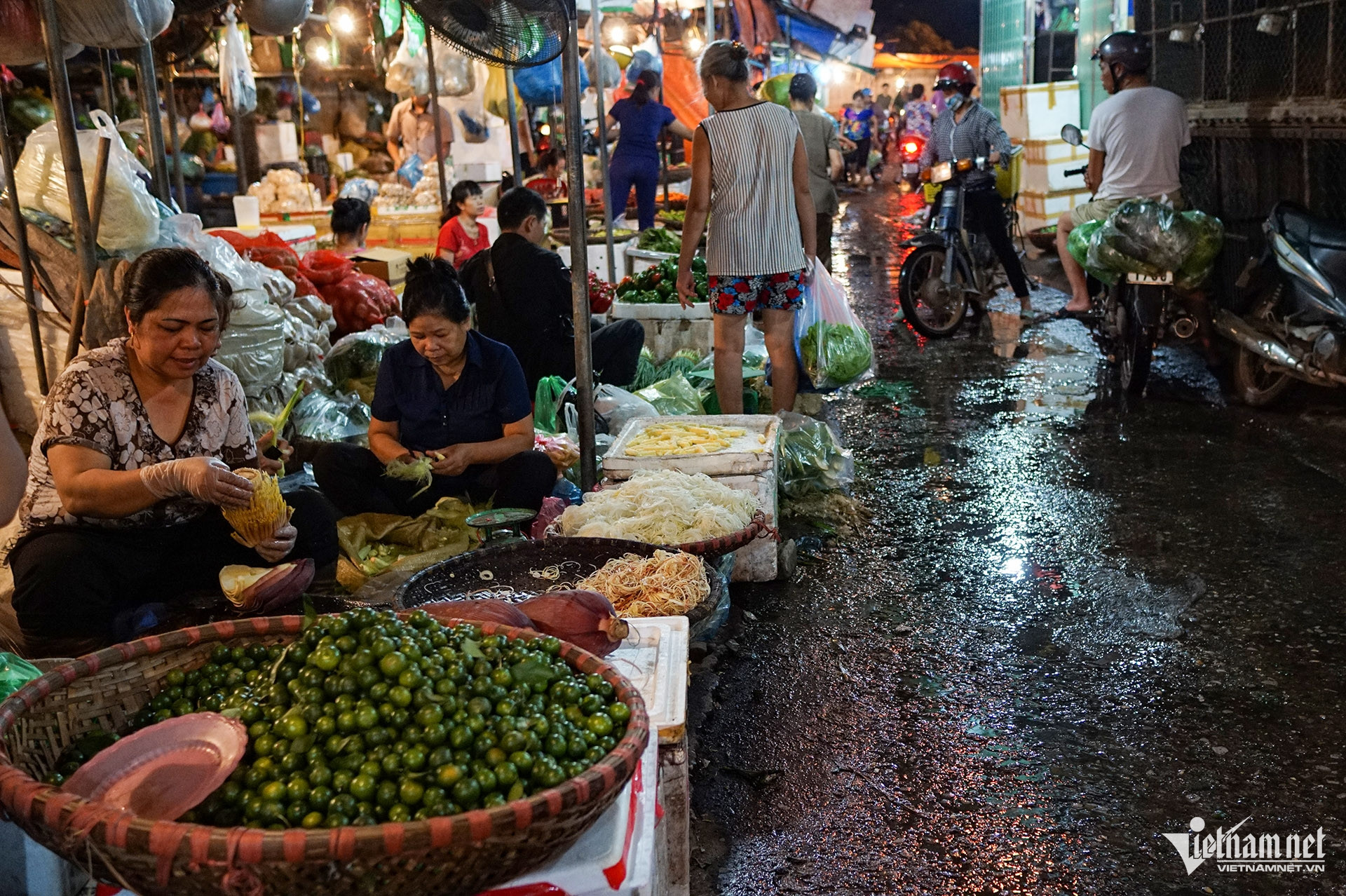
Even if a single agency were established to handle food safety, the system would remain ineffective if the informal economy were left unchecked. Currently, the law fails to effectively manage food safety issues within a vast network of households, small businesses, street vendors, and small traders. Managing this group through formal "commitment agreements" is often futile, with these agreements simply tucked away in desk drawers and difficult to monitor in practice.
This problem is not unique to Vietnam. FAO research in African and Latin American countries indicates that management systems become ineffective when authorities attempt to apply Western hygiene standards and modern technology to traditional markets. When standards are too high and compliance costs are too expensive, small traders are forced to operate underground, turning into illegal businesses and fostering bribery.
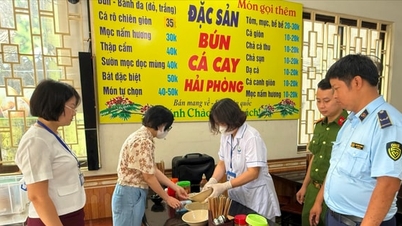
Instead of criminalizing or imposing strict standards, the lesson here is to apply a "step-by-step compliance" approach where grassroots officials need to shift their role from "enforcers" to "supporters," guiding small traders with visual manuals, for example, separating knives and cutting boards, and raw/cooked food. At the same time, the government needs to invest in improving the sanitation infrastructure of local markets.
Transition from license to data chain retrieval
Another problem is that the administrative system is focusing its resources on initial application review, but post-approval checks are somewhat lax. This leads to permits being used as a "cover" to legally smuggle diseased meat and contaminated food into schools. In developed countries, post-approval monitoring systems are the backbone of quality management.
The key to post-inspection is data. Without data, supply chain management is impossible. If the current manual record-keeping at wholesale markets or schools does not represent transactions with electronic documentation, then when an incident occurs, traceability becomes impossible.
We need to refer to European Union Regulation 178/2002. According to this regulation, the "one step back, one step forward" principle must become a mandatory legal obligation for all businesses, regardless of size. They must accurately record information on who they purchase raw materials from and who they sell to. Digitizing the invoicing system, applying planting area codes, and using Blockchain technology are tools to protect the public from counterfeit food. If the border crossing system does not receive an electronic risk analysis certificate at the source, the customs clearance order must be automatically blocked.
Ultimately, the 2017 "tainted meat" scandal in Brazil—where giant meat corporations bribed inspectors to export spoiled meat—proved that no law is effective if the enforcement team is corrupt. New laws, therefore, require a rigorous cross-checking mechanism, mandating the rotation of personnel in sensitive positions throughout the entire supply chain.
Furthermore, food safety culture will only change when the government uses economic measures based on the principle of "cleanliness leads to profit, uncleanliness leads to bankruptcy".
The lesson from China, in introducing a civil compensation mechanism into law allowing consumers to sue and claim compensation up to 10 times the value of their claims, has turned millions of citizens into "unpaid inspectors," creating immense pressure on food safety for businesses in this sector.
Furthermore, Singapore's point-based system and permanent license revocation for any hygiene violations create a harsh competitive environment. Businesses are required to publicly display their hygiene ratings at the storefront so that consumers can use their boycotts to determine the effectiveness of the business's production and operations.
We are fully capable of managing food safety with a dedicated agency, while simultaneously addressing bottlenecks in the informal supply chain, shifting from pre-inspection to post-inspection based on digital traceability, and establishing decisive measures to combat corruption. By controlling the supply chain, we can manage our own lives and the lives of future generations.

Source: https://vietnamnet.vn/nguyen-tac-lam-sach-co-lai-lam-ban-pha-san-trong-quan-ly-an-toan-thuc-pham-2517431.html




































































































Comment (0)