

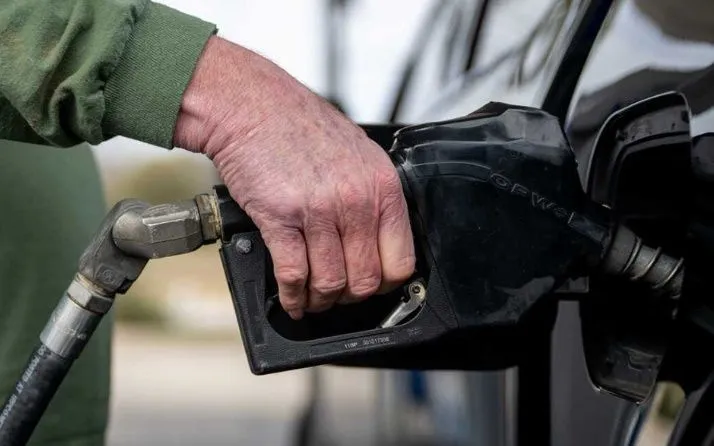
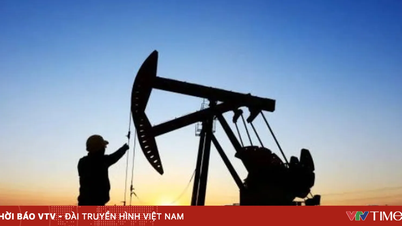
Illustrative image. Photo: NT
This move is aimed at responding to the severe disruption to shipping in the Middle East following the latest military developments between the US, Israel, and Iran.
According to internal sources from OPEC+, the alliance has agreed in principle to increase oil production by an additional 206,000 barrels per day. This decision was made after members considered various scenarios, with proposed options ranging from 137,000 barrels per day to 548,000 barrels per day.
The move to increase production is expected to alleviate global supply shortages, especially after the Strait of Hormuz – a vital shipping lane carrying more than 20% of the world's oil – was blockaded on February 28 following warnings from Iran.
Although OPEC+ traditionally increases production to offset shortfalls, analysts warn that the group's current spare production capacity is very limited. Much of the additional capacity is concentrated in the two major players: Saudi Arabia and the United Arab Emirates (UAE).
However, even these two countries face significant challenges in exporting crude oil until maritime activity in the Gulf returns to normal. Sources indicate that Saudi Arabia has proactively increased production and exports in recent weeks in preparation for a potential US attack on Iran.
Oil prices surged to $73 per barrel last weekend (February 27), their highest level since July 2025. Middle Eastern leaders and economists from RBC and Barclays have warned that if the conflict escalates, oil prices could easily surpass $100 per barrel.
Helima Croft, a senior analyst at RBC, commented: "The market impact from any major OPEC production increase would be limited due to a lack of actual production capacity outside of Saudi Arabia."
The meeting on March 1st included only the eight core members of the alliance (commonly known as the OPEC8+ group), namely: Saudi Arabia, Russia, UAE, Kazakhstan, Kuwait, Iraq, Algeria, and Oman. This group has been responsible for most of the alliance's production changes over the years.
Previously, the group had increased its production quota by approximately 2.9 million barrels per day (equivalent to 3% of global demand) from April to December 2025, before pausing the increase in the first quarter of 2026 due to the low season.
Analysts predict that the energy market will continue to remain tight and highly volatile in response to military developments in the Gulf region in the coming days.
Source: https://vtv.vn/opec-nhat-tri-tang-san-luong-dau-100260301181514268.htm






























































































Comment (0)