

A common limitation identified in many current university councils is the lack of genuine participation from their members. This is what causes many councils to lose their real power and independence.
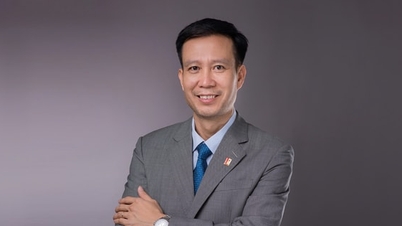
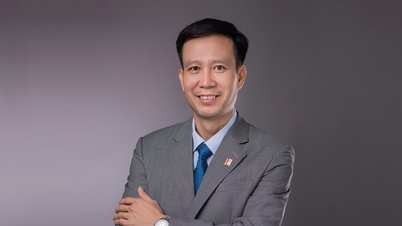
How can we properly promote the role of the Council in universities? A reporter from Dai Doan Ket Newspaper had a discussion with Assoc. Prof. Dr. Nguyen Van Hien - Chairman of the Council of Hanoi Pedagogical University.
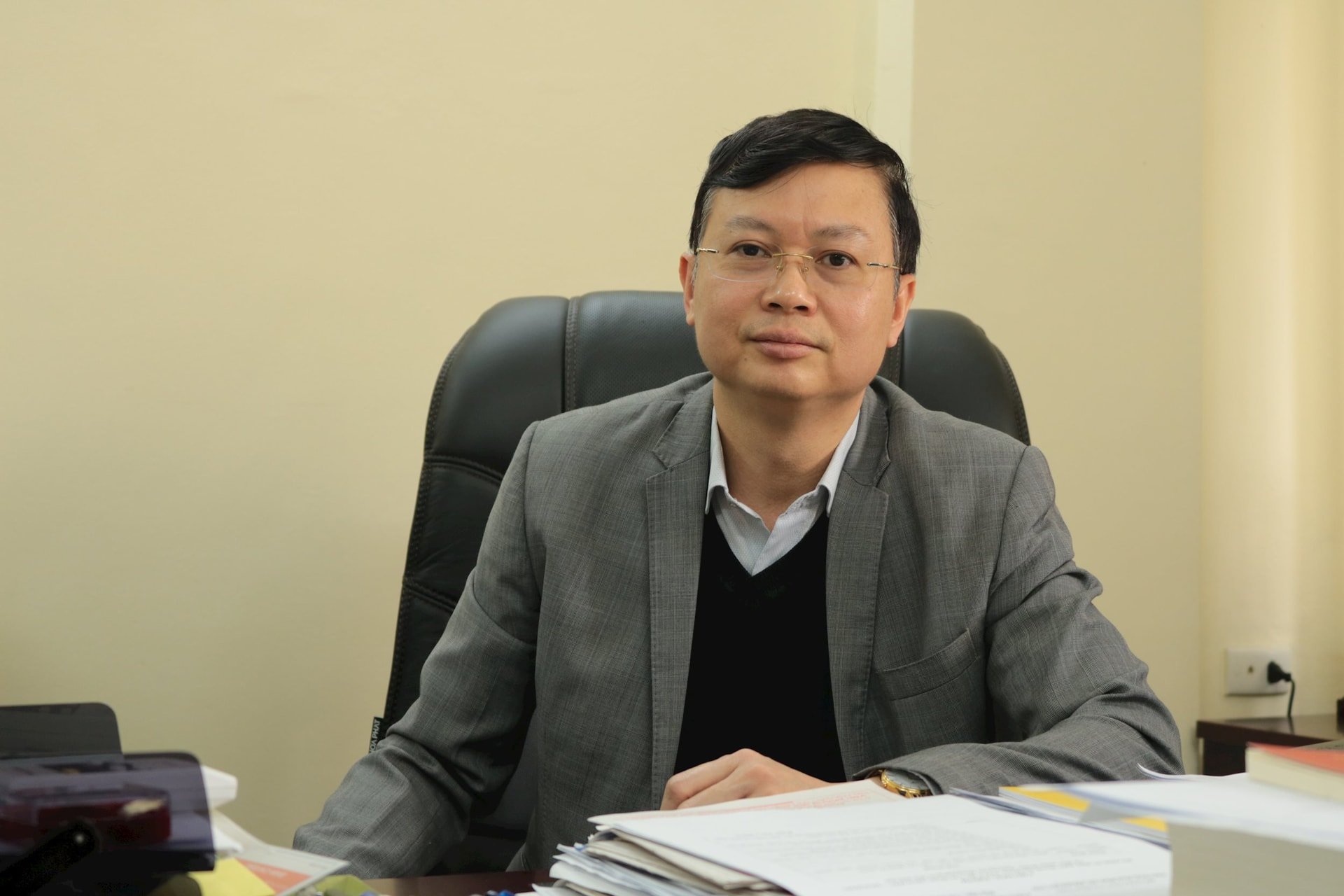
PV: In your opinion, what are the shortcomings of the current regulations regarding the University Council? How is the University Council model organized around the world ?
Associate Professor Dr. Nguyen Van Hien: First of all, it must be affirmed that, in order to implement university autonomy, there must be a University Council mechanism. Experience around the world shows that in most developed countries, the University Council institution is always present in universities. In Vietnam, the Law on Higher Education clearly states: The University Council is primarily a governing body, exercising the representative rights of the owner and relevant stakeholders.
Thus, the law clearly stipulates the basic function of the University Council as a governing body that directs the development of the university. For public universities, where the owner is the state, the University Council also represents the ownership of the entire population. Therefore, the composition of the University Council is very diverse because it represents the voice of the people.
Looking at the global context, in developed countries, there are basically two types of university governance models for the University Council: a business-like model (focused on identifying key areas for investment and implementation), and a model resembling the legislative function of the National Assembly (the University Council issues management policies).
In Vietnam, a hybrid trend between these two models is evident, encompassing both corporate governance and "legislative" functions. According to the Law on Higher Education, the responsibilities and powers of the University Council are essentially divided into three groups. The first group involves setting development directions and issuing operational regulations (such as regulations on organizational activities, regulations on grassroots democracy, and financial regulations). These are major regulations, with the regulations on the organization and operation of the university acting as the institution's "constitution." The second group of tasks involves deciding on important issues and tasks of the university (such as organizational structure, personnel, salary structure, management, and asset utilization). The third group of tasks is supervision.
From this perspective, the regulations regarding the functions and duties of the University Council in the Law on Higher Education and Decree 99/2019 on detailing and guiding the implementation of some articles of the Law amending and supplementing some articles of the Law on Higher Education have been clearly addressed. However, because it is a Law, many provisions are still general, leading to some difficulties in the implementation process.
I believe that, within the group of responsibilities of the University Council, the regulations regarding strategic development decisions or the issuance of internal management policies are quite clear. However, in the group of tasks related to personnel decisions, more specific guidance is needed for improvement. Specifically, the University Council's decision to appoint, dismiss, or remove the university president, or to appoint, dismiss, or remove the vice-president based on the president's proposal, is clear. However, decisions regarding other management positions, as stipulated in the university's organizational and operational regulations, lead to differing interpretations across universities.
For example, at Hanoi Pedagogical University, the University Council only has the authority to decide on the rector, appoint the vice-rector, and the chief accountant. All other managerial positions, from heads of departments to heads of offices, are appointed by the Rector after receiving approval from the Party Committee, and then reported to the University Council. However, in some other universities, all managerial positions are appointed by the University Council.
Sir, the policy of having the Party Committee Secretary also serve as the Chairman of the University Council is consistent with the roadmap for university autonomy. However, the Ministry of Education and Training has previously suggested that the Party Committee Secretary must necessarily be the person with the highest prestige to also serve as the Chairman of the University Council. Applying this to the reality at your university and other higher education institutions implementing autonomy, what is your assessment of this?
- In my opinion, having the Party Committee Secretary also serve as the Chairman of the School Council is the right policy. The Party Committee Secretary is a reputable person within the school's Party organization, both politically and professionally, and in leadership roles. Therefore, having the Party Committee Secretary assume the position of Chairman of the School Council will facilitate effective leadership and guidance.
In the current operational model of universities, the Party Committee provides comprehensive leadership over all aspects of the institution's activities. If the Party Secretary and the Chairman of the University Council are two independent individuals, disagreements or misunderstandings regarding the same policies may arise, sometimes leading to decisions by the University Council that differ from those of the Party Committee. This can potentially create problems in leadership and guidance. Therefore, merging these two positions ensures synchronized and consistent understanding and direction.
Many argue that there should be a mechanism to dismiss ineffective members of the school board. What is your opinion on this?
- According to regulations, the School Council will be responsible for evaluating the annual performance of the Chairman of the School Council, the Principal, and the Vice-Principals; conducting mid-term or extraordinary confidence votes in accordance with the school's organizational and operational regulations for the Chairman of the School Council, the Principal, and the Vice-Principals. The results of this evaluation and confidence vote will serve as the basis for the competent authority to issue decisions to dismiss those in their positions if the confidence vote is not high.
This means that such a mechanism can be implemented for members of the School Board. In situations where members fail to fulfill their duties or commit violations, dismissal is a natural consequence to ensure the proper functioning of the School Board in general, as well as the accountability of each member in particular.
Minister of Education and Training Nguyen Kim Son pointed out that it is important for both the School Council and the Board of Directors to fulfill their roles correctly, each with their own function and responsibilities. The Council handles matters through collective resolutions, conducts regular meetings, and processes tasks submitted by the Board of Directors, playing a role similar to that of the People's Councils and People's Committees at various levels.
According to him, how should the coordination mechanism between the Party Committee, the University Council, and the Board of Directors be implemented? How should the mutual supervision mechanism and the promotion of collective spirit be implemented to ensure that the autonomy of the university is truly effective?
- First, clearly defining the authority and responsibilities of the Party Committee, the School Council, and the Principal will facilitate the smooth implementation of tasks by all relevant parties. The school's Party Committee is the organization that comprehensively leads all activities, from political and ideological work, Party building, personnel work, professional work, and mass organization work to inspection and supervision within the Party; it makes decisions on major targets for the entire 5-year term and each year… The School Council implements the Party Committee's resolutions into development strategies, medium-term plans, and annual plans, while also supervising the implementation of these plans when entrusted to the Principal for management. In short, the Party Committee provides comprehensive leadership; the School Council administers and supervises; and the Principal manages and organizes implementation.
Furthermore, as I mentioned above, the more specific the legal guidelines on the implementation of the School Council's tasks, the better, to avoid undesirable situations where the School Council either fails to fully perform its duties and responsibilities or exceeds its authority. I hope that the Ministry of Education and Training will hold at least 1-2 training sessions annually to improve the management and administrative capacity of the Chairpersons of the School Councils and the Rectors of universities. This will directly contribute to improving the quality of higher education in our country.
Thank you very much, sir!
Since the end of 2024, Deputy Prime Minister Le Thanh Long has requested the Ministry of Education and Training to urgently take measures to rectify the situation at higher education institutions that have not strictly complied with legal regulations, resulting in ineffective operation of the school council. This move came after the press reported on some limitations and shortcomings regarding the school councils of some higher education institutions. The Deputy Prime Minister requested the Ministry of Education and Training to review and evaluate the implementation of the Party's guidelines and legal regulations on school councils of higher education institutions; promptly report and propose recommendations to competent authorities on newly arising issues, those beyond their authority, or those requiring amendment or supplementation of relevant regulations.
Source: https://daidoanket.vn/tu-chu-dai-hoc-va-trach-nhiem-quyen-han-hoi-dong-truong-bai-cuoi-phan-dinh-ro-chuc-nang-nhiem-vu-10302282.html











































































Comment (0)