

Dr. Pham Van Tuan (Institute of Han Nom Studies):
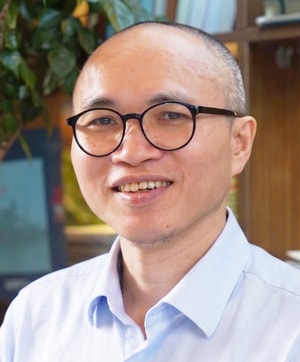
Nurturing the tradition of "drinking water and remembering the source."
The presence of historical records, royal decrees, and inscriptions at the Inner Temple (dedicated to National Ancestor Lac Long Quan) and the Outer Temple of Binh Da (dedicated to Linh Lang Dai Vuong) demonstrates the recognition and approval of feudal dynasties for the worship of the National Ancestor in this region. The community's reverence for the National Ancestor is further expressed through the "statue stand" now prominently displayed in the inner sanctuary of the Inner Temple. This is considered a unique and rare ancient art and religious work among the Lac Long Quan worship sites in the Red River Delta.
At the stele house in the historical site, although the stone stele was erected in the fourth year of the Khai Dinh era (1919), the inscription on the stele indicates that the temple dedicated to the National Ancestor Lac Long Quan has existed for a very long time, associated with the concept of the National Ancestor laying the foundation of rules and institutions for the early communities in the nation-building period.
The festival at the temple dedicated to National Ancestor Lac Long Quan contains many layers of cultural symbolism, contributing to the formation of Vietnam's cultural value system, with the core being the tradition of "drinking water, remembering the source," patriotism, love for one's homeland, and the moral principle of gratitude to those who have contributed to the people and the nation. Through rituals, customs, and folk practices, the festival also preserves the imprints of the rice-farming culture and ancient beliefs that have been passed down through many generations.
Furthermore, cultural symbols in festivals not only meet the spiritual needs, cultural creativity, and historical awareness of the community, but also contribute to nurturing and spreading Vietnamese humanistic values and wisdom forged throughout history.
Chairman of the People's Committee of Binh Minh Commune, Nguyen Dang Viet:
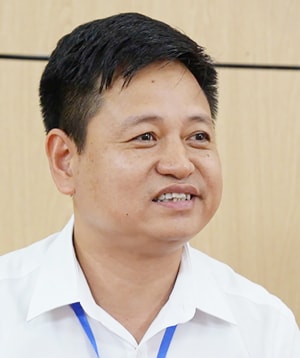
Enhancing the value of heritage and transforming it into an economic resource.
The Binh Da Festival, honoring the National Ancestor Lac Long Quan, is not only a traditional festival of the people of Binh Da, Binh Minh commune, but also carries profound community-building significance as it is one of the few places dedicated to the worship of the "Ancestor of the Hundred Viet People." It is also the first intangible cultural heritage of Hanoi to be recognized at the national level. Over the years, with the attention of Hanoi City and the former Thanh Oai district, the Noi Temple relic and the Binh Da Festival have been invested in for preservation, restoration, and promotion of their value, attracting a large number of people, tourists from all over, and overseas Vietnamese to visit and participate in the festival.
In the context of implementing Resolution No. 80-NQ/TW of the Politburo on the development of Vietnamese culture, the government and people of Binh Minh commune aspire to further enhance the value of the historical site and festival, making it a typical cultural and spiritual tourism destination of the Capital in the new development phase. Currently, the festival grounds are being renovated and restored; in particular, the main pagoda within the historical complex is also being restored, creating a harmonious space to facilitate welcoming visitors from all over.
To further enhance the value of the heritage, the local authorities propose planning and expanding the festival space, especially in the context of administrative boundary adjustments associated with the two-tiered local government model. Along with this, they suggest investing in transportation infrastructure to connect the Inner Temple with the capital's heritage chain and other heritage regions nationwide, thereby promoting the role of culture as an endogenous resource for socio-economic development.
With the attention of the City, departments, and the collective efforts of the community, Binh Minh commune hopes that the Noi Temple relic and the Binh Da Festival will continue to spread widely, befitting the position of National Ancestor Lac Long Quan in the cultural and historical consciousness of the nation.
Folklorist Nguyen Hung Vi:
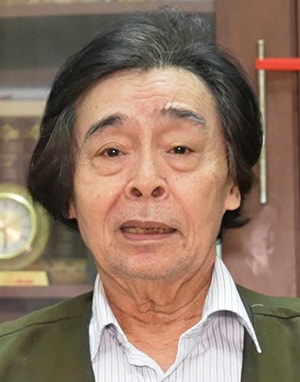
Create more educational environments focused on history, culture, and traditions.
Professor Phan Dai Doan (1936 - 2019), former Head of the Department of Ancient and Medieval Vietnamese History (Faculty of History, University of Social Sciences and Humanities - Vietnam National University, Hanoi), once said: Historical works are sometimes more valuable to a nation and people than temples, shrines, and towers. According to Professor Tran Quoc Vuong (1934 - 2005), "history resides within the people." These viewpoints suggest a way of looking at history not only through official histories but also through folk beliefs, through community faith in national identity and origins.
In Binh Da, the worship of the National Ancestor Lac Long Quan by the people, whether viewed from a historical or mythical perspective, demonstrates a profound belief in national identity. This belief is a way for the people to extend history and their awareness of their national origins. While it may contain elements of symbolism, legend, or folk imagination, its value in preserving national identity, protecting national independence, and safeguarding cultural heritage is immense.
The Binh Da Festival therefore holds special historical and cultural value. The image of the National Ancestor, from legend, has entered the community's consciousness, becoming an object of worship and belief for the people. This folk belief contributes to the formation of understanding about the nation-building period of the Vietnamese people. The worship of National Ancestor Lac Long Quan through the Binh Da Festival is not only a sacred cultural heritage but also a symbol of the principle of "drinking water, remembering the source," expressing gratitude to those who have contributed to the people and the nation.
This space also fosters community solidarity and contributes to educating the younger generation about history, culture, and traditions. Therefore, upgrading the historical site and enhancing the value of the Binh Da festival not only signifies heritage preservation but also contributes to cultivating patriotism and national consciousness – fundamental values for the sustainable development of the nation.
Source: https://hanoimoi.vn/phat-huy-gia-tri-di-san-tu-le-hoi-binh-da-976512.html

![[Photo] General Secretary and President To Lam and the President of the Philippines hold talks.](https://vphoto.vietnam.vn/thumb/1200x675/vietnam/resource/IMAGE/2026/06/01/1780286997787_anh-man-hinh-2026-06-01-luc-11-09-43.png)





























































Comment (0)