

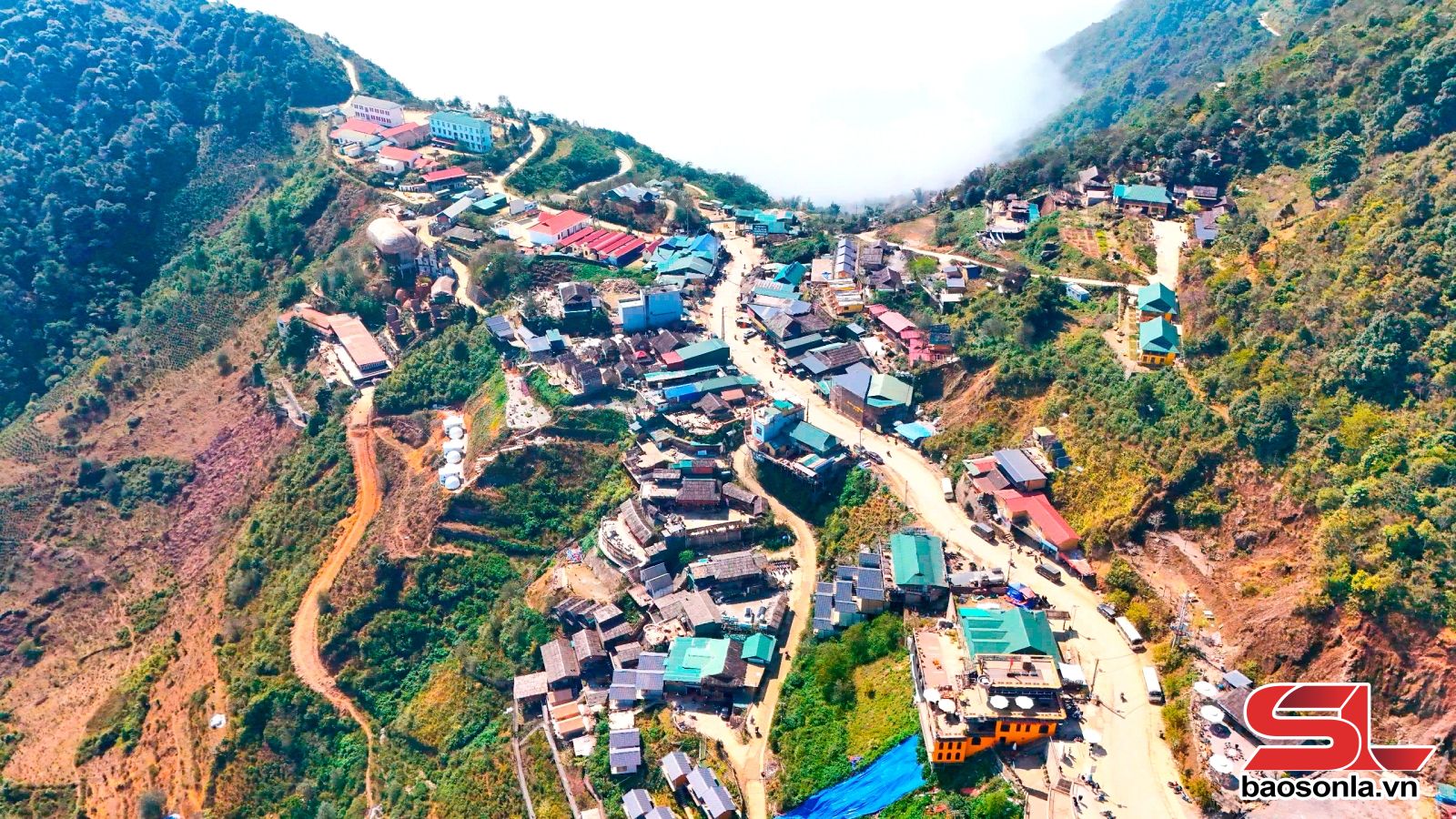
Cloud Paradise
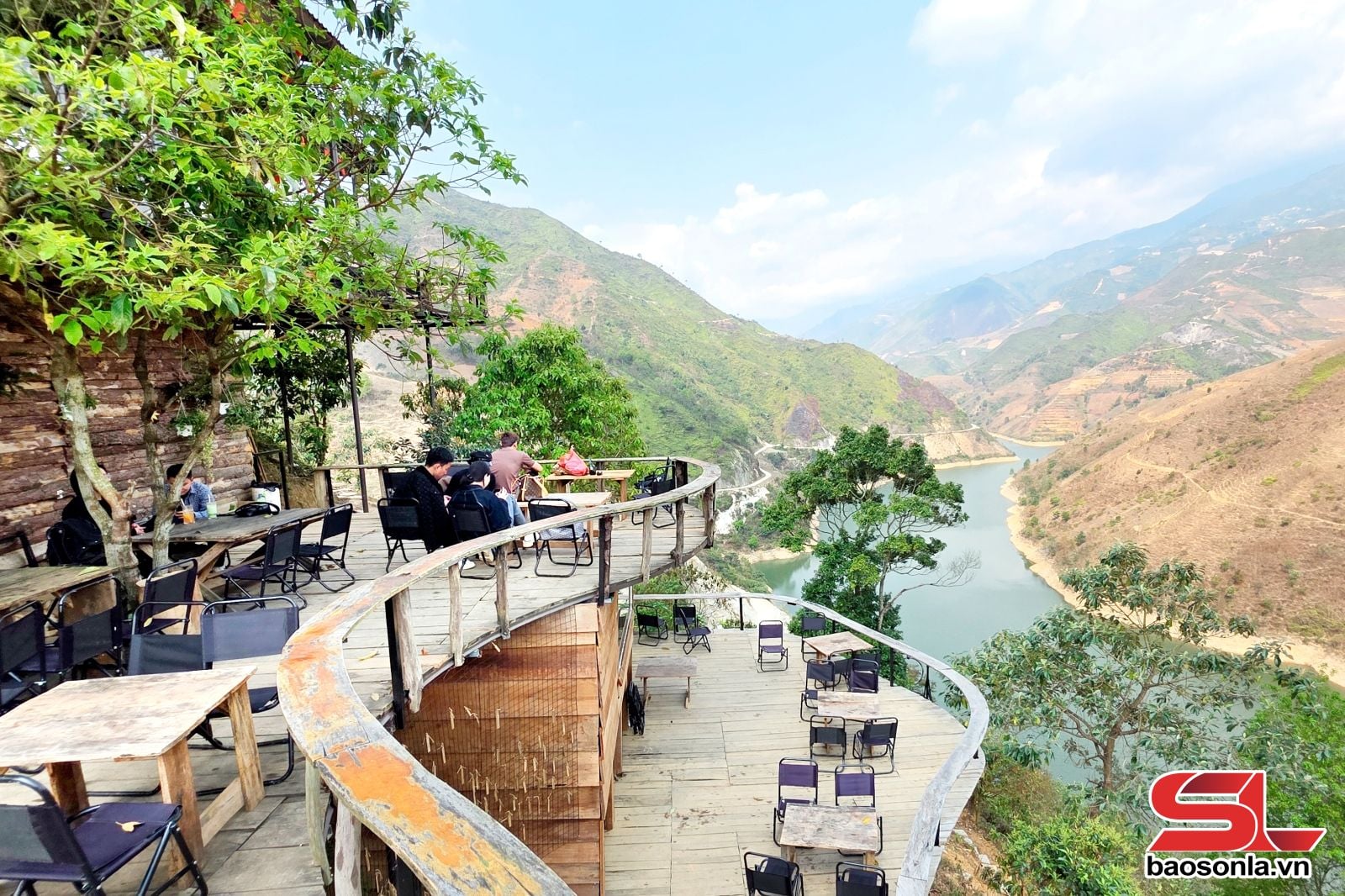
From a little-known highland commune, the name "Ta Xua," with landmarks such as Ta Xua Cloud Paradise, Ban Be Tea Hill, Dolphin's Head, Ta Xua Grassland, etc., now attracts the attention of many domestic and international tourists.
Ta Xua currently has 4 villages with 574 households and over 3,500 inhabitants, mainly ethnic Mong people. Thanks to its existing potential, the strong development of social media, and effective support from all levels, tourism in Ta Xua has developed rapidly. Between 2021 and 2024, the commune received investment in 17 infrastructure projects totaling nearly 28 billion VND, contributing to changing the rural landscape and making Ta Xua an attractive destination.
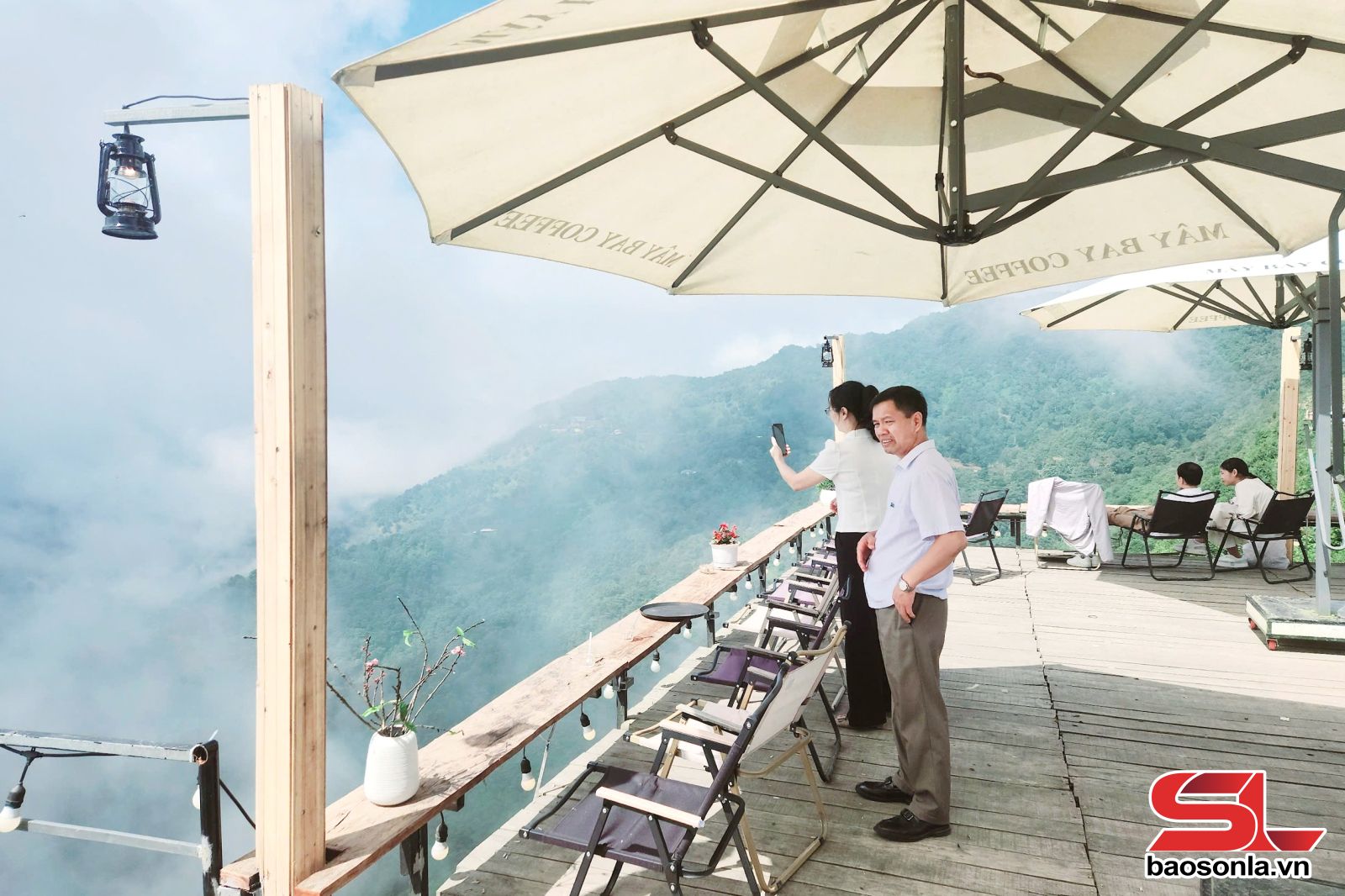
The entire commune has 44 accommodation establishments, accommodating approximately 800 visitors per day and night; dozens of cloud-watching cafes, motorbike rental services, and tour guides. Many families have developed restaurants to serve tourists. Check-in spots such as cloud-view cafes and campsites are becoming increasingly common. The economic life of the local people has improved significantly thanks to tourism income. 100% of the roads from the commune center to the villages and the commune and inter-village road systems are paved, allowing convenient year-round car access. All four villages have cultural centers. Ta Xua has completed 14 out of 19 criteria and 51 out of 57 indicators of the new rural development program.
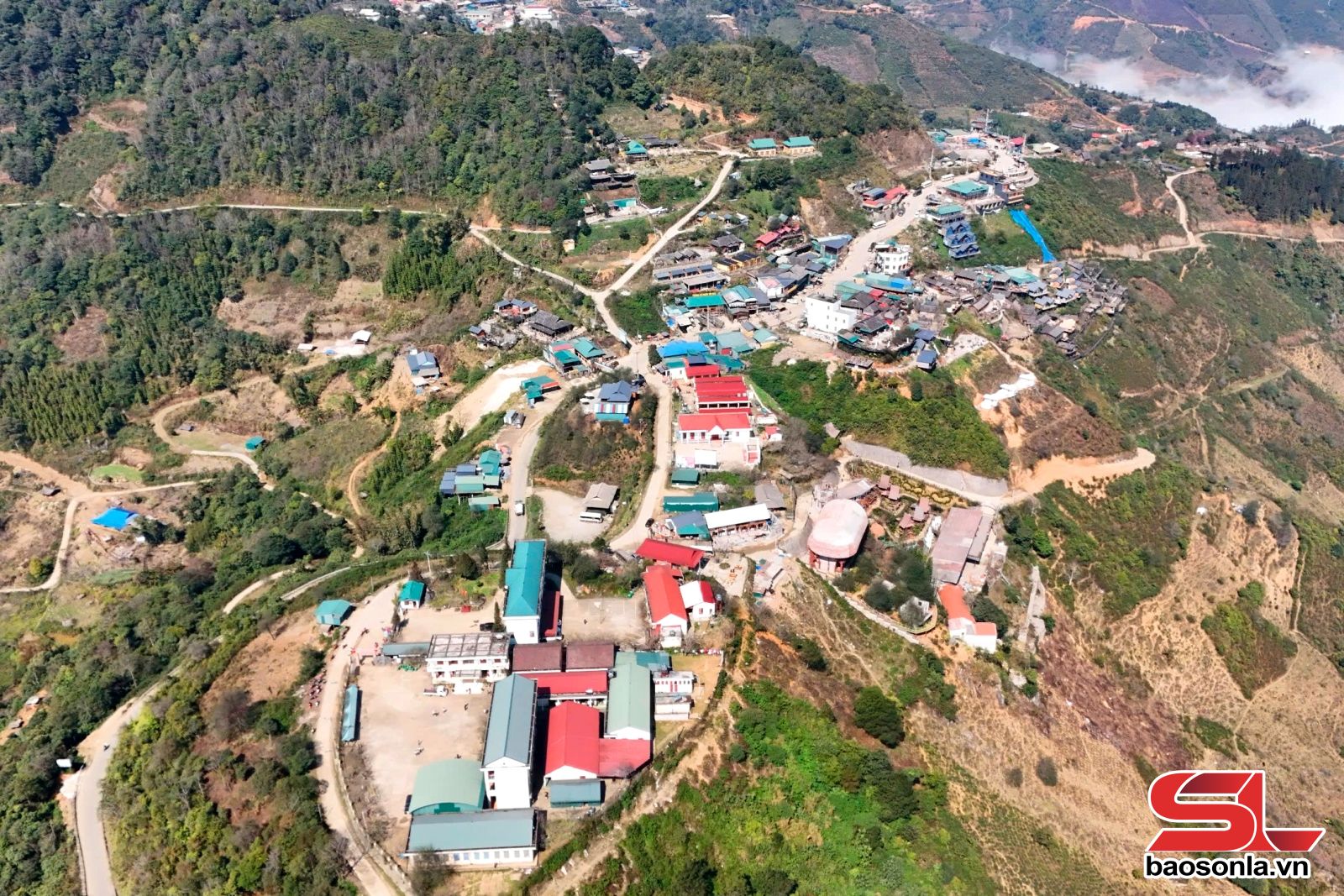
Although tourism is developing rapidly, it also brings with it negative consequences. Planning has not kept pace with the rate of development, leading to chaotic construction and disruption of the natural landscape. Land speculation and rampant land use rights transfers are affecting the long-term livelihoods of the people. Traffic is overloaded, with narrow roads leading to the commune, making accidents and congestion more likely during peak seasons. Seasonal tourism makes service businesses unstable. Furthermore, the environmental awareness of the people is still limited, resulting in increased waste; plastic bottles, plastic bags, and leftover food are not collected thoroughly, detracting from the area's aesthetics.
Mr. Mua A D., born and raised in Ta Xua, shared: "Previously, the village was very quiet, but now there are cars and motorbikes everywhere. The villagers are happy because they earn money from tourism, but they are also worried that, in the long run, the waste problem will become overwhelming and houses will be built haphazardly without proper planning, ruining the beauty of the village."
Mr. Mua A Ho, Chairman of the People's Committee of Ta Xua commune, said: The commune has identified resource management and maintaining a balance between tourism development and environmental and landscape protection as key factors for sustainable tourism development. In recent times, the commune has implemented many solutions, such as: disseminating tourism laws and raising public awareness; strictly controlling business, investment, and construction activities; focusing on waste collection and treatment, and protecting the environment and landscape. At the same time, it has strengthened security and order, ensured food safety in tourist areas, and coordinated with relevant authorities in planning and managing tourism in accordance with regulations.
The brand of Ta Xua, a paradise of clouds, presents both opportunities and challenges, requiring local Party committees and authorities to make strong decisions in establishing regulations on environmental protection and controlling the operations of homestays and restaurants. Simultaneously, it is crucial to promote community tourism, ensuring that local people benefit fairly and sustainably from tourism development.
Preserving cultural identity
Besides its beautiful natural scenery, Ta Xua also attracts tourists with the unique and distinctive culture of the Mong ethnic group. The vibrant brocade dresses, the colorful highland markets, and the traditional flute music and dances always leave a lasting impression on visitors. However, this indigenous culture is also facing the risk of disappearing. A segment of the young Mong people are increasingly wearing less traditional clothing, opting instead for modern attire. Furthermore, some traditional crafts such as weaving, flute making, and blacksmithing are being pursued by very few people.
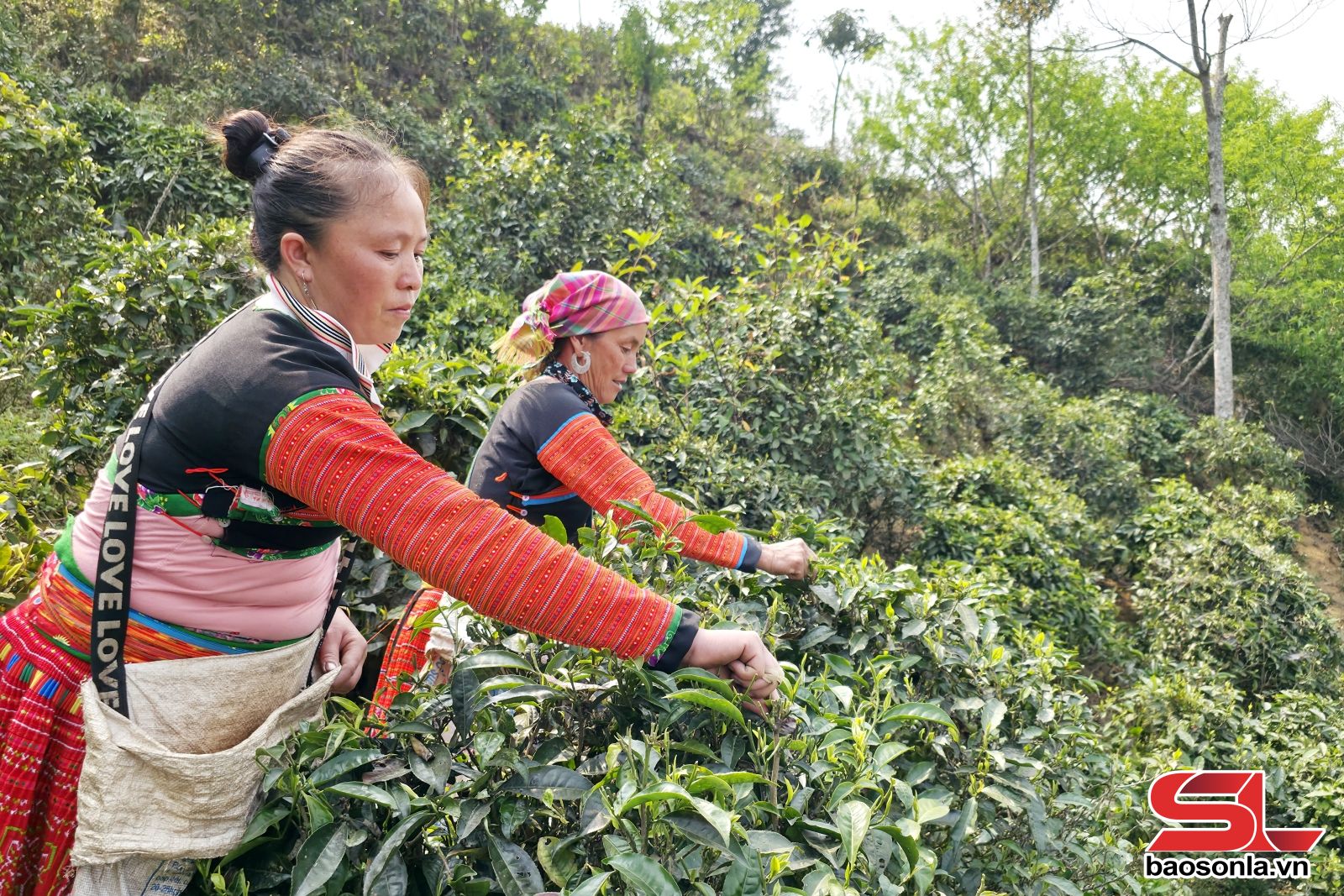
Faced with this threat, in recent years, the Party Committee and local government of the commune have focused on preserving the traditional cultural identity of the Mong ethnic group in conjunction with tourism development. This includes concentrating on promoting, encouraging, and supporting the people in preserving and developing cultural features such as: traditional Mong house architecture; traditional embroidery of dresses and shirts; crafting of flutes, pipes, and bamboo baskets; establishing and maintaining the operation of Mong ethnic folk singing and dancing troupes; traditional folk games such as stilt walking and spinning tops; and preserving and developing the area and products of Ta Xua tea... As a result, unique products have been created to serve the daily lives of the people and gradually meet the needs of tourists for experiences and enjoyment.
In addition, some families maintain traditional crafts such as linen weaving and Hmong flute making, and organize free Hmong language classes for children. Some homestays combine business with cultural preservation, creating experiential activities such as learning weaving, traditional cooking, and cultural exchanges with the local people. These are positive signs that the Hmong ethnic culture here will not fade away in the flow of tourism.
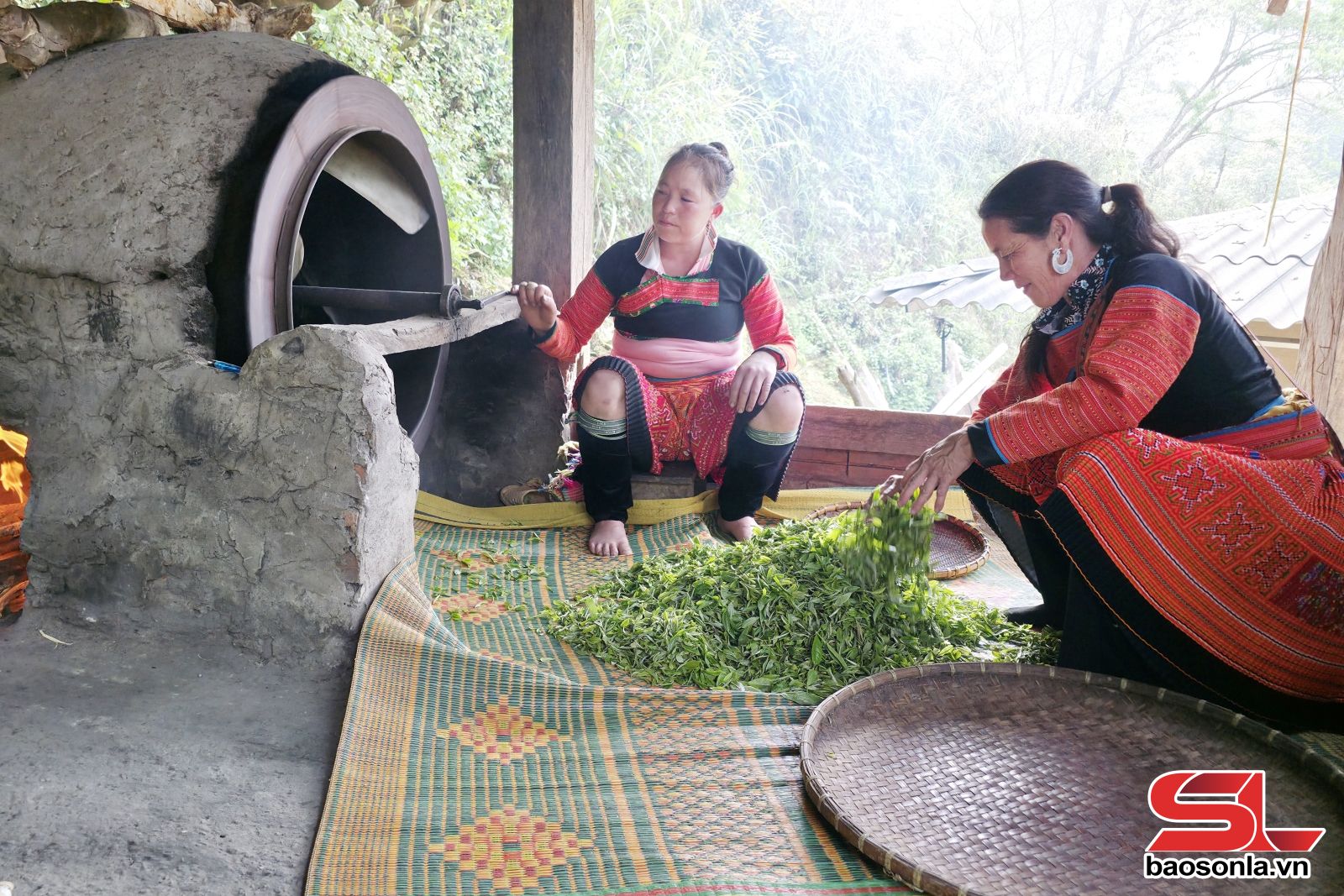
Furthermore, I believe that local authorities need to implement policies to support artisans in preserving traditional culture, encourage community-based tourism programs linked to ethnic identity, and organize more cultural fairs and traditional festivals to promote the image of the Hmong people. Simultaneously, they should create livelihoods for the people through distinctive handicraft products. Only when indigenous culture is properly preserved and promoted can Ta Xua tourism develop sustainably without losing the core values of this region.
The future direction for Ta Xua
Mr. Dao Van Nguyen, Chairman of the People's Committee of Bac Yen District, said: Recognizing the potential for tourism development in Ta Xua, Bac Yen District has proposed a tourism development plan for this area, including: proposing the inclusion of the Ta Xua tourism development plan of Bac Yen District into the overall tourism development plan of Son La Province for the period 2021-2025; forming highland cultural and ecological tourism routes; developing community-based tourism models on a household scale; renovating and restoring existing tea plantations while protecting ancient tea trees; expanding the Ta Xua tea area and linking it with experiential tourism, preserving and enhancing the Ta Xua tea brand; and building Ta Xua as the tourism development center of the district, a satellite of the Moc Chau national tourist area and the Son La hydroelectric reservoir area.
Furthermore, localities need to develop appropriate planning, control the number of accommodation establishments, and manage waste effectively. Businesses and tourism establishments must sign commitments to preserve the landscape, use environmentally friendly materials, and create conditions for local people to participate in sustainable business activities. They should actively educate tourists about environmental protection, limiting the use of single-use plastics, respecting local culture, and participating in responsible tourism activities.
By the end of 2024, the district had achieved and surpassed all 6 targets set out in the Bac Yen District Tourism Development Plan for the period 2021-2025; the tasks and solutions of the plan have been actively implemented. Tourism activities have developed rapidly, gradually becoming an important economic sector, contributing positively to the economic restructuring process, creating jobs for workers and improving people's lives...
With the joint efforts of local Party committees, authorities, people, and tourists, Ta Xua will become an attractive destination, a model for tourism development linked to the protection of nature and culture.
Source: https://baosonla.vn/du-lich/phat-trien-ben-vung-du-lich-ta-xua-aYJMqJxHg.html

![[Image] 20 islands in the Spratly Islands special administrative region hold early elections.](https://vphoto.vietnam.vn/thumb/1200x675/vietnam/resource/IMAGE/2026/03/08/1772949669607_img-20260308-112026-90-jpg.webp)



![[Photo] Urgent efforts to mitigate the consequences of the barge colliding with the Ghenh Bridge.](https://vphoto.vietnam.vn/thumb/1200x675/vietnam/resource/IMAGE/2026/03/08/1772956866931_ndo_br_dji-20260308105506-0016-d-resize-5169-jpg.webp)





































































Comment (0)