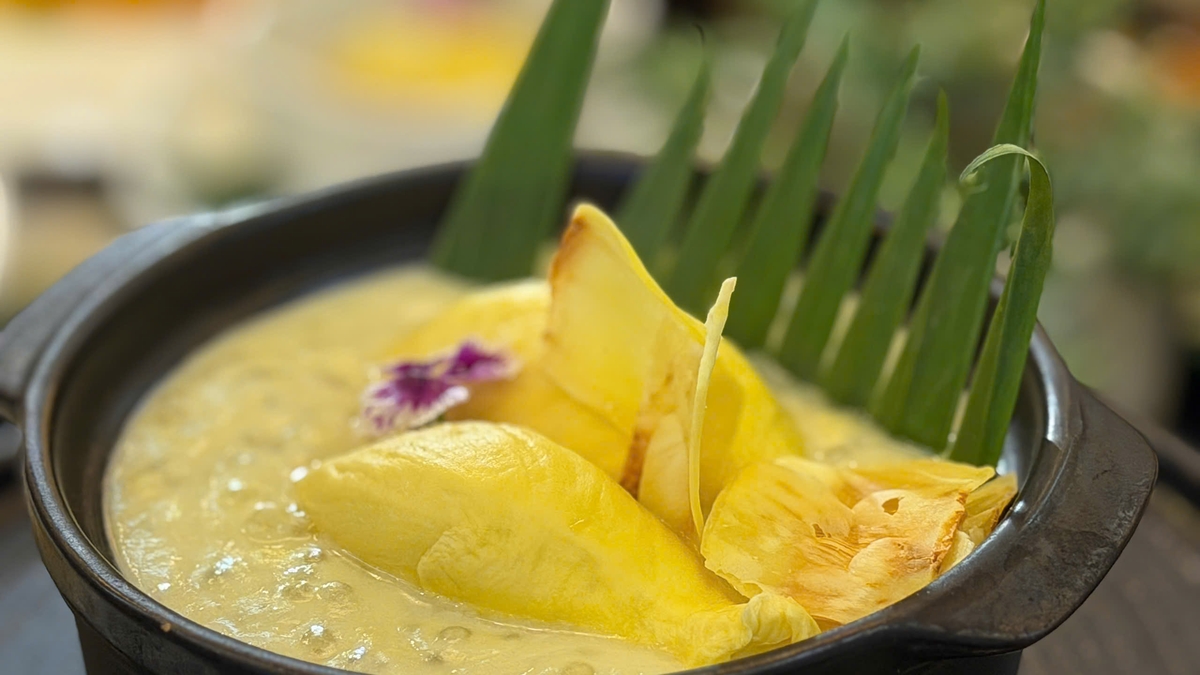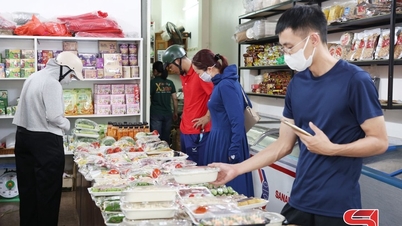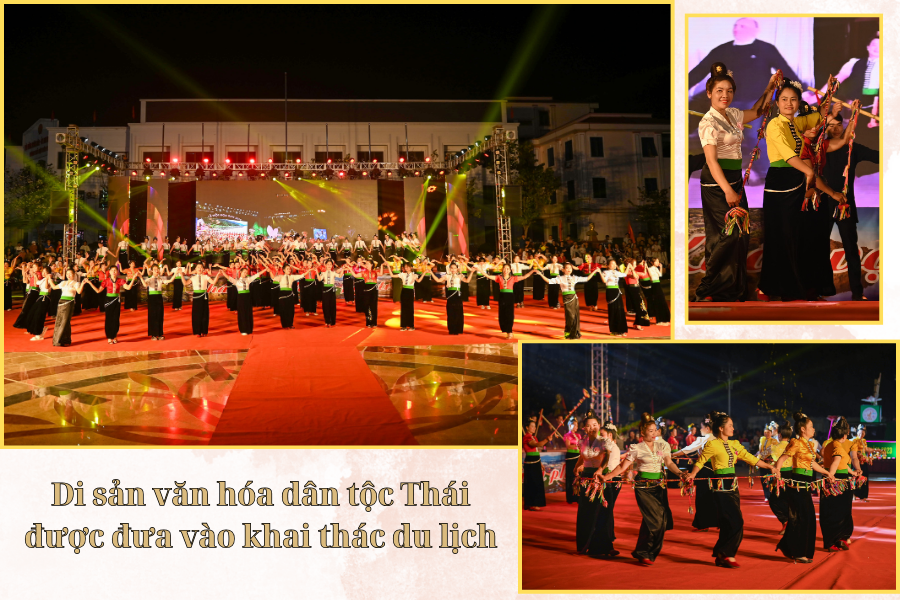
In the center of Tủa Chùa town, Tủa Chùa district, a special night market takes place every Saturday evening, showcasing the rich cultural colors of the highlands and attracting many tourists to visit and experience it. As the last rays of sunlight fade behind the mountains, the Tủa Chùa night market begins to stir. Adults and children mingle in the vibrant atmosphere of various ethnic groups, accompanied by lively music and singing. At this market, the Tủa Chùa plateau wants to offer visitors the most distinctive cultural features of the local ethnic communities. To make the market even more lively, each week, the communes, towns, and schools in the district take turns brainstorming, rehearsing, and performing unique artistic programs. Mr. Nguyen Van Manh, Director of the Culture - Radio - Television Center of Tua Chua District, said: “To promote and introduce the image, Tua Chua District has a policy that each commune will prepare a cultural program to be performed every Saturday evening, self-choreographed and self-staged according to the unique cultural characteristics of its own ethnic group, without overlapping or duplicating the culture of other ethnic groups. This is also an opportunity for ethnic groups to introduce their culture to the community. Not only that, right in the center of the night market is a food stall serving many traditional and unique dishes, including Thang Co hot pot, mountain goat, fragrant corn wine… attracting hundreds of locals and tourists to gather and enjoy. Thanks to this, after more than a year of operation, the Tua Chua night market has gradually become a distinctive product of the district, with great appeal and attraction not only to local people but also to tourists from near and far.”
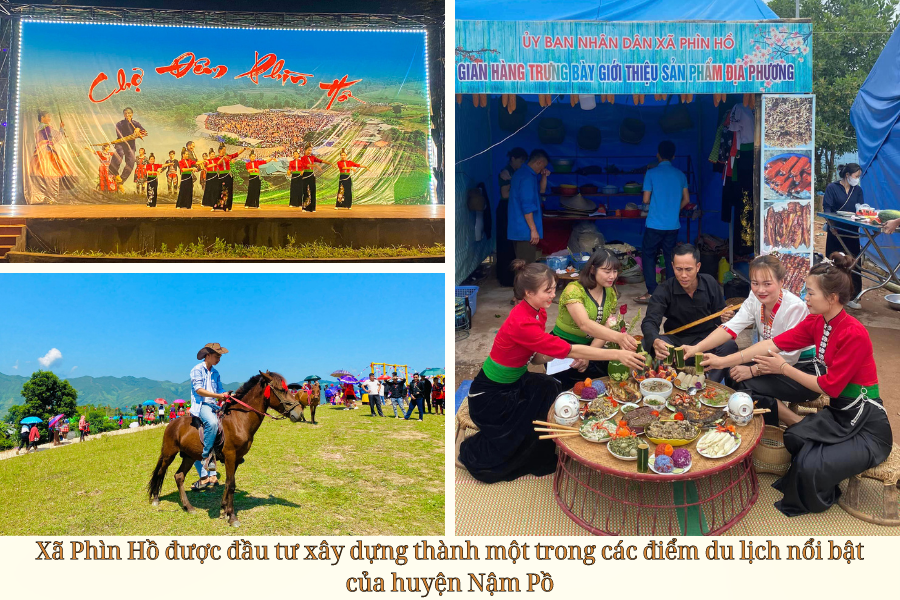
Considering community-based tourism development as a new direction contributing to the socio-economic development of remote, border, and mountainous communes, in recent years, Nam Po district has focused on preserving and promoting the traditional cultural heritage of ethnic groups and transforming them into attractive tourism products. Not only has the district encouraged the Thai, Mong, Dao, and other ethnic groups in the area to preserve their valuable traditional cultural values, but it has also developed outstanding and attractive cultural tourism destinations. For example, in Phin Ho commune, where six ethnic groups live together, the Mong, Thai, Xa Phang, and other communities possess distinctive traditional cultural features that captivate anyone who visits. Furthermore, Phin Ho commune has the advantage of being located right next to National Highway 4H, facilitating convenient transportation. With these strengths, in the last two years, Phin Ho has been invested in by Nam Po district to become one of the prominent tourist destinations, such as: Phin Ho weekend market, Phin Ho night market on Saturday evenings… Phin Ho also hosts many major cultural events of the district, such as: Thai ethnic culture festival; Nam Po district ethnic culture festival… Through these activities, many distinctive cultural features of Phin Ho in particular and Nam Po in general are widely promoted, attracting tourists from near and far to visit and experience…

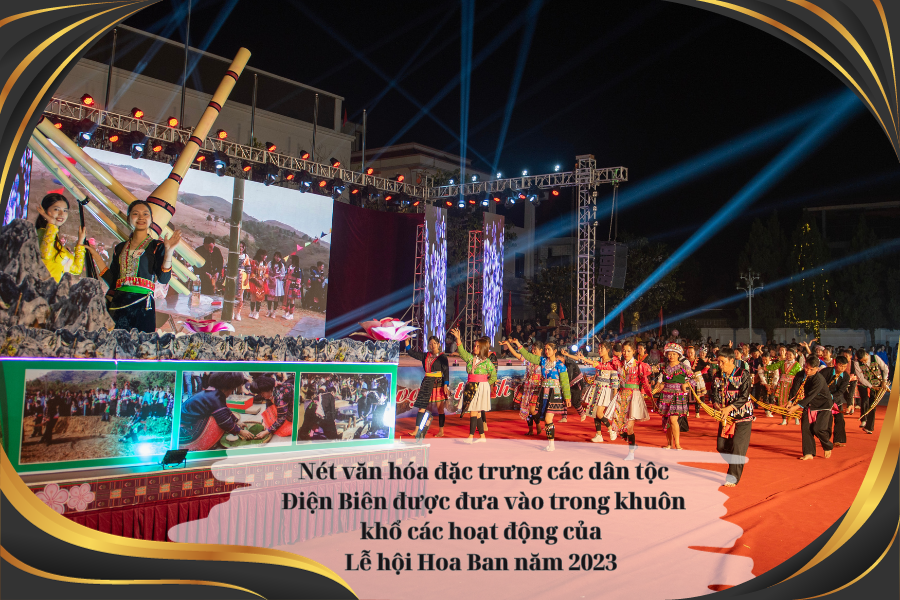
However, it must be acknowledged that transforming cultural heritage into unique and distinctive tourism products for the province still faces many difficulties. Mr. Nguyen Hoang Hiep, Deputy Director of the Department of Culture, Sports and Tourism, stated: “Currently, the living environment, cultural space, and many customs of ethnic groups in some localities are affected by the negative aspects of integration, the negative aspects of the market economy , and the scientific and technological revolution, causing many difficulties in preserving and conserving the traditional culture of ethnic groups. Besides, while the work of preserving and developing the culture of ethnic groups has achieved positive results, it has only focused on preserving and maintaining the valuable cultural aspects of these groups and has not yet created many outstanding products for tourism development.”
To transform cultural values into unique tourism products for the province, the involvement and cooperation of all levels, sectors, and localities are necessary. According to Mr. Nguyen Hoang Hiep, in the coming time, the province needs to actively advise and propose policies to encourage, support, and attract investment resources to build community-based tourism models that meet standards, linked to the distinctive cultural products of the locality, in order to serve tourists and create jobs for the people. In addition, it is also necessary to maintain, expand the scale, and innovate the content and form of festivals, celebrations, competitions, and gatherings... from the provincial level to the grassroots level on a regular and annual basis to create a series of activities associated with commemorative events, holidays, and festivals. Along with that, guidance and coordination with the governments of districts, towns, and cities in the province are needed to survey and assess potential, and select areas for building community-based cultural tourism villages based on exploiting traditional cultural values; Collaborating with travel agencies and tour companies to create integrated tours that combine sightseeing, experiences, and exploration of cultural identity...



Source