

Observations from several projects in neighboring provinces show that social housing apartments are quickly absorbed by the market upon their launch. With affordable prices, ranging from only 800 million to 1 billion VND per apartment, social housing products in Long An , Binh Thuan, etc., always attract a lot of interest, especially from people with genuine housing needs.
According to statistics, the urbanization rate is 41% per year, and it is projected that 50% of Vietnam's population will live in urban areas by 2030. The expansion, merger of administrative boundaries, or the formation of new satellite cities is an inevitable development trend. Therefore, accelerating development in suburban areas, neighboring provinces, and especially developing social housing at this time is extremely important.
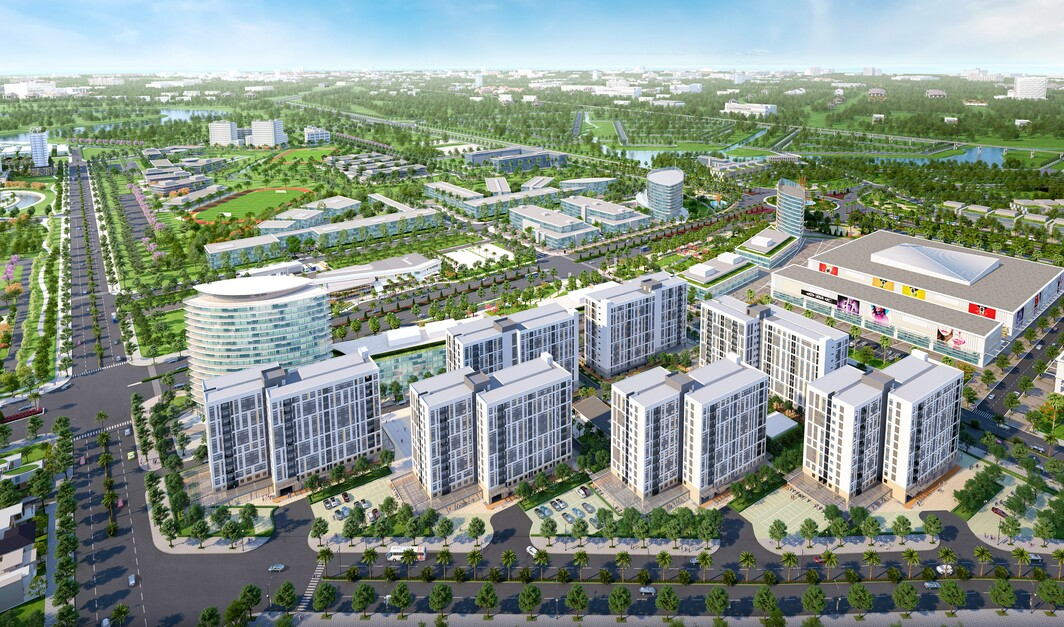
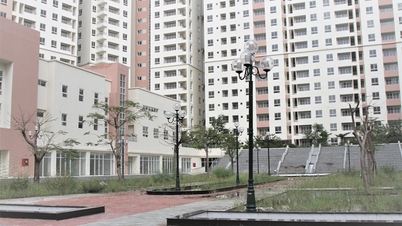
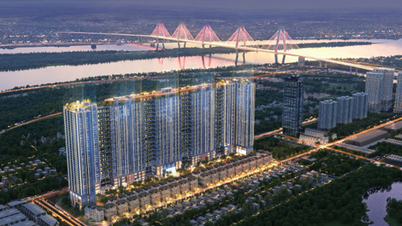
Affordable apartment projects in provinces surrounding Ho Chi Minh City are proving to be a practical solution for the development of social housing.
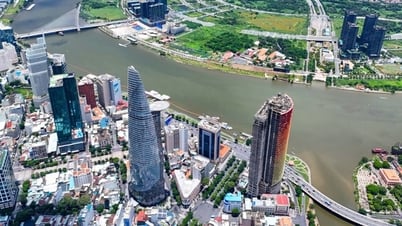
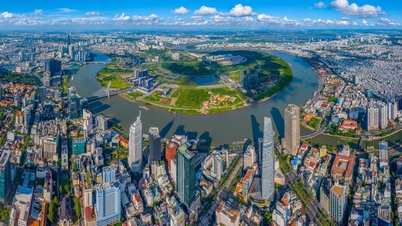
Because over the past period, the development of social housing in Ho Chi Minh City has faced many difficulties and has not met the expectations of many people. These difficulties stem from a lack of land for building this type of housing. Despite many efforts in the past, Ho Chi Minh City has only managed to provide 15,000 apartments under the social housing program.
From 2018 to the present, the demand for affordable housing has steadily increased, while the supply has shown no signs of significant growth. Therefore, since 2020, the shortage of affordable apartments has become even more apparent, accounting for only 1% of the total housing units put on the market.
In 2021, this shortage became even more alarming when, out of a total of 14,443 apartments sold, there were no affordable apartments. Meanwhile, there were 10,404 high-end, luxury, and ultra-luxury apartments (accounting for approximately 74%), with the remainder being mid-range housing (accounting for 26%).
According to assessments by specialized agencies, the demand for social housing in Ho Chi Minh City during the period 2011-2020 was approximately 134,000 units, but by 2022 only 14 projects with about 15,000 units had been completed. This means that social housing has only met just over 11% of the actual demand.
Meanwhile, authorities are still grappling with legal issues, specifically the regulation requiring 20% of land in commercial projects to be allocated for social housing, which remains problematic. The value of this 20% land allocation in central districts is vastly different from that in suburban areas, making it impossible to equate their value. Furthermore, the living needs of residents in social housing projects differ from those of buyers of commercial housing, especially in high-end and luxury projects.
Perhaps it is for these reasons that many real estate businesses are not enthusiastic about this segment, despite Ho Chi Minh City's continuous calls and preferential policies for businesses investing in social housing.
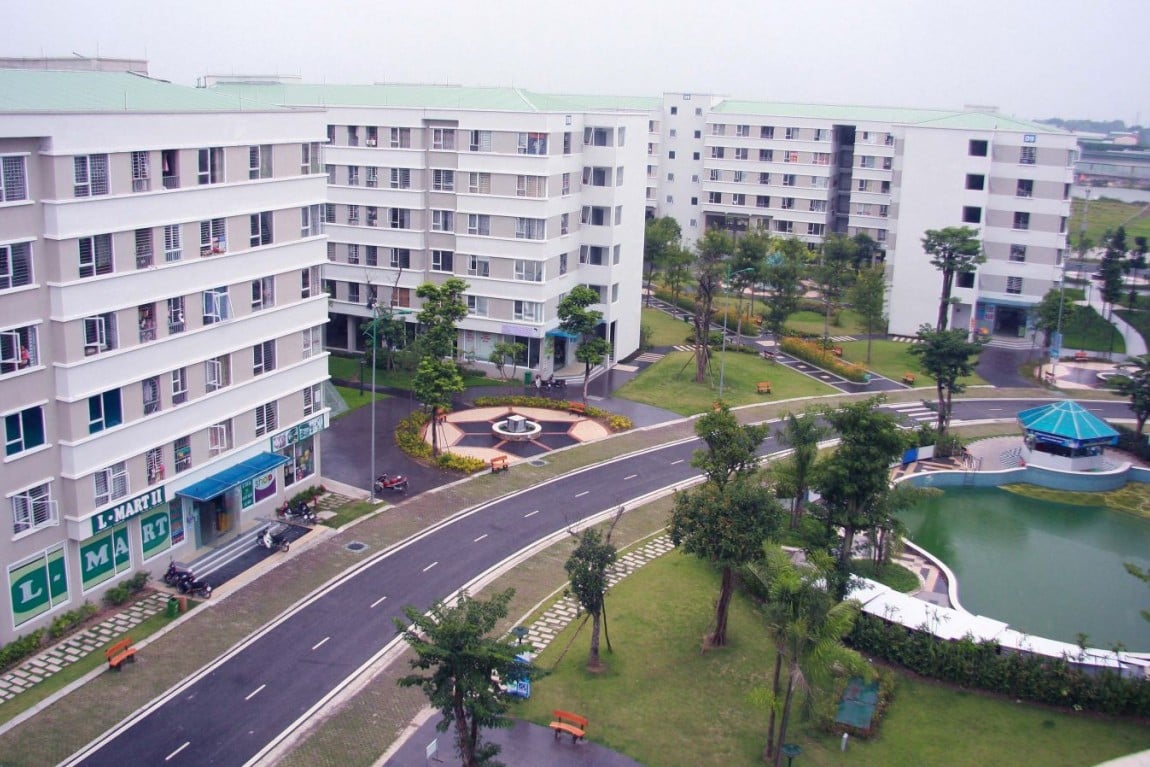
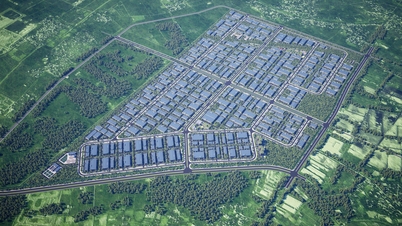
Therefore, promoting the development of social housing in localities bordering large cities is a promising direction. These localities will become new destinations for investment and development of residential real estate, including affordable housing and social housing, due to abundant land resources, numerous investment incentives and policies, and increasingly well-connected transportation infrastructure. This is also a way to encourage population growth outside the city center, avoiding pressure on the infrastructure of large cities.
Currently in Ho Chi Minh City, the Ring Road 3 and Ring Road 4 projects connecting the Eastern and Southwestern provinces are receiving much attention. The completion of Ring Road 3 is key to unlocking development in the satellite urban areas identified in Ho Chi Minh City's construction plan and regional planning, such as: Nhon Trach (Dong Nai), Thuan An City ( Binh Duong ), Northwest Cu Chi (Ho Chi Minh City), Duc Hoa and Duc Hue urban areas (Long An)...
When Ho Chi Minh City develops social housing along its ring roads, it will ensure good connectivity with other urban areas as well as neighboring provinces, thereby increasing the attractiveness of social housing to customers.
Furthermore, promoting social housing in satellite urban areas will create a more affordable and accessible product segment. This will be a driving force for the development of social housing projects, thereby realizing the dream of home ownership for many people without causing too many obstacles in commuting or accessing essential needs.
However, solving the problem of land shortage for social housing development in Ho Chi Minh City still requires careful consideration of many issues. Developing a satellite urban area with a living environment that meets the needs of residents requires many factors. Besides affordability and convenient transportation, it must also include the comprehensive development of social welfare systems, commercial services, and entertainment to attract residents.
Source
















































































Comment (0)