

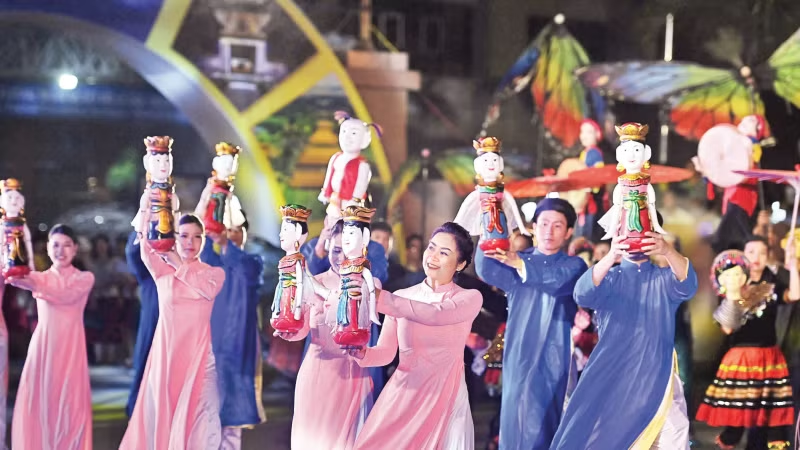
The recent surge in music concerts, entertainment programs, and creative products on digital platforms demonstrates a dramatic shift in public demand for cultural enjoyment and interaction. Behind these trending movements lies the formation of a new cultural ecosystem, in which digital technology, content platforms, creative communities, and the public become direct participants in the dissemination and shaping of cultural values.
According to Resolution No. 80-NQ/TW dated January 7, 2026, of the Politburo on the development of Vietnamese culture, culture is defined as the spiritual foundation of society, an important endogenous resource, a driving force for socio-economic development, and a national soft power. In the new era, cultural values must permeate all aspects of life, becoming the foundation, resource, driving force, and regulatory system for the rapid and sustainable development of the country.
Building a digital cultural ecosystem
The spirit of building a digital cultural ecosystem has been consistently reflected in Resolution No. 80-NQ/TW of the Politburo through its orientations on cultural data infrastructure, digital content platforms, digital transformation in the cultural sector, and the development of the cultural industry. This is a multi-dimensional interactive structure between the State as a policy maker; digital platforms controlling content distribution; artists and creators creating value; the public both receiving and participating in co-creation; and the increasingly significant role of big data, artificial intelligence (AI), and content distribution algorithms.
Digital platforms are changing how people access and consume culture. A short video on social media can have a much wider reach than traditional performances; an online film can project a nation's image across borders; and a musical trend can quickly influence the tastes of an entire generation. Cultural spaces are no longer primarily confined to physical institutions, but are now present on digital platforms, content distribution algorithms, and global interactive networks.
According to Professor, Dr. Trinh Sinh (Hanoi University of Culture): The biggest challenge today is not the speed of spread of global cultural trends, but the identification and strengthening of the core values of Vietnamese culture. In the digital environment, the clearer the identity, the greater the spread.
Therefore, Resolution No. 80-NQ/TW of the Politburo not only sets the goal of preserving and developing cultural values, but also aims to build a digital cultural ecosystem with a national cultural data infrastructure, a Vietnamese digital content distribution platform, digital museums, digital libraries, online theaters, and open creative spaces.
The public is no longer passive.
Previously, culture primarily operated on a one-way model: artists created, regulatory bodies granted licenses, and the public received the content. However, in the digital cultural ecosystem, that boundary is almost completely blurred.
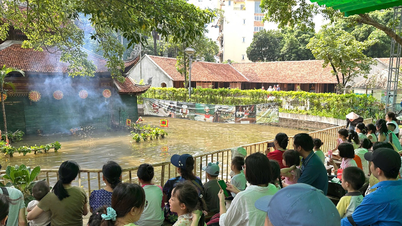
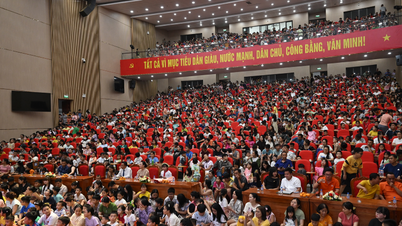
People's Artist Trung Hieu, Director of the Hanoi Drama Theatre, believes that today's public not only receives but also directly creates, spreads, and shapes cultural trends. The fact that many music concerts consistently sell out, or videos about heritage and traditional art attract millions of views on digital platforms, shows that young people are increasingly participating in cultural life through digital age approaches. For traditional theatre, this is both a challenge and an opportunity to innovate in how it reaches audiences. If the digital space is utilized effectively, communication methods are innovated, and art is brought closer to school life, theatre can completely create a new audience.
“After the school theater project was implemented by the Ministry of Culture, Sports and Tourism, the Ministry of Education and Training, and the city of Hanoi, we bring hundreds of performances to students in the area every year. Many literary works in the high school curriculum are staged so that students can access them through emotion and direct experience, instead of just learning through books. This is also a way to cultivate future audiences for the theater,” said People's Artist Trung Hieu.
From a cultural research perspective, Professor and Doctor Trinh Sinh argues that for heritage to truly thrive in modern life, especially among young people, it's not just about preservation, but also about changing the way it's told and conveyed. According to him, young people will be voluntarily interested if cultural values are transformed into attractive and accessible products, from stories about artifacts and historical figures to multi-episode films and videos based on Vietnamese cultural heritage.
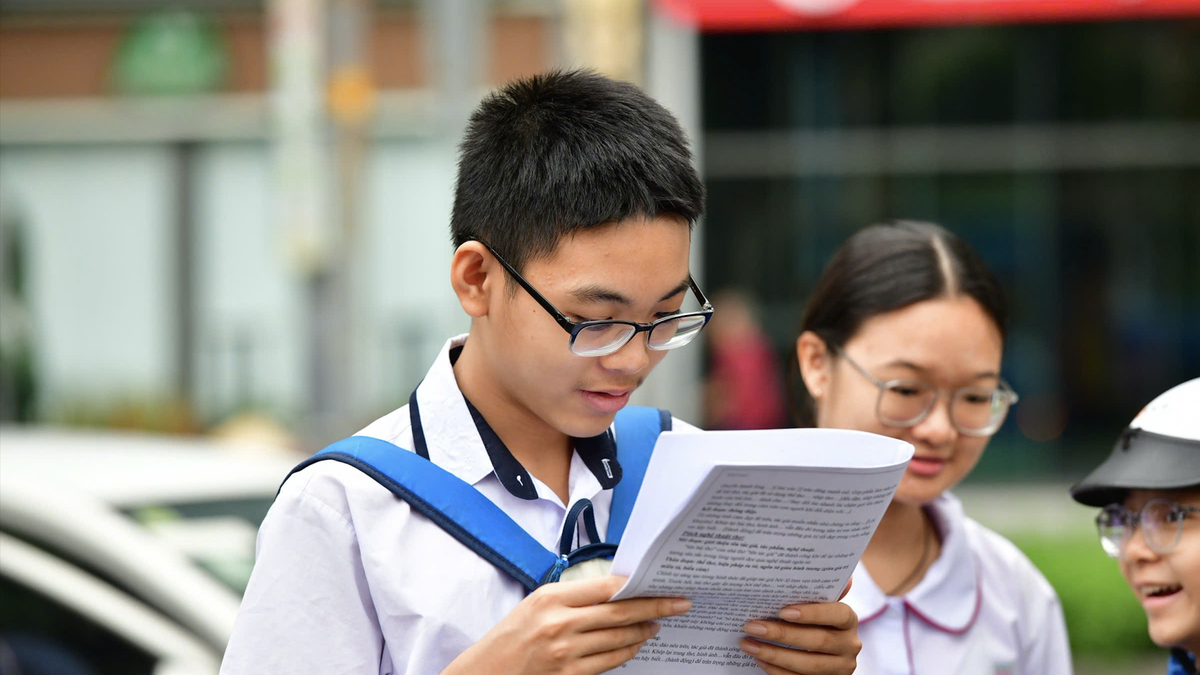
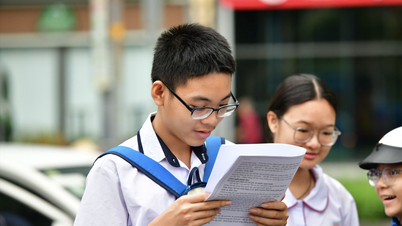
“I think young people today not only watch but also participate in spreading cultural values. For example, after watching the performances of 'Dạ cổ hoài lang' and 'Đào Liễu' on stage, I sought out the original versions, read more about that art form, and shared it with my friends. Many of my classmates also learned about traditional cultural values through content spread on social media,” said Thủy Tiên, an 11th-grade student at Chu Văn An High School.
Competition in terms of identity and soft power.
Looking at other Asian countries, while South Korea influences the market with K-pop, film, and entertainment platforms; Japan positions itself through anime, manga, and popular culture; Vietnam also has the opportunity to transform its national cultural heritage into a new soft power. However, the core issue is not the quantity of cultural products, but the ability to create products that are distinctly Vietnamese, competitive, and capable of telling the Vietnamese story to the world.
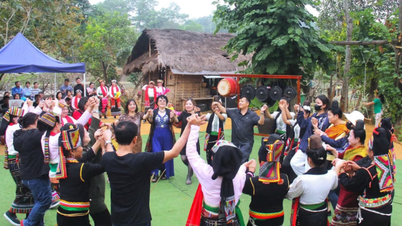
According to Professor and Doctor Trinh Sinh, the core values that need to be preserved in the process of competing through soft power are tangible and intangible cultural heritage – the very soul that makes up Vietnamese identity. He cited the example of the Dong Son bronze drum, a cultural symbol that has transcended the realm of archaeology to be present in many institutions, products, and foreign relations activities of the country. He believes that digitizing, preserving, and promoting such heritage values not only aims to preserve national memory but also contributes to transforming heritage into a resource for the cultural industry and national soft power.
Many cultural experts argue that, in the context of artificial intelligence, algorithms, and technology profoundly changing social life, what a nation needs to preserve is not only its tangible heritage, but also its capacity to define its own identity and value system.
The biggest challenge today is not the speed at which global cultural trends spread, but the fact that we have not yet fully defined and conveyed the core values of Vietnamese cultural identity.
Therefore, Resolution No. 80-NQ/TW of the Politburo is not only about cultural development, but also provides important guidance on human development, national identity, and competitiveness in the digital age. Creating a modern, culturally rich ecosystem will be the foundation for Vietnam's sustainable development and deep integration with the world.
Source: https://nhandan.vn/phat-trien-van-hoa-trong-ky-nguyen-so-post966205.html
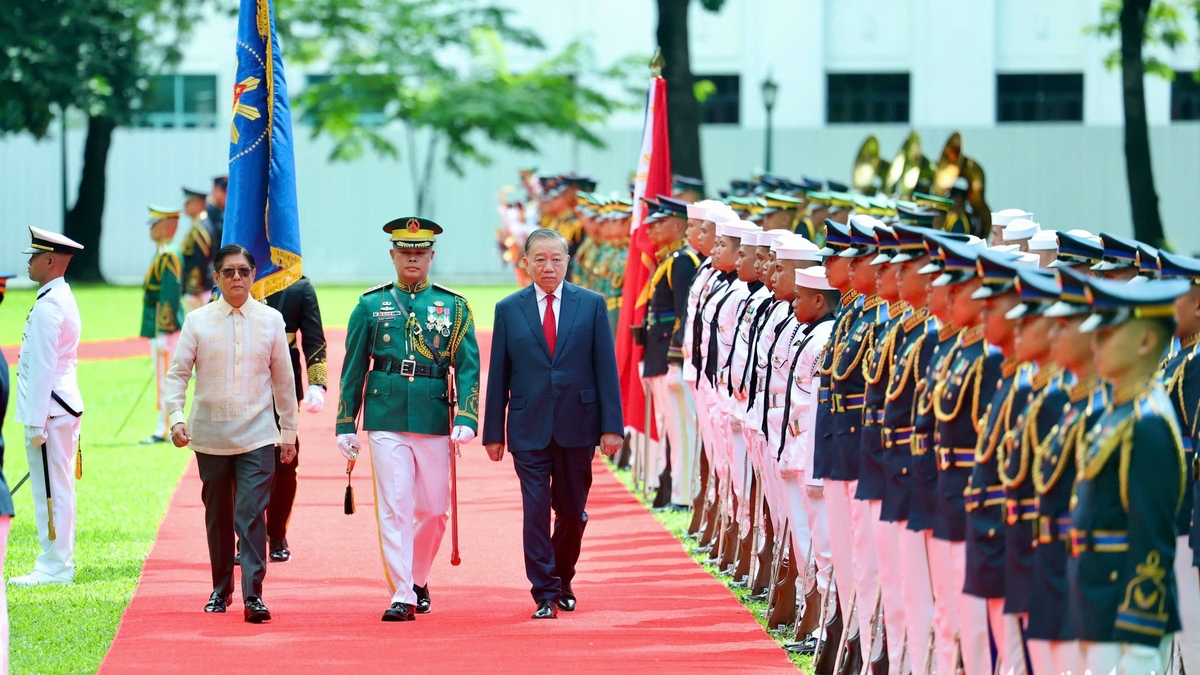

![[Photo] General Secretary and President To Lam and the President of the Philippines hold talks.](https://vphoto.vietnam.vn/thumb/1200x675/vietnam/resource/IMAGE/2026/06/01/1780283481955_vna-potal-tong-bi-thu-chu-tich-nuoc-to-lam-va-tong-thong-philippines-hoi-dam-8797519-1429-jpg.webp)









![[Photo] General Secretary and President To Lam and the President of the Philippines hold talks.](https://vphoto.vietnam.vn/thumb/402x226/vietnam/resource/IMAGE/2026/06/01/1780283481955_vna-potal-tong-bi-thu-chu-tich-nuoc-to-lam-va-tong-thong-philippines-hoi-dam-8797519-1429-jpg.webp)














































Comment (0)