

 |
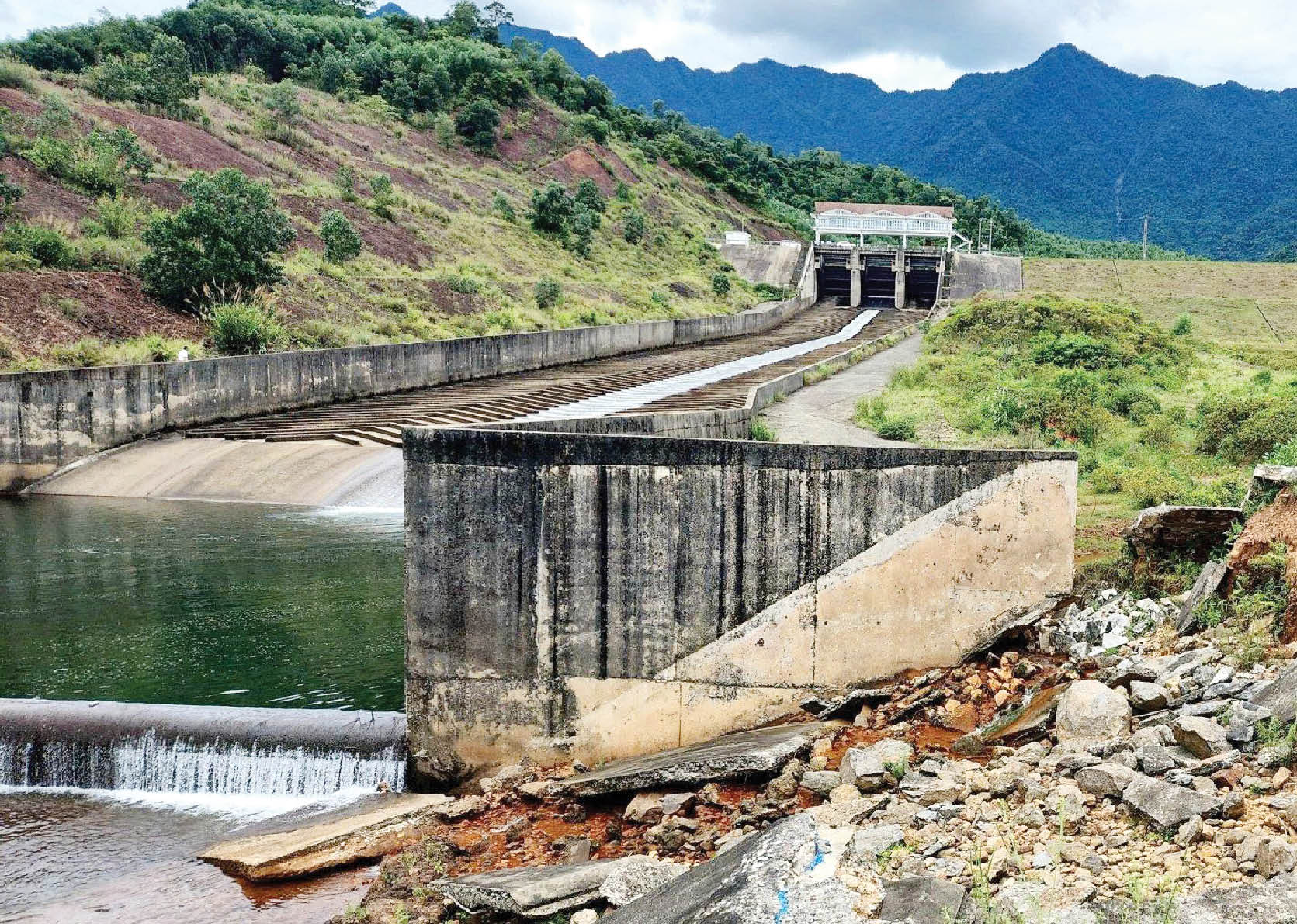
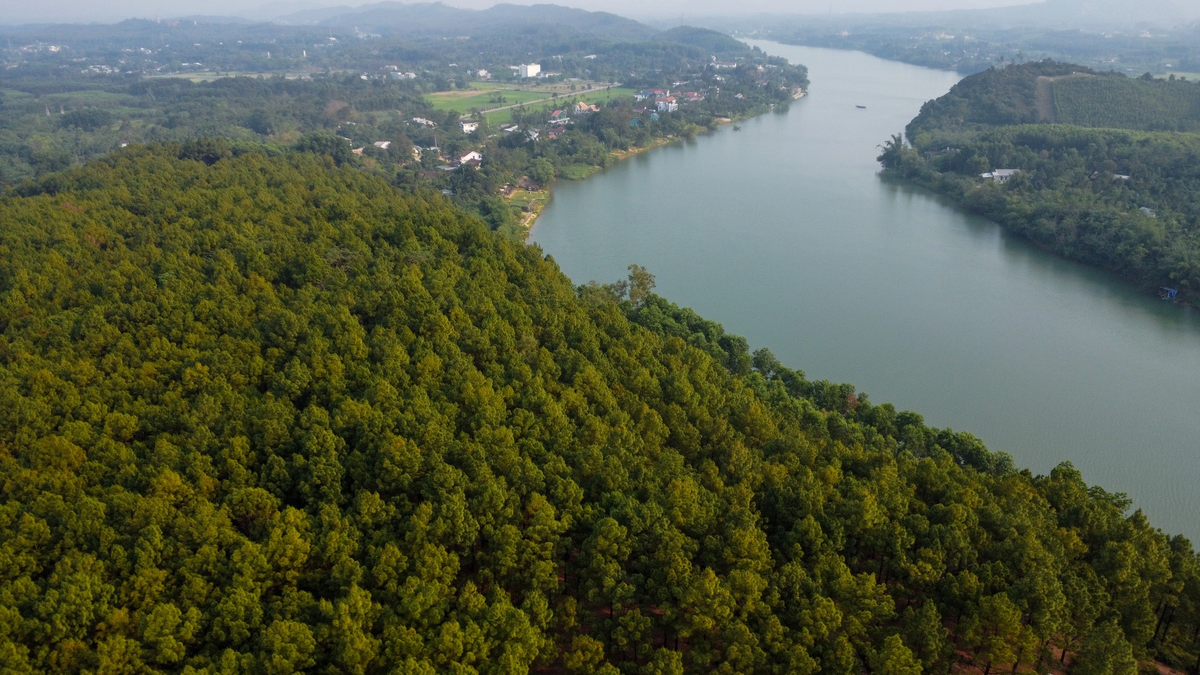
| The dam and reservoir system needs to be reviewed, rectified, and repaired to cope with natural disasters. |
Unpredictable
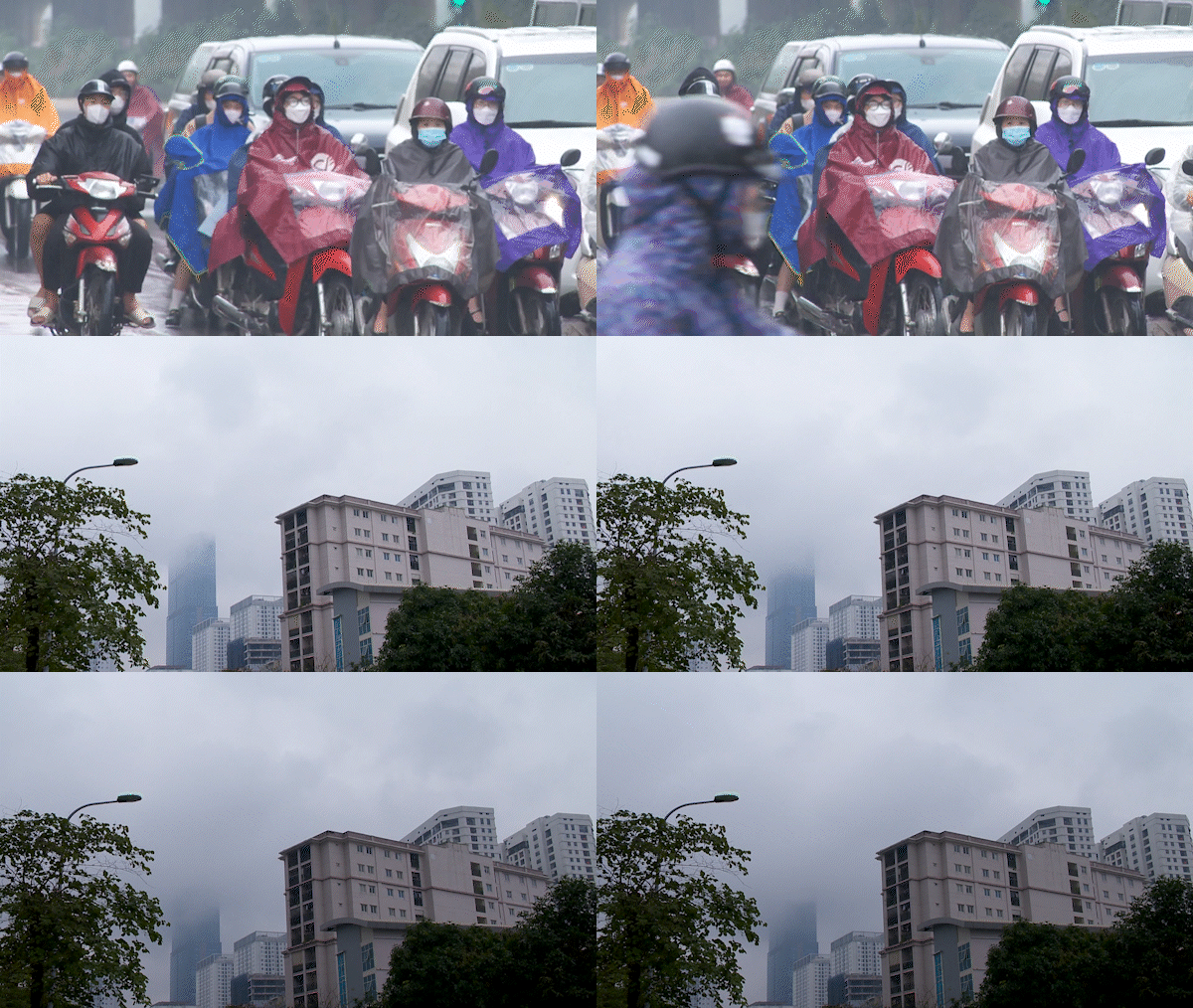
Typhoon No. 1, which brought heavy rains in mid-June 2025, not only flooded many roads but also caused severe damage to summer-autumn rice crops and other crops in localities throughout Hue City. Many vegetable gardens that had just been planted were submerged, and many newly sown rice fields were almost completely destroyed due to prolonged flooding.
More worryingly, thunderstorms combined with tornadoes are occurring with greater frequency than in previous years, causing damage to roofs, uprooting trees, and jeopardizing the power grid. These unseasonal weather phenomena are no longer isolated incidents. They are becoming alarming signs of climate change and extreme natural disasters.
Many meteorological and hydrological experts believe that the weather is being significantly impacted by global climate change. While previously the rainy and stormy season typically concentrated from September to November, it can now occur at any time. Even summer – a time of intense heat – can see the appearance of storms, tropical depressions, or alternating cold fronts, causing widespread rainfall.
According to statistics from the Hue City Meteorological and Hydrological Station, over the past 10 years, the frequency and intensity of extreme weather events in Hue have tended to increase. Of particular note is the occurrence of "unseasonal floods"—something rarely seen in Central Vietnam. This is one of the main reasons why disaster prevention and control efforts face many difficulties.
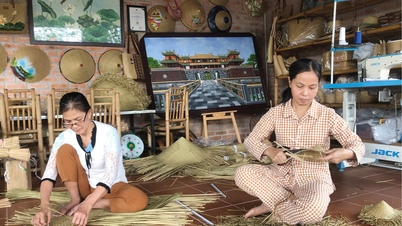
Unpredictable weather has affected the production, income, and livelihoods of farmers. Mr. Hoang Van Dung from Ha Cang village, Dan Dien commune, worried: "Growing vegetables in the summer is like a gamble. Today it's scorching hot, tomorrow it's pouring rain; you never know what will happen."
Currently, units and localities throughout Hue City are working with farmers to restore the rice and crop areas damaged by the recent storms and floods. However, to cope with unusual weather, the first thing is to change mindsets; we cannot continue to be complacent and respond in the same old ways.
Change your mindset regarding response.
It is important to recognize that natural disasters can occur at any time, so the "four on-the-spot" principle needs to be maintained regularly, but it must be adapted in a more proactive and flexible way.
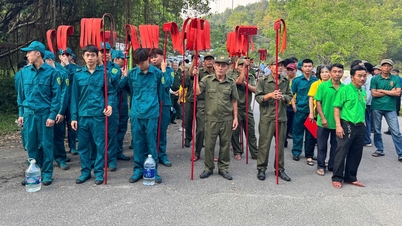
In fact, some localities in Hue City have adopted flexible approaches, such as proactive coordination between the government, forces, and people to organize dredging of canals and clearing of drainage ditches from the beginning of summer; early training on storm and flood prevention for households along rivers, the sea, and lagoons to respond to the risk of sudden floods…
Therefore, weather forecasting and early warning systems need to be given more attention. The application of technologies such as online flood maps, heavy rain warnings via Zalo, text messages, and weather apps should continue to be integrated and disseminated to the public as quickly and effectively as possible. The agricultural sector also needs to guide people in changing crop structures to suit local conditions, selecting rice and other crops that are resistant to flooding and drought to adapt to the environment.
Disaster prevention and response to extreme weather events is not just the responsibility of the meteorological, agricultural, or local government sectors, but requires a coordinated effort from the city level down to the grassroots; from the government to organizations, associations, and the people...
A comprehensive plan for adapting to climate change should not only be a short-term response but also a long-term strategy, with specific solutions such as: developing green and smart cities, upgrading drainage infrastructure, planting more trees, and increasing natural water infiltration spaces such as lakes, ponds, and parks.
“Proactive response doesn’t mean fighting against nature, but rather finding ways to live in harmony, intelligently, and adapt to nature in this changing era. Let’s start with the smallest things: Don’t litter and clog drains; listen to and update daily weather forecasts; learn how to evacuate safely; share information quickly on social media when there are storms and floods. It is these small things that will create a proactive and resilient Hue community in the face of any unusual weather developments,” noted Mr. Nguyen Van Hung, Director of the Hue City Meteorological and Hydrological Station.
Source: https://huengaynay.vn/kinh-te/phong-ngua-mua-bao-tu-som-155351.html
























































Comment (0)