

 |
Nguyen Viet Anh's coffee shop is hesitant to raise prices despite facing rising input costs. |
In the past month, the operating costs of Tiệm Tháng Năm (located on Láng Hạ Street, Láng Ward, Hanoi ) increased by 10%. According to Nguyễn Việt Anh, the founder of the coffee shop, the main reason is the increase in input materials. The price of green coffee beans and brewing ingredients has risen sharply, in addition to fluctuations in transportation and shipping costs.
On a larger scale, Tran Hoang Tien, co-founder of the Bunker chain with 4 branches in Hanoi, also noted a significant increase from suppliers. He said that most raw materials have increased in price by 5-10%, while transportation costs, especially for goods from the South to Hanoi, have also risen.
"We have to spend an additional fee equivalent to 5-7% of revenue, which corresponds to about 15% of profit," Tien told Tri Thuc - Znews.
Similarly, Nguyen Huong Thi's 1500M coffee shop (located on Street No. 3, Lu Gia Residential Area, Phu Tho Ward, Ho Chi Minh City) is also facing a situation where the prices of brewing ingredients, straws, paper cups, transportation costs, and supplies are all increasing simultaneously.
Be cautious about raising prices.
Since the beginning of March, amidst rising raw material and fuel prices, many restaurants and eateries have quickly adjusted their prices upwards. In Ho Chi Minh City, Bo Kho Ganh restaurant - which was honored with the Michelin Guide Bib Gourmand award in 2024 and 2025 - had already adjusted the prices of some dishes before Tet (Lunar New Year).
Similarly, many famous restaurants like Pho Dau and Pho Le have also increased the price of each bowl by about 5,000 - 15,000 VND due to rising costs of ingredients, labor, and operations.
However, coffee shops are more cautious about raising prices.
After careful consideration, Huong Thi's cafe recently increased drink prices by 5-20%. Faced with cost issues such as rising raw material prices, employees from distant locations quitting, and decreased online orders due to increased shipping fees, she needs to balance revenue to cover operating expenses.
"Some ingredients have increased in price by 20-30%, but I don't dare raise prices too much; I still have to bear some of the costs," Thi shared.
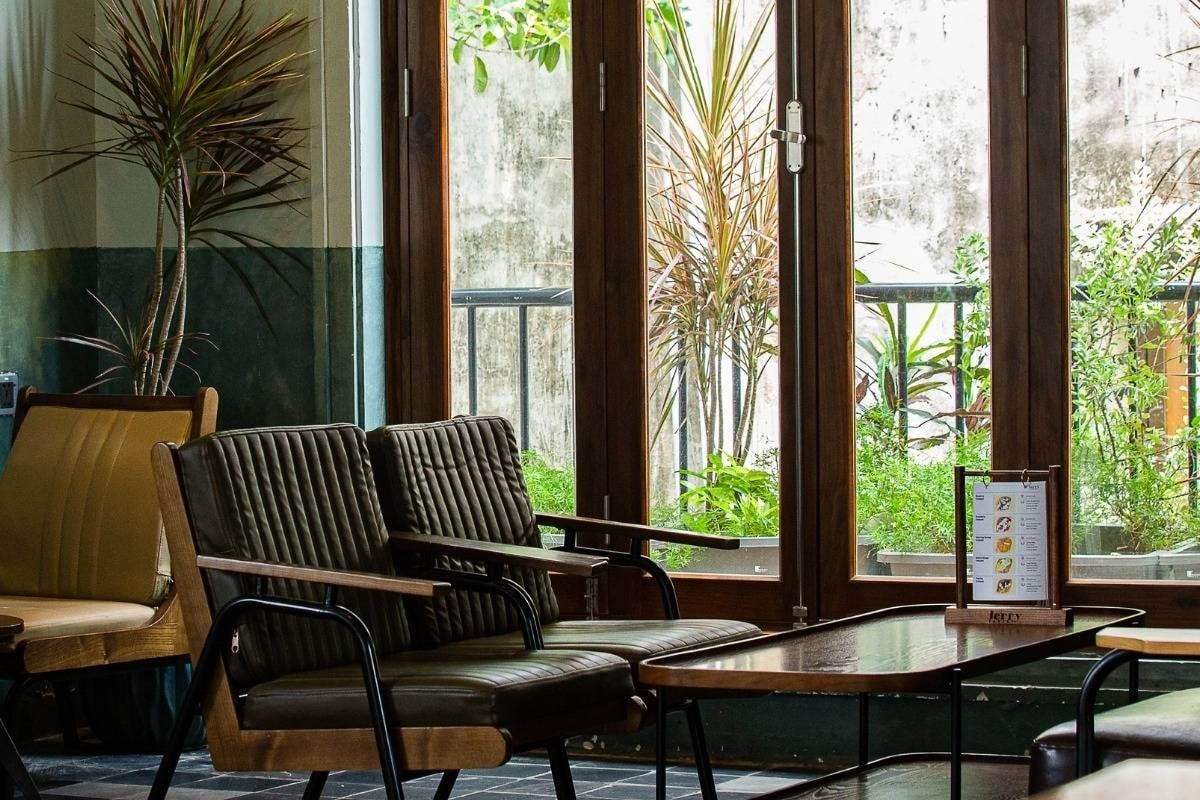
Meanwhile, Viet Anh's shop hesitated to raise prices. According to him, adjusting selling prices is always a sensitive issue in the beverage industry, despite pressure from the input stage.
"Raising prices will affect customer numbers and brand reputation. Coffee isn't an essential daily food like rice or pho; customers might leave with just a 5,000 VND price increase," he said.
 |
Hoang Tien's coffee chain is accepting reduced profits to retain customers. |
This caution is not unfounded. According to the US Federal Reserve (Fed), business prices often have a "lag," meaning they cannot be adjusted immediately to every fluctuation in costs. This is even more evident in the coffee business model, because the price of a cup of coffee depends not only on ingredients but also on rent, labor, utilities, packaging, delivery fees, and the risk of losing customers whenever prices change.
Another obstacle lies in consumer behavior. Coffee is a recurring daily purchase, so customers tend to remember their familiar prices very well. Even a few thousand dong increase can no longer be perceived as a "slight adjustment," but rather as a sign that the shop has "raised prices."
According to the National Coffee Association of America, the percentage of people who only drink coffee brewed at home is increasing from 63% (in 2020) to 71% (in 2025). This figure shows that as prices outside of coffee shops rise, consumers are likely to change their habits to save money.
Similarly, Hoang Tien's coffee chain also decided not to raise prices in order to remain competitive. He said he accepts thinner profit margins at present, but must maintain stable operations and the opportunity to retain customers.
Meanwhile, some smaller establishments have not yet recorded significant changes. Vu Ngoc Anh, owner of two cafes, DEMO Inn & Ine (Hang Chao Street, O Cho Dua Ward, Hanoi) and Bo Day (Dam Trau Street, Hong Ha Ward, Hanoi), said that her suppliers have not adjusted prices, including shipping and raw material costs, so current expenses have not changed much.
Find a way to cope.
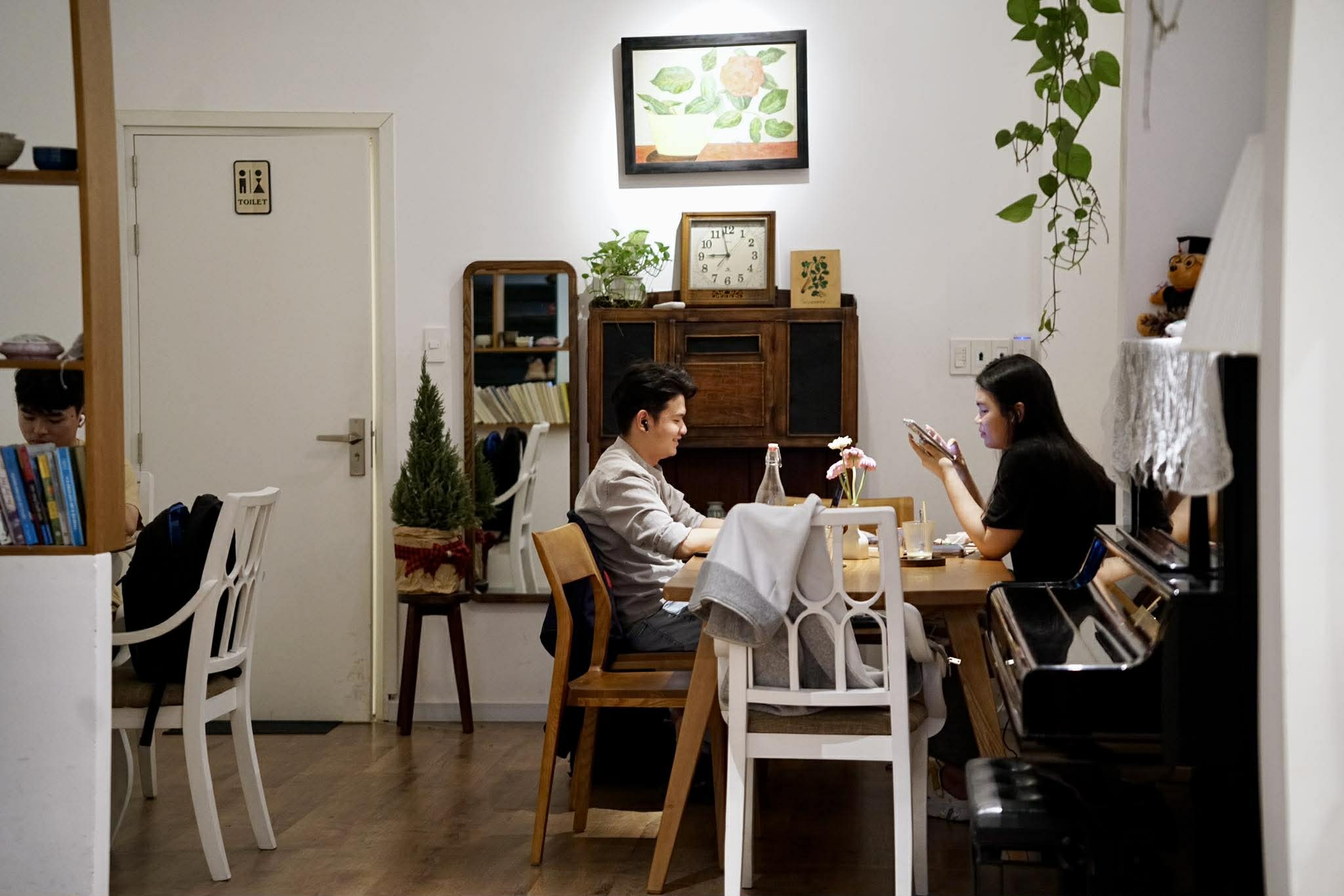
Hoang Tien's coffee chain hasn't raised prices; instead, they've chosen to lower prices on some products. Tien believes this is a way to maintain customer retention in the highly competitive F&B market in Hanoi.
"We shifted to a sales-based mindset to survive," he said.
This means that the workload for the staff increases, from bartending to serving and management, in order to ensure service quality while customer numbers tend to rise.
With a business model consisting of only one restaurant, Viet Anh stated that further reductions in operating costs are impossible. Therefore, at this time, he accepts the fact that the restaurant's profits will decrease.
 |
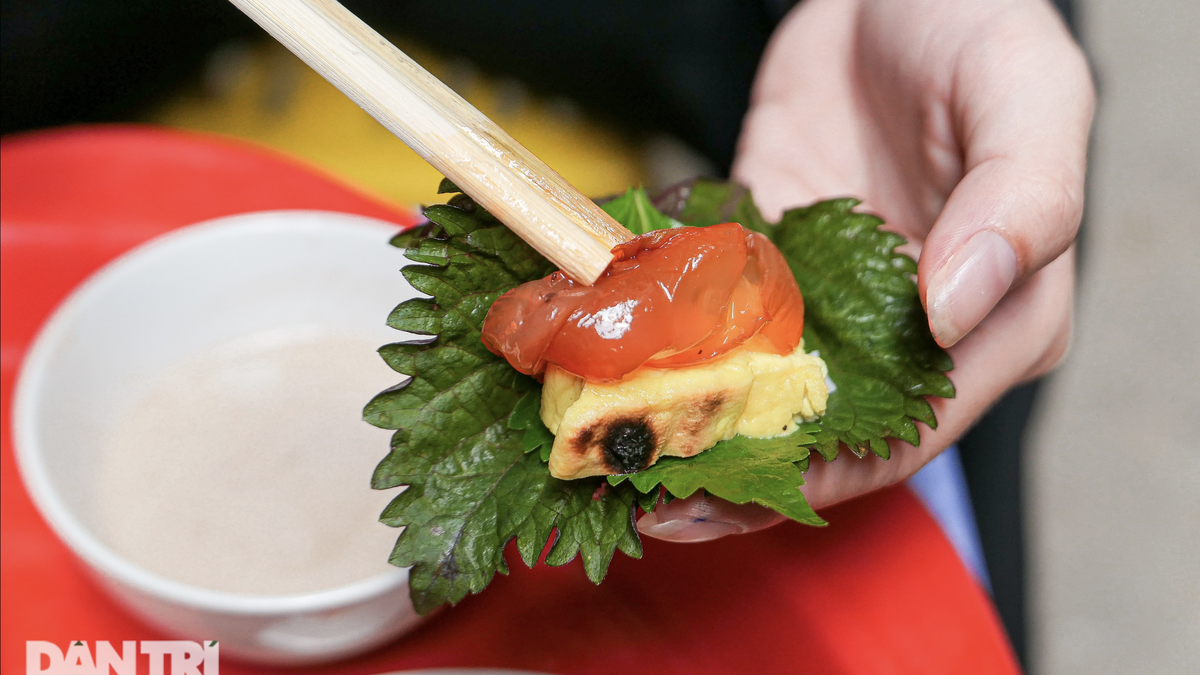
Nguyen Huong Thi chose to research and change the menu in order to reduce costs and increase revenue. |
From an international perspective, the issue of adjusting coffee shop prices is viewed quite realistically. According to Darleen Scherer, founder of the coffee consulting company Black Shee , when adjusting prices, coffee shops should not only look at how much the costs increase, but also consider whether customers will accept the new price.
The important thing is whether that price still feels "worth the money" in the eyes of the customer. In addition, the restaurant also needs to consider how to communicate the reason for the price increase, because when the information is transparent, the level of acceptance from buyers is usually higher.
Source: https://znews.vn/quan-ca-phe-chat-vat-post1637967.html


























































































Comment (0)