Connect
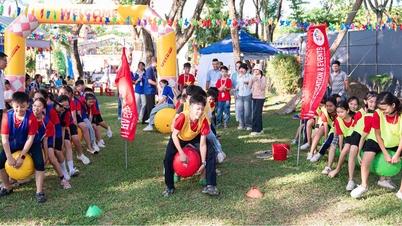
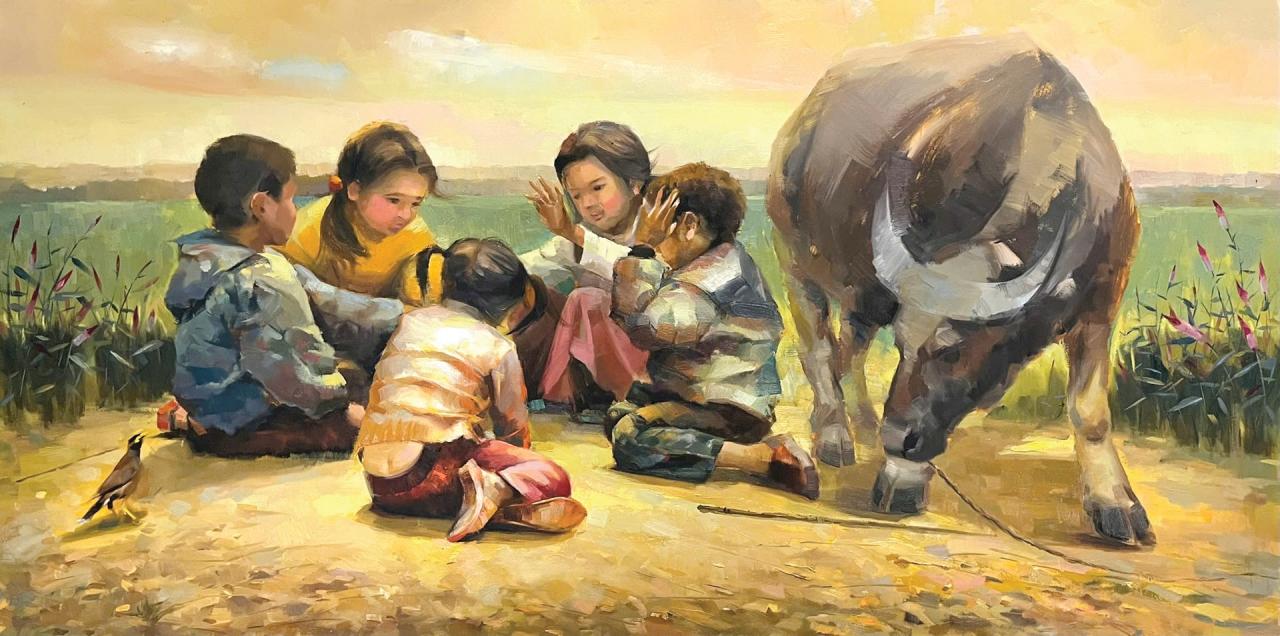
Ha Chau, a young artist from Quang Nam province, boasts a substantial collection of awards. One day in January, he unveiled his first painting of the new year, depicting children playing traditional games in the fields.
Art is always a continuation. Successful experiments are always rooted in national traditions, even if only unconsciously. Painting conveys emotions through sight and evokes memories through the ambiguity between reality and illusion. Therefore, paintings inspired by folk sensibilities always bring a sense of peace, due to the familiarity of memory and the wonder of the artist's perception.
Folk-inspired art is not a recent phenomenon. In contemporary Vietnamese painting, many artists directly use images from folk art to create their works. Experts believe that folk inspiration in Vietnamese paintings reflects a connection to culture, history, and traditional customs. Images, colors, and elements of folk life are explored from every perspective.
One can begin with Dong Ho paintings – a folk art style created by artisans from Dong Ho village, featuring paintings of "Tet" (Lunar New Year), "Lion Dance," "Civil Servant, Official, and Fortune," or "Yin-Yang Pig" – depicting traditional activities of Northern Vietnam. Moving through Bac Ninh province and closer to the capital, one discovers Hang Trong paintings – an indispensable part of Vietnamese folk art.
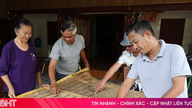
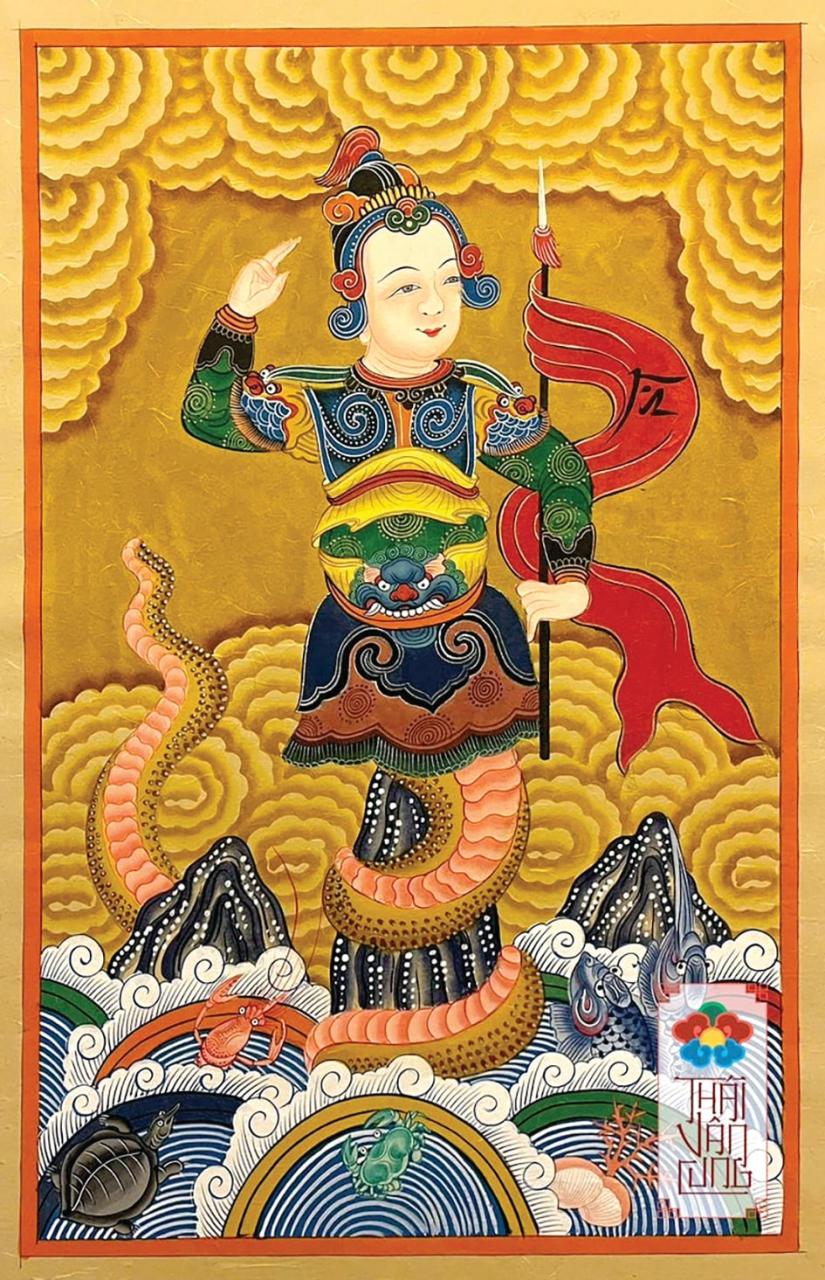
Hang Trong paintings are notable for their illustrations of fairy tales and folk legends, such as images of the Kitchen God and the Stove God, symbolic animals like dragons and phoenixes, and distinctive Tet (Lunar New Year) paintings. Hang Trong paintings often use bright, vibrant colors and stylized imagery.
Collector Si Moc, with his vast collection of religious paintings, ceramics, and antiques, says that the artifacts he possesses "belong to the viewers and the traditional culture that our ancestors left behind to this day." Preserving these "heritages" also means extending the sacred value of our roots.
...and continue
Beyond painting, folk inspiration is being applied to many other art forms. Coconut paper paintings – a unique product of Le Thanh Ha – have for many years chosen a path of development by returning to their "origins" – honoring purely Vietnamese indigenous values. By selecting images of Vietnamese folk life and incorporating them onto this special paper material, the images and patterns of coconut paper paintings evoke emotion in viewers. Products made from coconut paper in all forms, including paintings, lamps, and decorative items, subtly reflect the folk traditions of Vietnam.
This Lunar New Year (Year of the Snake), art enthusiasts are marveling at a collection of folk paintings featuring snakes by artist Nam Chi, with the first painting inspired by the folk game "Dragon and Snake Climbing to the Clouds." Alongside this, Nam Chi consulted with artisans of the Hang Trong painting style and thoroughly researched folk art and carvings on village communal houses. Combining this with the application of folk painting techniques, Nam Chi is gradually bringing the spirit of this traditional art form into his works, creating a sensation among folk art lovers.


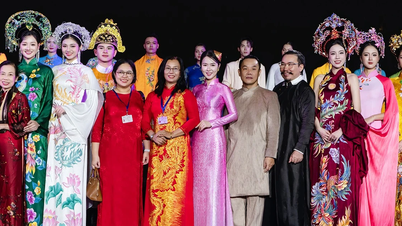
And these creations, built upon a foundation of continuity, unfold day by day. Art is born from art. Drawing inspiration from children's games like kite flying, firecrackers, and hopscotch, interspersed with images of the countryside with fields and canals, designer Phan Dang Hoang's "A Dose Of Yoy" collection has been highly praised by fashion enthusiasts. Similarly, this year, the To He brand continues to establish itself with calendars and ao dai (traditional Vietnamese dresses) inspired by folk life and culture.
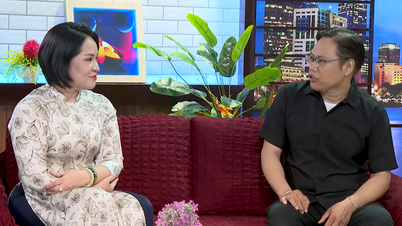
Returning to my conversation with Ha Chau, I envisioned his folk-inspired drawings as opening a "dialogue" in art – between young people and Vietnamese identity. Of course, respecting identity always leads to deeper understanding...
Source: https://baoquangnam.vn/quay-ve-cam-hung-dan-gian-3150458.html