

My family has a habit of freezing food to cook gradually. Could you please advise on the safest way to thaw frozen food before use? (Han, 30 years old, Ho Chi Minh City)
Reply:
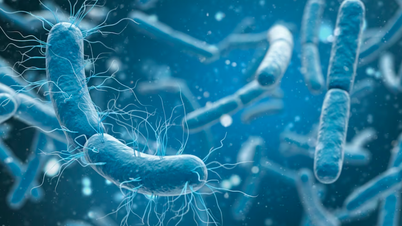
Fresh food left at room temperature easily creates conditions for bacteria to grow. In food processing, there's a concept called the "danger range," which is the temperature range of 8-63 degrees Celsius. Freezing doesn't kill bacteria; it only prevents their growth. Therefore, the thawing process easily creates conditions for bacteria to multiply within this temperature range. With large quantities of food frozen for later use, we need to pay attention to ensure a safe thawing process.
The most common method is thawing in the refrigerator's chiller compartment. Food should be placed on the lowest shelf to prevent condensation from dripping onto other foods.
For urgent defrosting needs, a microwave is a useful option. Before placing items in the microwave, remove any unsafe packaging such as polystyrene trays, plastic wrap, or cardboard boxes.
To avoid contamination, food should be placed in microwave-safe containers. To prevent leakage during thawing, use containers with lids and vents. Heat will have difficulty penetrating the entire mass of food being thawed, so it's necessary to stir and turn the food.
Another fairly common thawing method is using cold water. However, this method can easily expose food to dangerously high temperatures (favorable for bacterial growth). When using this method, you need to use a clean basin or sink and completely submerge the entire food item in water.
Food should be wrapped in waterproof, leak-proof packaging to prevent contamination. The thawing process should only take about 2 hours or less to avoid exposing food to dangerous temperatures (8-63 degrees Celsius). Even food wrapped in waterproof packaging can still harbor bacteria on the surface of the sink. Therefore, the sink should be cleaned after thawing.
Food that has been thawed should be cooked within the first 24 hours; if it cannot be cooked immediately, it should be stored in the refrigerator.
For pre-cooked meals that need to be frozen for later use, divide the food into smaller portions sufficient for one meal. Ideally, store them in glass containers and thaw each portion in the microwave before eating.
Doctor Pham Anh Ngan
University Medical Center of Ho Chi Minh City - Branch 3
Source link





















































































Comment (0)