

 |
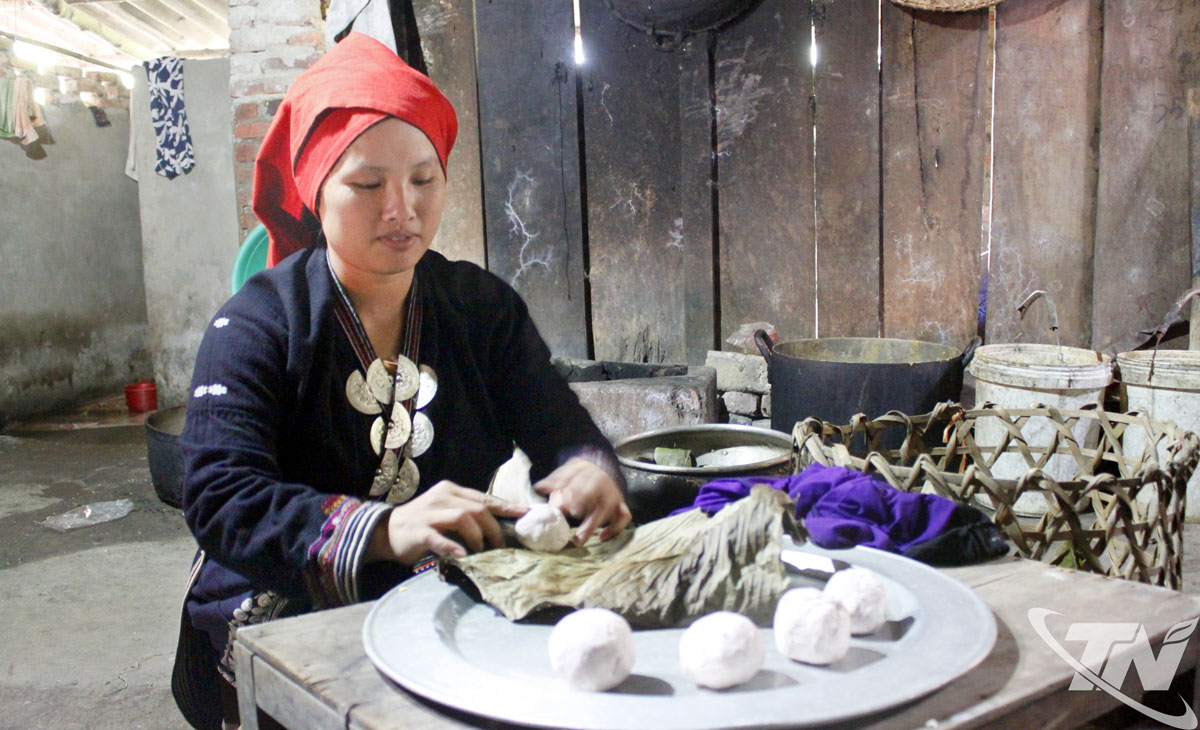
From the beginning of the seventh lunar month, ethnic minorities in many localities are busy preparing to celebrate the full moon. For the Dao Tien people, the full moon of the seventh lunar month is also considered a New Year's festival.
In Bản Bung, before the full moon, the yards of families are covered with drying lines of banana leaves. The elders in the village recall that in the past, to prepare for the full moon of the seventh lunar month, people had to start working a month in advance. When the harvest season ended, the men in the village would go to the forest to gather firewood, while the women would collect banana leaves and dry them in time for making the cakes.
By the 13th day of the 7th lunar month, preparations must be complete, because from the 14th onwards, people begin celebrating the full moon festival, and on the 15th they will visit their maternal grandparents' home. From the afternoon of the 13th, every household starts wrapping rice cakes and making soaked rice noodles. Besides familiar types of cakes like mugwort leaf cakes, banana root cakes, and thorn cakes, sticky rice cakes (bánh chưng) are indispensable during the full moon festival here.
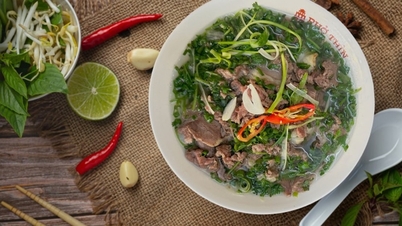
On the 14th, small families gather at the ancestral shrine to celebrate the full moon. Unlike many places, the people here don't eat duck meat but instead eat rooster meat and fish noodle soup. The fish, caught from the stream the previous afternoon, is grilled over charcoal early the next morning, chopped finely, and stir-fried with spices until fragrant before being used as a filling for the noodle soup served with chicken broth. This is a special dish that the Dao Tien people eagerly await on the full moon of the seventh lunar month every year.
On the 15th day of the lunar month, families begin their journey to their maternal grandparents' homes early in the morning. The Dao people believe that the 15th day of the seventh lunar month is the most important occasion of the year for married daughters to return home to visit their parents, show filial piety, and strengthen family bonds. This is a time of leisure after the harvest, allowing daughters to stay longer at their parents' home, spending time together and sharing stories about their work and lives.
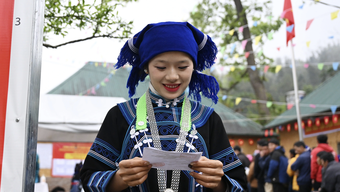
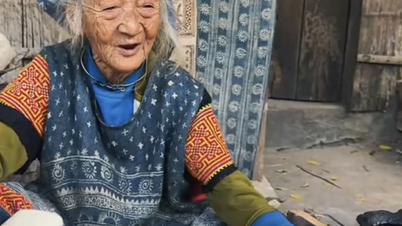
The gifts brought to the maternal grandparents' house are always a fat rooster, a pair of sticky rice cakes (bánh chưng), and a pair of banana cakes (bánh chuối). In addition, the daughter will bring back a piece of indigo-dyed cloth as a gift for her mother. It's a special gift; the indigo color symbolizes longevity, and the cloth, woven and dyed by the daughter's own hands, is filled with love and gratitude for her parents.
For married daughters, the Mid-Autumn Festival (the 15th day of the 7th lunar month) is the occasion to return to visit their parents and stay the longest in the year, so the preparations are always thorough and full of excitement.
Upon arrival, the son-in-law will slaughter a chicken and set up an offering to the ancestors, announcing that he, his wife, and their children have returned home for a visit, wishing for peace, good health, and prosperity in their business.
Ms. Trieu Thi Huyen, a resident of Ban Bung village, shared: "That was many years ago. Now life is more prosperous, and we no longer have to prepare everything ourselves. However, the villagers still maintain many old customs, the only difference being that instead of indigo-dyed cloth, the gifts are now more practical items like clothes and household goods..."
For the Dao Tien people, the Mid-Autumn Festival in the seventh lunar month is not only a time for family reunions and showing filial piety to ancestors, but also a way for the community to preserve customs and cultivate identity amidst the modern world. From the communal meal to the tradition of gift-giving, from the sticky rice cake to the bowl of fish noodle soup, everything embodies the meaning of connection, ensuring that with each passing Mid-Autumn Festival, Dao Tien culture continues to flourish and shine.
Source: https://baothainguyen.vn/van-hoa/202509/ram-thang-bay-o-ban-bung-dbe6fbe/

































































Comment (0)