


Assoc. Prof. Dr. Nguyen Quang - Director of the Center for Andrology, Viet Duc Friendship Hospital.
Associate Professor, Doctor Nguyen Quang - Director of the Andrology Center, Viet Duc Friendship Hospital - stated that erectile dysfunction (ED) is a multifactorial disease, simultaneously involving the vascular, nervous, endocrine, metabolic, psychological, and lifestyle systems. In many patients, ED is not due to a single cause but is the result of multiple mechanisms working together.
The relationship between testosterone and erectile mechanism
According to recommendations from various professional societies such as the European Urological Association (EAU) and the American Urological Association (AUA), testosterone plays a crucial role in male libido, while the process of erection largely depends on the activity of the nervous and vascular systems.
When sexually aroused, the body releases nitric oxide (NO) in the corpus cavernosum. This substance helps relax smooth muscles and increase blood flow to the penis to create an erection. Testosterone does not directly cause an erection but plays a supporting role in maintaining libido, vascular endothelial function, and the activity of the NO–cGMP system.
Therefore, a person with normal testosterone levels can still develop RLCD if there are problems with the vascular or nervous systems. Conversely, not all cases of low testosterone cause noticeable RLCD.
Associate Professor Dr. Nguyen Quang shared: "Many men today tend to equate testosterone with sexual ability. In reality, testosterone is like the 'energy source' of sexual activity, while erection depends greatly on the quality of the vascular and nervous systems."
According to him, in many cases, men still have libido but cannot maintain an erection due to vascular damage or neurological disorders. Conversely, some patients with low testosterone primarily experience decreased libido rather than a complete loss of erectile function.
When does low testosterone cause erectile dysfunction?

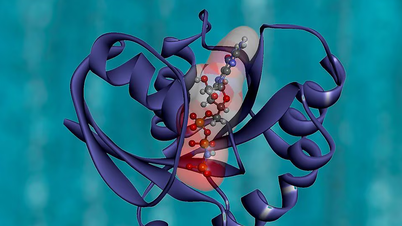
Testosterone plays a very important role in male libido. (Illustrative image.)
Testosterone deficiency can actually affect erectile function through several mechanisms, such as reducing libido, affecting the vasodilation necessary for erection, causing decreased energy, reduced arousal, and making the body less responsive to sexual stimuli.
In some patients with significantly low testosterone, this condition may reduce the response to PDE5 inhibitor erectile dysfunction medications (the first-line treatment for erectile dysfunction currently available).
According to international recommendations, testosterone deficiency is typically considered when total testosterone is below approximately 300 ng/dL (≈10 nmol/L) and is accompanied by consistent clinical symptoms such as:
- Reduced libido;
- Prolonged fatigue;
- Muscle mass reduction;
- Increased belly fat;
- Reduce energy;
- Decreased erectile function.
Associate Professor Dr. Nguyen Quang emphasized: "It's not the case that low testosterone levels in tests necessarily require immediate treatment. The important thing is to simultaneously assess clinical symptoms, age, underlying diseases, cardiovascular risk, and the patient's reproductive needs."
According to him, in modern andrology practice, testosterone is not a "male enhancement drug" as many advertisements currently claim. The use of testosterone replacement therapy (TRT) requires clear indications and close professional monitoring.
Other "hidden culprits"

Associate Professor, Doctor Nguyen Quang provides advice on men's health issues.
Clinical data show that the majority of erectile dysfunction cases originate from or are concurrently related to vascular and metabolic disorders, while endocrine causes, including testosterone deficiency, account for only a smaller proportion. Diseases such as hypertension, diabetes, dyslipidemia, and obesity can damage the vascular endothelium, reducing blood flow to the penis and causing impaired erectile function.
Associate Professor Dr. Nguyen Quang stated: "Erectile dysfunction is sometimes an early warning sign of systemic cardiovascular disease. Many patients come for examination due to erectile dysfunction but are later found to have hypertension, diabetes, or atherosclerosis."
In addition to vascular factors, nerve damage from pelvic surgery, Parkinson's disease, herniated discs, or spinal cord injuries can also affect erectile function.
Psychological factors are also becoming increasingly common, especially among young men. Prolonged stress, insomnia, anxiety, depression, or pressure to achieve sexual performance can increase sympathetic nervous system activity, causing vasoconstriction and directly affecting the erection process.
Associate Professor Dr. Nguyen Quang shared: "Currently, we encounter quite a few young men with completely normal testosterone levels but still experiencing RLCD due to prolonged stress, work pressure, insomnia, or anxiety about sexual performance."
Modern lifestyles such as smoking, alcohol abuse, late nights, lack of exercise, and obesity also contribute to an increased rate of RLCD in young men. In addition, some medications for high blood pressure, antidepressants, or tranquilizers can also affect sexual function.

Scientific approach to treatment
According to current guidelines, treatment for RLCD should be individualized and holistic, rather than focusing solely on testosterone or erectile dysfunction medications.
The patient needs to be evaluated:
- Clinical symptoms;
- Hormone testing should be done at the right time.
- Blood sugar, blood lipids, blood pressure;
- Cardiovascular health;
- Psychological factors and lifestyle.
In addition to medication, lifestyle changes play a crucial role. Losing weight, exercising regularly, getting enough sleep, managing stress, and quitting smoking can all significantly improve erectile function and overall sexual health.
If the primary cause is related to:
- Testosterone deficiency: TRT may be considered when indicated.
- Vascular disorders: PDE5 inhibitors are usually the preferred choice, unless contraindicated and after cardiovascular risk assessment.
- Psychological factors: A combination of psychological counseling and behavioral modification is needed.
According to Associate Professor Dr. Nguyen Quang: "Effective treatment of erectile dysfunction is not simply a matter of prescribing a pill to support erection. More importantly, it is necessary to identify the underlying causes, ranging from metabolic, endocrine, and psychological factors to cardiovascular health."
According to him, modern andrology is shifting from a symptom-based treatment model to a comprehensive and individualized sexual health care model.
Erectile dysfunction is not simply a matter of "testosterone levels," but rather a reflection of a man's overall health. Understanding the true nature of the problem will help men avoid misusing unproven "testosterone-boosting" products and approach treatment in a more scientific, safe, and effective way.
Source: https://suckhoedoisong.vn/roi-loan-cuong-duong-co-phai-do-testosterone-thap-169260523185928517.htm















































































































Comment (0)