


At the point where the Red River flows into Vietnamese territory
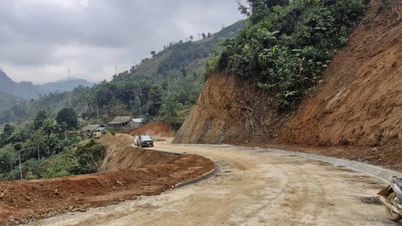
It had been a long time since I last returned to Lung Po village (A Mu Sung commune). To my surprise, the narrow road leading from the Lung Po flagpole – where the Red River flows into Vietnam – to this small village has been widened and paved with concrete. From afar, it looks like a soft silk ribbon, like that of fairies strolling through the mortal world and then leaving it behind, carried away by the wind across the mountainside.
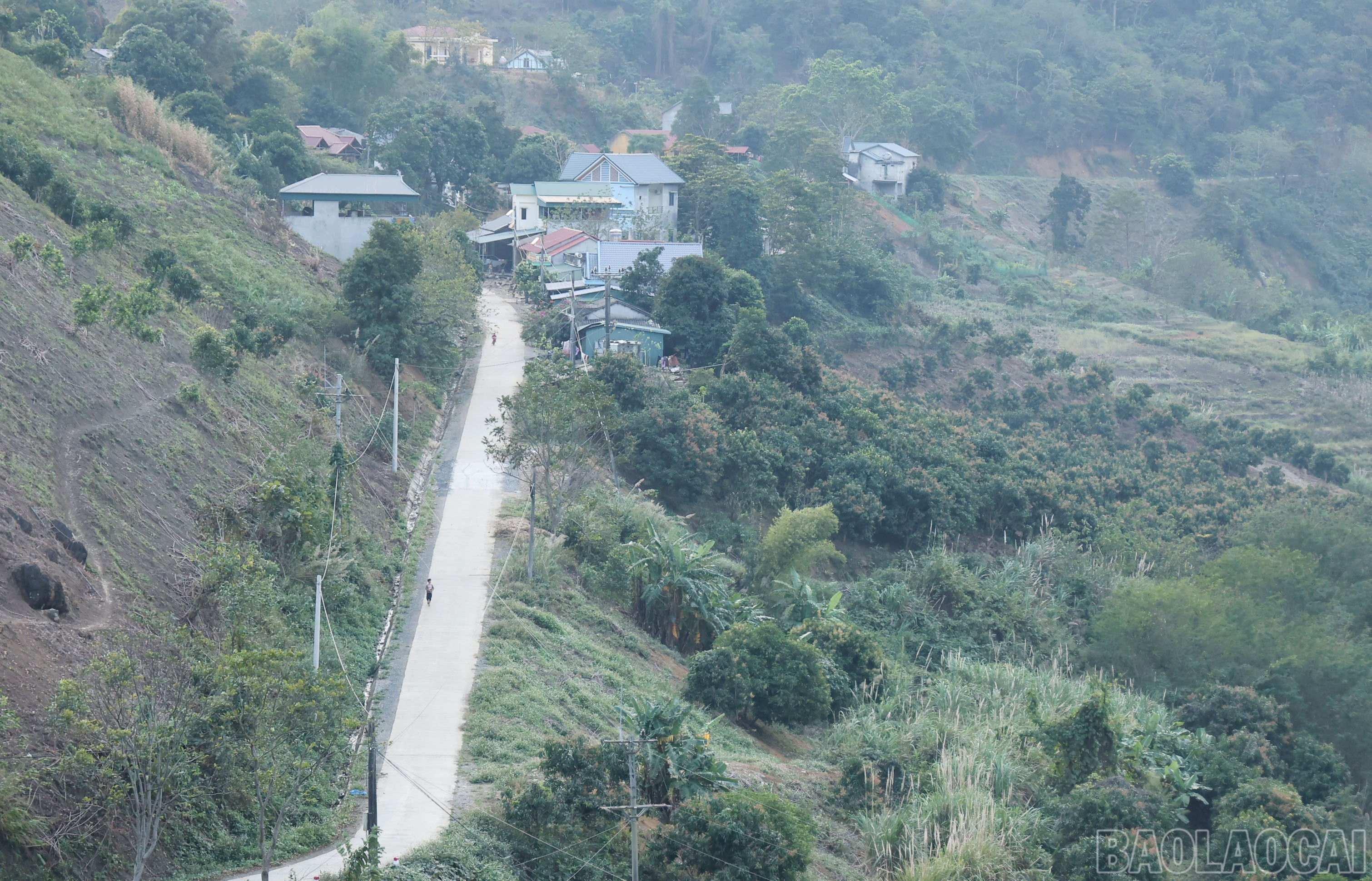
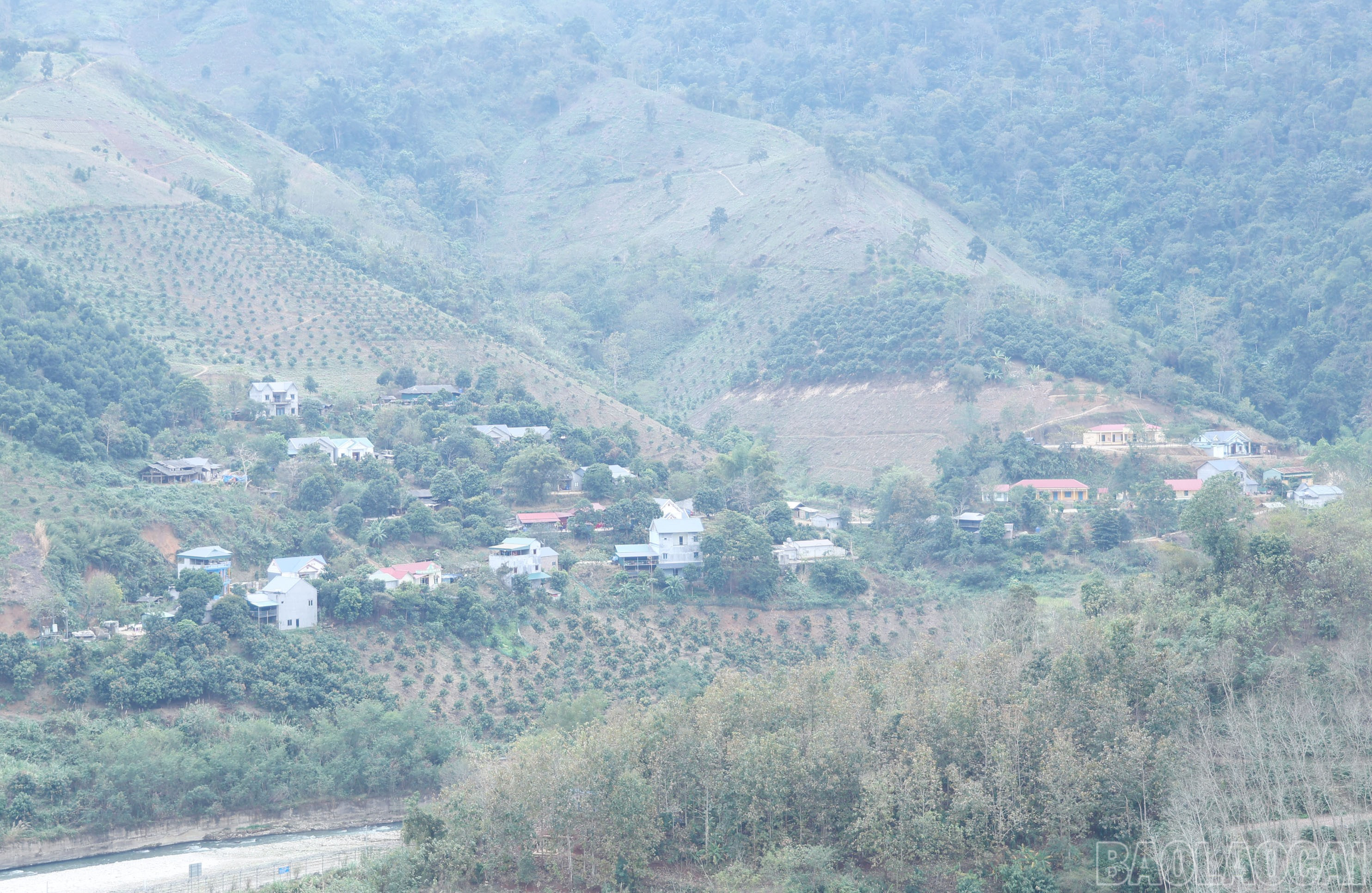
Winds from the Red River border, deep in the valleys, blow up, swaying the clusters of pale yellow mango blossoms, like thousands of sparkling granite stones attached to their purplish stems.
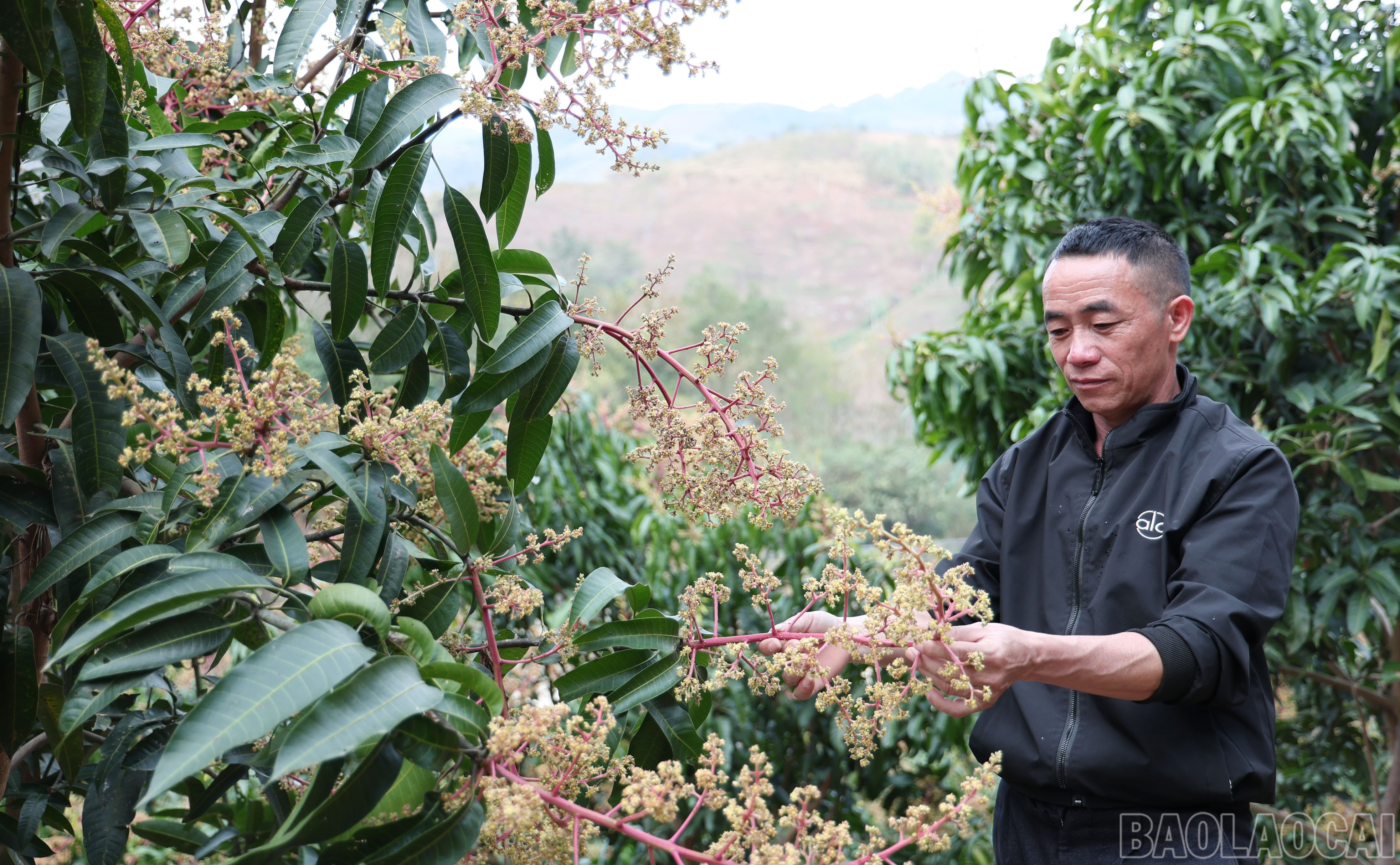
Along the road into the village, on the right are lush green mango hills, while on the left are newly planted pineapple hills beginning to take root, eagerly awaiting each drop of spring rain to nurture a season of sweet fruit.
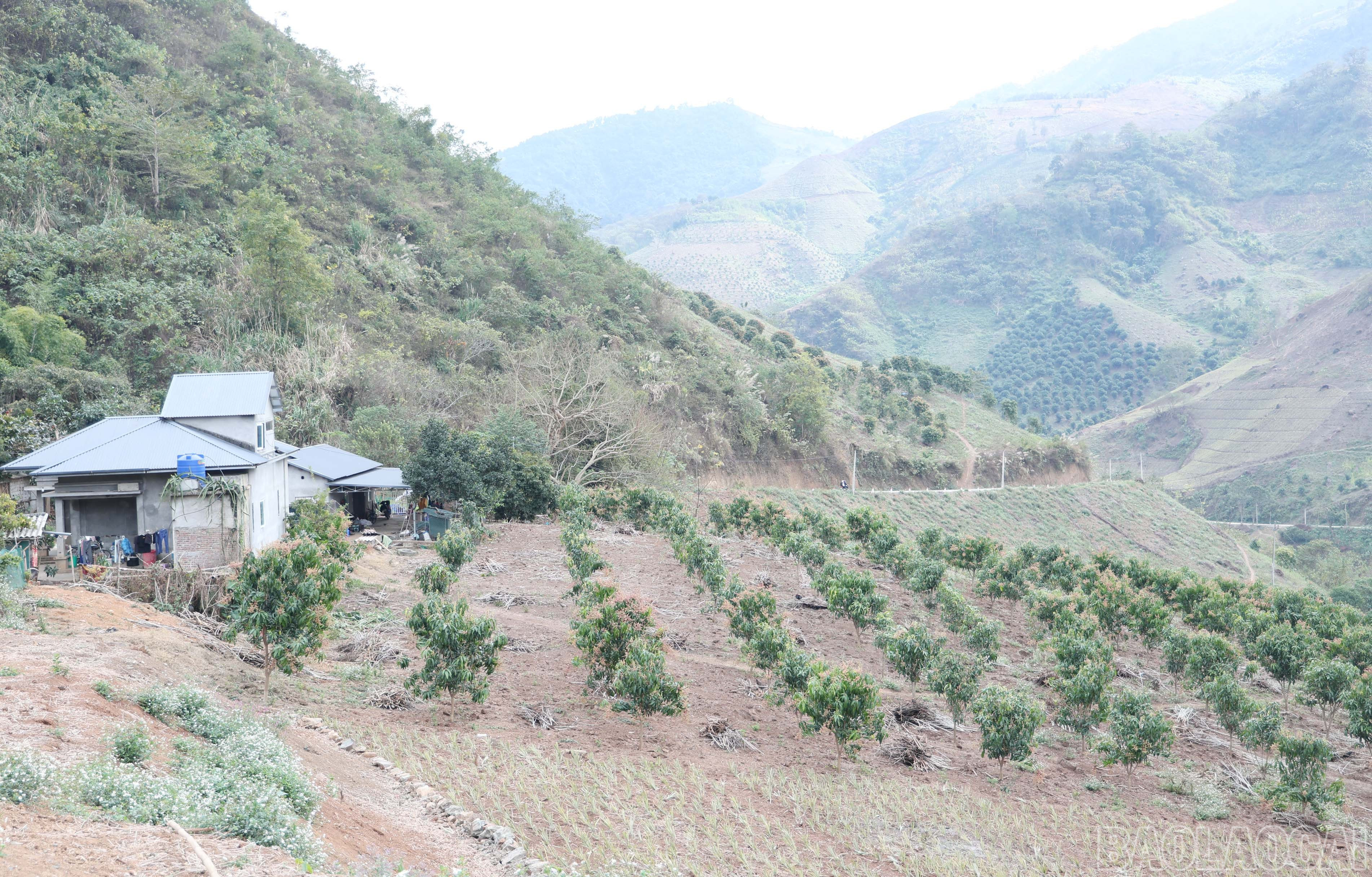
The people of Lung Po village once transformed their lives thanks to banana trees. Due to the growth characteristics of this type of tree, after a certain period, the trees become infected with diseases, resulting in low yield and quality. Therefore, the people of Lung Po village proactively and quickly switched to growing other crops such as oranges, mangoes, and pineapples.
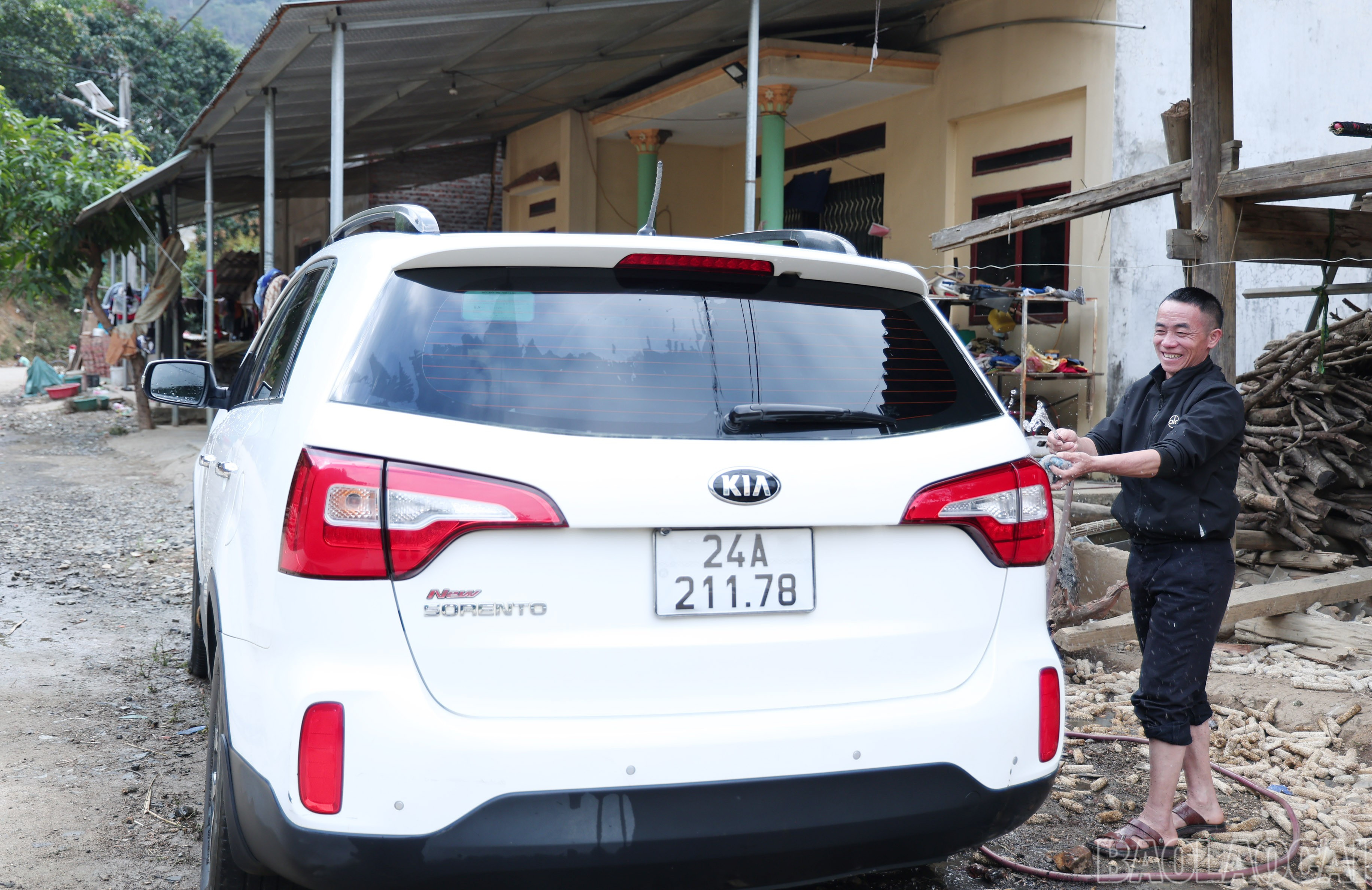
Stopping at the home of the village Party Secretary, Mr. Ma Seo Lang, I met Mr. Ly Seo Phang who was meticulously tending to his car, preparing for a Tet holiday trip.
While washing his car, Mr. Phảng enthusiastically said, "Most of the money to buy this car came from banana trees!" Then he recounted that his family used to grow about 7,000 banana trees, earning several hundred million dong each year. When the banana trees were affected by pests and diseases, the economic efficiency decreased, so he quickly switched to growing mangoes.
Currently, his family owns about 2,000 mango trees that are now in their seventh year and are in the "golden" period of harvest. Last year, his family earned nearly 200 million VND from selling mangoes. This year, if prices are good and the weather is favorable, the expected income will be even higher.
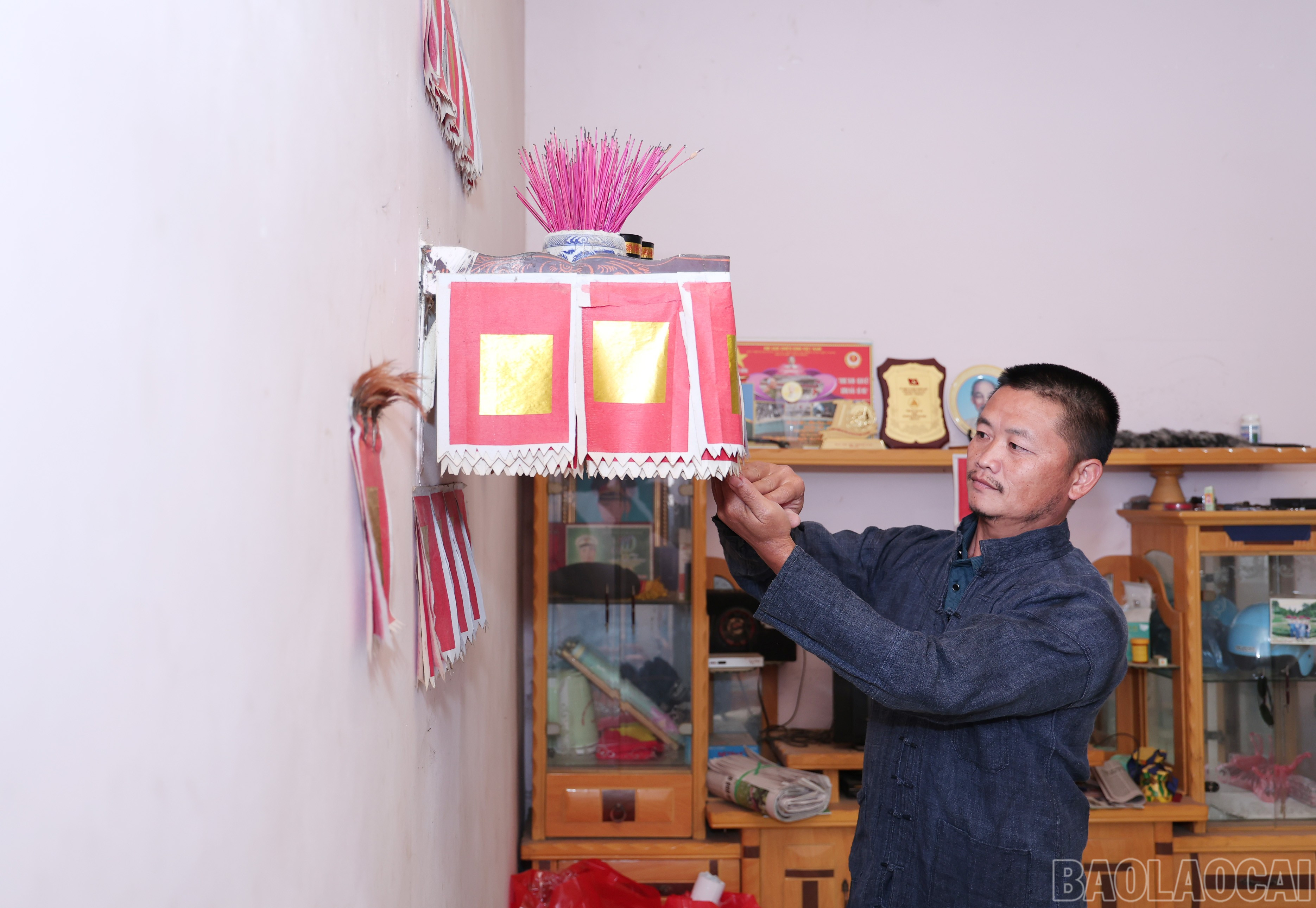
The Party Secretary of Lung Po village, Mr. Ma Seo Lang, affirmed that many households in the village have become wealthy thanks to banana cultivation, typical examples being the families of Mr. Ly Seo Phang, Mr. Lu Seo Tin, Mr. Lu Seo Pao, Mr. Ly Seo Phu, etc.
One distinguishing characteristic of the people of Lung Po village is their high level of initiative in finding new crops to cultivate on their homeland's land, aiming to improve economic efficiency. A clear example is the complete replacement of banana trees with oranges, mangoes, and pineapples.
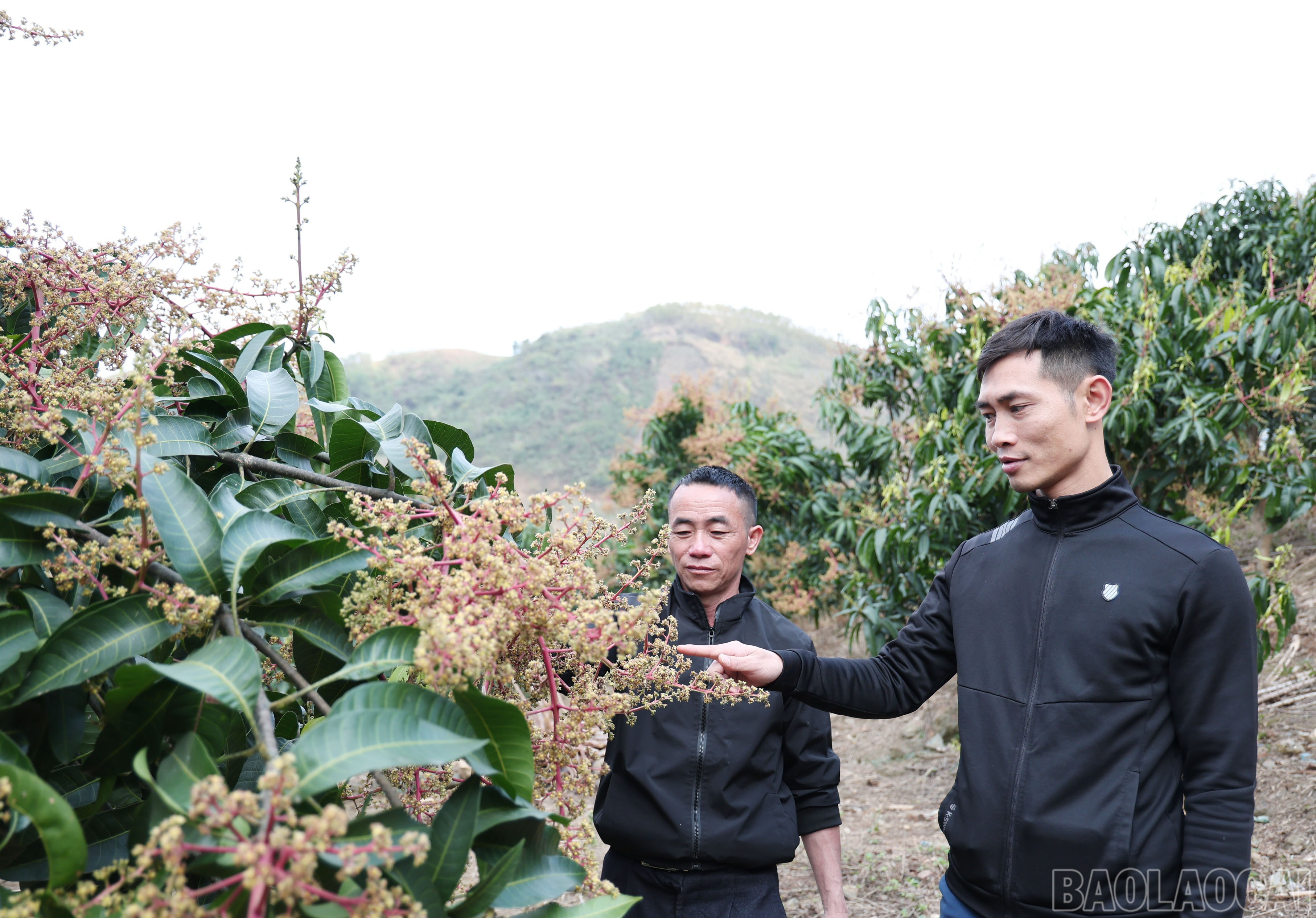
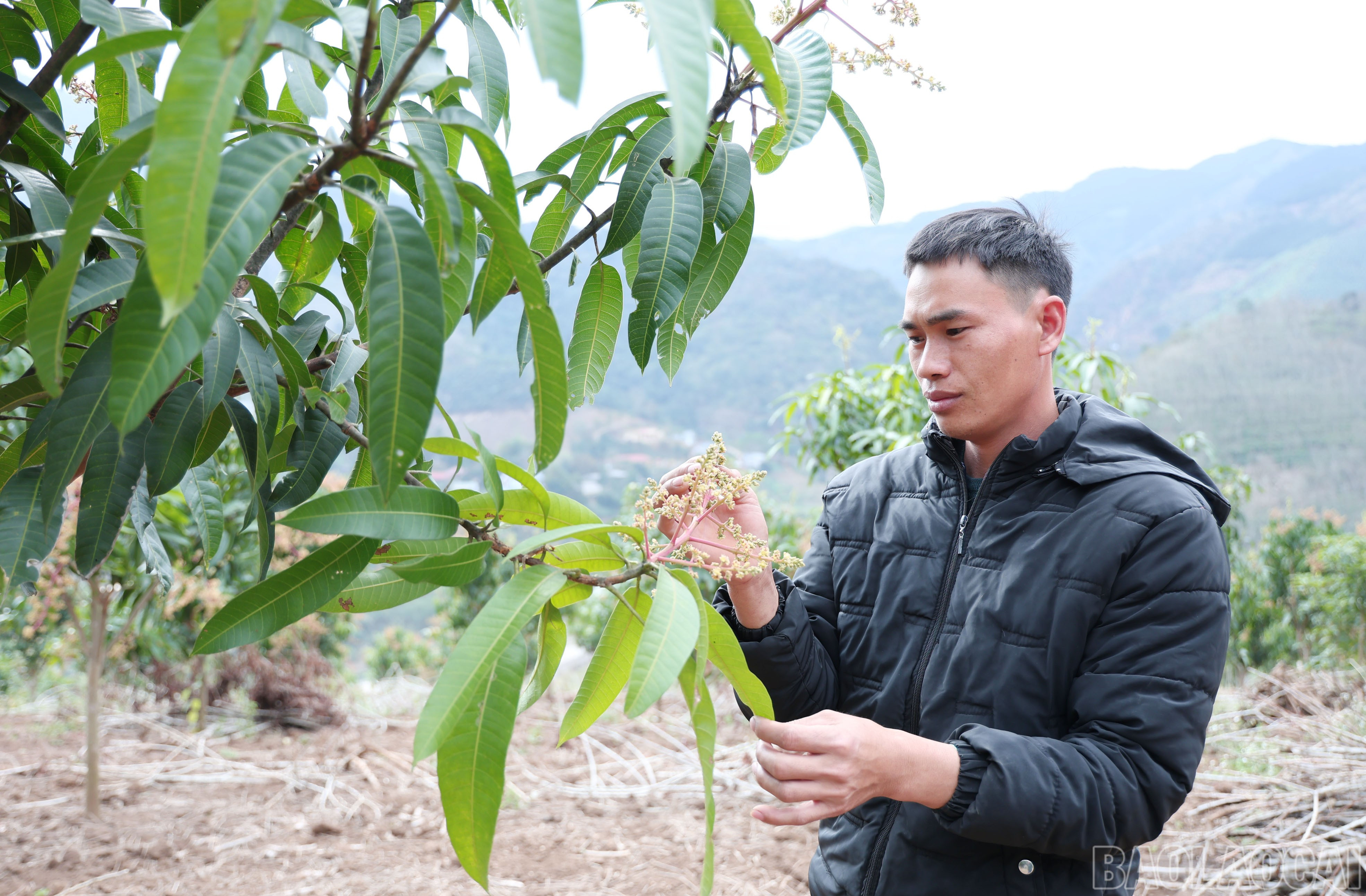
Walking under the mango trees lining the hillside, the village Party Secretary, Mr. Ma Seo Lang, informed us that the village has 87 households, of which 45 are Mong ethnic people and the rest are Dao ethnic people. Currently, the villagers cultivate 20 hectares of mangoes and 12 hectares of oranges; they aim to plant 10 hectares of pineapples in 2026, having already planted 6 hectares. Some households have also started planting cinnamon. With the diversification of crops and active labor and production, it is believed that the economy of the people of Lung Po village will continue to develop even more strongly in the future.
Spring Road
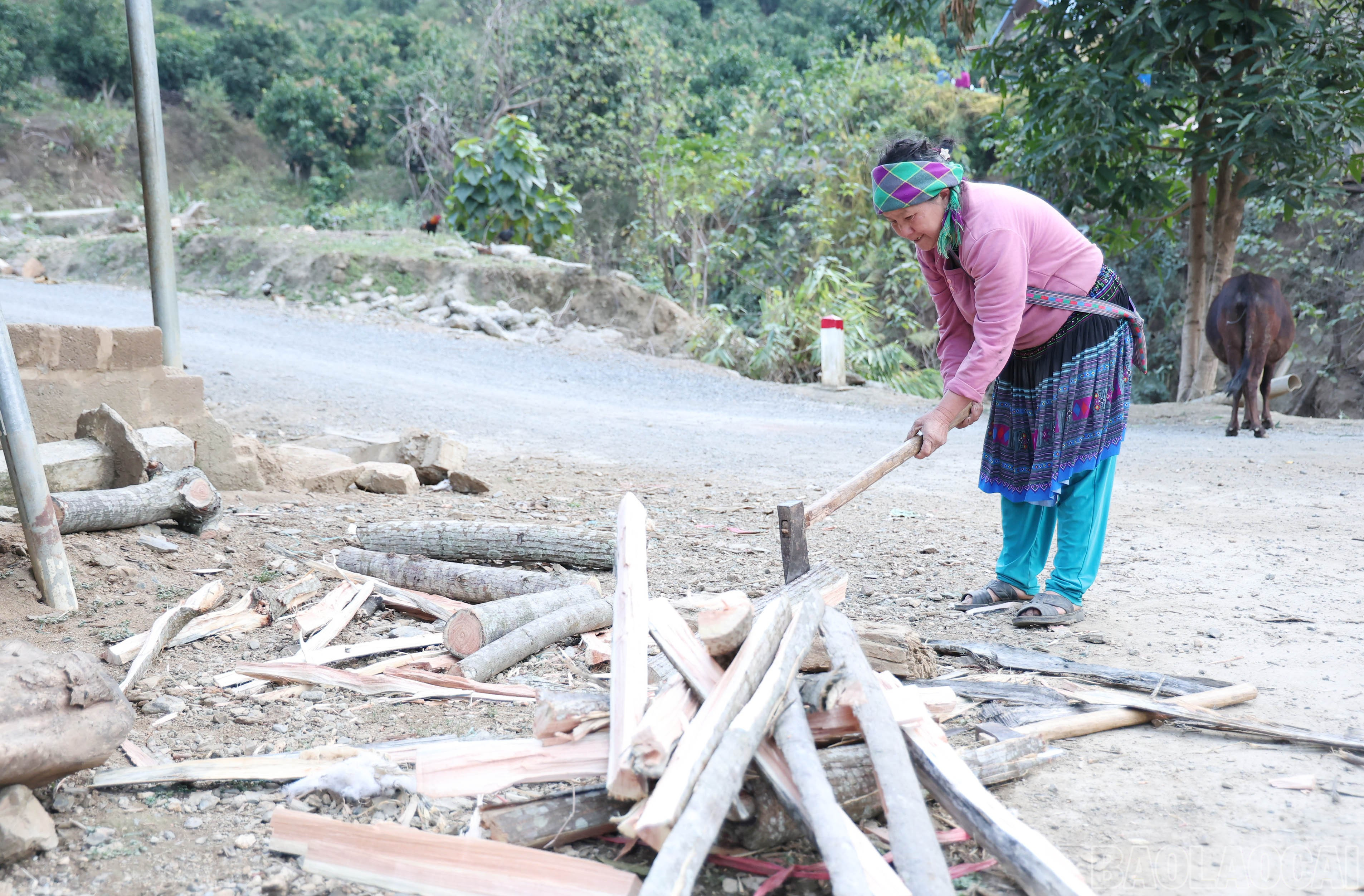
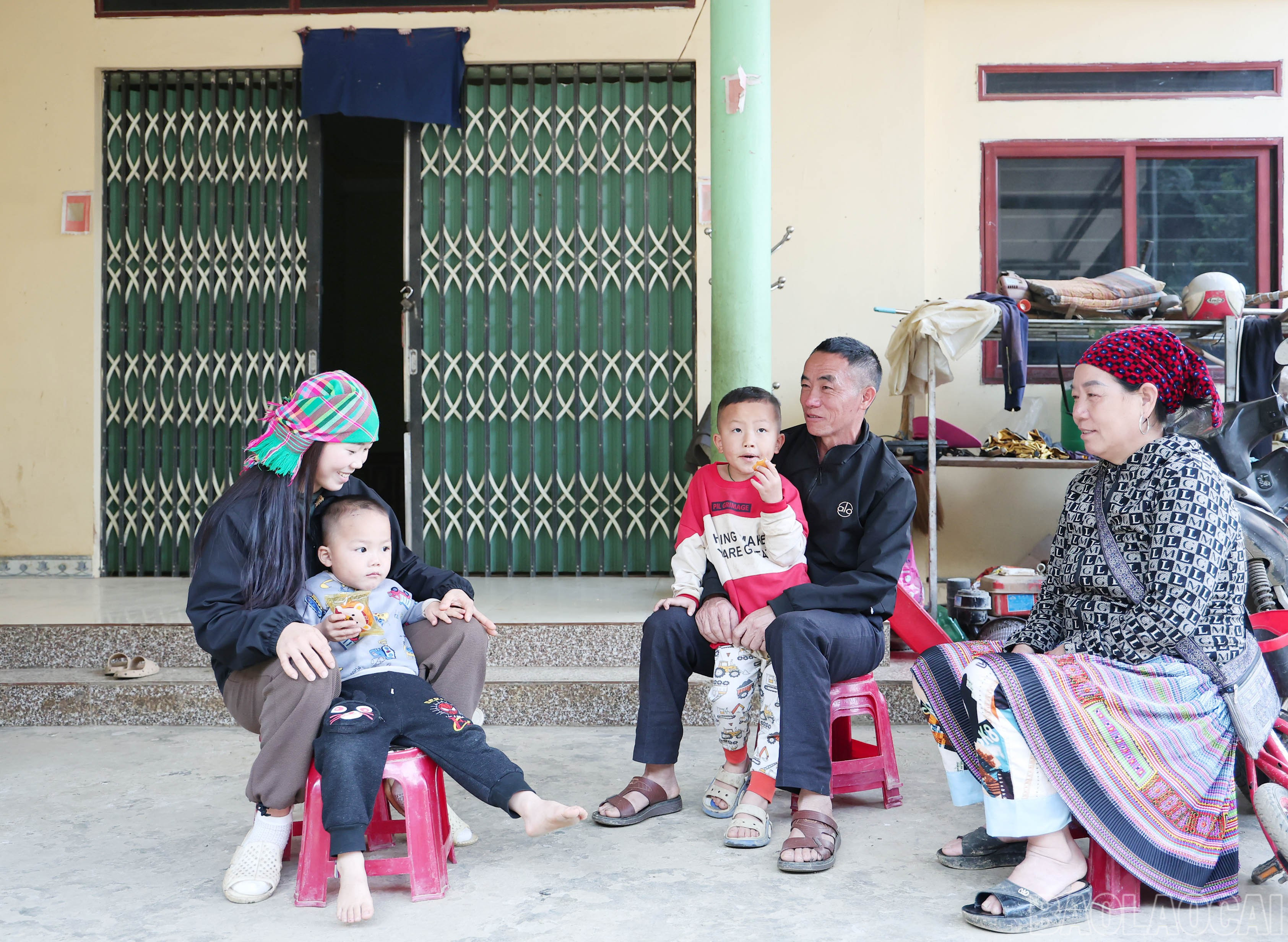
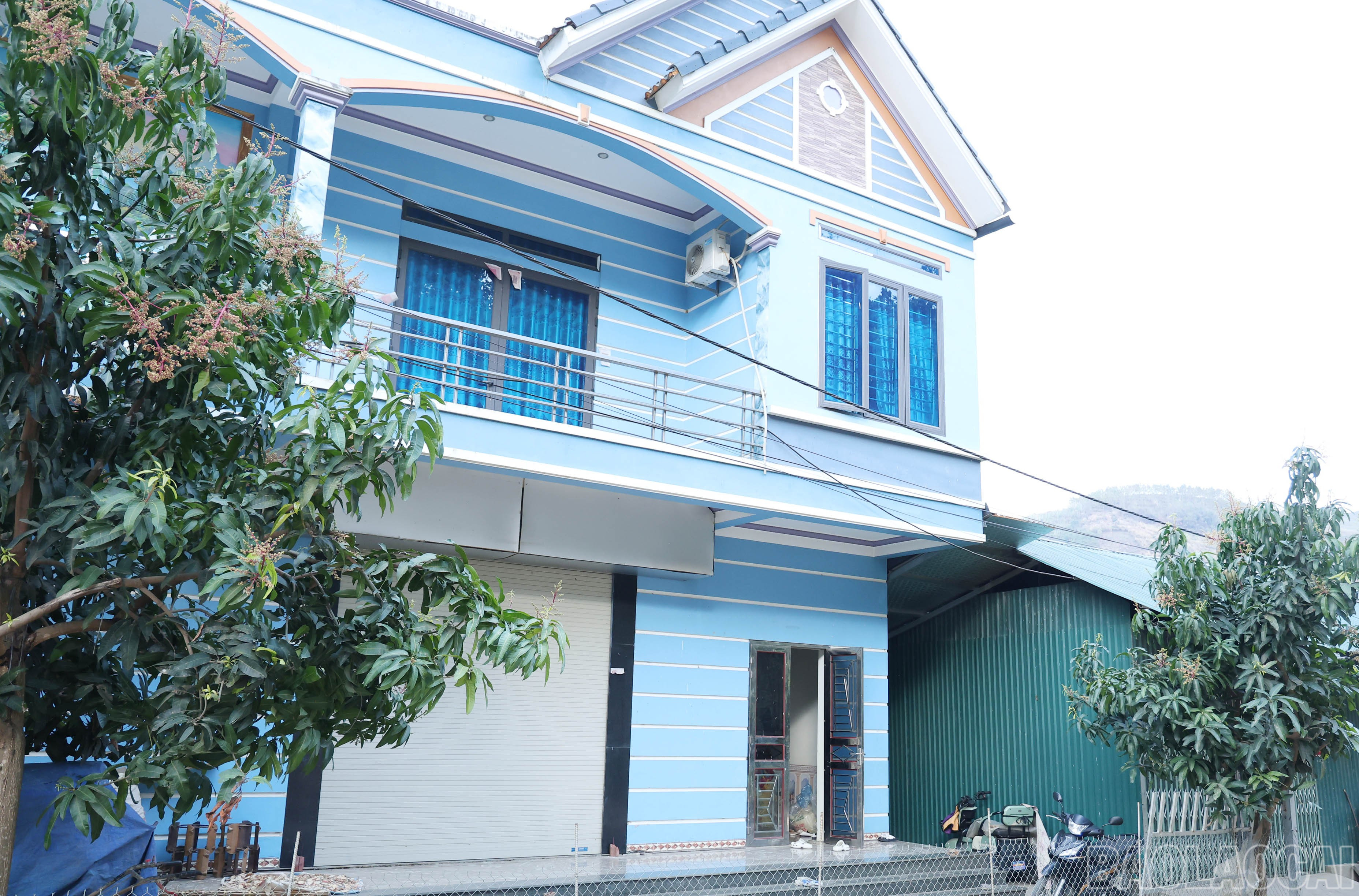
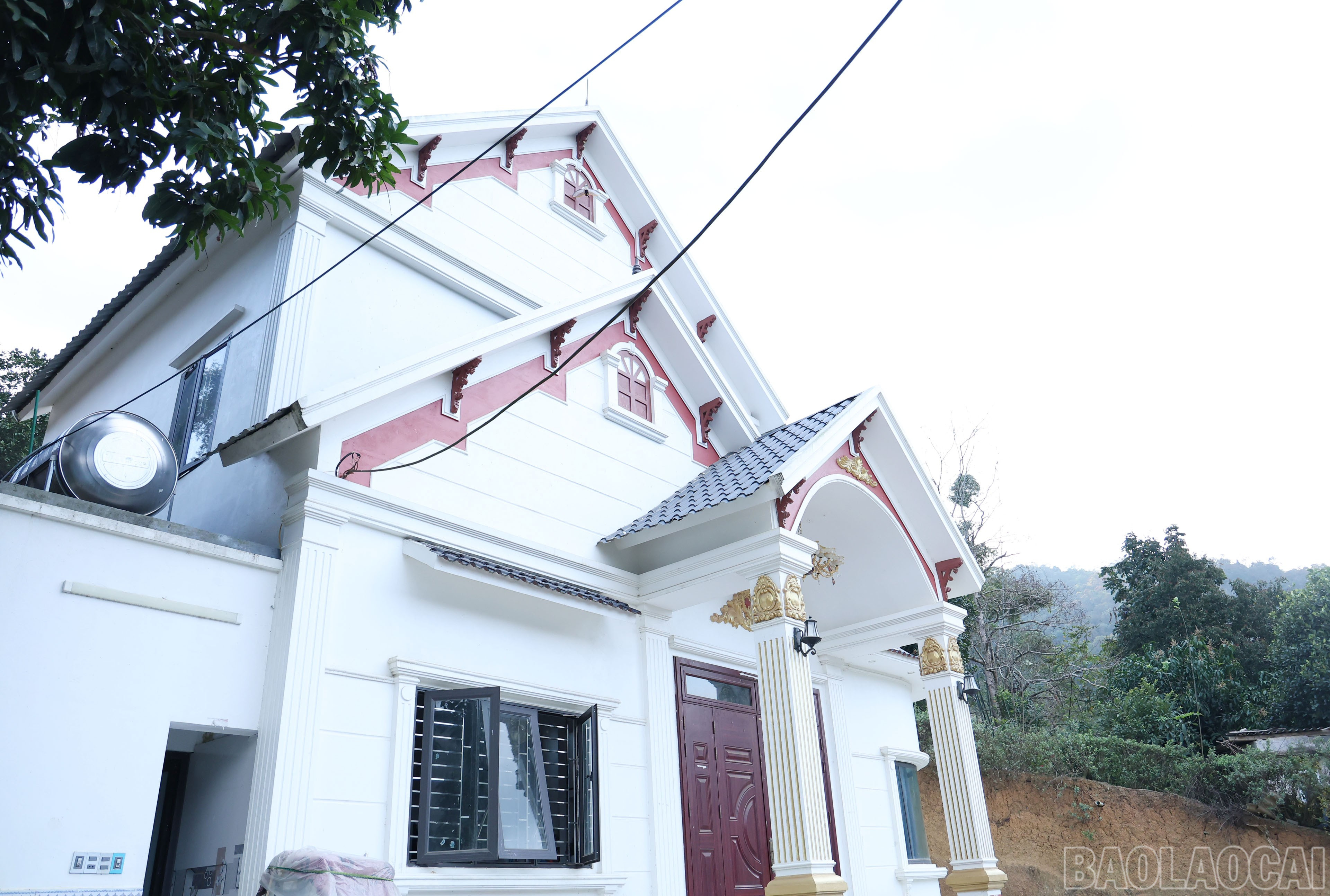
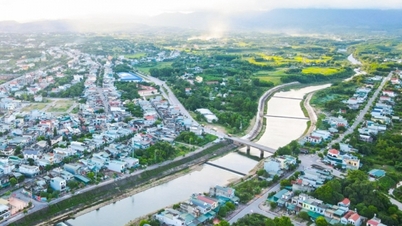
This spring, many households in Hong Ha village, Mau A commune, are happier because they now have a wide, convenient road. The commune calls this road the "spring road," not only because it was constructed and inaugurated during springtime, but also because it symbolizes joy, unity, and the collective efforts of the people and the local Party committee and government.
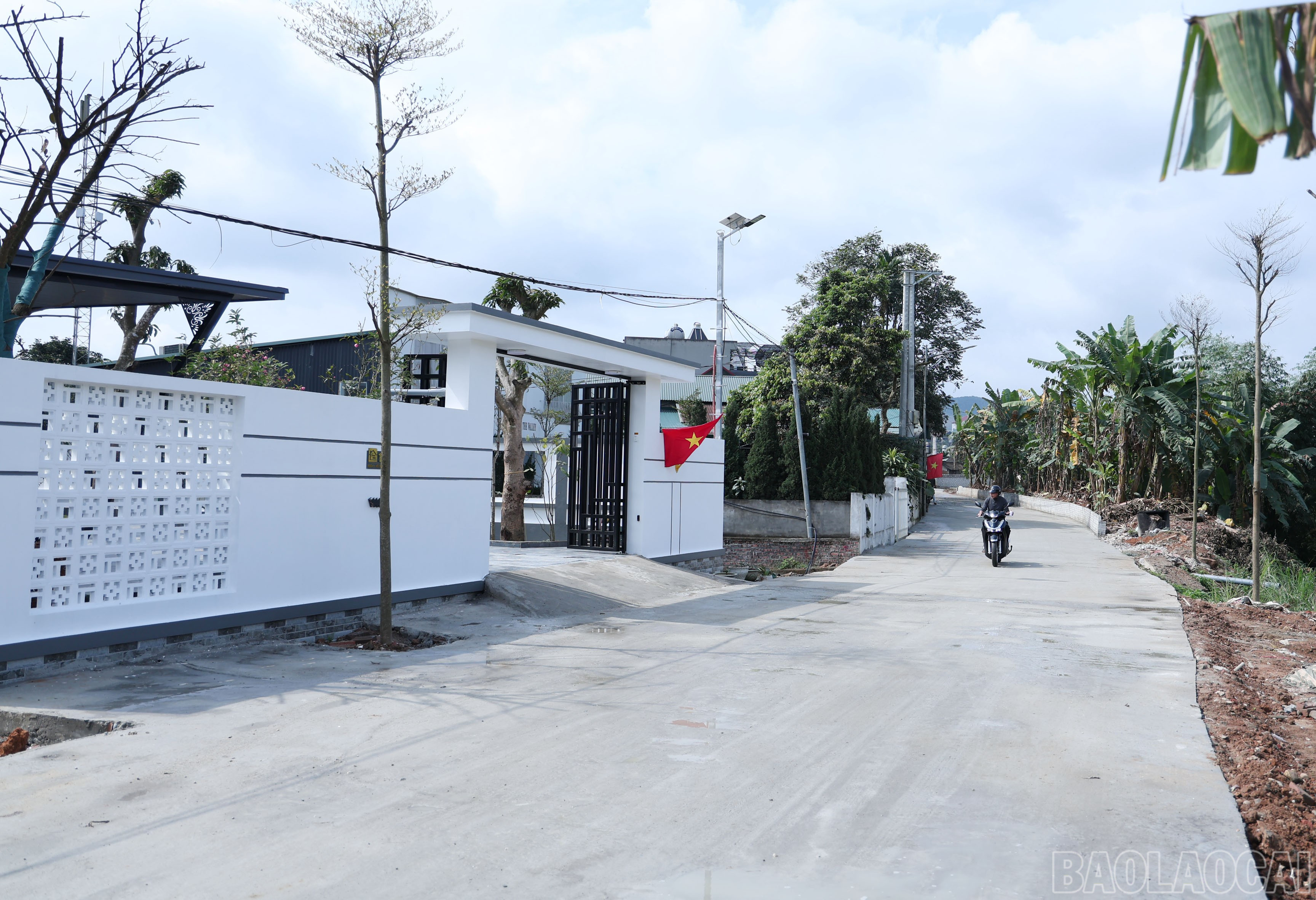
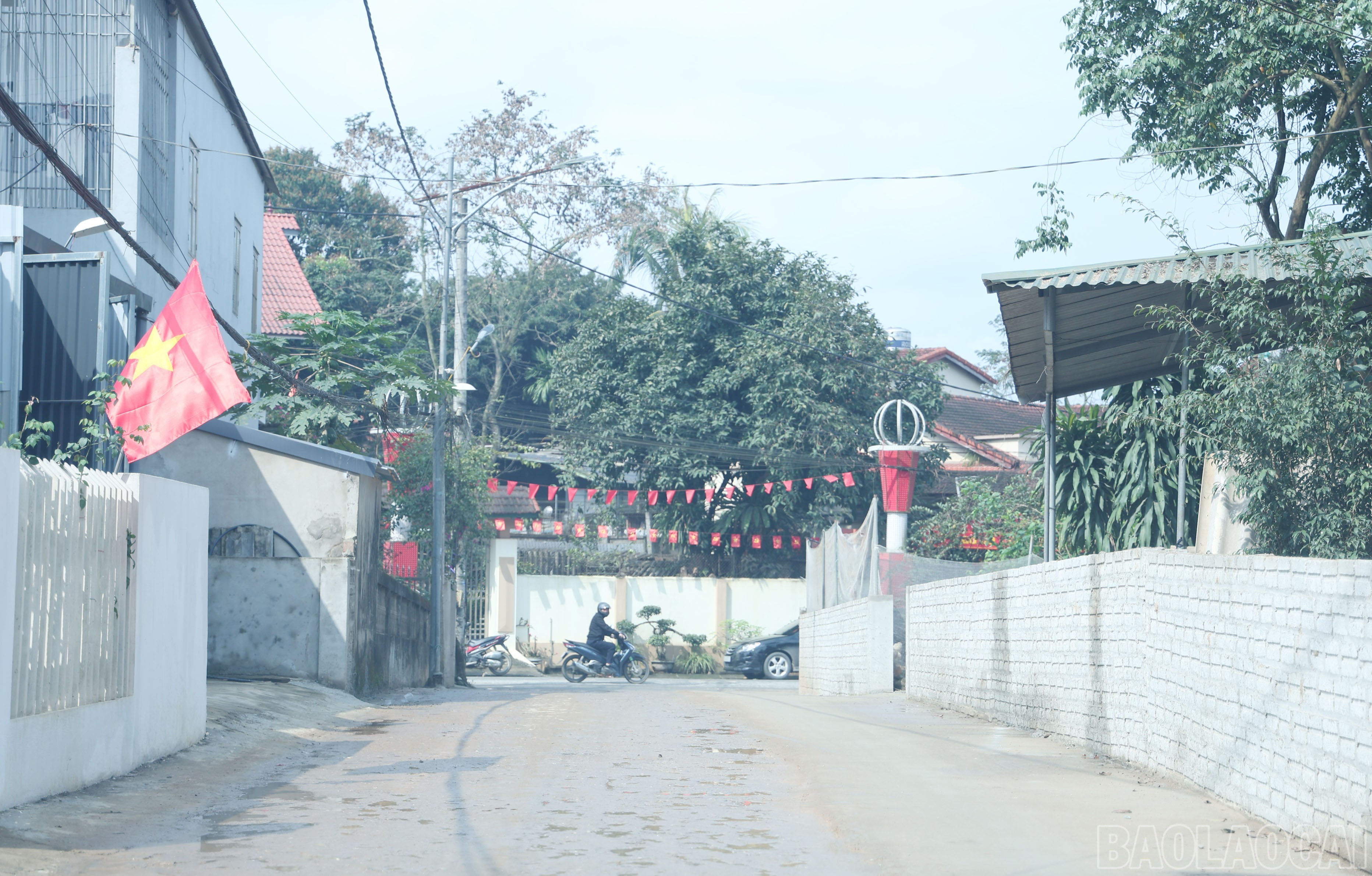
Previously, the main road in Hong Ha village was only 3 meters wide, making travel difficult for residents. Nguyen Huu Bac, who has lived and been connected to the road since childhood and is now nearly 50 years old, recounts that the road was narrow, while the volume of traffic was high, especially students. Occasionally, someone driving a car would stop for just a few minutes, causing a traffic jam.
Touched by the aspirations of the people of Hong Ha village, as soon as the province announced its plan, Mau A commune mobilized residents to donate land to expand the road and allocated funds for concrete paving so that people could have a new road in time for Tet.
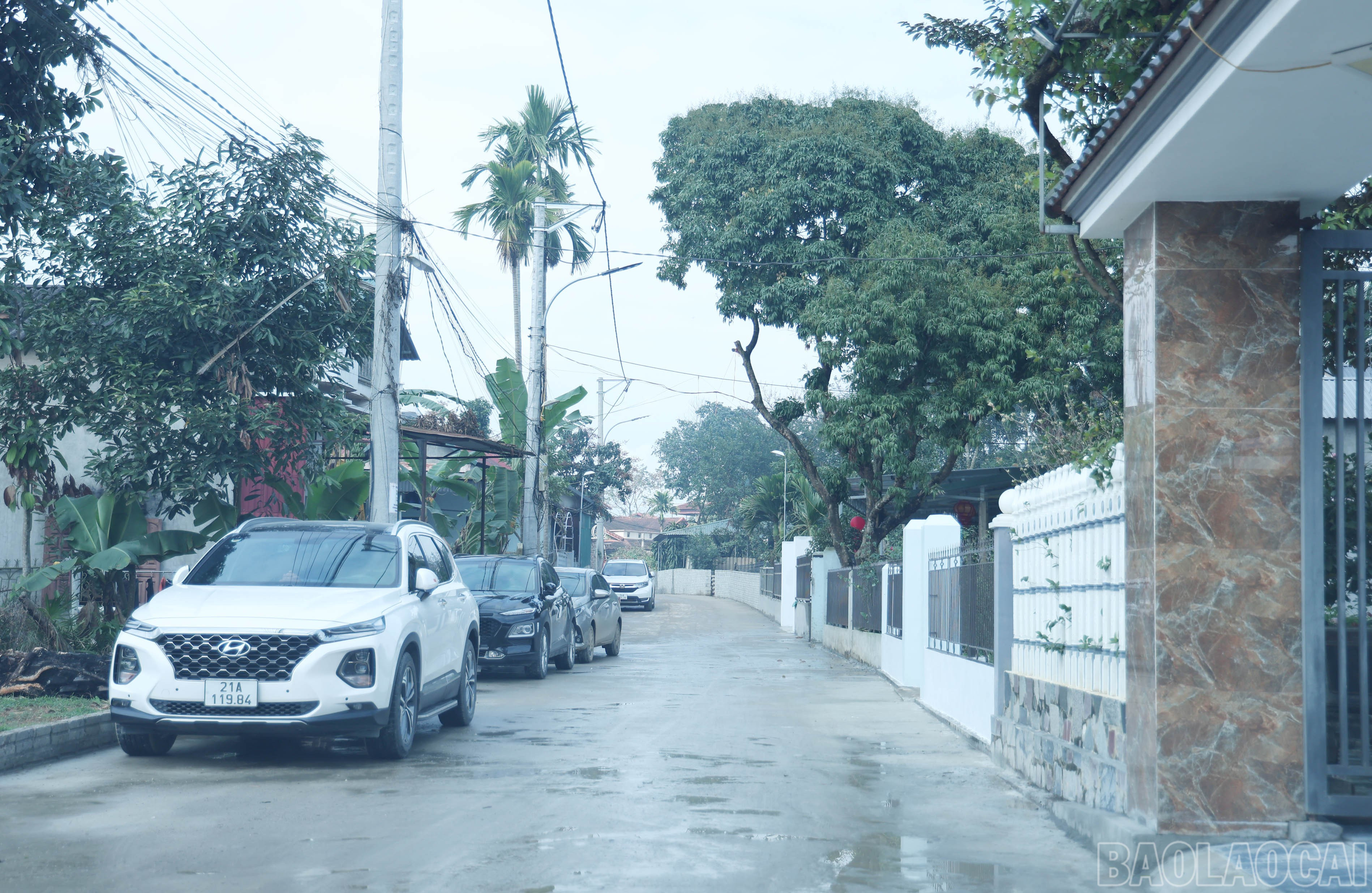
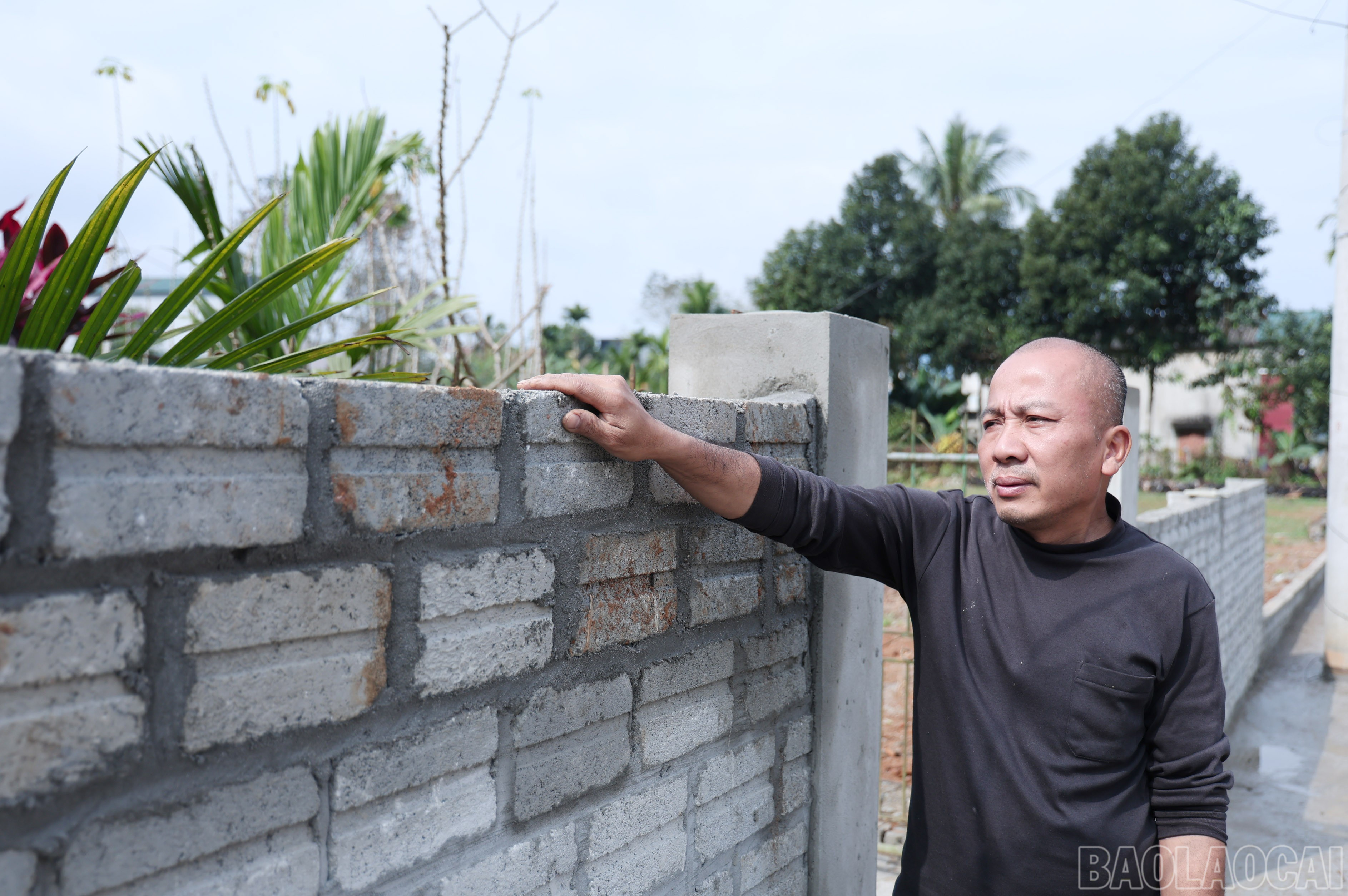
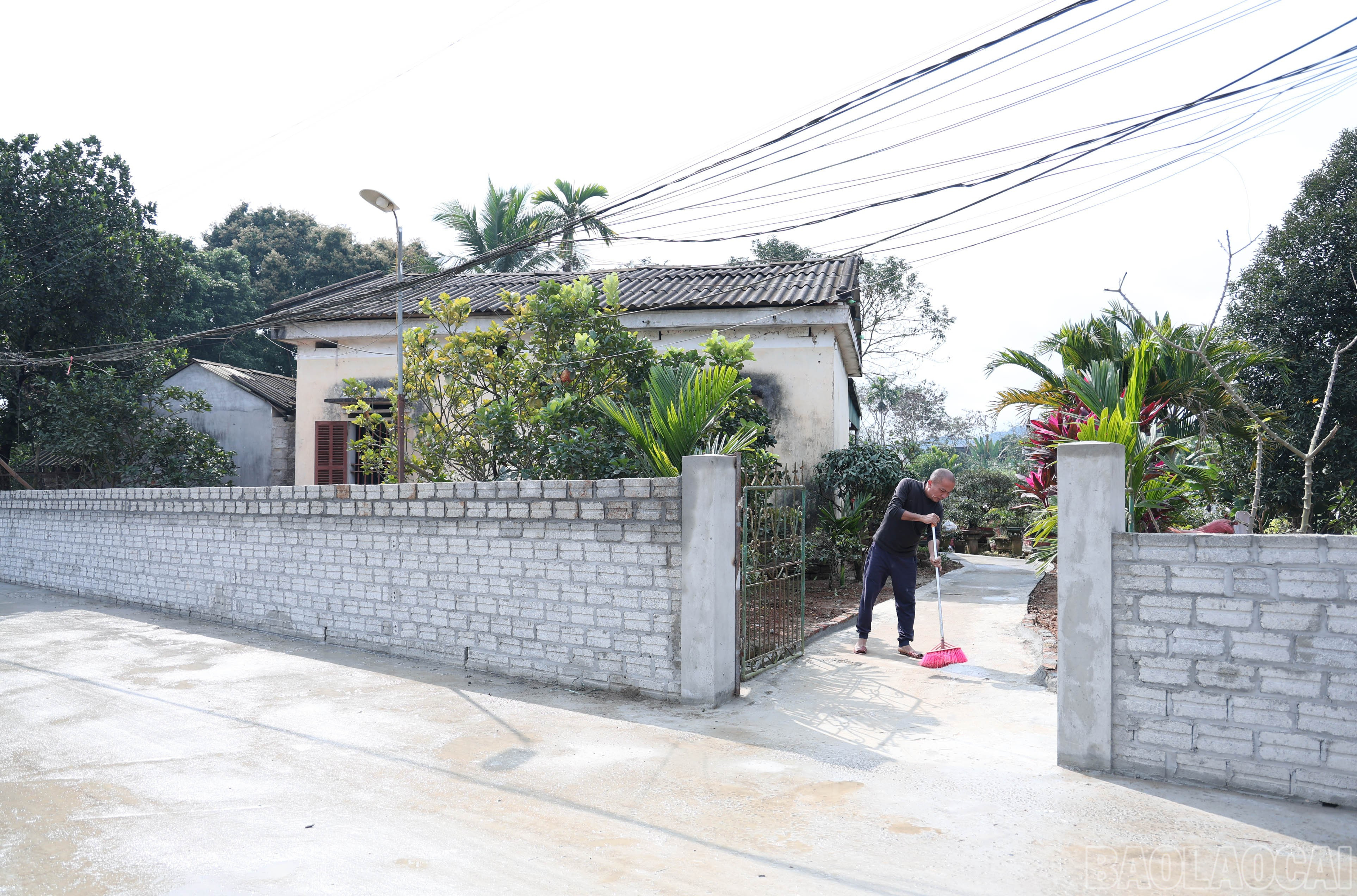
Thanks to the people's aspirations, the province's sound and appropriate policies, and the rapid implementation by the local government, the road took shape in a short time, paved with clean concrete, and widened to between 5.5 and 6.5 meters.
The land donation movement was strong, with some households donating several tens of square meters, like the family of Mr. Nguyen Huu Bac. He did not hesitate to demolish the boundary wall and gate and move the fence back 1.5 meters along the 45-meter length of his land.
"Rebuilding the boundary wall cost my family over 10 million VND, but it was for the common good, for ourselves and for everyone else. Having a new road makes travel much more convenient," Mr. Bac shared.
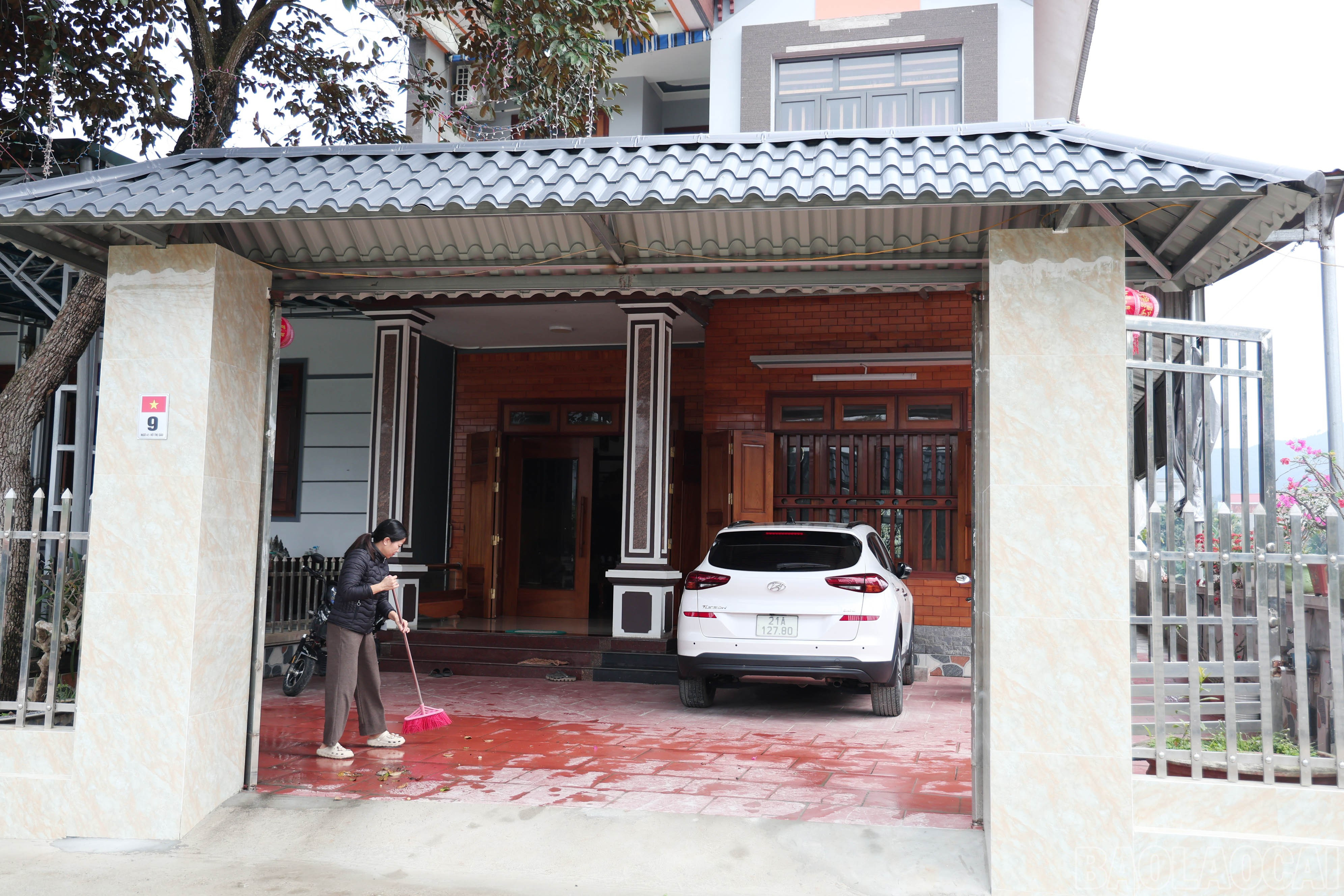
Right across from Mr. Bac's house, Ms. Nguyen Thi Hiep's family also demolished their solidly built gate and moved it back about 1 meter. She smiled brightly and said that rebuilding the gate cost over 25 million dong, but that was nothing compared to the joy of having a wider, new road.
Mr. Nguyen Xuan Hoa – Deputy Head of the Economic Department of Mau A commune – took me along the road in Hong Ha village. Cars belonging to local residents were neatly parked on one side, and several houses were celebrating Tet (Lunar New Year), filled with laughter and cheerful conversation. Mr. Hoa explained that by the end of 2025, the commune would be expanding and paving three roads in Dong Tam, Lang Quach, and Hong Ha villages with concrete, calling them "spring roads." Many households were willing to donate land and demolish their gates and fences for the common good.
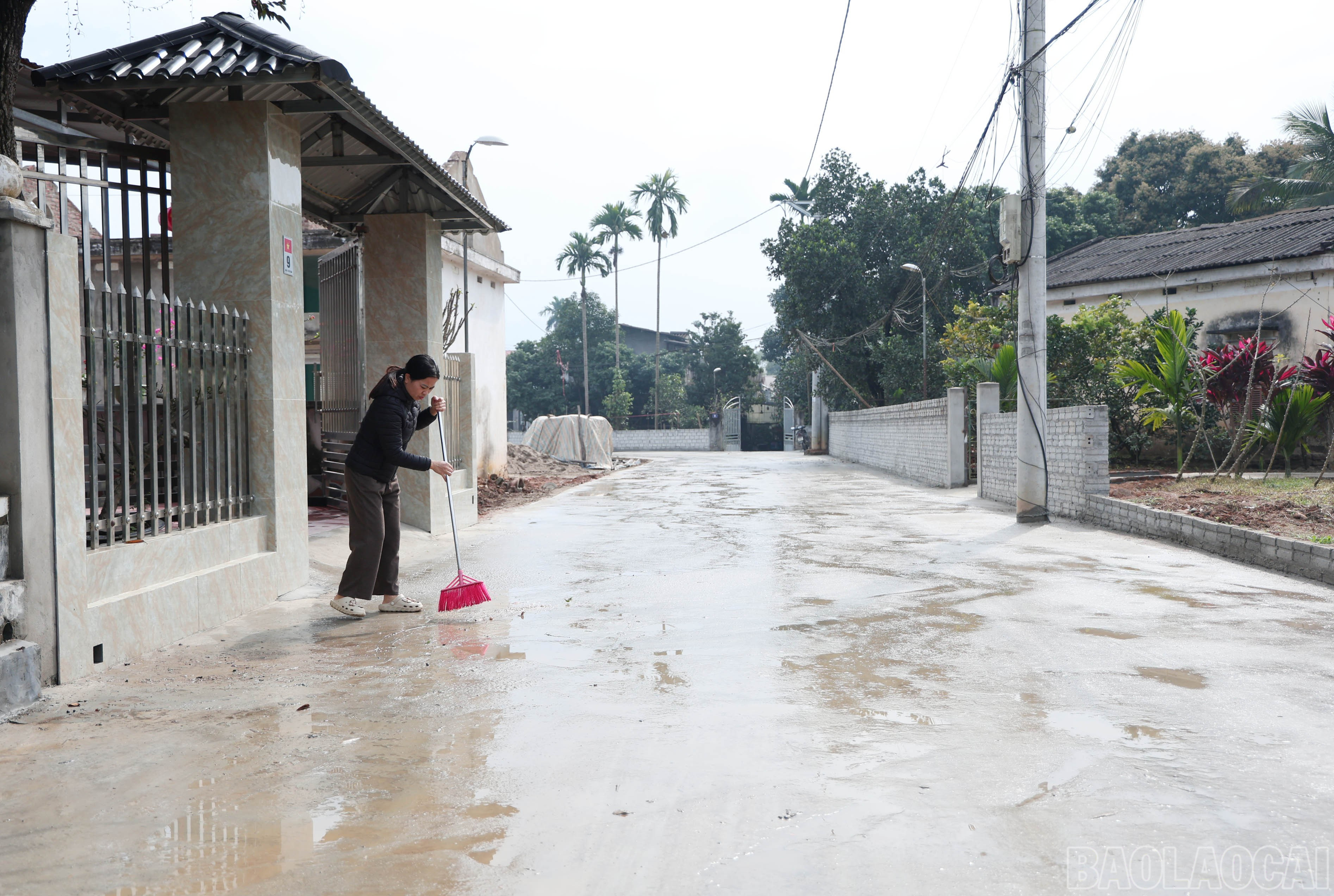
According to the plan, during the period 2026-2030, Mau A commune will build and expand more than 100 km of roads. Based on the allocated capital each year, the commune will develop an implementation plan with appropriate priorities.
The stories of the people of Lung Po village's quick adaptation to new crops, the sense of responsibility towards the community by donating land in Hong Ha village, and the timely attention given to the people by local Party committees and authorities are sources of joy, contributing to the transformation of our homeland and country.
Source: https://baolaocai.vn/ron-niem-vui-moi-post894110.html

![[Photo] General Secretary To Lam attends the opening session of the Peace Council on Gaza.](https://vphoto.vietnam.vn/thumb/1200x675/vietnam/resource/IMAGE/2026/02/19/1771516865192_tbttolam5-jpg.webp)
















































Comment (0)