

 |
Since 2008, Manchester United have not reached the pinnacle of European football. Since 2011, they have been absent from the Champions League final. And since winning the Premier League in the 2012/13 season, England's most prestigious trophy has not returned to Old Trafford.
These figures are not just statistics; they mark the end of a long, silent, yet persistent process of regression.
The old glory and the unfilled void.
During that same period, English football witnessed the rise of new empires. Manchester City seized the opportunity, building a modern, sustainable, and ruthlessly effective model. Liverpool, Arsenal, and even Tottenham and Newcastle, all found their own paths to development.
Only Manchester United, once a symbol of European power, has stood still amidst that tide.
Seasons without trophies have become commonplace. Not qualifying for European competitions is no longer shocking. Ambition to win the championship has been replaced by goals of finishing in the top 4, then the top 6, and finally simply "getting back on track."
Old Trafford has no shortage of money or fame, but it lacks one crucial thing: a sufficiently clear long-term vision to guide the entire system.
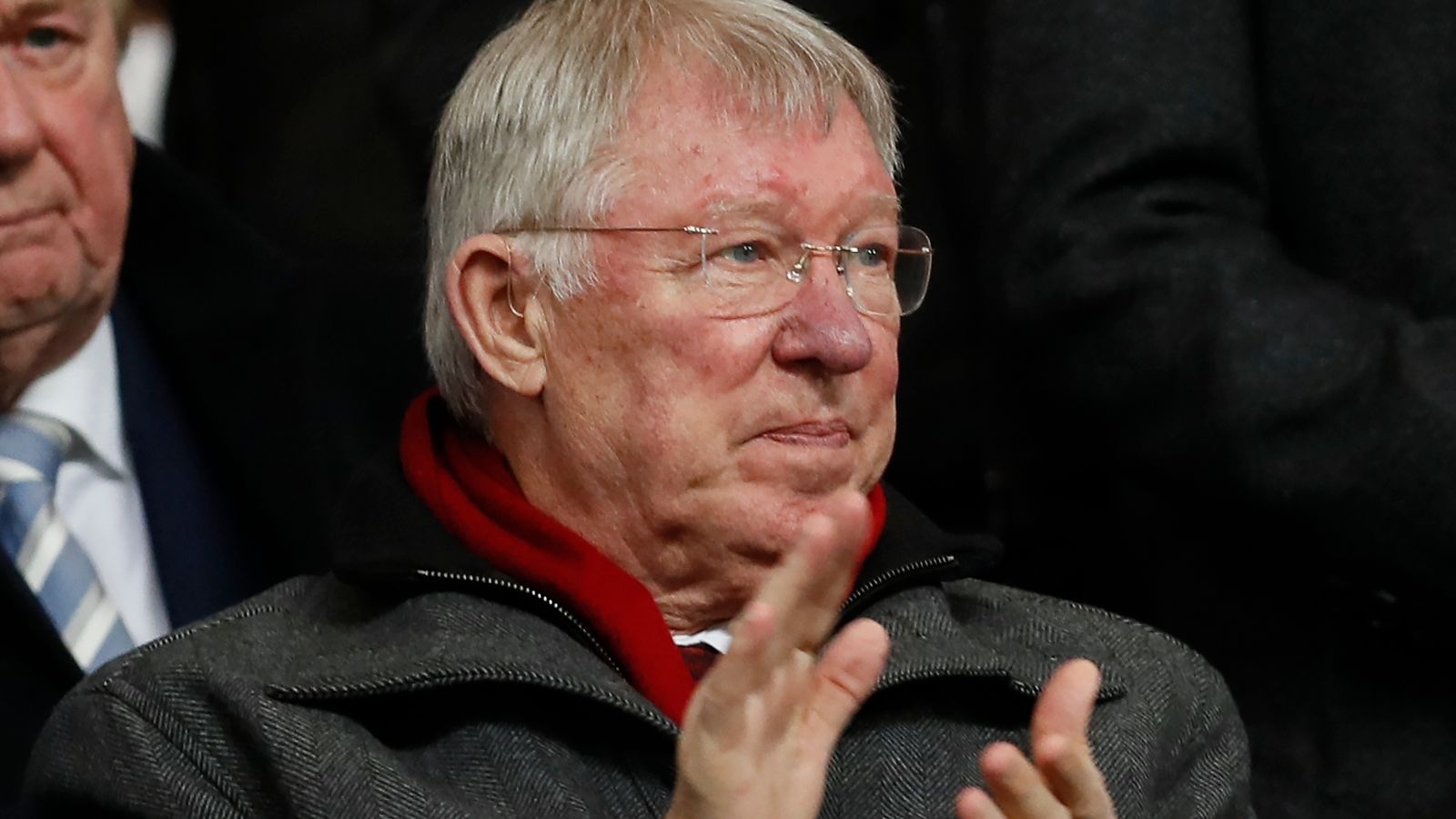 |
The biggest void has been there since Sir Alex Ferguson left the coaching position. |
The biggest void emerged from the day Sir Alex Ferguson left the coaching seat. He took not only his expertise, but also the identity, authority, and stability that Manchester United has never fully regained.
Over the past decade, there has been a long list of names coming and going: David Moyes, Ryan Giggs, Louis van Gaal, Jose Mourinho, Ole Gunnar Solskjaer, Michael Carrick, Ralf Rangnick, Erik ten Hag, Ruud van Nistelrooy, and most recently, Ruben Amorim. Each arrived with different expectations and a different philosophy, and all left with a sense of incompleteness.
Manchester United has tried every type of manager imaginable. Some are disciplined, some are control-oriented, and others rely on emotion and the club's DNA. But the common thread is that none have been given enough time or structure to build a truly meaningful project. The club changes managers faster than it changes its operating methods, and that's the biggest paradox.
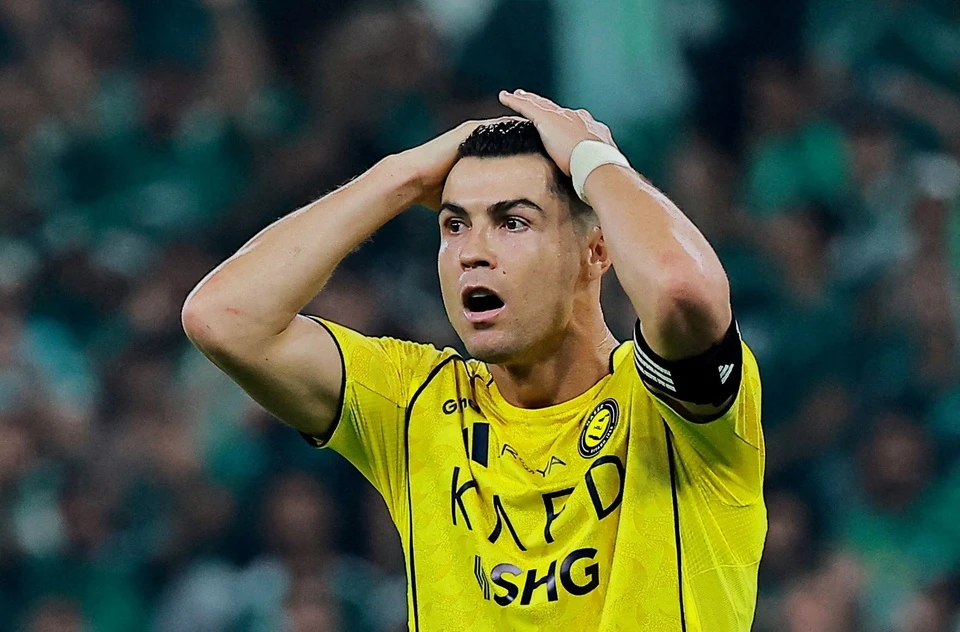
In that context, Cristiano Ronaldo's statement before leaving Old Trafford became haunting. He said Manchester United "hadn't evolved" since Sir Alex Ferguson's departure. At the time, many viewed it as the bitter words of a disgruntled star. But time has proven it to be an undeniable truth.
Modern football demands synergy from the top management to the pitch. Success no longer comes from past glories, but from strategy, data, scouting, and management.
Manchester United still has the look of a big club, but their operation is piecemeal. They react more than they take initiative. They constantly correct mistakes, but rarely address the root cause.
When the "giant" no longer knows how to awaken.
Manchester United's decline isn't a tragic one. They still win matches, still have moments of brilliance, and still possess a quality squad.
But that's precisely what makes the decline even more dangerous. Because it creates the feeling that with just a small push, everything will be fine. In reality, it's not.
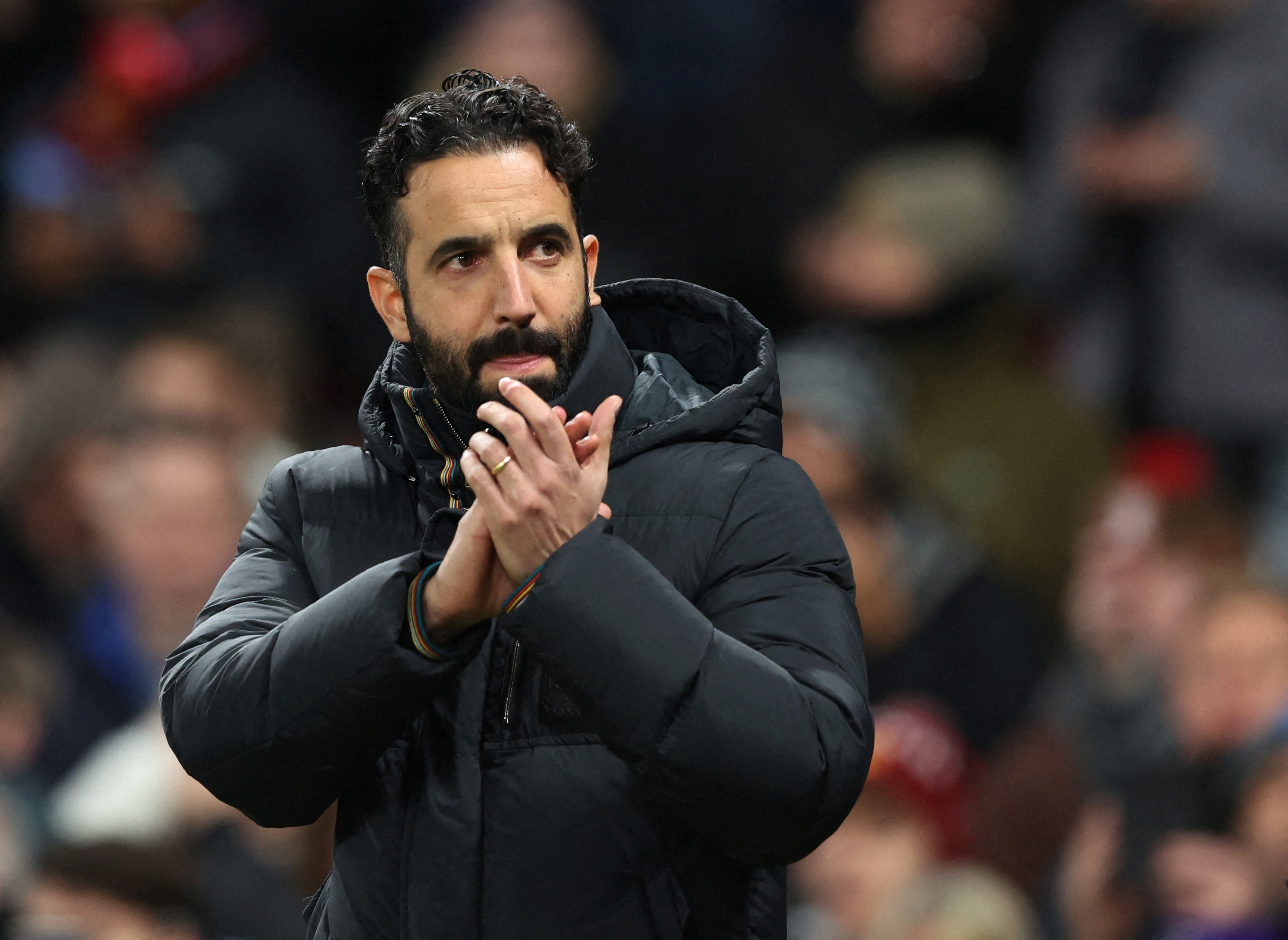 |
Ruben Amorim has just been sacked by Manchester United. |
Manchester United's problem doesn't lie with a specific manager or a generation of players. It lies in a lack of consistency in their development philosophy. Without a clear definition of who they want to become, the club is forced to constantly change in search of answers. And each change comes at a price.
"The sleeping giant" isn't lacking in potential, but rather has been too afraid to break free from its own image for too long. Manchester United still lives in glorious memories, while the rest of the world has moved on to a new chapter. They have had plenty of opportunities to awaken, but each time they do, they choose to return to their familiar slumber.
To return to the top, Manchester United needs more than just a good manager. They need a stable structure, a long-term vision, and enough patience to accept the pain of rebuilding. Otherwise, Old Trafford will continue to be a place that tells nostalgic stories, instead of witnessing new nights of glory.
And then the question is no longer when Manchester United will return, but whether they will remember how to return.
Source: https://znews.vn/ronaldo-da-dung-ve-mu-post1617221.html






























































Comment (0)