


From the lecture hall to a local homestay
One late afternoon in Hoanh Mo, as the school bell rang, teacher Hoang Van San (born in 1983) busied himself with his familiar tasks. No lesson plans, no blackboard, instead he was cleaning rooms, checking kitchen utensils, and preparing bedding for guests who were about to arrive. This work unfolded quietly and naturally, just like how he began his tourism career, stemming from a desire to preserve the cultural values of his homeland.

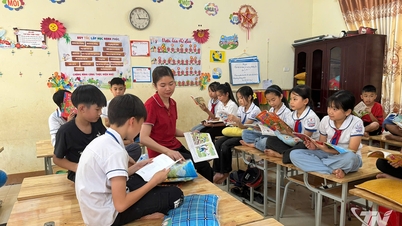
Working at Hoanh Mo Primary and Secondary School, teacher Hoang Van San has spent many years working with the children of ethnic minorities in the border region. Through his classes and conversations with students and parents, he realized that the familiar aspects of the local people's lives – from their homes and meals to their customs and traditions – are what pique the curiosity of many visitors from other places. "Visitors to Hoanh Mo don't just want to admire the scenery; they want to stay and experience the rhythm of life with the locals," shared teacher Hoang Van San.
From that idea, teacher Hoang Van San built Hoang San Homestay, a resort well-known to tourists from both within and outside the province. Teacher Hoang Van San said that besides his teaching job, every weekend he packs his backpack and travels everywhere. It is from these trips that he accumulated experience in organizing accommodation spaces, welcoming guests, and preserving local culture while still meeting the increasingly high demands of tourists for unique experiences.

Mr. Sằn recalled: “From around 2012, tourism in the area began to gain more recognition, and more and more visitors came from all over. At first, seeing that I was familiar with the roads and willing to help, many tour groups invited me to accompany them to guide them and introduce them to the villages. Traveling a lot and talking a lot with tourists, I gradually became a ‘tour guide’ without even realizing it. Those trips helped me better understand what tourists need and what stories this border region has to tell about its culture and people.”
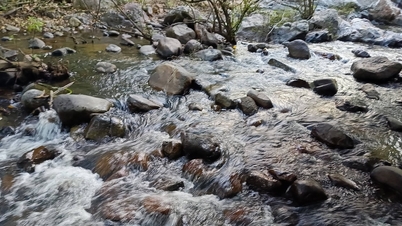
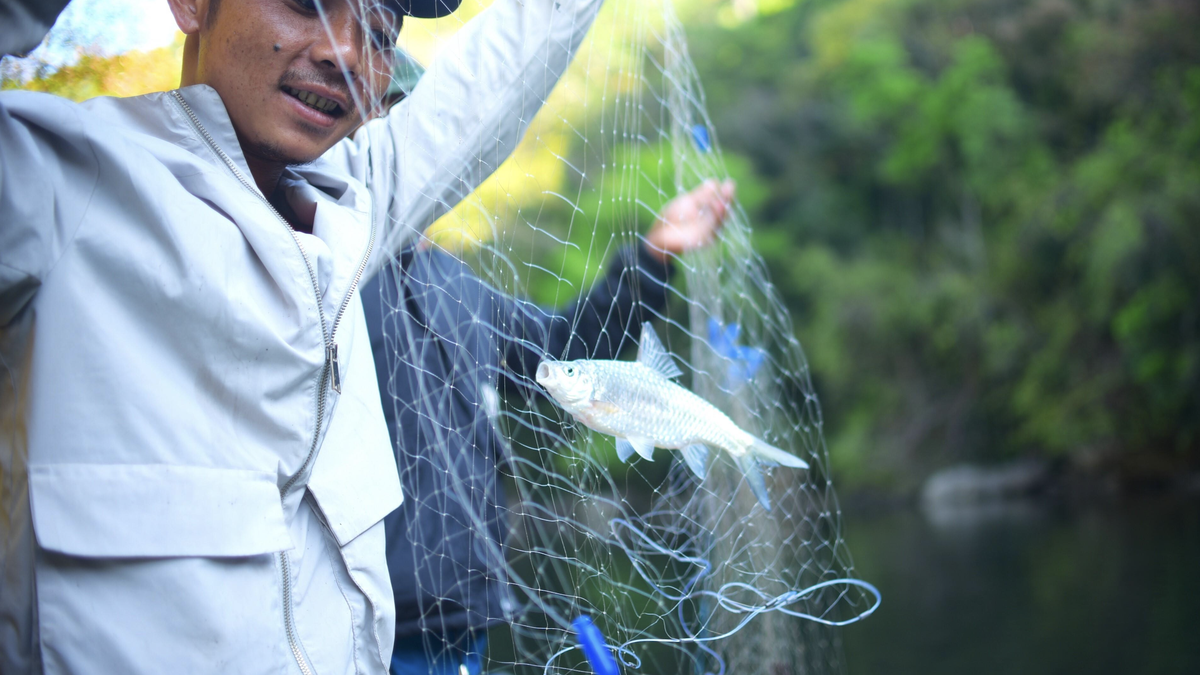
Hoang San Homestay wasn't established as a formal business model from the start, but rather as an extension of everyday life. Visitors come here to enjoy family meals, experience hiking in the forest and by the streams, and listen to stories about customs, festivals, and life in the border region. From this, the homestay developed as a community-based tourism initiative, drawing on the existing local values.
According to Mr. Sằn, the most important thing in tourism is not just building modern infrastructure, but preserving the "soul" of the local culture. "If we change things too much, losing the traditional way of life, tourists will only come once. But when they experience the authentic life of the locals, they will remember and want to return," Mr. Sằn confided. Therefore, all the experiential activities are organized by Mr. Sằn in a natural way, allowing tourists to feel the rhythm of life in the village for themselves.

Teacher Hoang Van San's model also demonstrates a different approach to developing tourism products from local culture, starting with the people, their lives, and their understanding and love for the land they live on. When the people become the subjects telling their own cultural stories, the tourism product is no longer something "made," but the result of a process of preserving and spreading traditional cultural values.
Mr. Sằn further shared: “Initially, I was very inexperienced, the investment capital was insufficient, and the homestay was simple, so only a few backpackers visited. I learned as I went along, and also asked friends to come and share on social media. Word spread, and more and more tourists came. As the number of guests increased, the homestay gradually improved thanks to the feedback from the tourists themselves, those who came and returned, bringing with them both experiences and faith in a systematic approach to local tourism in this border region.”
Hoang San Homestay officially opened in 2017, built on the owner's family property, offering accommodation combined with a dining area and scenic views. From here, visitors only need a few minutes to reach the Hoanh Mo border gate, visit border markers, shop, and experience life in the border region. After 9 years of operation, this place is not only a stopover for tourists but also marks the persistent journey of a highland teacher in transforming the simple aspects of daily life into attractive tourism products.
When cultural values elevate tourism.
From the story of teacher Hoang Van San, we can see that local cultural tourism originates from the daily lives of the people and from the long-standing values in each region. This approach not only creates attractive destinations but also reflects the general trend in the formation of unique tourism products for each locality in particular and Quang Ninh in general.
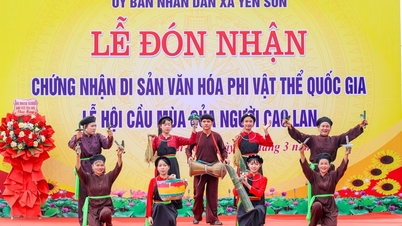
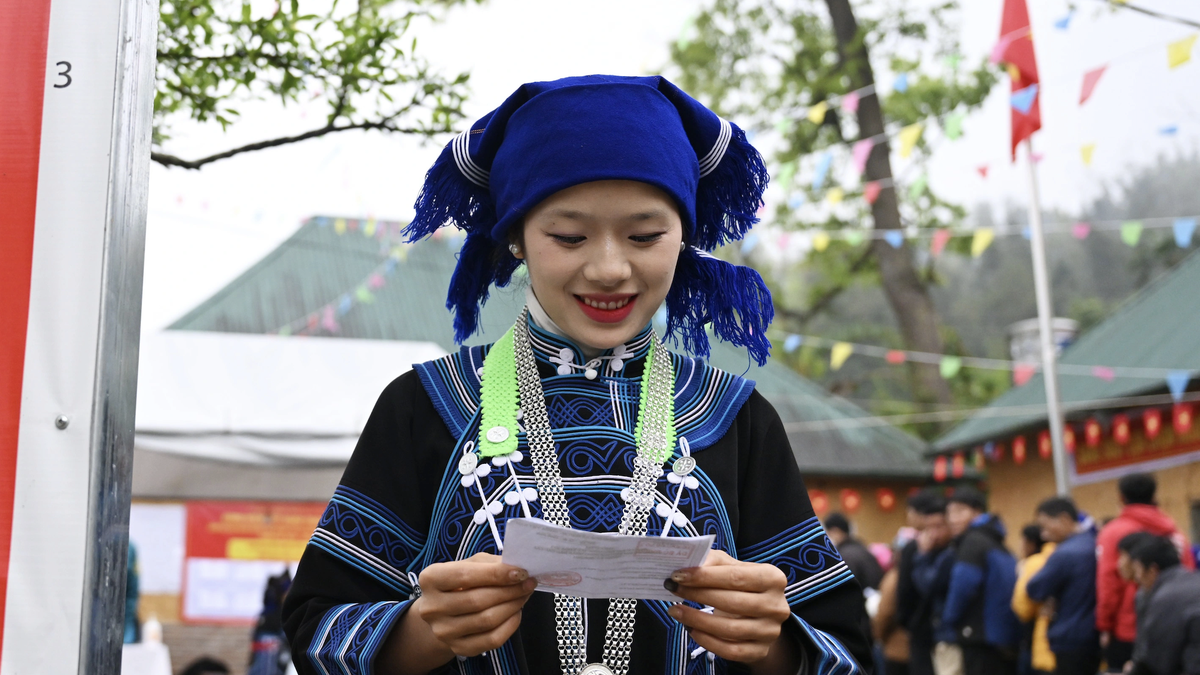
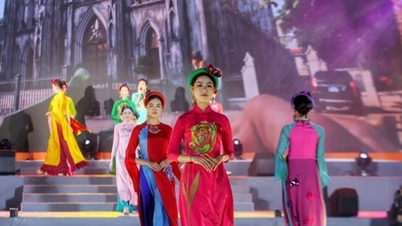
The unique local culture is strongly disseminated in many localities of Quang Ninh through the traditional festivals of the Tay, San Chi, San Diu, and Dao Thanh Y ethnic groups… Each ethnic community preserves a rich cultural treasure, from rituals, folk songs, traditional costumes, to cuisine … creating a diverse and attractive experiential ecosystem for tourists on their journey to explore the land and people of Quang Ninh.

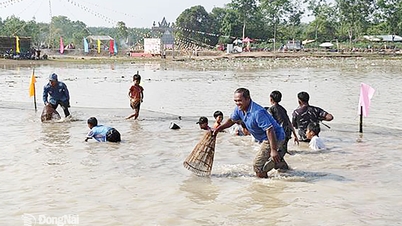
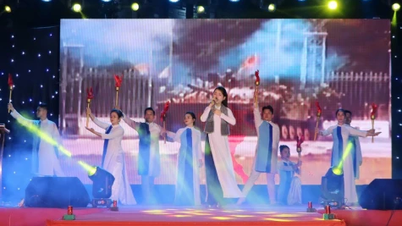
During festival seasons, the highland villages seem to awaken. The sounds of Then singing, Tinh lute playing, and folk dances blend with daily life, creating an experience that is both intimate and rich in cultural identity. Tourists can immerse themselves in community activities, participate in festivals with the locals, enjoy traditional cuisine, and listen to stories about the origins, customs, and lives of each ethnic group. This interaction creates a unique appeal, making cultural tourism vibrant and emotionally rich.
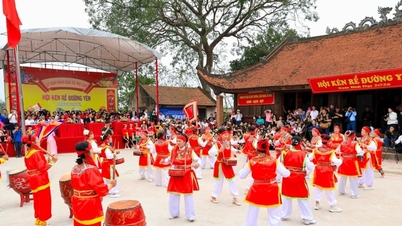
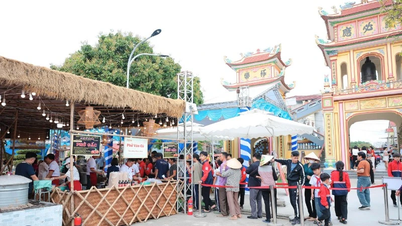
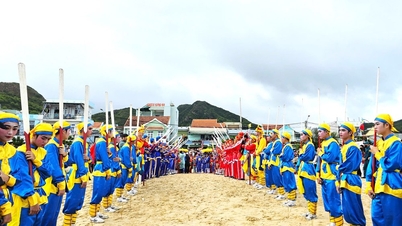
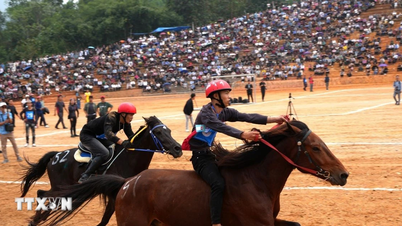
In the province, many traditional festivals have been recognized as national intangible cultural heritage, notably the festivals of Duke Tran Quoc Nghien, Cua Ong Temple, Yen Tu, Tien Cong, Bach Dang, Xuong Dong, Tra Co communal house, Quan Lan communal house, etc. These festivals are not only familiar spaces for religious activities of the local people, but also become unique cultural highlights in the tourism landscape of Quang Ninh. Each festival carries its own historical story, community imprint, and customs, creating an attraction for tourists on their journey to learn about this land in the Northeast of the country.
From festivals, many localities have gradually developed tourism products linked to community cultural experiences. Seasonal festival tours, experiences of local life, or activities exploring traditional crafts and cuisine have been flexibly developed to suit the actual conditions of each region. This contributes to preserving and continuing cultural values that have been passed down through generations.
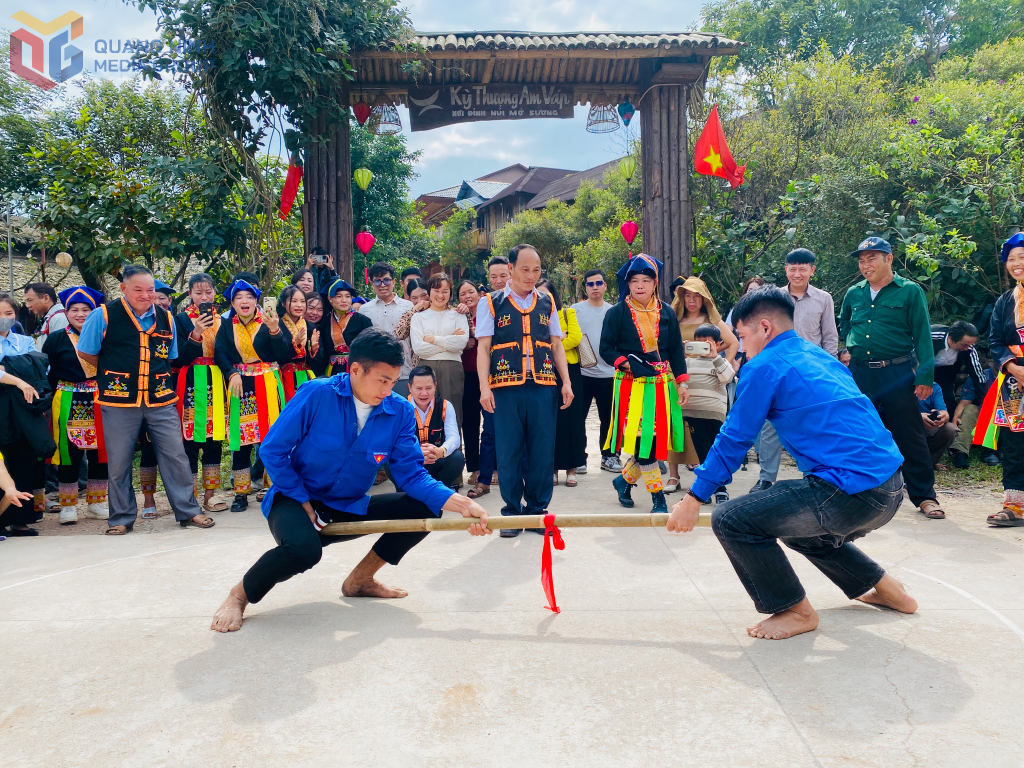
It is evident that the harmonious connection between exploiting the advantages of natural landscapes and preserving traditional cultural values is opening up a sustainable path for community-based tourism in Quang Ninh. Although it emerged later than many other types of tourism, community-based tourism is increasingly seen as a field with great potential, with many innovative approaches that meet the increasingly diverse experiential needs of domestic and international tourists.
This approach helps tourism products have their own unique characteristics while creating stable livelihoods for the people. Many models of homestays, ecotourism, and experiential tourism are gradually being developed, improving service quality while preserving the existing lifestyle, customs, and traditions. Tourists come to Quang Ninh not only for sightseeing and relaxation, but also to learn about, interact with, and experience the depth of the local culture.
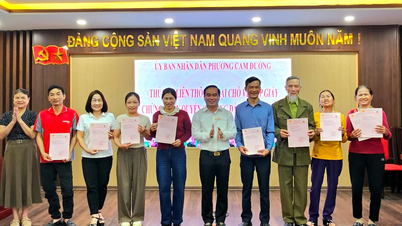
Furthermore, the involvement of various levels and sectors in supporting skills training, connecting travel businesses, and promoting products has contributed to creating a foundation for the more systematic development of community tourism. When placed in a harmonious relationship between conservation and exploitation, between economic and spiritual values, community tourism is gradually becoming an important direction, contributing to the diversity and sustainability of Quang Ninh's tourism landscape.
Source: https://baoquangninh.vn/san-pham-du-lich-tu-van-hoa-ban-dia-3392233.html

























































Comment (0)