New trends in business
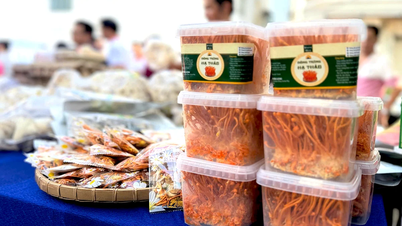
Private label products are products manufactured by supermarkets themselves, through subcontracting to manufacturers, quality control by the supermarket, and then labeled with their own brand for sale within the system, at a lower price than similar products on the market.
A survey by US market research firm AC Nielsen shows that 61% of consumers in 53 countries choose to buy private label products during difficult economic times; 91% of those who chose this option will continue to buy private label products when the economy recovers.
Following the general trend, supermarkets such as Co.opmart, LOTTE Mart, Winmart, GO!, etc., have recently collaborated with manufacturing businesses to develop private label products in almost all categories, including food, processed foods, chemicals, cosmetics, household goods, and clothing.
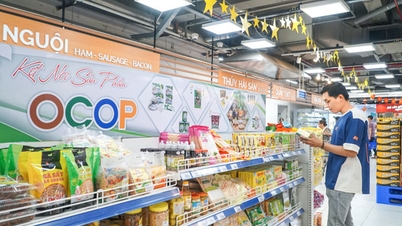
The development of private label products in Vietnam began with the Go! supermarket chain of Central Retail Group, which produced its own brand of processed meat products under the Ebon label. In subsequent years, Go! continuously produced and marketed private label products, including fashion collections called "Independence - Freedom - Happiness"; Vietnamese agricultural products under the GO! Viet Farm brand; and regional specialties with OCOP certifications of 3 stars or higher under the Viet Gems brand…
With the goal of connecting consumers with "premium quality fresh produce," Co.op Mart supermarket chain has been developing its own-brand products since 2003. To date, Co.op Mart has collaborated with over 100 domestic producers to bring to market more than 2,000 product codes that meet VietGAP, GlobalG.AP, organic standards, and more.
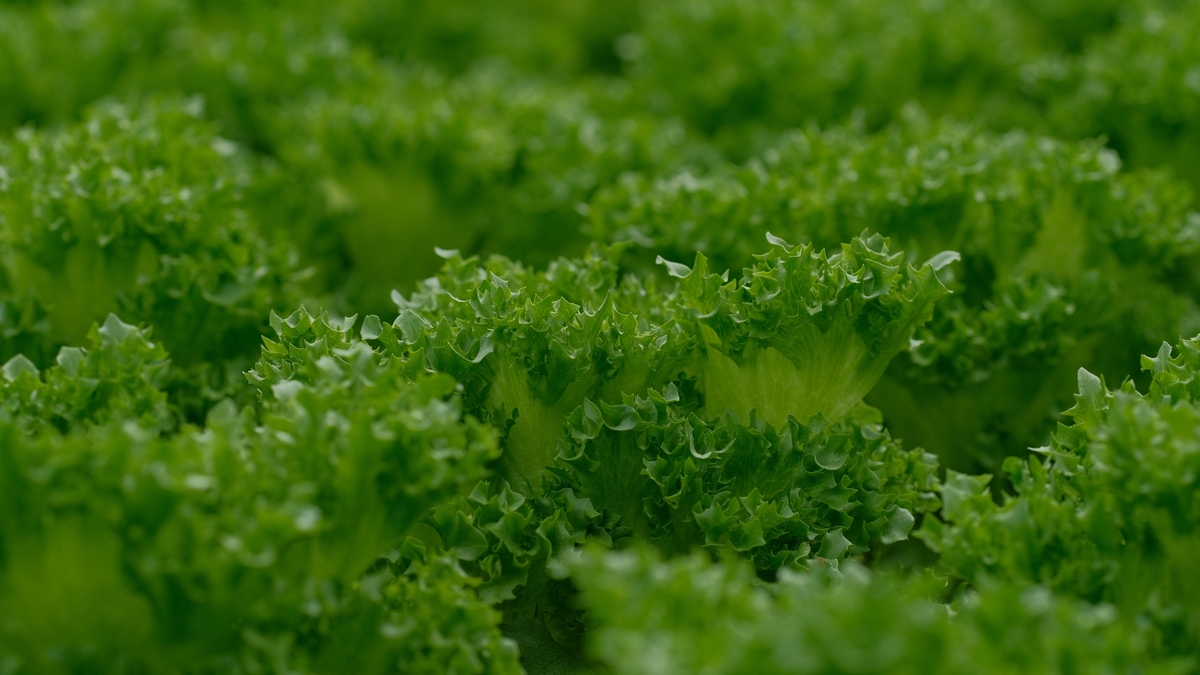
The Vinmart and Vinmart+ supermarket chains have also made their mark with several prominent private label products such as VinEco (high-tech clean vegetables and fruits), VinMart Home (cotton, textiles and cosmetics); VinMart Care (body care cosmetics); VinMart Cook (pre-prepared and ready-to-eat food)... with prices 10-20% cheaper than comparable products in the market.
At AEON supermarkets in Vietnam, customers are offered more than 8,000 items under AEON's two private label brands, TOPVALU and HOME COORDY. Meanwhile, the LOTTE supermarket chain (Korea) is supplying the market with approximately 2,000 private label products under the Choice L brand.



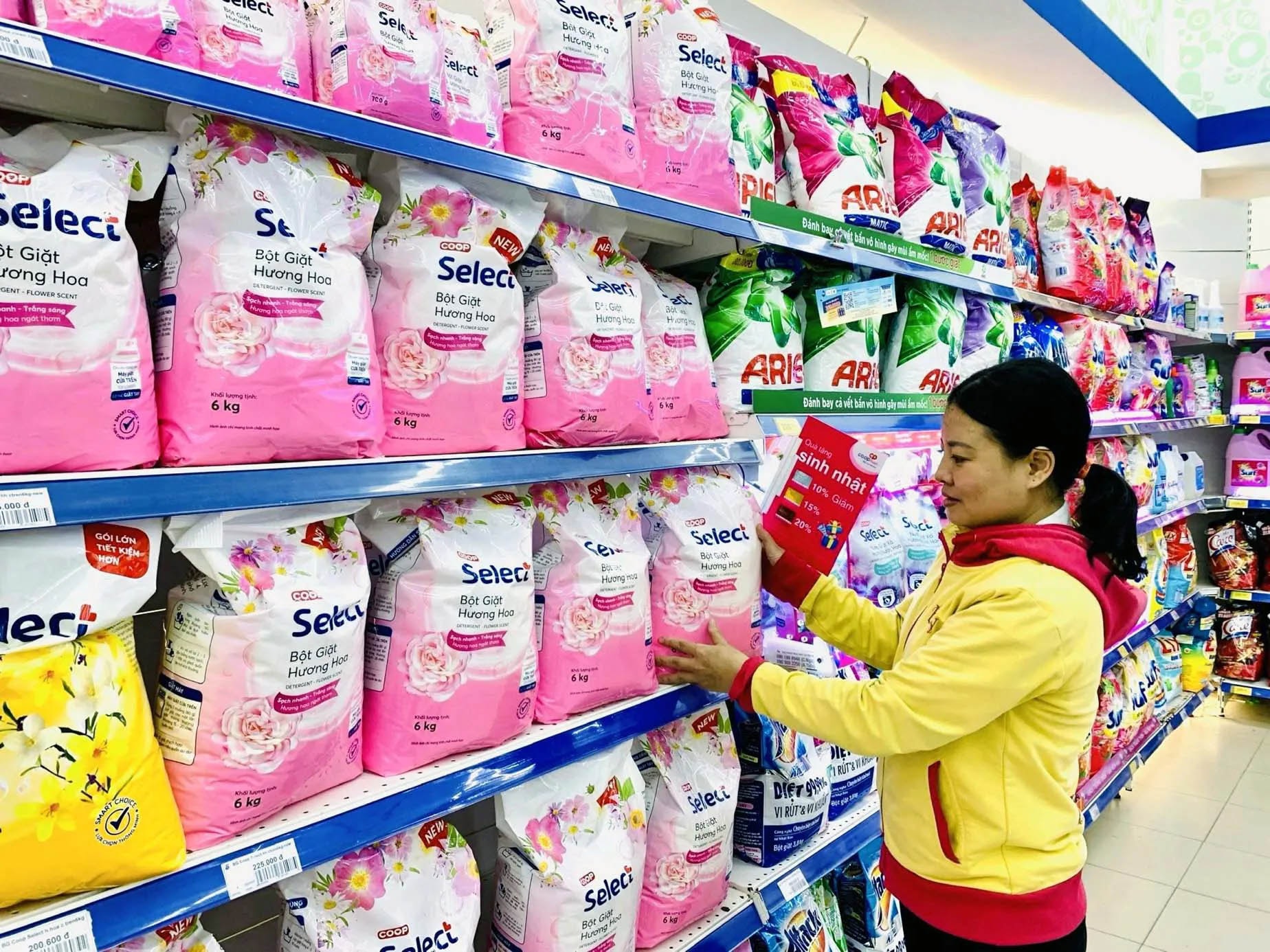
According to the Vietnam Retail Association, more than 50% of its members now have their own branded products, accounting for approximately 7-10% of the goods in supermarket systems.
Double effect
In fact, after launching its own brand, the supermarket attracted consumer attention because the selling price was 15-30% lower than the official brand while maintaining equivalent quality.
Ms. Nguyen Thi Dieu Ai, residing at alley 85 Nguyen Luong Bang, shared that when shopping for household items, she prioritizes private label products because of their relatively good quality and lower prices compared to similar products on the market, especially when supermarkets hold promotional programs.
Despite the low prices, consumers receive quality assurance from the supermarket. According to Nguyen Thi Kim Dung, director of Co.op Mart Ha Dong supermarket, the supermarket is responsible to consumers for product quality, ensuring that consumers can be confident in the private label products they have chosen.
Kim Joon Young, Director of Lotte Mall West Lake Hanoi, stated that at Lotte Mall supermarkets, private label products must have a quality equivalent to or better than other regular products, but at a price 20-30% lower. Private label products are very popular with consumers in South Korea and China, so Lotte Mart recently exported a batch of food, laundry detergent, and kitchenware under the Choice L brand to Myanmar.
Speaking about the benefits of retail businesses collaborating with manufacturers to create private label brands, the Chairwoman of the Vietnam Retail Association, Tran Thi Phuong Lan, said that developing private label products has brought profits to supermarkets by saving on intermediary costs such as marketing, advertising, and distribution costs. In addition, private label products help supermarkets take advantage of benefits such as not having to rent factories or invest in machinery.
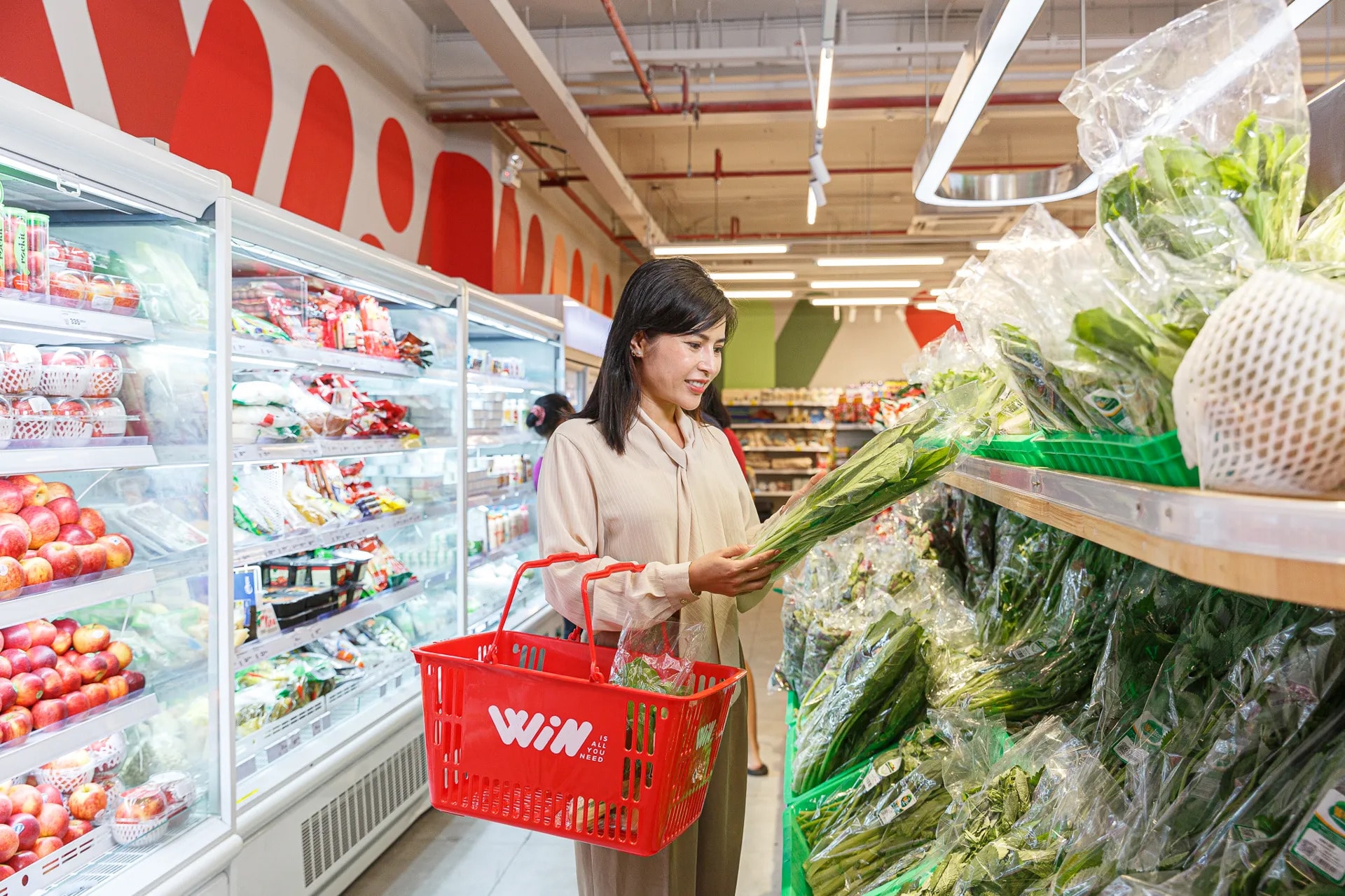


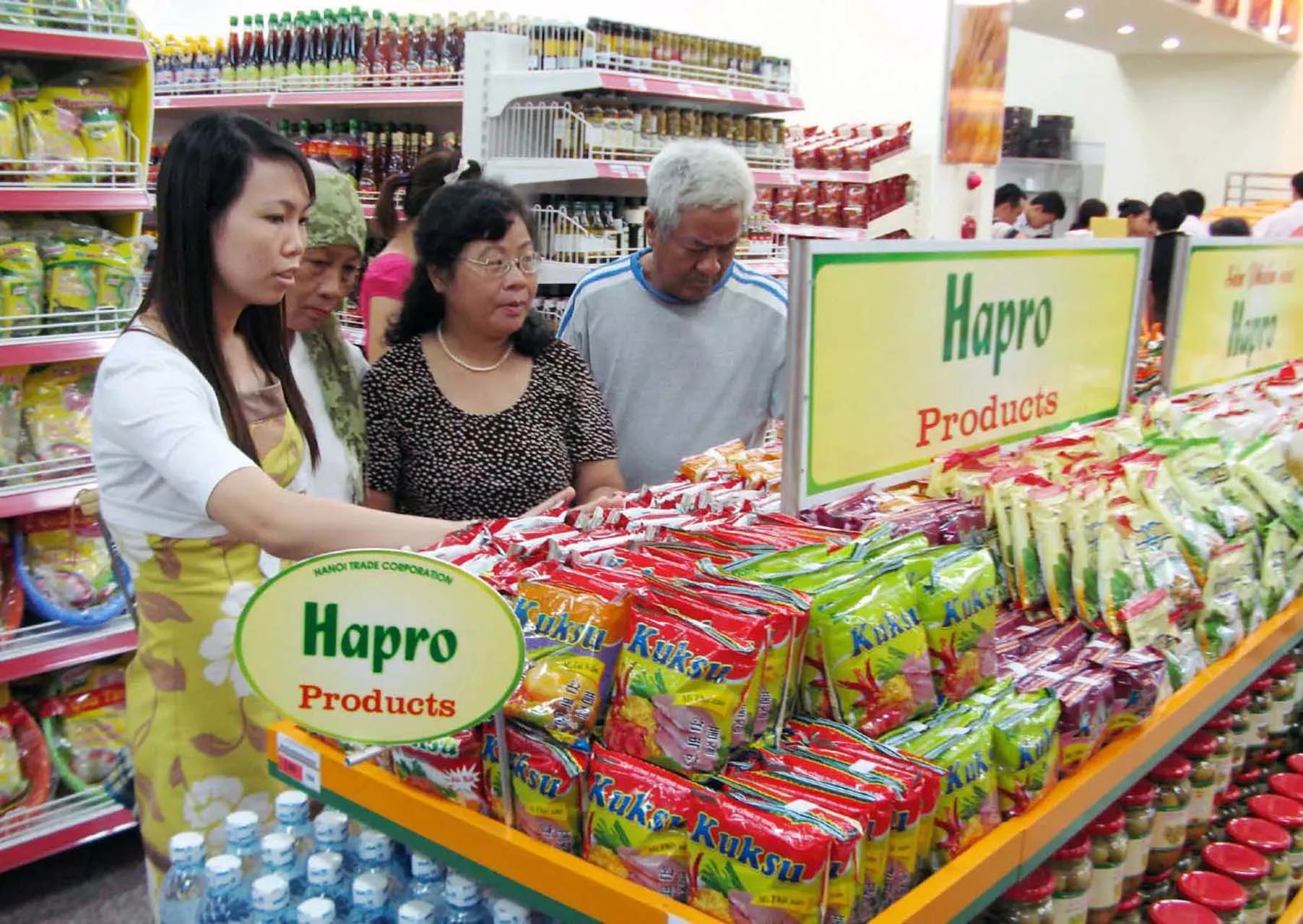
From the perspective of a business producing and distributing private label goods through the Hapro Mart supermarket system, Deputy General Director of Hanoi Trade Corporation - JSC, Do Tue Tam, shared that developing private label goods is not about "taking over" a production unit, but rather about mutual support and supplementing choices for consumers.
"Currently, Hapro's supermarket system is selling processed meat products and wines bearing the Hapro brand, produced by Hapro's member businesses. This activity helps the units maximize their production capacity, increase revenue and profits because they don't have to pay discounts to suppliers. It can be said that producing private label goods has created an impetus to stimulate businesses to develop production," Ms. Tam analyzed.
It is clear that private label production acts as a "catalyst" forcing businesses to constantly innovate in design and style, and improve product quality to attract consumers. Furthermore, it creates unique and distinctive products to gain a competitive advantage, while also attracting investment in marketing, expanding distribution channels, and sales. Therefore, developing private label products yields a double benefit.
Source: https://hanoimoi.vn/sieu-thi-737016.html
![[Photo] General Secretary and President To Lam receives Palestinian Ambassador Saadi Salama](https://vphoto.vietnam.vn/thumb/1200x675/vietnam/resource/IMAGE/2026/06/25/1782365384740_a1-bnd-9423-8322-jpg.webp)



![[Image] Ho Chi Minh City: Ma Lang area, Chicken-Rice Market about to change its appearance](https://vphoto.vietnam.vn/thumb/1200x675/vietnam/resource/IMAGE/2026/06/25/1782377698627_ndo_br_m1-jpg.webp)
![[Image] Schools organize meetings and introduce teaching models to students admitted to grade 10.](https://vphoto.vietnam.vn/thumb/1200x675/vietnam/resource/IMAGE/2026/06/25/1782368077271_ndo_br_z7970052192242-1ec8daeb77a6eed1a4e9f58c564ddd3e-jpg.webp)