

(CLO) On March 2nd, the Academy Awards – Hollywood's biggest film event – will be broadcast online for the first time. This event could become a significant milestone, signaling the decline of traditional television.
Streaming dominates the media.
For the first time in history, the Academy Awards will be broadcast live not only on traditional television channel ABC but also on Disney's Hulu streaming platform. This means viewers don't need to subscribe to paid television services to watch the event.
2025 is gradually becoming the year marking the end of traditional television. Familiar pay-TV packages are slowly dissolving, giving way to the future of online television. This is not just a rumor, but a reality that is happening.
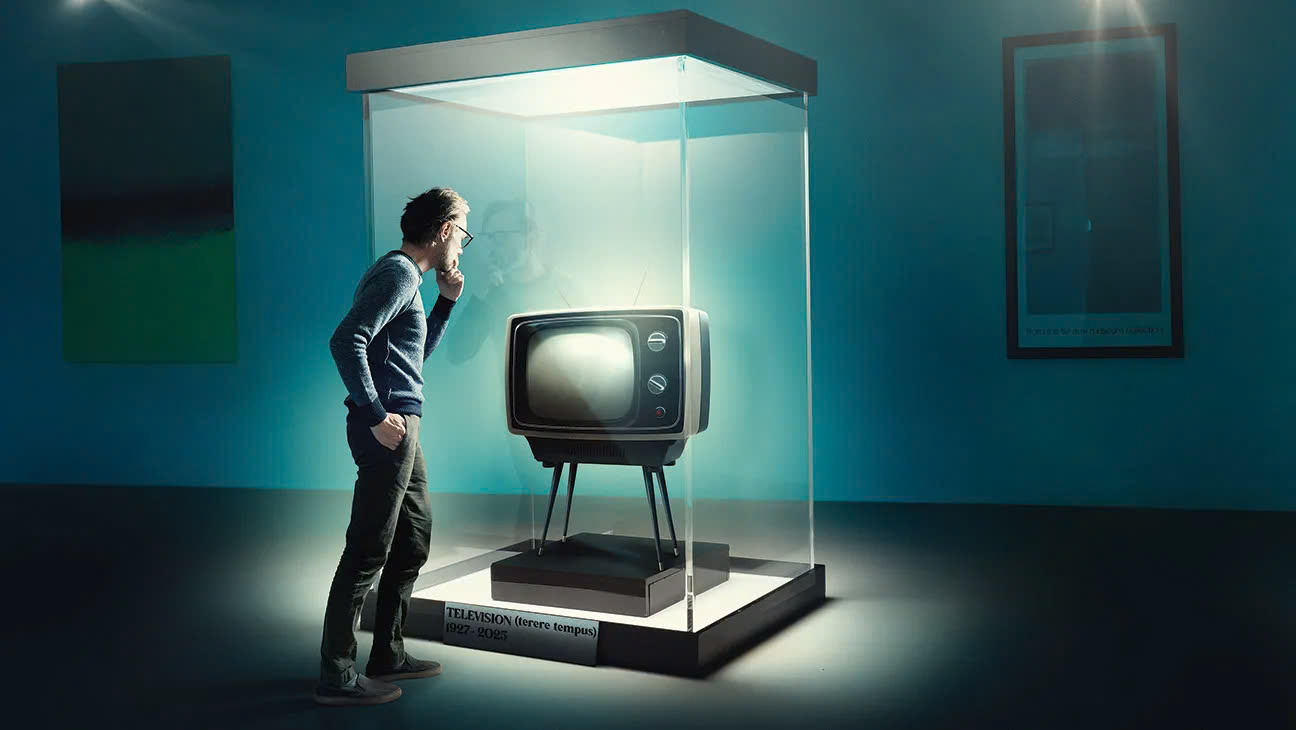
Traditional television is entering a period of decline. (Illustrative image, source: CJ Burton)
Many major events, from the Academy Awards to top sporting events like Monday Night Football and the NBA Finals, require viewers to pay to watch online. College football games, Sunday NFL games, and MLB Playoffs are also no longer free online. All of this shows that streaming television is gradually taking over the market, and viewers will have to adapt to paying to enjoy their favorite content.
Data from Nielsen shows that in 2024, 14 of the top 50 television broadcasts will still be exclusive to pay-per-view services, primarily football matches on Fox and ESPN.
However, 2025 is predicted to be a major turning point, when this number will drop to zero. This means that all programs on Nielsen's most-watched list will be available on independent streaming services, without the need for a paid television package.
The shift from linear television to streaming wasn't sudden, but rather a slow and steady process. Years ago, entertainment programs began moving toward an on-demand streaming model, with Netflix leading the way. Major players in the entertainment industry like Disney, NBCUniversal, Warner Bros. Discovery, and Paramount quickly followed suit.
As Hollywood poured billions of dollars into streaming services, cable television channels gradually lost their former prominence. Brands like TNT and USA, once known for their richly scripted programming, significantly reduced their offerings. Meanwhile, other brands like FX and Bravo transformed into hybrid channels, broadcasting traditional television while also providing exclusive content for streaming platforms like Hulu and Peacock. In other words, cable television channels are becoming mere shadows of their past selves, as streaming increasingly dominates the market.
The 'two-faced' strategy of the big players.
Disney CEO Bob Iger told Wall Street analysts on February 5th: "We are now at a point where the linear television networks within the company are no longer a burden, but actually a valuable asset ." He emphasized that Disney is strategically investing in programming and funding these networks to strengthen its overall television business, including streaming – an area he believes is the future of the industry.
In other words, Disney is spending significantly less on linear television content while still earning the monthly fees they can.
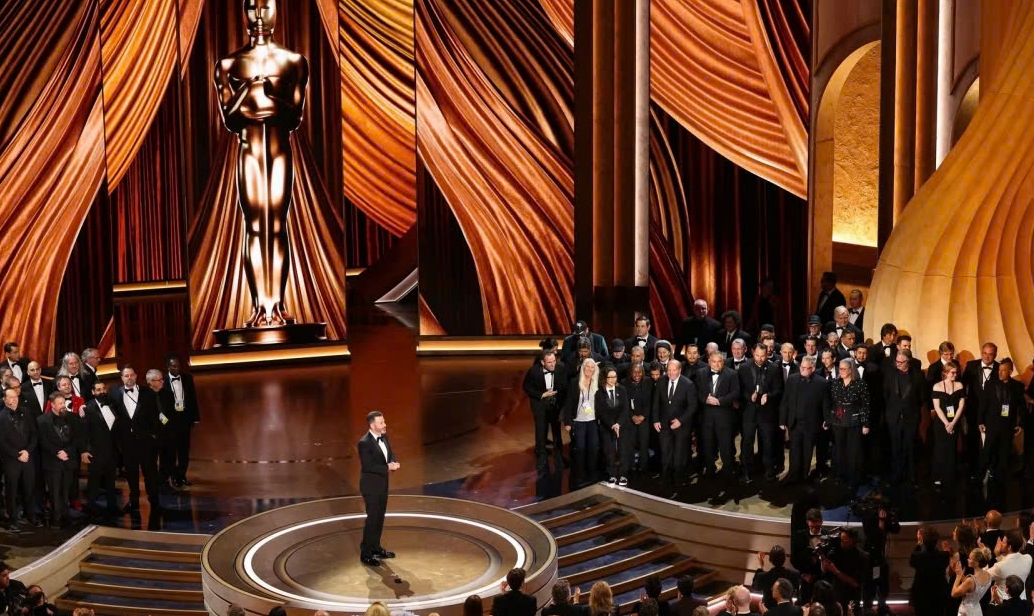
For the first time in history, the Academy Awards will be broadcast live not only on traditional television channel ABC but also on Disney's Hulu streaming platform. (Image: 2024 Academy Awards, source: GI)
Sports and news were the last remaining items in the television package, although NBC, CBS, and WBD all became more active in live-streaming their sports and events like the Grammys on their respective streaming services, and Disney had begun live-streaming some sports on Disney+ and Hulu before launching its flagship ESPN channel.
Even smaller cable channels have embraced the change, with AMC, Hallmark, Reelz, and The Weather Channel either launching standalone services or partnering with a larger platform for streaming.
Meanwhile, executives are shifting to a new strategy: trying to have it both ways. On one hand, they're even getting ESPN and Fox – which have now officially joined the streaming service. On the other hand, there's a desire to try and salvage the pay-TV package in some form.
What opportunities are there for traditional television?
The rapid collapse of the Venu service, a sports collaboration between Disney, Warners, and Fox, marked a major turning point for the pay-TV market. Providers like DirecTV and Comcast realized that as entertainment content increasingly shifted to online platforms, they needed to change their strategy. They began offering more compact packages, focusing on sports and news, areas that still attracted a large audience.
With pay television no longer offering exclusive content, providers are opening up opportunities for more innovative channel packages. They hope that by offering smaller packages, focusing on niche genres, they can attract consumers and deliver real value, something that traditional basic packages no longer provide.
Disney CEO Bob Iger explained that Venu became redundant in their strategy. Instead, Disney focused on "making ESPN accessible in any way consumers want, wherever consumers want."
Fox is also having to adapt to the failure of the Venu project, as they realize that millions of people have switched from traditional cable television and may never return. If Fox's content isn't delivered to these audiences through other platforms, they risk falling behind.
Lachlan Murdoch, CEO of Fox, shared his thoughts on the company's new streaming service: " We're building a service specifically for people who have cut off cable TV and will never use it again."
However, he also emphasized: "We still believe that traditional cable TV packages are the best value option for consumers and for our company. Therefore, we are strong supporters of traditional cable TV packages and will always be."
The world of media has completely changed compared to 25-30 years ago. Back then, all live events were concentrated on pay television, because most American households paid for a range of television channels. Now, the number of pay-TV subscribers is rapidly declining, and valuable content is seeking new distribution platforms.
The question is whether the remaining cable channels will be swept up in the general collapse of the entire cable industry, or whether they can find their own survival strategy?
Phan Anh (according to Hollywoodreporter, Disney)
Source: https://www.congluan.vn/su-ket-thuc-cua-truyen-hinh-truyen-thong-da-den-post334686.html





























































![[Video] Sunset at Lap An Lagoon – Where the sun sets over the fishing nets](https://vphoto.vietnam.vn/thumb/1200x675/vietnam/resource/IMAGE/2026/05/31/1780192137701_beach-landscape-sea-water-nature-grass-745871-pxhere-com.jpeg)







































Comment (0)