|
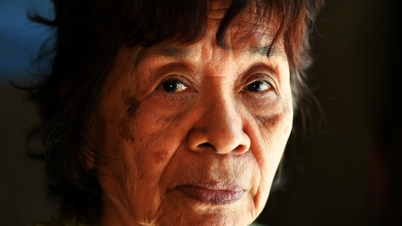
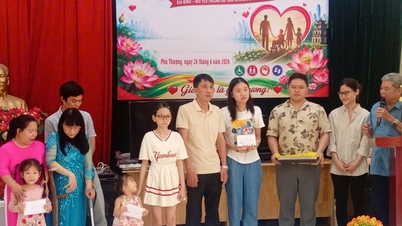
| Authorities at all levels have intensified efforts to disseminate information about the Law on Marriage and Family and to promote awareness about reducing child marriage. (Photo taken in Thanh Thinh commune). |
Child marriages still take place with full ceremonies, wedding cars, and blessings from relatives and neighbors. But behind that festive facade lie significant consequences for the future of these girls. Many girls still in school have to abandon their studies to enter married life, have children, and care for a family before they are physically and psychologically mature enough.
It's not uncommon to see very young mothers bringing their children to medical facilities for check-ups and treatment. When their children cry, these young mothers often feel confused and overwhelmed. In many cases, grandparents and other relatives have to help care for both mother and child because the children themselves are still at an age where they need family protection.
A few years ago, the story of an 11th-grade girl in a central ward of the province who became pregnant unintentionally went viral. Faced with this fait accompli, the two families were forced to arrange a wedding. The story is still recounted today as a lesson about the consequences of early relationships and a lack of knowledge and skills to protect oneself.
Similarly, another female student, while in 11th grade, also informed her family of her pregnancy. After initial strong reactions, both families reluctantly agreed to hold a "shotgun wedding." However, the marriage quickly fell apart. When the child was born, the parents had not registered their marriage, so completing the necessary civil registration procedures proved quite difficult.
In reality, the majority of child marriages occur in families facing economic hardship, limited education, or a lack of parental guidance and support. In some ethnic minority areas, the belief persists that marrying off children early is necessary to "stabilize their lives" or to prevent them from marrying someone else.
For example, in Ta Han village, Nam Cuong commune, two cases of arranged child marriage were recorded in 2025. This village has over 100 households, 100% of whom are Mong ethnic people. Despite regular awareness campaigns, some old customs have not been completely eradicated.



Child marriage is not unique to Ta Han; it has occurred in many localities throughout the province. Local customs and regulations clearly stipulate that marriages between men and women who have not reached the legal age for marriage and family are prohibited. However, many cases still involve traditional weddings without proper registration.
In Than Sa commune, many women marry very young. Some get married and become mothers at just 16 years old. In other cases, marriages are arranged by both families when the women are only 15 years old. Such marriages often carry many risks regarding reproductive health, economic conditions, and educational and developmental opportunities for the individuals involved.
Thanks to regular dissemination of information about the Law on Marriage and Family, most people are well aware of the regulations regarding the minimum age for marriage. Therefore, many cases of child marriage involve only a traditional wedding ceremony without registering the marriage. When a child is born, the mother follows the procedures for registering the child's birth as required. Only after reaching the legal age for marriage do couples complete the legal procedures and are recognized as legally married.
 |
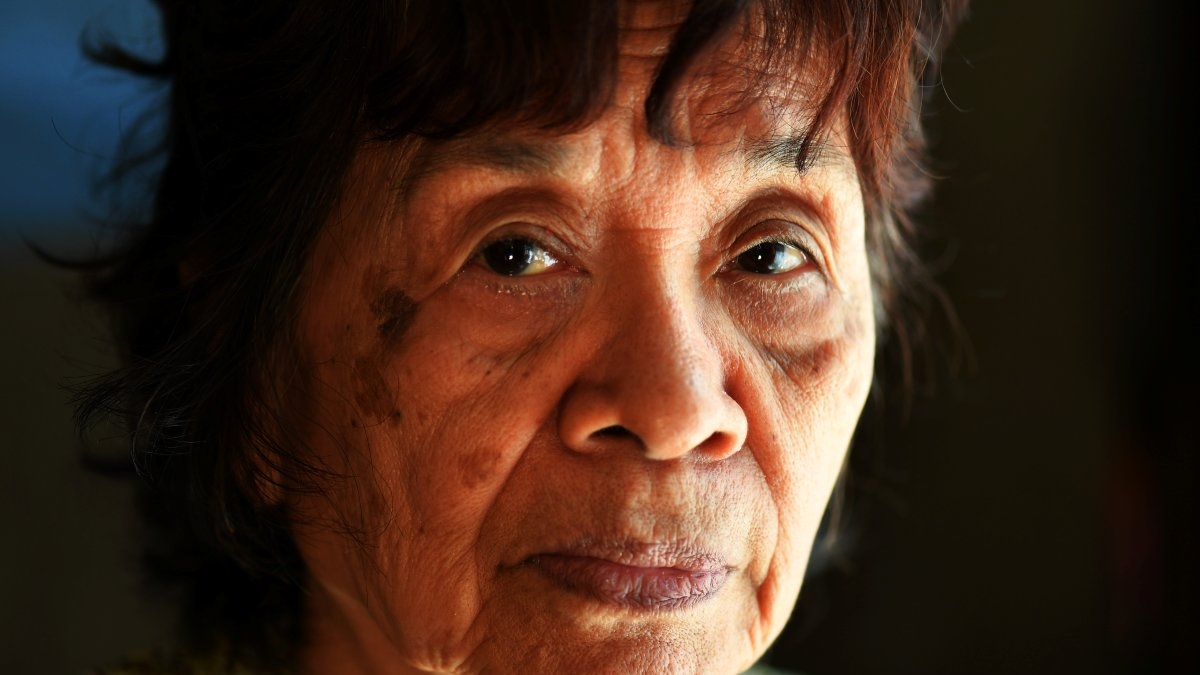
| Girls need attention, care, and skills related to privacy and psychological development appropriate to their age. (Photo taken in Van Lang commune). |
Child marriage not only affects the future of the children but also leads to many negative consequences for families and society. In some cases, violating legal regulations related to relationships with minors has resulted in criminal liability, leaving regrettable consequences for both families.
Over the past period, all levels and sectors in the province have intensified the dissemination of information on the Law on Marriage and Family, the Law on Children, knowledge about adolescent reproductive health, and gender equality. In the last five years, the entire province has organized 83 communication conferences on reducing child marriage, with nearly 9,000 participants including officials, members of the Fatherland Front working committees, and influential people in the community.
Thanks to comprehensive solutions, the rate of child marriage in the province has decreased significantly. While in 2022, there were 74 cases in the former Thai Nguyen and Bac Kan provinces, in 2025, the entire merged Thai Nguyen province recorded only 25 cases of child marriage.
However, in the context of the development of social media and digital technology, teenagers have increasingly more opportunities to access new relationships. Despite being equipped with knowledge about sexuality, reproductive health, and legal regulations by their families and schools, a segment of students still neglect their studies and lack self-protection skills, leading to regrettable consequences.



Child marriage has decreased but has not completely disappeared. To combat this situation, along with the involvement of all levels and sectors, each family needs to pay more attention to educating and guiding their children. When young people are equipped with sufficient knowledge, life skills, and a healthy environment for development, the sad stories of child marriage will gradually fade away.
Source: https://baothainguyen.vn/xa-hoi/202606/tao-hon-chuyen-muon-nam-cu-2f048d7/