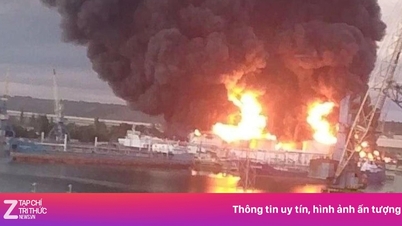
After more than 100 days of military tension, the US and Iran announced a peace agreement, most notably a commitment to reopen the Strait of Hormuz – a strategic shipping lane carrying approximately 20% of global oil trade. Following this news, energy markets reacted positively, with Brent crude oil prices falling by more than 4%, reaching their lowest level in three months.
Regarding the commercial impact of this new development, the most noticeable short-term effect is a cooling of energy prices. Throughout the conflict, disruptions to operations in the Strait of Hormuz fueled market concerns about potential oil and gas supply shortages. The easing of tensions has eased investor defensive sentiment, creating conditions for lower oil prices and shipping costs. Financial institutions have begun adjusting their forecasts to be more optimistic. Citi Bank predicts that, if the agreement is fully implemented, oil prices could be $10-15 lower per barrel by the end of this year compared to current levels.
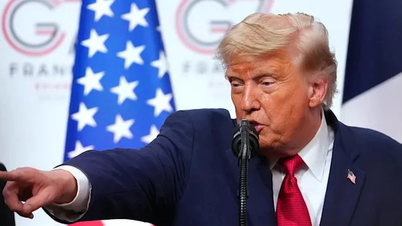
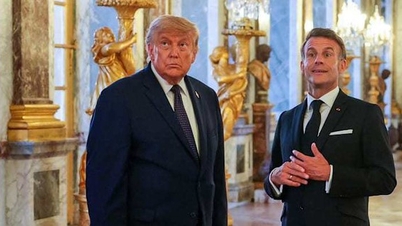
For major energy-importing economies like Japan, South Korea, India, and most European countries, this is particularly positive news. Lower oil prices mean lower production and transportation costs, thereby reducing inflationary pressure and supporting consumption. Global stock markets also benefit as geopolitical risks lessen and economic growth prospects improve. The far-reaching impacts of these developments are also why the ongoing G7 Summit in France is devoting significant time to discussing post-conflict scenarios between the US and Iran.
However, experts remain cautious. The President of the German Central Bank (Deutsche Bundesbank), Joachim Nagel, stated that while the agreement is a positive sign, the economic impact of the conflict is still long-lasting. According to him, energy prices remain significantly higher than before the conflict and could continue to put pressure on wages, commodity prices, and inflation in Europe.


In fact, many also express concern about the possibility of energy prices quickly returning to pre-war levels, as oil and gas facilities in the Middle East need time to restore operations – especially those infrastructure affected by the conflict. Analysts estimate that regional production could reach only about 70% capacity after 3 months and about 90% after 6 months. This is without considering that global energy reserves have been significantly depleted during the war, and restocking will create additional demand for oil, limiting the rate of price decline.
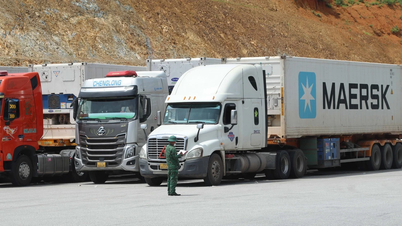
Logistics operations also face numerous challenges in the immediate future. Even if the peace agreement is fully implemented, the process of clearing mines, restoring shipping lanes, and getting ports back to normal operation could take weeks. Ben May, Director of Global Macroeconomic Research at Oxford Economics, argues that transit through the Strait of Hormuz is now even "riskier and more expensive" than before the conflict.
In the long term, the agreement's significance is far greater. If maintained, a more sustainable and developed Middle East would facilitate the growth of international investment, trade, and transportation.
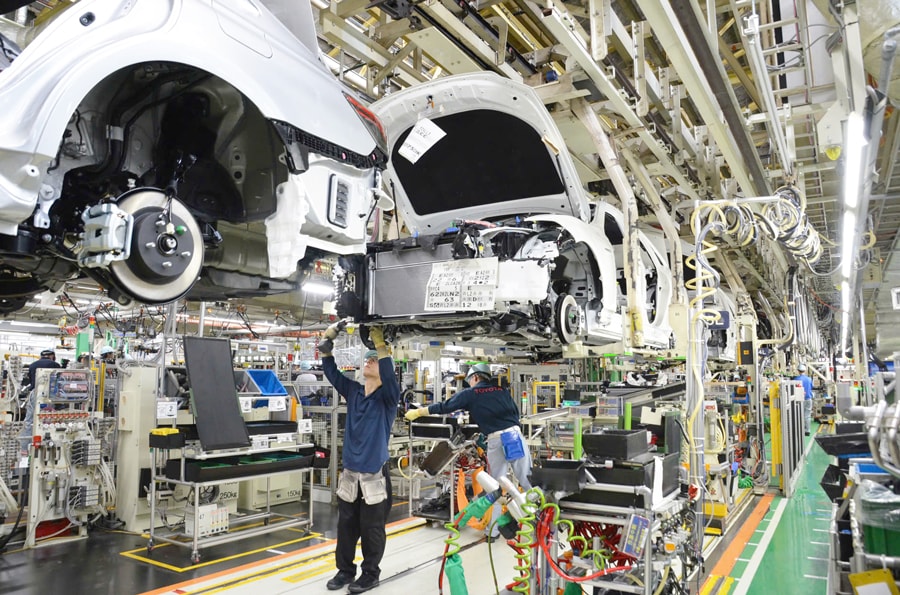
One of the sectors projected to benefit most significantly from the US-Iran agreement is the global industrial supply chain. For months, the conflict in the Middle East has not only driven up oil prices but also increased the cost of a range of crucial raw materials. Industries such as chemicals, steel, cement, fertilizers, plastics, textiles, and air transport are all heavily dependent on oil and gas, both as fuel and as raw materials for production. As energy prices surge, escalating production costs have forced many businesses to cut production, delay investment, or pass the increased costs on to consumers.
In this context, the cooling of energy prices following the peace agreement could create widespread ripple effects. Operating costs for factories, raw material transportation, and international logistics all have the potential to decrease, thereby improving business profit margins. This is particularly important as many major economies are still facing weak consumer demand, slow growth, and high interest rates after years of fighting inflation.
For Vietnam, an economy with a high degree of openness and heavy reliance on international trade, lower energy prices will help reduce inflationary pressure from imports, supporting production and exports. At the same time, reduced shipping costs could create more room for businesses amidst a gradually recovering global demand.



Nevertheless, the positive outlook for the global economy still depends on a prerequisite: the agreement must be fully and sustainably implemented. History shows that peace agreements in the Middle East always carry the risk of collapse. Therefore, although the world economy has somewhat breathed a sigh of relief after the recent developments, the journey back to normalcy still requires a high degree of vigilance.
Source: https://hanoimoi.vn/thoa-thuan-cham-dut-xung-dot-my-iran-thuoc-giam-dau-cho-nen-kinh-te-toan-cau-1207844.html