

Humanities program
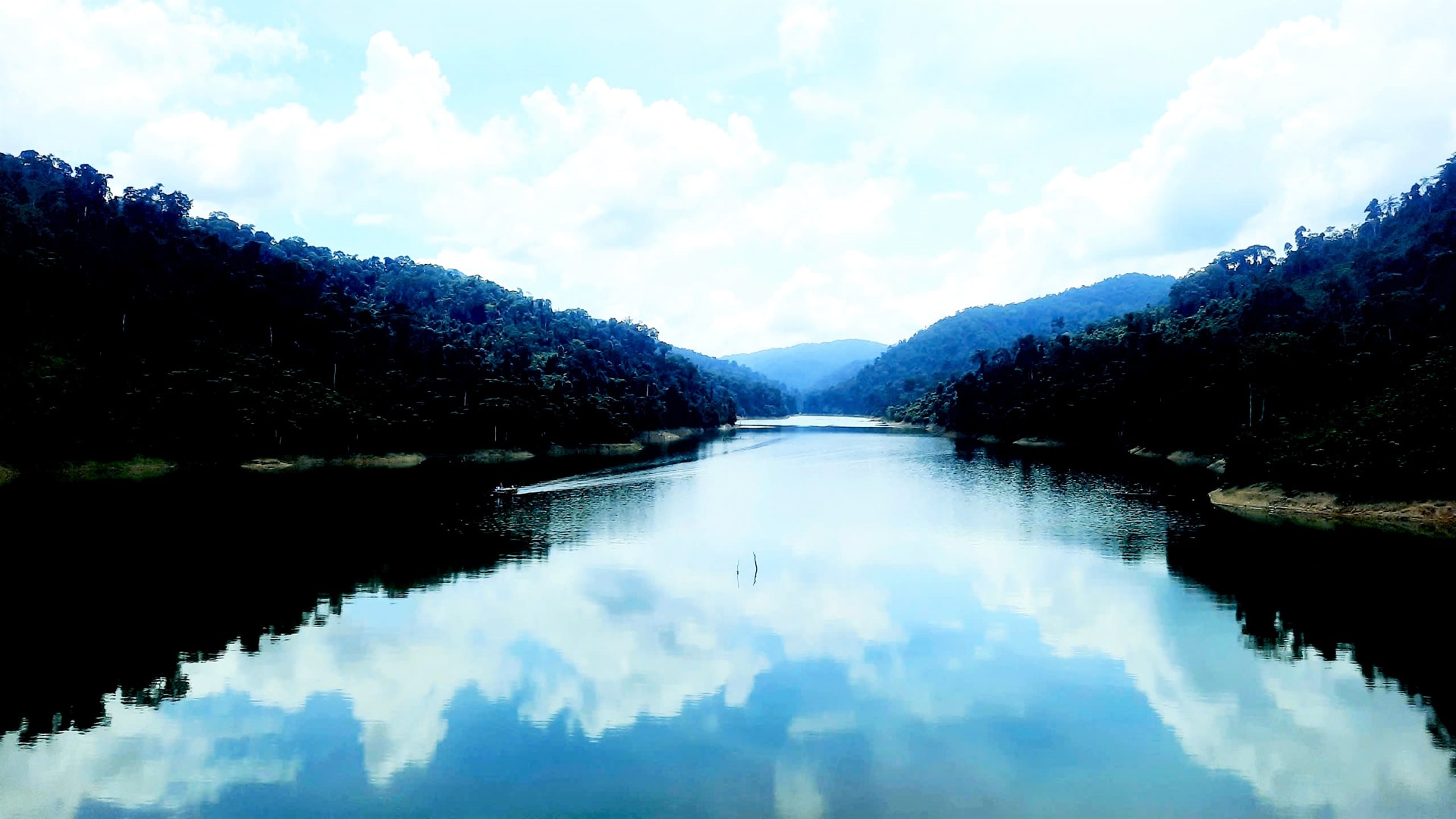
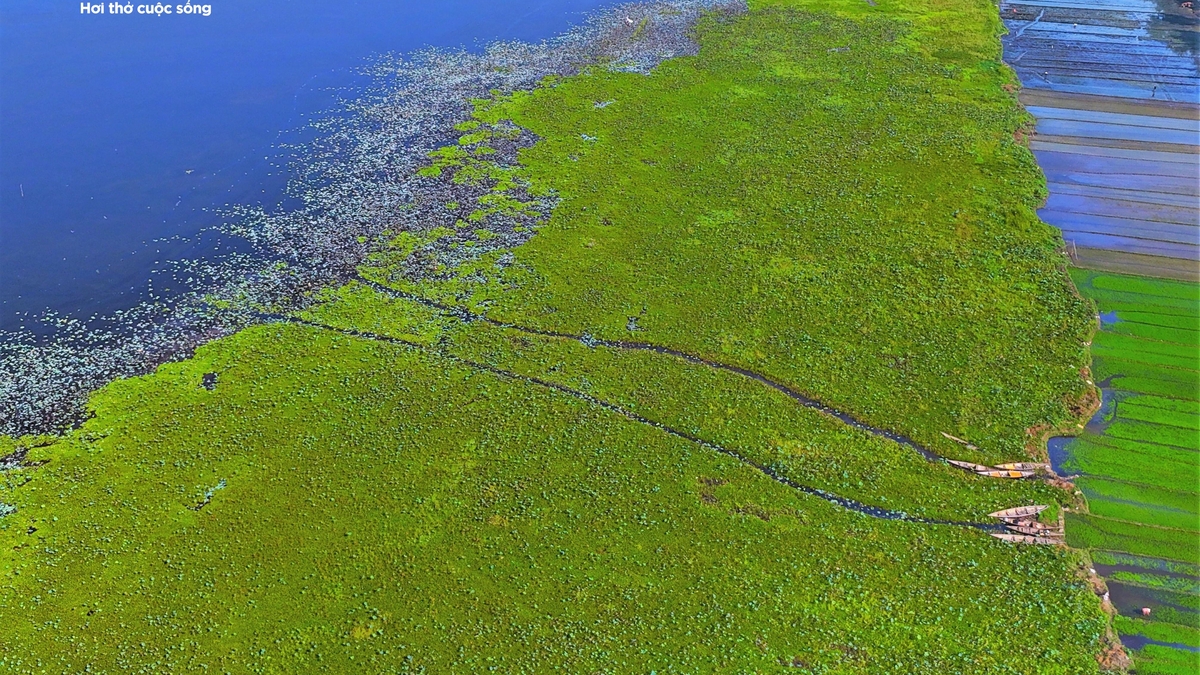
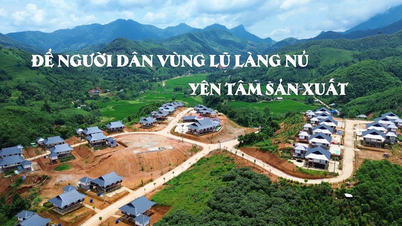
The livelihood program for people in the hydropower reservoir basins implemented in Da Nang (including the former Quang Nam province) is a pioneering initiative compared to other localities nationwide. This is a practical and humane activity aimed at supporting and helping people in the hydropower reservoir basins overcome difficulties, gradually escape poverty, and achieve stable lives.
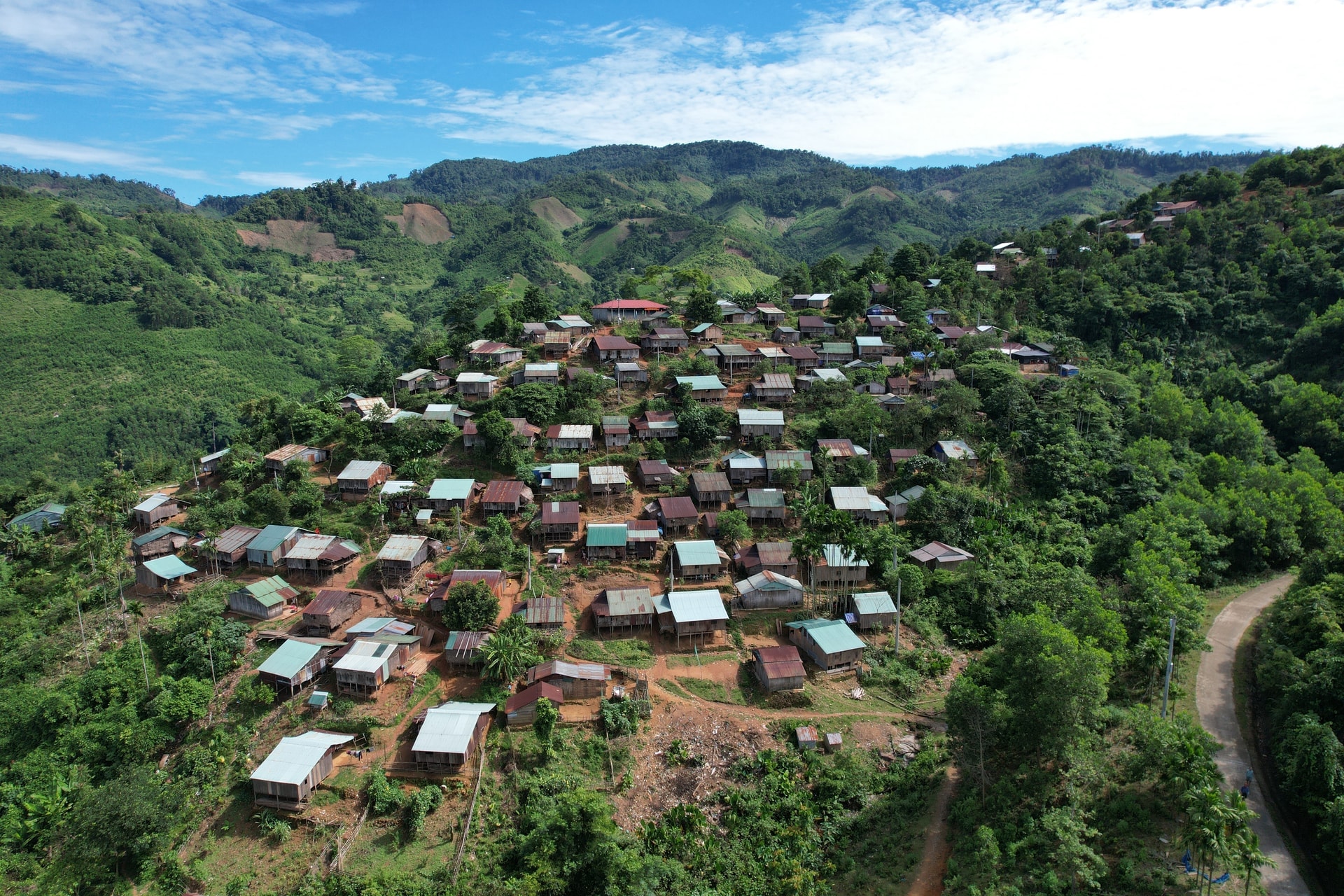
Currently, the city has 44 hydropower projects located in 31 communes. After three years of implementation, 12 communes have implemented the program with many practical models.
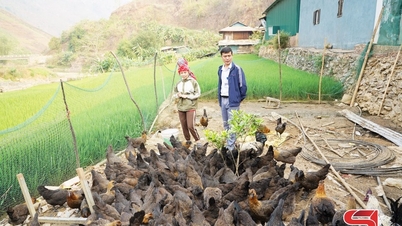
According to representatives from Ben Hien commune, the livelihood models implemented in the commune have initially proven effective. Some models and projects have the potential to be replicated and developed into marketable products, such as growing A Rieu chili peppers, native lon bon trees, breeding cattle, and raising local black pigs...
In Tra Tap commune, providing Ngoc Linh ginseng seeds to households is a model that suits the local potential and strengths, enjoys high public support, brings significant economic value, contributes to increasing the quantity and quality of seed sources in the area, and creates a capital cycle when ordering seeds from households within the same commune.
In addition, models supporting crops suitable for each region, and supporting the preservation and promotion of unique cultural values have yielded positive results, creating significant changes in the lives and farming practices of people in the highlands.
According to Tran Ut, Deputy Director of the City's Department of Agriculture and Environment, the models have proven their suitability, sustainability, and high scalability, contributing to promoting socio-economic development in mountainous areas, improving living standards, creating jobs, and sustainably reducing poverty for people in the hydropower project areas.
During the 2023-2025 period, there are 17 models and projects funded by recurrent expenditure and national target programs. These livelihood models are all suitable to the natural conditions, soil, and farming practices of the people in mountainous areas. Many models have initially shown clear economic effectiveness, helping to increase income by 15-20% compared to before participation.
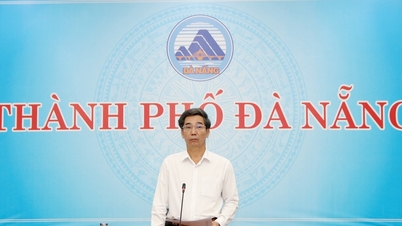
"Hydropower project units participating in livelihood programs should not view this as charity or handout, but rather as a social responsibility in sustainable economic development, harmonizing the interests of businesses and the community. It is an act of gratitude to the people who have given up their land, homes, and forests, and who have been directly and indirectly affected by hydropower projects. Therefore, livelihood support is necessary and long-term," said Vice Chairman of the City People's Committee Tran Chi Cuong.
Find sustainable solutions.
Besides the achievements, Vice Chairman of the City People's Committee Tran Chi Cuong frankly stated that, after 3 years of implementation, the program has not actually achieved its set goals.
The program aims for each locality with a hydroelectric reservoir to have at least one livelihood model for its residents by 2023. By 2024, at least two models should be completed, and by 2025, all localities with reservoirs should have sustainable livelihood models for their people. However, in reality, by the end of 2025, only 12 communes had implemented these models. Furthermore, the implementation still faces many limitations, difficulties, and specific obstacles.
Accordingly, the implementation of livelihood programs has lacked decisiveness. Some localities have not been proactive, or even paid attention to researching and fully understanding the content of the livelihood programs. Some localities have focused only on proposing models to support livestock breeding, and have not focused on proposing models for reforestation. Some livelihood models have been implemented but the number of people benefiting has not been determined. After implementation, livelihood models lack attention to inspection, monitoring, supervision, evaluation, and even technical guidance, leading to ineffective implementation.
To ensure the program is truly effective, promoting its positive aspects and humanitarian values, Vice Chairman of the City People's Committee Tran Chi Cuong requested that localities participating in the program recognize this as their political task and a great responsibility, demonstrating determination to bring economic benefits and help people overcome difficulties and achieve stable lives.
Relevant departments and agencies must review and evaluate the practical effectiveness of each model, and together with localities, proactively develop specific programs and plans for each year, while strengthening coordinated efforts among specialized agencies to ensure implementation meets the set deadlines, quality, and effectiveness. For hydropower units and investors, it is necessary to strengthen responsibility in reaching consensus and agreement on policies, and providing maximum resources to support the development of people's livelihoods.
According to Vice Chairman of the City People's Committee Tran Chi Cuong, for the program to be truly effective and for people in the reservoir basin to genuinely benefit, it is equally important to promote awareness among the people and the community about preserving resource values in order to maintain and promote existing values. Along with that, training and guidance should be organized to help people learn how to plan production, change farming practices, apply new techniques to production, and transform the structure of crops and livestock.
Source: https://baodanang.vn/tim-huong-hai-hoa-loi-ich-3318001.html
![[Image] Current status of the land area of over 5.5 hectares that Ho Chi Minh City is considering reclaiming.](https://vphoto.vietnam.vn/thumb/1200x675/vietnam/resource/IMAGE/2026/04/15/1776245690095_1-3102-8409-jpg.webp)
![[Photo] Capturing each moment at the "People We Meet" photography exhibition.](https://vphoto.vietnam.vn/thumb/1200x675/vietnam/resource/IMAGE/2026/04/15/1776245695648_1-8944-jpg.webp)
![[Photo] General Secretary and President To Lam and General Secretary and President Xi Jinping meet with youth from both countries.](https://vphoto.vietnam.vn/thumb/1200x675/vietnam/resource/IMAGE/2026/04/15/1776245687540_vna-potal-tong-bi-thu-chu-tich-nuoc-to-lam-va-tong-bi-thu-chu-tich-nuoc-tap-can-binh-gap-go-thanh-nien-hai-nuoc-8702371-jpg.webp)
![[Photo] National Assembly Chairman Tran Thanh Man concludes official visit to Italy, departs for IPU-152](https://vphoto.vietnam.vn/thumb/1200x675/vietnam/resource/IMAGE/2026/04/15/1776253436109_vna-potal-chu-tich-quoc-hoi-ket-thuc-tham-chinh-thuc-italy-len-duong-du-ipu-152-tai-tho-nhi-ky-8702876-7969-jpg.webp)
![[Photo] General Secretary and President To Lam and his wife, along with General Secretary and President Xi Jinping and his wife, attending a tea party.](https://vphoto.vietnam.vn/thumb/1200x675/vietnam/resource/IMAGE/2026/04/15/1776245678527_vna-potal-tong-bi-thu-chu-tich-nuoc-to-lam-va-phu-nhan-cung-tong-bi-thu-chu-tich-nuoc-tap-can-binh-va-phu-nhan-du-tiec-tra-8702812-9829-jpg.webp)
![[Image] Overview of the Tam Trinh-Giai Phong connecting road section after land clearance is completed.](https://vphoto.vietnam.vn/thumb/1200x675/vietnam/resource/IMAGE/2026/04/15/1776245679644_ndo_br_dji-0195-jpg.webp)

![[Photo] My Son at night: A thousand-year-old heritage site amidst the Milky Way](https://vphoto.vietnam.vn/thumb/402x226/vietnam/resource/IMAGE/2026/04/15/1776261039184_ndo_br_chon6-jpg.webp)














![[Photo] Mrs. Ngo Phuong Ly meets and exchanges views with Mrs. Peng Li Yuan](https://vphoto.vietnam.vn/thumb/1200x675/vietnam/resource/IMAGE/2026/04/16/1776277858080_phu-nhan-1-jpg.webp)
![[Photo] National Assembly Chairman Tran Thanh Man attends the opening session of IPU-152](https://vphoto.vietnam.vn/thumb/1200x675/vietnam/resource/IMAGE/2026/04/16/1776277863731_ctqh5-jpg.webp)
![[Photo] The General Secretary, President and his wife meet with Vietnamese-Chinese friendship leaders.](https://vphoto.vietnam.vn/thumb/1200x675/vietnam/resource/IMAGE/2026/04/15/1776264829725_vna-potal-tong-bi-thu-chu-tich-nuoc-to-lam-gap-mat-nhan-sy-huu-nghi-viet-nam-trung-quoc-8703641-3130-jpg.webp)
![[Photo] My Son at night: A thousand-year-old heritage site amidst the Milky Way](https://vphoto.vietnam.vn/thumb/1200x675/vietnam/resource/IMAGE/2026/04/15/1776261039184_ndo_br_chon6-jpg.webp)
![[Photo] National Assembly Chairman Tran Thanh Man arrives in Türkiye to attend IPU-152](https://vphoto.vietnam.vn/thumb/1200x675/vietnam/resource/IMAGE/2026/04/15/1776261003665_tnk10-jpg.webp)




































Comment (0)