For the Taliban, an official and direct presence on EU territory, while not yet proof of formal diplomatic recognition, is a crucial step toward achieving that goal.
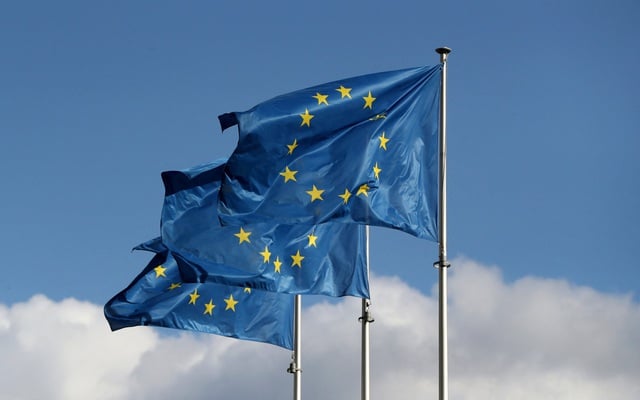
European Union (EU) flag
Photo: Reuters



For the EU, welcoming the Taliban delegation marks the beginning of gradually abandoning the long-standing taboo of diplomatic non-recognition of the Taliban regime in Afghanistan. The EU must now proactively move towards the Taliban because the situation forces them to adapt. Only by accepting to abandon the taboo can the EU resolve the two pressing issues related to the Taliban.
Firstly, there is the issue of repatriating Afghan refugees in EU member states since the Taliban's return to power. In more than 20 of the 27 EU member states, Afghan refugees have become a difficult and sensitive domestic issue, causing deep divisions in politics and society.
The EU has implemented several measures, but so far none have been successful. The EU now likely understands that only through cooperation with the Taliban can these refugees be repatriated. The Taliban, seizing this advantage, is forcing the EU to "reclaim" what the Taliban needs most: diplomatic recognition.
The second issue is that the EU must build bridges of relations with the Taliban to avoid falling behind, especially as other partners, such as China, Russia, and India , are increasingly trying to draw the Taliban into their sphere of influence. To address both of these issues, the EU must be pragmatic in its relations with the Taliban.



Source: https://thanhnien.vn/tinh-the-buoc-thuc-thoi-185260625200102448.htm