

The Ho Chi Minh City Department of Culture and Sports issued document No. 3566/SVHTT-NT to rectify the performance and organization of performances, as well as the cultural conduct of individuals and organizations in the digital environment.
Specifically, the Department requests that organizations, businesses, and individuals strictly comply with legal regulations during the organization and execution of theatrical performances and artistic programs, especially those performed in theaters and indoor stages.
One of the prohibited behaviors is the misuse of technical means, such as using audio from pre-recorded tracks instead of live stage performances or lip-syncing.
This document has made lip-syncing a hot topic in public opinion, with many artists speaking out to express their views.
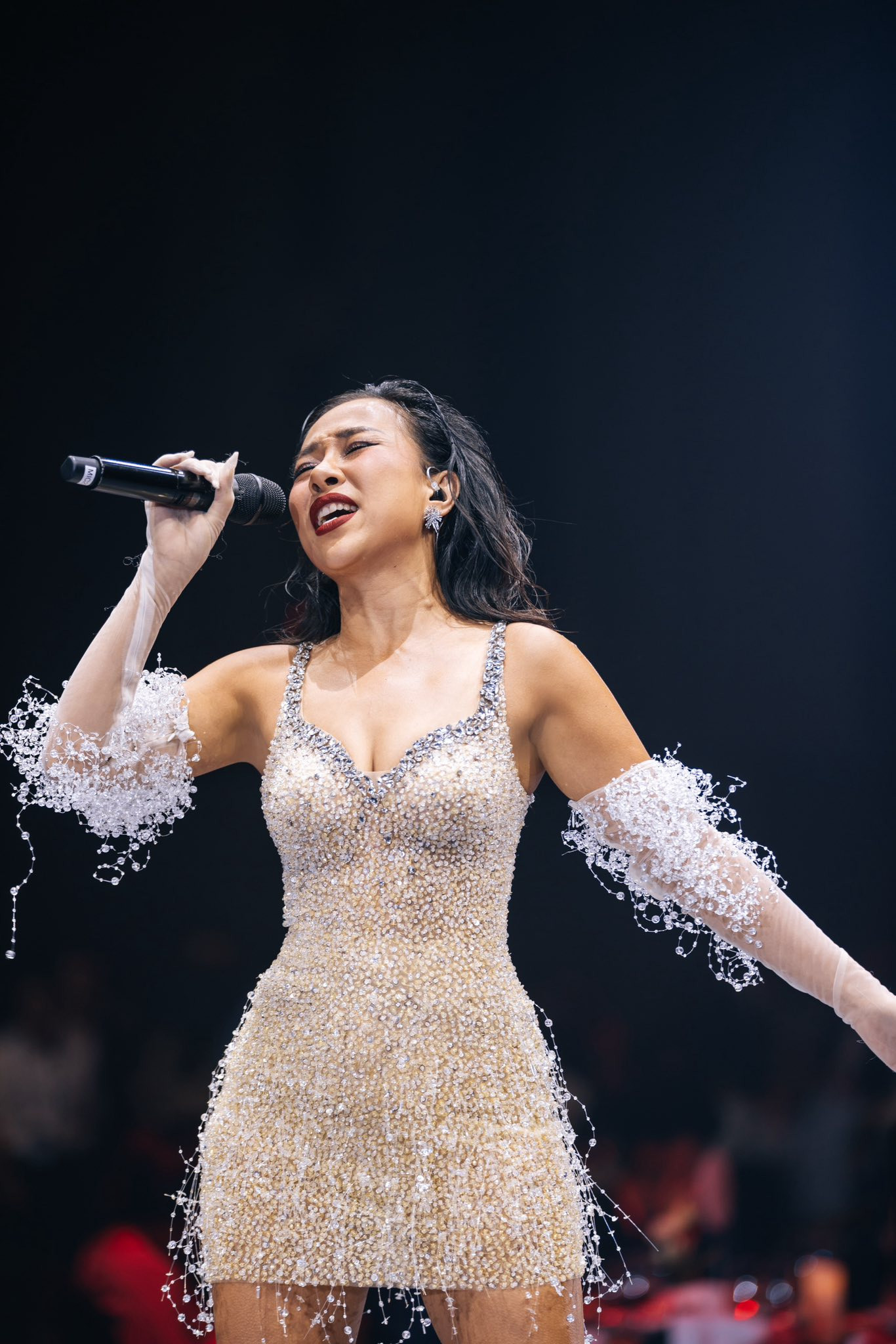
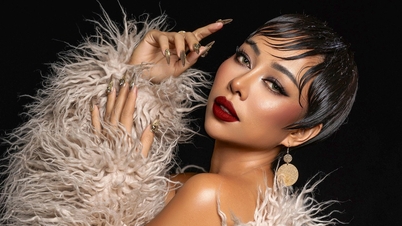
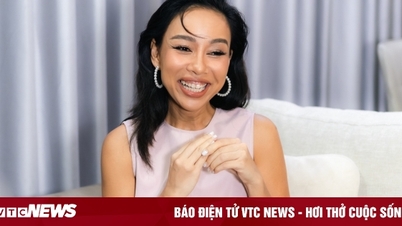
On her personal page, singer Thao Trang attracted attention by posting an article titled "I can't lip-sync."
According to her, lip-syncing is torture for professional singers. Singers are forced to lip-sync in certain situations, such as for large programs with specific requirements or to ensure sound quality for television broadcasts.
Thảo Trang has previously refused to lip-sync on several live television programs because each time she sings, her vocal improvisation is different and cannot match the recorded version.

"If you're not comfortable singing, your face is tense, and your emotions are constrained, then it's better to just stay home and sleep," she stated.
Besides the singer's self-respect, Thao Trang believes that the organizers and directors of the show also play a significant role in the phenomenon of lip-syncing abuse. Because without their consent, singers would not be allowed to lip-sync.
Singer Thien Vuong posted a photo of himself performing with the MTV group, announcing: "Today, our group lip-synced for the filming of a television program."
MTV members are easily caught lip-syncing despite having been in the industry for over 25 years.
According to him, most singers have lip-synced many times in their careers, such as when filming music videos or in shows where live singing is not possible.
The Heavenly King said that lip-syncing is always more stressful than singing live. The MTV members are all "uncomfortable, stiff, tense, and have vacant eyes" because they are afraid of lip-syncing incorrectly.
He enjoys singing live because the voice expresses the singer's soul, and each performance brings a different emotion. For him, a singer performing with a live band is wonderful.

"Singers who specialize in live performances are extremely afraid of lip-syncing because it's always obvious no matter how they do it. My older brother (members Le Minh and Anh Tuan - PV) has over 25 years of singing experience, but he always gets caught when he lip-syncs," Thien Vuong joked.
Sharing the same viewpoint, musician Luu Thien Huong concluded: "Being good at lip-syncing helps you get through one show, but being good at live singing helps you build an entire career. Because ultimately, what keeps the audience engaged is not the recorded track playing in the background, but the voice you can control with your own body."
Mi Le
Source: https://vietnamnet.vn/toi-khong-the-hat-nhep-2503257.html




































![[Video] Sunset at Lap An Lagoon – Where the sun sets over the fishing nets](https://vphoto.vietnam.vn/thumb/1200x675/vietnam/resource/IMAGE/2026/05/31/1780192137701_beach-landscape-sea-water-nature-grass-745871-pxhere-com.jpeg)



























Comment (0)