

In folk medicine, the honey locust tree is widely used to treat many different ailments. One of its distinctive features is its bitter taste, similar to bile.
Characteristics of Tongkat Ali
Tongkat Ali is a plant native to Southeast Asia, widely distributed in Vietnam, Malaysia, Thailand, and Indonesia. All parts of the Tongkat Ali plant possess high medicinal properties and are well-suited for use in medicine, making it increasingly well-known and a renowned medicinal plant.
In Vietnam, this tree grows abundantly in the central, southeastern, and Central Highlands provinces. It prefers mountainous areas below 1000 meters, or midland and hilly regions with low elevations.
In terms of characteristics, Tongkat Ali ( scientific name Eurycoma longifolia), belonging to the Simaroubaceae family, is a slender, woody plant that grows in the lower forest canopy, on gravelly soil. The entire plant is covered in hairs, and its bark is grayish-white or ivory-yellow.
The tree is of medium size, about 10 meters tall. However, the root system is concentrated in the roots, which can account for up to 80% of the tree's mass. The root system has many rootlets, which are yellowish-brown and ivory-white in color and have a fragrant scent.
The leaves are compound, with about 20-40 leaflets arranged symmetrically, up to 1 meter long; the leaflets are about 5-20 cm long and 6 cm wide. In the leaf axils are hermaphrodite, soft flowers, growing in clusters, red in color, and covered with fine hairs. The fruit is small, egg-shaped, containing a single hard seed, green when young and reddish-brown when ripe.
The honey locust tree flowers around March-April and bears fruit in May-June. Except for the flowers, all parts of the tree—leaves, fruit, trunk, bark, and roots—are used for medicinal purposes. Of these, the roots are the most frequently used part.
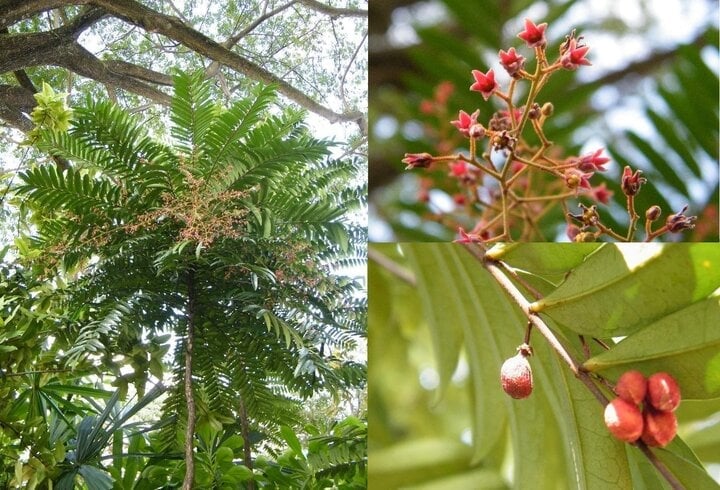
Image of the honey locust tree.
Uses of Tongkat Ali
In terms of its uses, the honey locust tree is being widely applied in several types of medication. According to some studies, the medicinal components in the honey locust tree help stimulate beta cells in the adrenal glands to produce more insulin. In addition, honey locust also has the ability to slow the absorption of sugar from the intestines into the bloodstream, increasing insulin sensitivity and helping to prevent hyperglycemia more effectively.
Furthermore, extracts from the bark of the Cynanchum auriculatum tree have the effect of preventing malaria parasites from entering the body. The Cynanchum auriculatum tree contains chemical components that can treat malaria, equivalent to chloroquine tablets used to treat malaria.
Effective antibacterial and anti-inflammatory compounds are also found in the plant *Mật Nhân*, which helps heal fibrotic liver tissue and repair stomach damage. It stimulates appetite, improves digestion, and provides effective antibacterial protection.
Furthermore, extracts from the roots and stems of the Cynanchum auriculatum plant increase serum testosterone levels, improving male sexual function. Strengthening muscles, reducing stress, and restoring vitality are also among the notable benefits of Cynanchum auriculatum.
Instructions for using the honey locust tree
Wash the fruits and leaves thoroughly and dry them. The roots, stems, and bark should be chopped into small pieces and then dried. Store in a cool, dry place to prevent mold.
There are many ways to use honey locust daily: soaking it in alcohol, soaking it in beeswax, brewing it into a tea, grinding it into powder, or making honey locust extract…
• Honey locust tree root soaked in alcohol: Soak 1 kg of honey locust tree root in 5-7 liters of white wine for about 1 month before use.
• To make a decoction of the bitter melon plant: Boil 15 grams of bitter melon with 1.5 liters of water for about 15 minutes. Filter the liquid and drink it. You can also soak it with wild banana or artichoke flowers to reduce the bitterness of the bitter melon.
• Alternatively, use Lipovitan Tongkat Ali, a Japanese energy drink: available in a 250ml can, with Tongkat Ali extract and high levels of vitamins and nutrients to provide an instant energy boost and restore vitality.
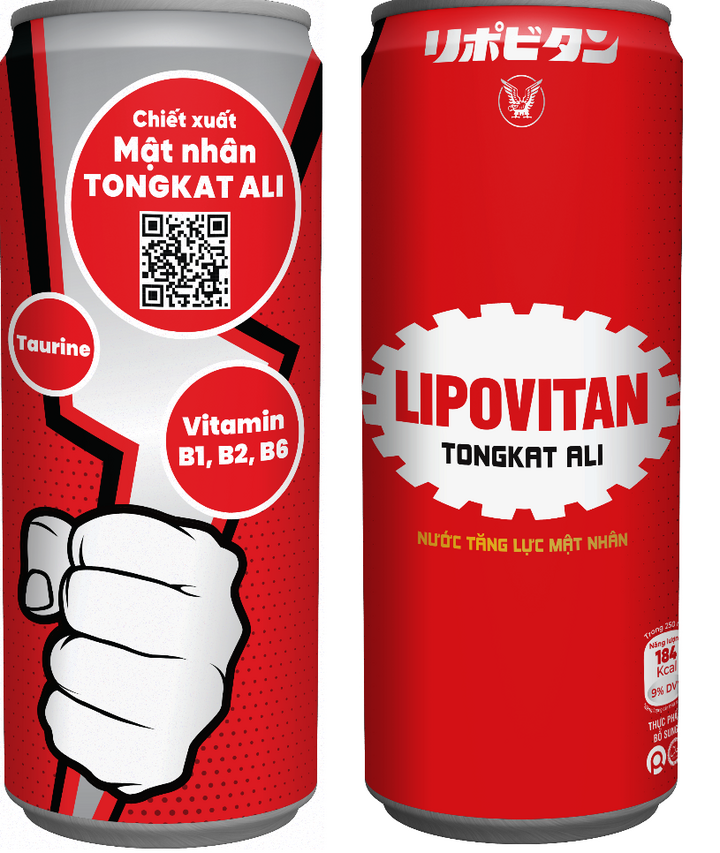
Lipovitan Tongkat Ali, a Japanese energy drink.
Some things to keep in mind when using honey.
Mật nhân is known as the "cure-all" plant; however, in reality, no single medicine can cure all diseases. The important thing is to use the right medicine for the right person and the right ailment. Pregnant or breastfeeding women and children should not use mật nhân.
Fresh Tongkat Ali available on the market carries many quality risks, potentially causing cancer, poisoning, and even life-threatening conditions. Therefore, consumers should choose products containing Tongkat Ali extract from reputable sources, such as the Japanese energy drink Lipovitan Tongkat Ali, which uses advanced technology to ensure the safe use of Tongkat Ali extract.
Source


























































































Comment (0)