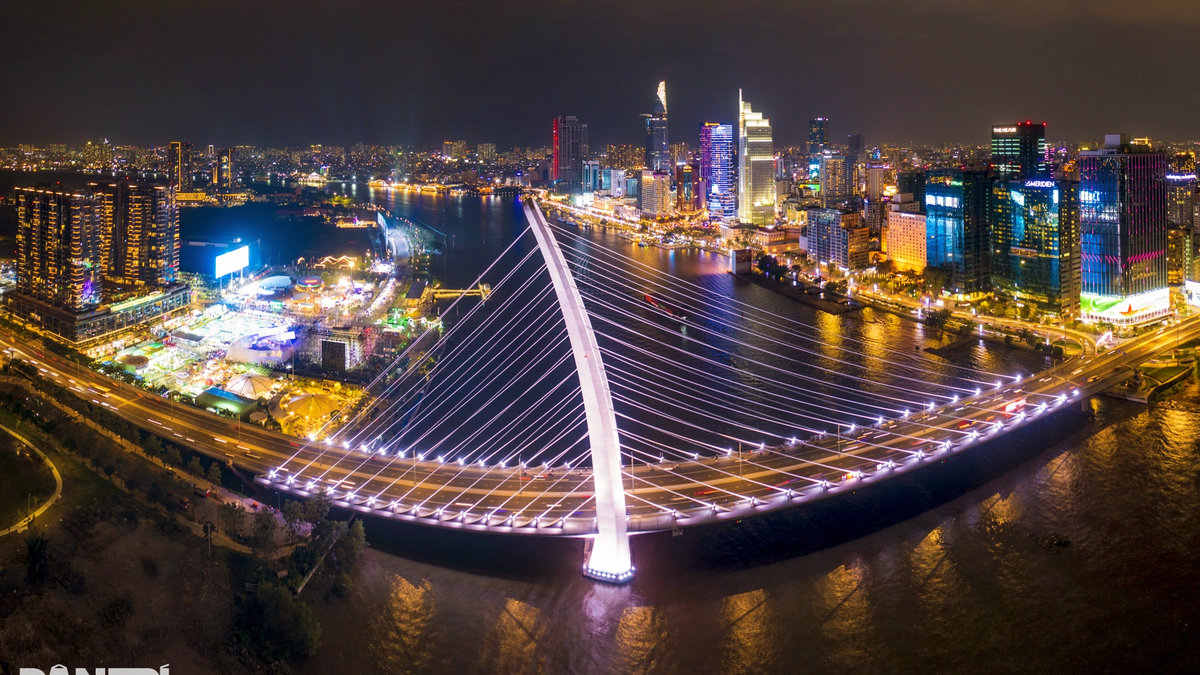
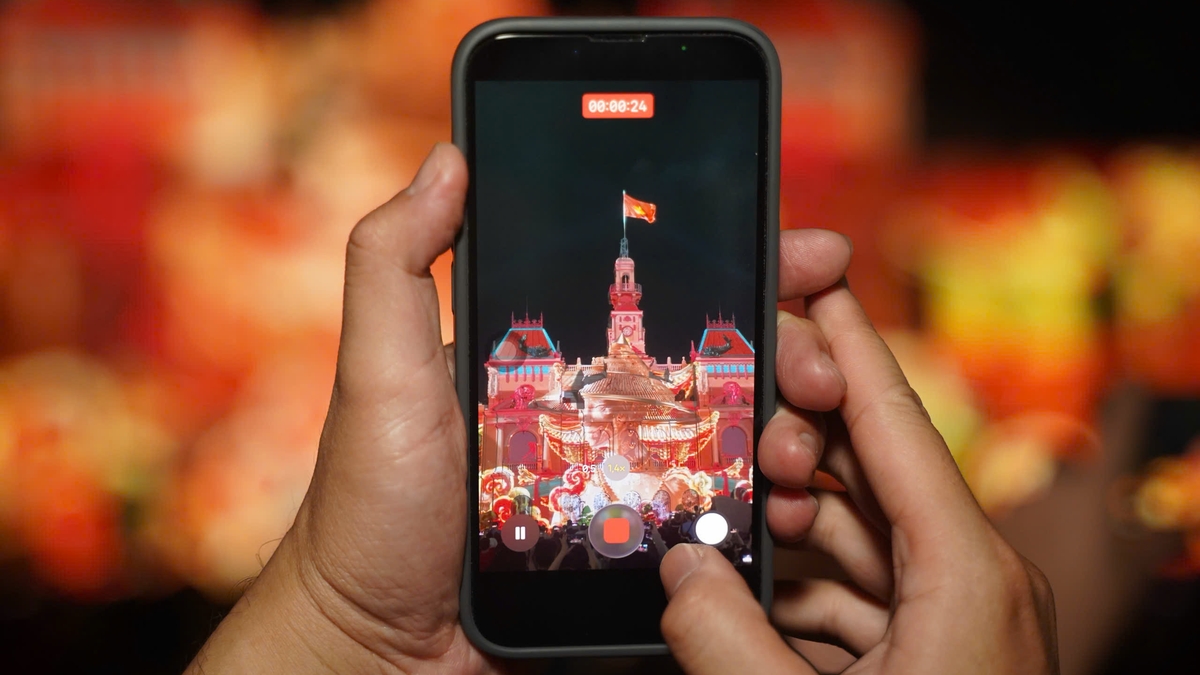
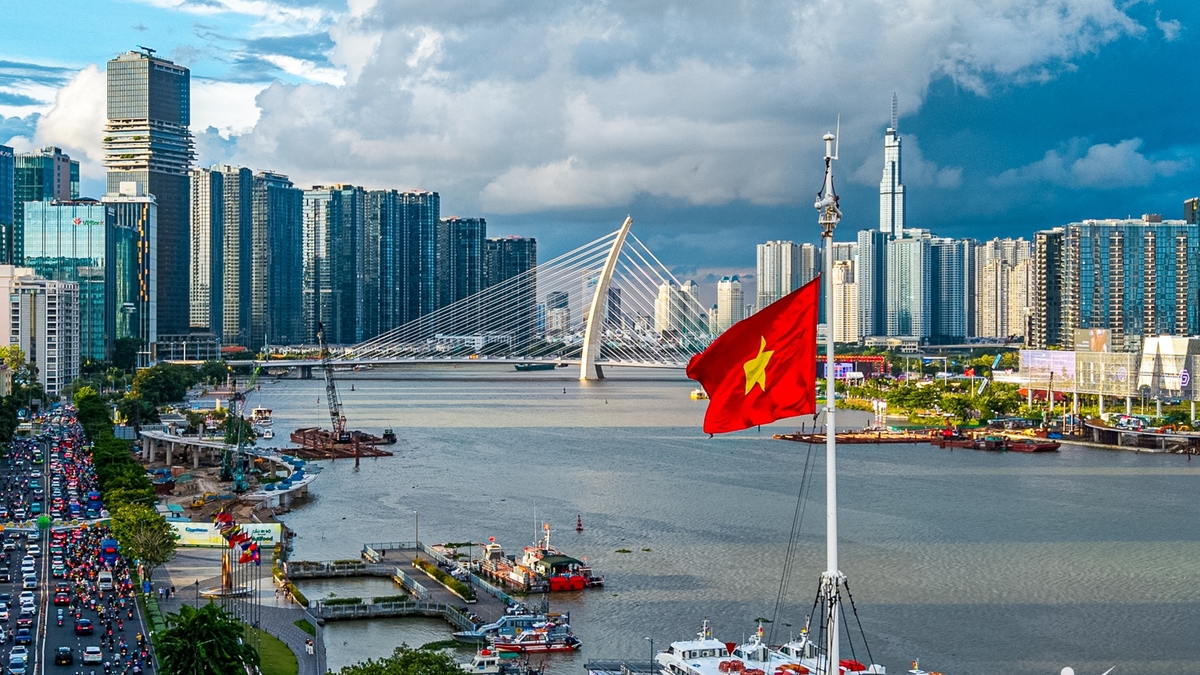
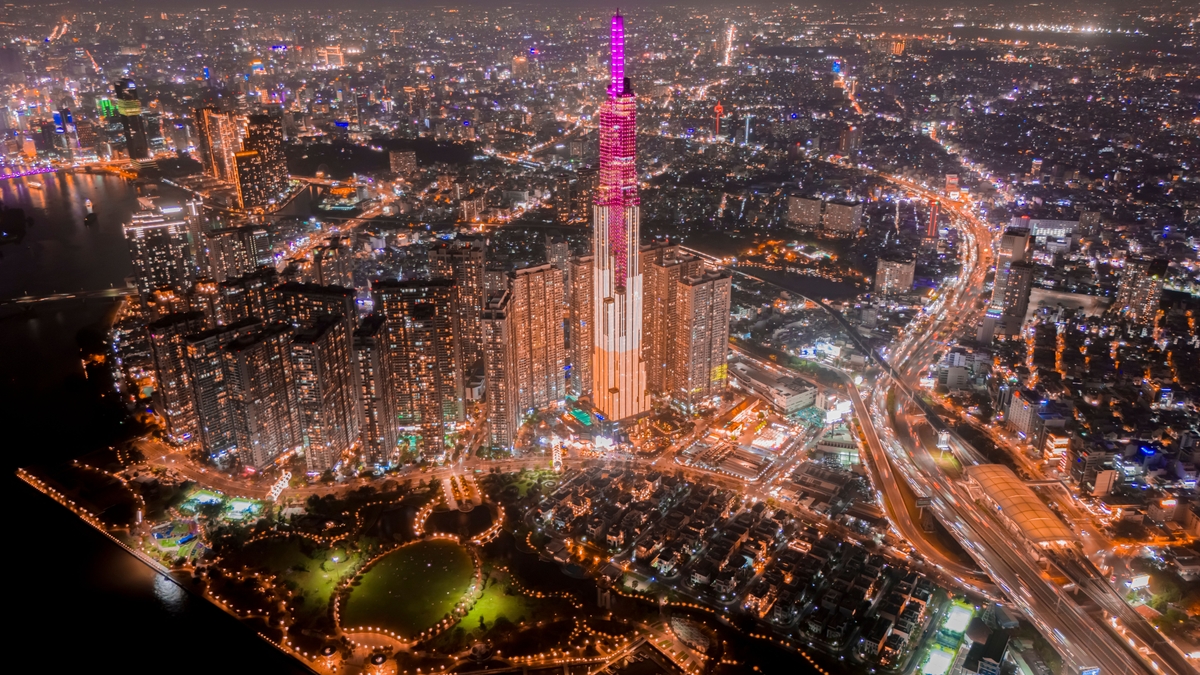
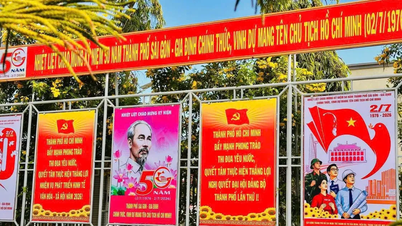
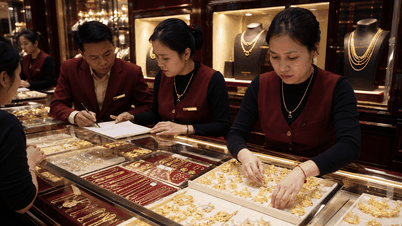
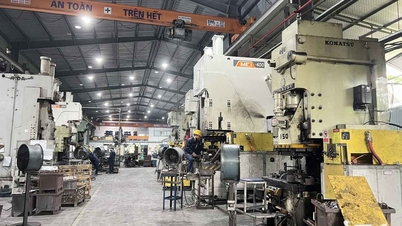
With a GRDP exceeding US$115 billion, accounting for nearly 24.4% of the national GDP, the city is forming a development space connecting finance, high technology, industry, logistics, and seaports. This is the foundation for Ho Chi Minh City to transform from a central urban area into a multi-polar economic supercity, enhancing its competitiveness with dynamic centers in the region.
New capital flows into new economic spaces.
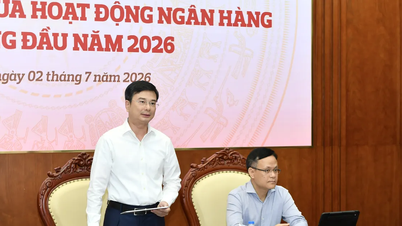
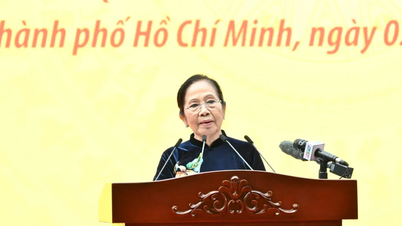
Following the merger, Ho Chi Minh City needs a strong institution to mobilize, allocate, and channel capital for its larger economy. Therefore, the Vietnam International Finance Center in Ho Chi Minh City (VIFC-HCMC) is considered a crucial pillar in the city's new development structure. According to Associate Professor Dr. Nguyen Huu Huan, Vice Chairman of the VIFC-HCMC Executive Agency, the center has attracted approximately US$19.1 billion in committed capital from various investors and financial institutions – aiming to attract around US$10 billion in actual capital by 2026. VIFC-HCMC has also launched a Fintech Hub, an international maritime finance ecosystem, and is preparing a plan to develop a capital market through an international stock exchange. This demonstrates that Ho Chi Minh City is shifting from its role as a center for attracting investment to coordinating capital flows for high technology, innovation, green economy, logistics, marine economy, and large-scale infrastructure projects.
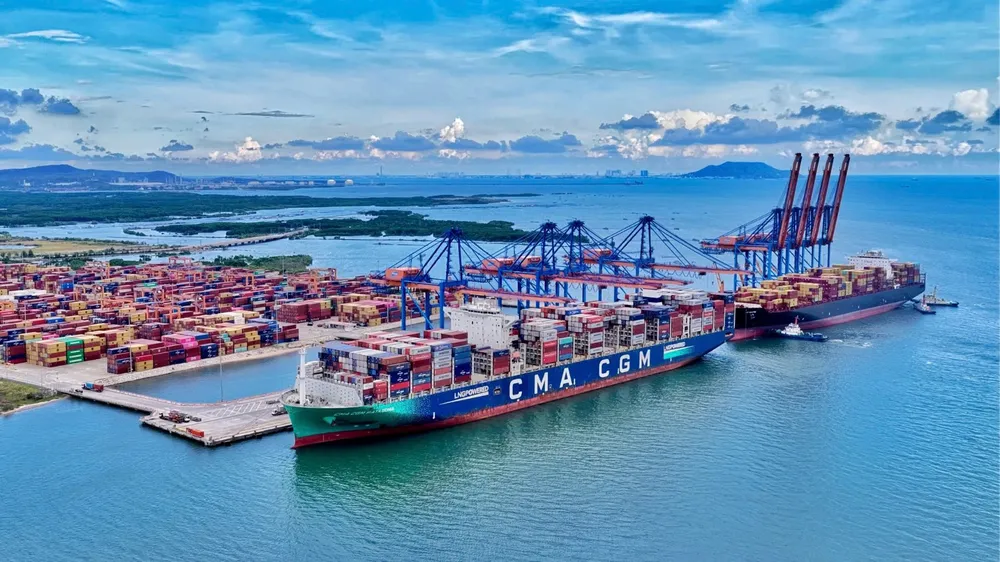
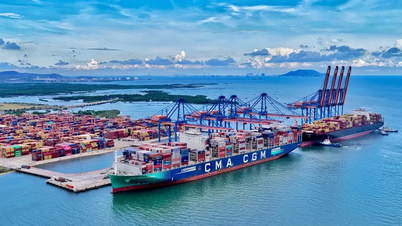
VIFC-HCMC is also expected to create a turning point in the maritime economy. Mr. Nguyen Cong Vinh, Vice Chairman of the Ho Chi Minh City People's Committee, noted that Ho Chi Minh City and the Cai Mep - Thi Vai port cluster are emerging as important logistics and seaport centers in Southeast Asia. However, Vietnam is currently only strongly involved in the "flow of goods," while the higher value-added aspects, such as the "flow of finance," including trade finance, ship financing, marine insurance, international payments, and logistics risk management, are largely handled abroad. It is estimated that the total value of goods flowing through the port system in Ho Chi Minh City exceeds US$1 trillion annually, but approximately 80% of related financial transactions are still conducted in Singapore , Hong Kong (China), etc. Therefore, the recent formation of an international maritime financial ecosystem under VIFC-HCMC is expected to gradually retain this capital flow, with the goal of redirecting about 30% of the value of transactions currently conducted abroad back to Vietnam within the next five years, equivalent to US$300 billion per year.
It can be said that Ho Chi Minh City's new stature lies not only in its seaports, cargo volume, or market size, but also in its ability to form a financial-logistics-maritime ecosystem, retaining more added value from international trade and creating additional resources for double-digit growth targets.

The new appeal of foreign investment
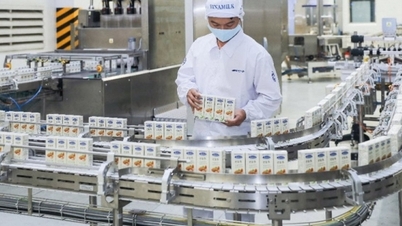
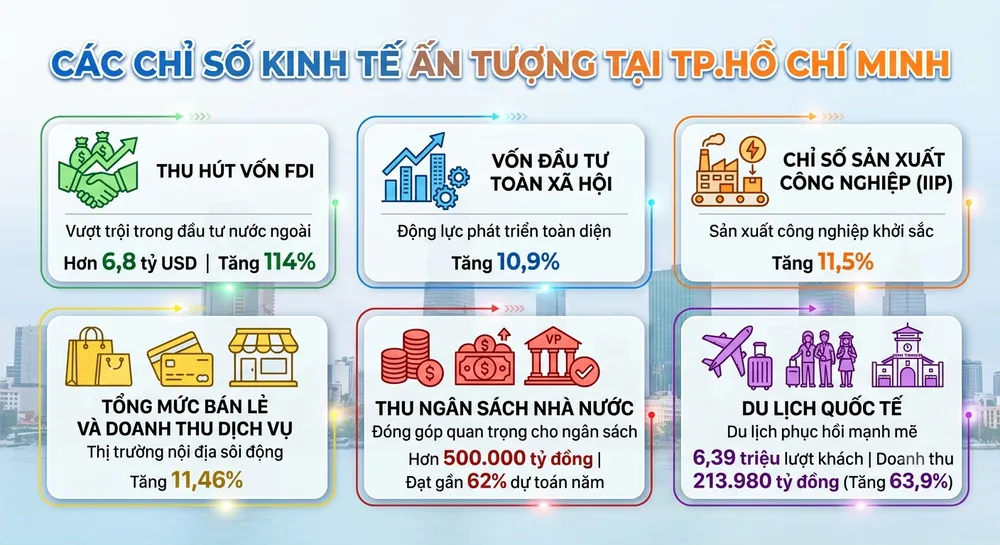
The movement of foreign investment capital is one of the clearest indicators that Ho Chi Minh City's new economic space is proving effective. To date, Ho Chi Minh City has 20,259 FDI projects, with a total capital of nearly US$142 billion from 152 countries and territories. In the first half of 2026, Ho Chi Minh City successfully attracted more than US$6.8 billion in FDI capital, reaching 62% of the annual plan. The FDI sector accounts for approximately 20% of total social investment capital and more than 50% of export turnover. Many large-scale projects focus on data centers, artificial intelligence, biomedical technology, smart manufacturing, and digital infrastructure, showing that the city is not only increasing the quantity of capital but is also clearly shifting towards the quality of capital flows, towards industries with higher technology content, productivity, and added value.
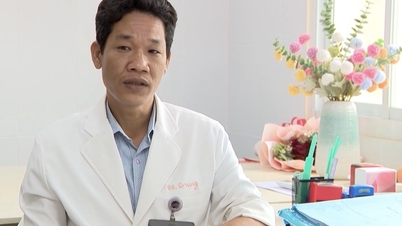
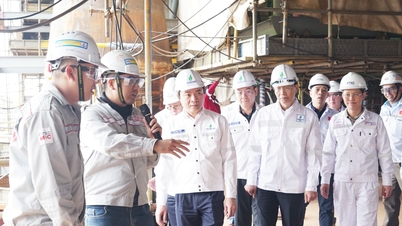
This achievement is clearly demonstrated at the Ho Chi Minh City High-Tech Park. Building on the foundation of large projects such as Intel Products Vietnam (over US$1.5 billion) and Samsung CE Complex (approximately US$1.4 billion), Ho Chi Minh City continues to attract a new generation of high-tech capital. In April 2026, the city granted investment certificates to four strategic projects with a total capital of over US$1.23 billion, including: the Evolution DC mega-data center, the Starmason data center complex, the Tam Anh General Hospital's high-tech center, and the Techtronic Industries factory expansion phase 2. These projects focus on digital infrastructure, biomedical technology, smart electronics manufacturing, and supplementing capabilities for cloud computing, artificial intelligence, big data, and research and development (R&D). "The investment attraction results over the past period show that the city is strongly shifting from processing and assembly to fields with higher technological content and added value," emphasized Mr. Nguyen Ky Phung, Head of the Management Board of Ho Chi Minh City High-Tech Park.
According to Mr. Bui Minh Tri, Head of the Ho Chi Minh City Export Processing Zones and Industrial Parks Management Board (HEPZA), Ho Chi Minh City is reorganizing its industrial park system towards a more modern direction. In the approved plan, the city has 105 export processing zones and industrial parks with a total area of over 50,200 hectares; of which 66 have been established, and 58 are operational with an occupancy rate of approximately 80%. This scale helps the city gradually overcome the bottleneck of insufficient industrial space, opening up more room for high-tech projects, supporting industries, logistics, and high value-added sectors.
In fact, the expansion of development space after the merger has quickly translated into concrete economic results. Along with a strong increase in FDI, in the first six months of 2026, Ho Chi Minh City's total social investment increased by 10.9%; the industrial production index increased by 11.5%; total retail sales of goods and services increased by 11.46%; and budget revenue reached over 500,000 billion VND, nearly 62% of the annual forecast. These figures show that the merger not only created more administrative scale but is also opening up an economic space capable of absorbing larger capital flows, organizing production more efficiently, and clearly improving the quality of growth.
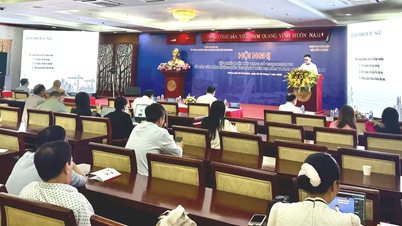
Presenting his paper at the online conference on studying, understanding, and implementing Resolution No. 10-NQ/TW dated June 8, 2026, of the Politburo on the development of the foreign-invested economy on the morning of June 30, the Chairman of the Ho Chi Minh City People's Committee, Nguyen Van Duoc, emphasized: New-generation FDI no longer seeks the lowest cost, but rather chooses locations with transparent institutions, developed capital markets, high-quality human resources, asset protection capabilities, an innovative environment, and the capacity to connect with international financial networks. Competition to attract FDI in this new phase is no longer about competition between projects, but about competition between developed ecosystems; it's not just about investment incentives, but first and foremost about the capacity to create institutions. This is the core spirit set forth in Resolution No. 10-NQ/TW and also an objective requirement for Vietnam in this new development phase. As a key area for attracting FDI, Ho Chi Minh City deeply understands its pioneering responsibility in realizing the Politburo's Resolution.
Accelerating the tourism and service industry.



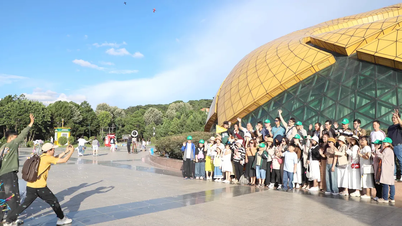
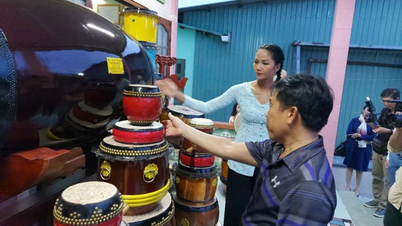
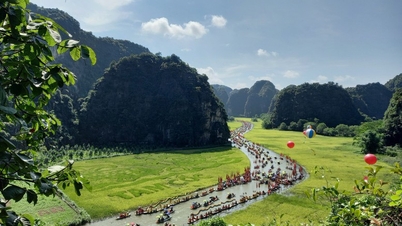
Ho Chi Minh City is not only a major urban, commercial, convention, and shopping center, but also boasts industrial spaces, traditional craft villages, forests, beaches, and islands. The growth figures for the first six months of the year show that Ho Chi Minh City's tourism is developing strongly, entering a phase of in-depth exploitation within a broader development space. Mr. Pham Huy Binh, Director of the Ho Chi Minh City Department of Tourism, shared: The city is oriented towards developing green and sustainable tourism, effectively exploiting marine ecological resources, traditional craft villages, cultural heritage, and high-quality industries. This is an important addition to Ho Chi Minh City's attractiveness to investors, experts, businesspeople, and international tourists. The tourism industry has particularly promising development opportunities as transportation infrastructure is being completed and further invested in, shortening travel times to destinations such as the Vung Tau - Bien Hoa expressway, the expanded Ho Chi Minh City - Long Thanh expressway, and the Ho Tram - Long Thanh expressway. The launch of four free trade zone projects in Can Gio, Cai Mep Ha, Bau Bang, and An Binh will also create a multi-polar environment for accelerated tourism growth.
More importantly, Ho Chi Minh City is gradually forming a new competitive structure: the International Financial Center opens channels for capital flow; FDI brings modern technology, management, and global networks to the city; the High-Tech Park creates products, exports, and actual productivity; the industrial park system expands production capacity; and logistics and seaports connect directly with international markets. When these pillars operate together in a development space, Ho Chi Minh City will not only grow larger in scale but also stronger in its capacity to coordinate capital, technology, production, and trade. This is the foundation for the city to shape its role as a multi-polar economic supercity, maintain its leading position domestically, and gradually enhance its competitiveness with dynamic centers in the region.
Source: https://www.sggp.org.vn/tphcm-dan-dat-mo-hinh-phat-trien-kinh-te-moi-post860237.html