

 |
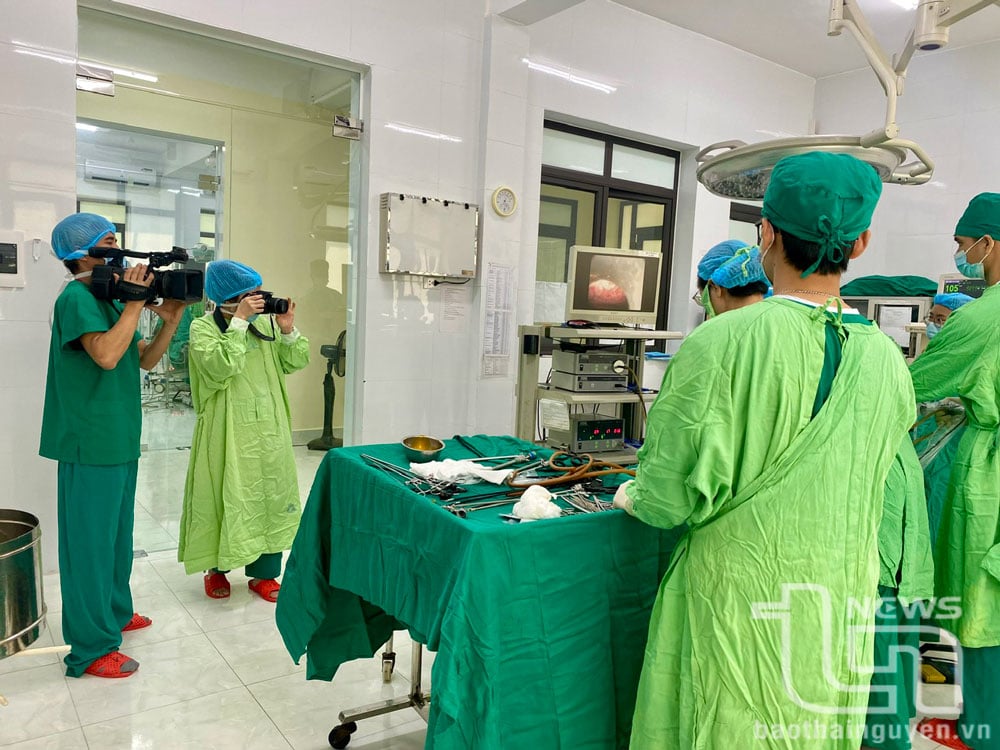
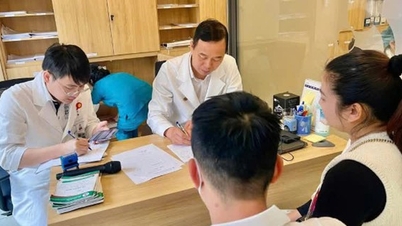
| A reporter from Thai Nguyen Newspaper working in the operating room of a hospital. (Illustrative photo) |
For example, in inter-agency inspection plans, it's not uncommon for us to be "honored" with being included as participants, but in reality, we are absent. Some units clearly state in their invitations that reporters from media outlet A should be present, but then "forget" when it comes time to implement the plan. When we proactively contact them, the response we receive might be "the plan hasn't been finalized yet," or "we'll call when we're ready to go." But when we ask again a few days later, they say... the team had already left the day before.
One of my colleagues once wondered, "Is it because last time I went with them, I asked some difficult questions or mentioned some shortcomings, that they're avoiding me this time?"
Then there are situations where journalists are "invited unexpectedly"—right during lunchtime, in the scorching sun, or sometimes even close to bedtime. "We just busted a case of goods of unknown origin; could you please come and cover the story for us?"—how could anyone refuse a call like that?
So I rushed to the scene. But upon arrival, I realized the truth: the owner of the goods was nowhere to be seen, only the landlord was there, and it seemed the reporter had only been called in… to put pressure on the person involved to appear.
After being "invited" in for interviews like that, we sadly realized that some actual figures didn't match the data provided, and some records that were once easily accessible were now being denied access due to "new regulations." At that moment, journalists couldn't help but wonder: Could it be that there are things people simply don't want the press to witness from the start?
We understand that not every incident requires or should involve the press, but there are some incidents that attract significant public attention and deserve widespread publicity, yet "they" are unwilling to invite them.
In fact, the presence of the press during inspections not only helps increase objectivity but also contributes to promoting transparency and disseminating information promptly to the community. Unfortunately, while many agencies proactively invite the press and consider them partners, some still view the "presence of reporters" as a nuisance, sometimes even as a bogeyman to intimidate someone or to "show off" achievements to superiors.
Journalism is a profession with no shortage of pressure and unspoken struggles. Journalists don't expect a "red carpet" welcome; they simply hope to be respected in their true sense for their role: fighting against erroneous and hostile ideologies, uncovering negativity, and condemning wrongdoing for a better life. Above all, we hope to be heard, not because we are the "fourth power," but because behind every article lies a responsibility to our readers, to society, and to the profession we have chosen.
Source: https://baothainguyen.vn/xa-hoi/202506/trach-nhiem-sau-bai-viet-0621dce/



![[Photo] General Secretary To Lam presides over a thematic session on strategic technology.](https://vphoto.vietnam.vn/thumb/1200x675/vietnam/resource/IMAGE/2026/03/18/1773838586650_anh-1-bnd-1822-7089-jpg.webp)


























































Comment (0)