

From family to community
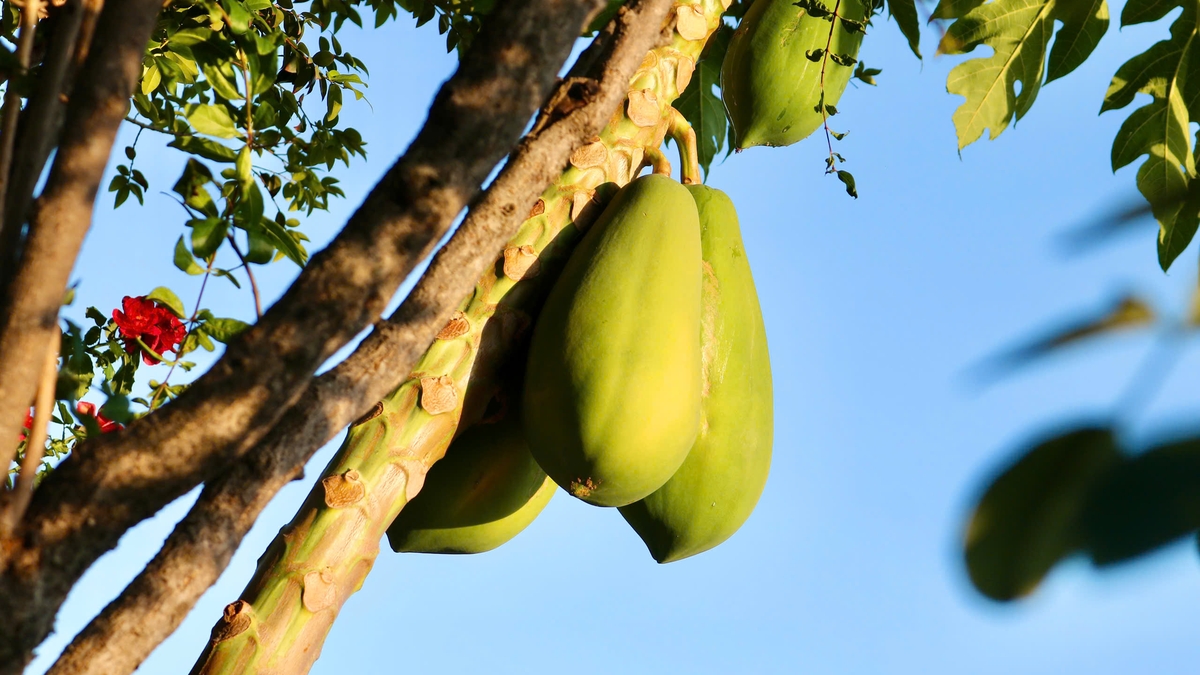
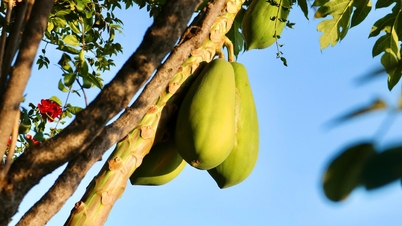
In the past, in the rural areas of Southern Vietnam, the Mid-Autumn Festival was a day that children looked forward to almost second only to Tet (Lunar New Year). Just hearing the clacking sound of the tin drums and seeing the bright red star-shaped and carp-shaped lanterns made of cellophane paper was enough to fill their hearts with excitement. On the night of the full moon, with the moon shining brightly, the children would excitedly carry their lanterns around the village. The adults would prepare offerings to the moon with all kinds of local fruits: custard apples, coconuts, papayas, mangoes, and a few baked and sticky rice cakes to offer to the moon and then share with their children and grandchildren.
In those simple memories, the Mid-Autumn Festival was not just about cakes and sweets, but also about the happiness of being surrounded by the love of grandparents, parents, and neighbors. Every child eagerly awaited the full moon of the eighth lunar month to gather around the feast, listen to stories of Chang'e and the Jade Rabbit, and be taken by their parents to release lanterns and watch lion dances.
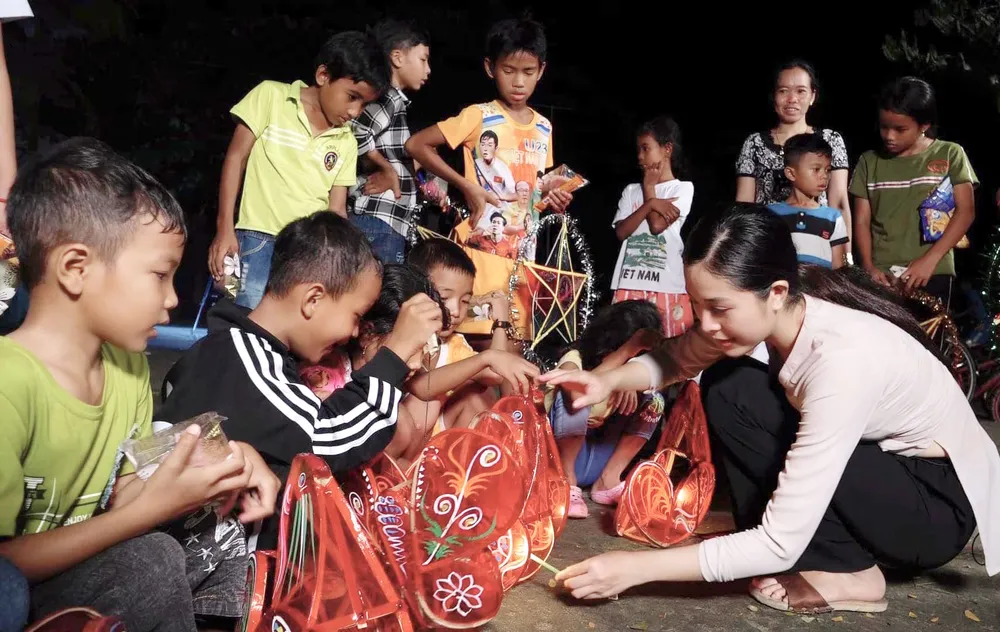
Today, the Mid-Autumn moon is still full, but the moonlight in the city seems less clear than it used to be. City children are often busy with extra classes, glued to phone screens and video games, rather than running around the neighborhood with lanterns. Mid-Autumn feasts can now be ordered online, and mooncakes come in a variety of modern flavors, with boxes costing millions of dong. Life has changed, habits have changed, but the spirit of the Mid-Autumn Festival remains unchanged.
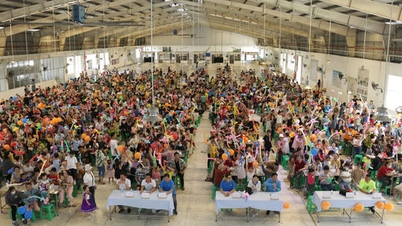
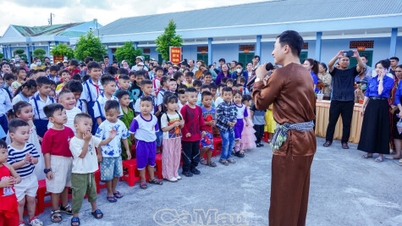
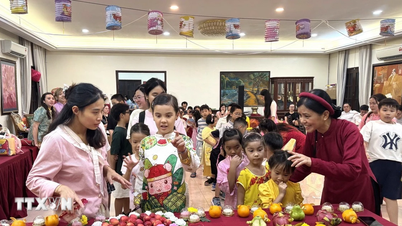
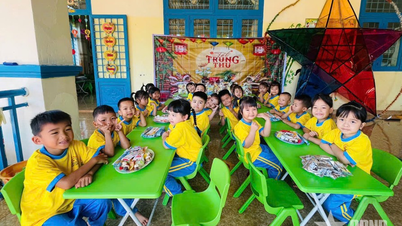
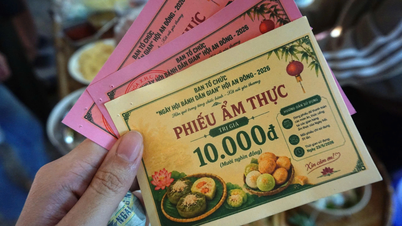
Whether the moon shines on thatched roofs or high-rise buildings, the Mid-Autumn Festival remains a reminder of togetherness and family bonding. In many places, the Mid-Autumn Festival has transcended the boundaries of a children's festival, becoming an occasion for community gatherings. From North to South, from cities to rural areas, everywhere is filled with the lively sounds of lion dances and the vibrant colors of lanterns. Neighborhoods and communes often organize "Mid-Autumn Festival Nights" with cultural performances, folk games, and communal feasts for children to enjoy.
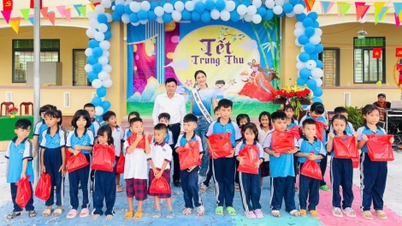
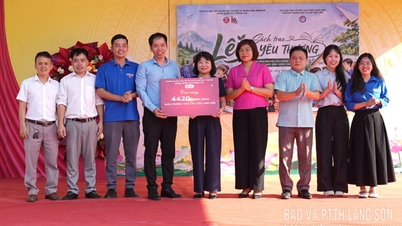
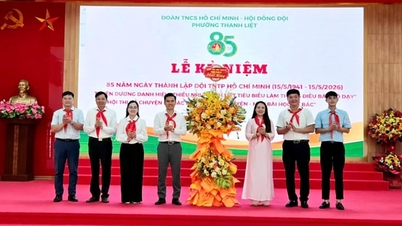
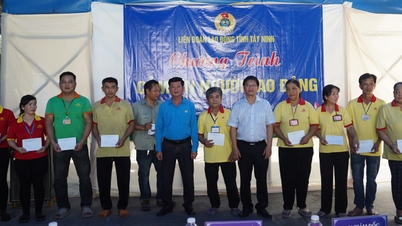
Many agencies, businesses, and organizations also pay special attention to organizing Mid-Autumn Festival celebrations for the children of their employees. In particular, many charitable programs are organized to bring the Mid-Autumn Festival to children in remote areas, orphans, and children with disabilities. Lanterns and cakes are handed out directly, not only bringing the joy of childhood but also igniting hope and human kindness. In these moments, the meaning of the Mid-Autumn Festival becomes even clearer: it is not just a day for children, but a day of sharing and community bonding. The Mid-Autumn Festival is an opportunity for people to come closer together, to gather with family, and for friends and neighbors to invite each other to prepare a feast.
Keep the flame of reunion burning
Modern society offers many conveniences, but it also makes life more hectic. Therefore, the value of togetherness during the Mid-Autumn Festival becomes even more precious. Amidst countless changes, some things still hold spiritual value, such as a lantern a father makes for his child; a slice of mooncake a mother cuts; or the moment the whole family sits on the porch gazing at the moon and reminiscing about the old days. Simple as it is, these things hold together family bonds and nurture connections.
Today, many young families still try to maintain the old tradition. On the Mid-Autumn Festival night, no matter how busy they are, they still make time to be together. Some families make mooncakes together; some take their children to the streets to watch lion and dragon dances; and some families organize a cozy meal and then enjoy the feast under the moonlight.
That's how the Mid-Autumn Festival can become more than just a "festival," but a "memory," a "warm home," a strong bond connecting families in the modern world. The Mid-Autumn Festival reminds us of one thing: perhaps children will no longer run around carrying lanterns in the neighborhood, perhaps mooncakes will become increasingly diverse in design and heavily commercialized, but the value of reunion and togetherness will forever remain unchanged.
And every Mid-Autumn Festival, looking up at the bright, clear sky, people feel warmth in their hearts, knowing that where there is family, there is the Mid-Autumn Festival; where there is sharing, there is a strong, compassionate community. It is from these enduring values that the Mid-Autumn Festival will forever remain in the flow of national culture, as a symbol of reunion and affection.
Source: https://www.sggp.org.vn/trang-ram-thap-sang-tinh-than-post816397.html




















































Comment (0)