

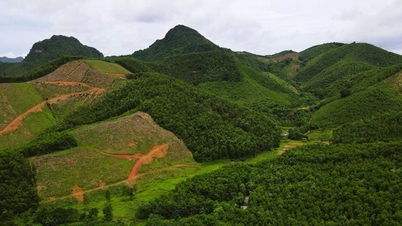
More than half a century has passed since the war ended, and many areas that were once fierce battlefields have been revitalized. However, across the former battlefields, from the Truong Son mountain range, border regions, and islands to neighboring Laos and Cambodia, there are still approximately 180,000 martyrs whose final resting places remain unknown and who have yet to be returned to their homeland.
Therefore, the journey of searching for, collecting, and identifying the remains of fallen soldiers continues as a command from the heart, a sacred responsibility of today's generation towards those who fell for the independence and freedom of the Fatherland.
However, as time passes, the search and recovery efforts face increasing difficulties. Many historical witnesses are elderly, their memories fading with age. Numerous former battlefields have become residential areas, hydroelectric reservoirs, or agricultural land. Many battle maps have been lost, and military symbols are no longer intact. Despite these challenges, those searching for their fallen comrades have never been deterred.
"The 500-Day Campaign": A Command from the Heart
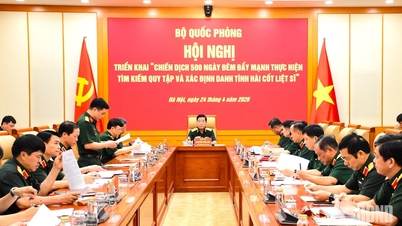
On March 22, 2026, the National Steering Committee for the Search, Collection, and Identification of Martyrs' Remains issued Decision No. 27/QD-BCDQG on the Plan to launch the "500-Day Campaign to Intensify the Search, Collection, and Identification of Martyrs' Remains," towards the 80th anniversary of the Day of War Invalids and Martyrs (July 27, 1947 - July 27, 2027).
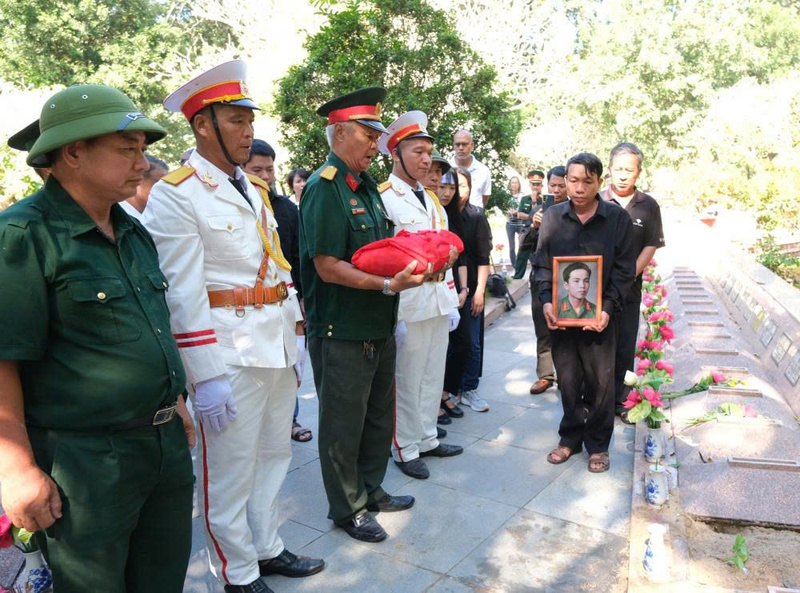
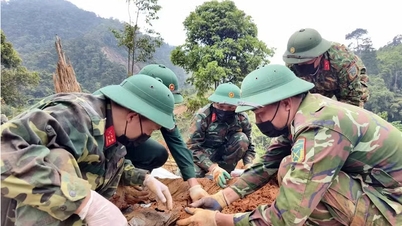
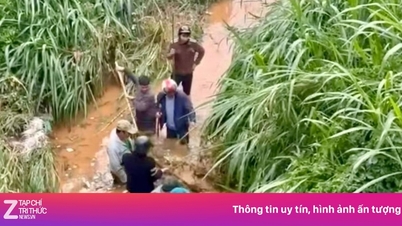
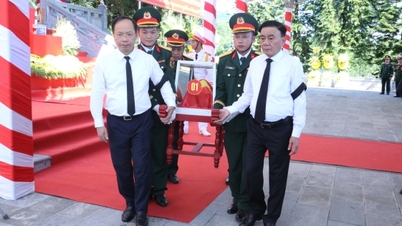
Officials and members of the Southern Representative Office of the Vietnam Association for Supporting Families of Martyrs assist relatives of martyrs in excavating the remains of their loved ones and transporting them by train for burial in their hometowns. Photo: Viet Phuong
The campaign was launched to bring about a significant change in the search for and collection of the remains of fallen soldiers, to identify the remains of those whose information is incomplete, and to promote "Gratitude and Remembrance" activities, caring for the families of fallen soldiers and meritorious individuals nationwide. Beyond its political significance, this is also a deeply humane journey to bring the heroic martyrs back to their homeland, families, and rightfully their names.
In response to that spirit, on May 14, 2026, the Chairman of the Vietnam Association for Supporting Families of Martyrs issued Official Letter No. 170/CV-HTGĐLS, launching a nationwide campaign throughout the Association to carry out activities of gratitude in commemoration of the 80th anniversary of the Day of War Invalids and Martyrs.
According to the plan, the entire system aims to provide 7,000 to 10,000 pieces of information about martyrs and their graves; coordinate with the Steering Committee 515 of localities and functional agencies to participate in searching for and collecting remains in former battlefields, border areas, islands, and areas suspected of containing mass graves of martyrs.
Simultaneously, efforts are being intensified to identify the remains of fallen soldiers through empirical methods; correcting and completing information on tombstones and soldier records. The entire Association aims to support the completion and identification of approximately 100 fallen soldiers.
Another task that the Association is particularly concerned with is resolving the backlog of DNA testing cases and supporting the relatives of fallen soldiers who need testing, especially those families in difficult circumstances.
Join hands to connect the past with the present.
Searching for and collecting the remains of fallen soldiers has never been an easy task. Some journeys last for months through deep forests and high mountains, where living conditions are extremely harsh. Some areas still contain unexploded bombs and mines, with treacherous terrain and extreme weather. Many search teams have dug in numerous suspected locations without finding any trace of the fallen.
For those involved in the repatriation effort, finding even a tattered piece of canvas, a button, or a small memento is enough to leave the entire team speechless. These are no longer inanimate objects, but traces of a person who lived, fought, and sacrificed for the country.
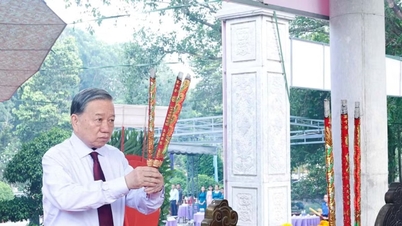
The moment of discovering the remains of a fallen soldier is always especially sacred. Everyone stands solemnly, lights incense, and reports to their fallen comrades. In that moment, the distance between the past and the present seems to disappear.
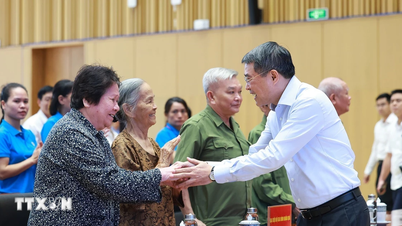
What made the "500-Day Campaign" so powerful was the collective effort of the entire society. Many veterans, historical witnesses, and members of the Vietnam Association for Supporting Families of Martyrs, despite their advanced age and frail health, volunteered to return to the old battlefields to guide people to the burial sites of their comrades. Many citizens proactively provided information when they discovered traces suspected to be the graves of martyrs during production and construction activities.
The war ended long ago, but the work of healing its consequences continues. Each search is an act of gratitude. Each grave correctly identified is a historical honor. And each time convoys carrying fallen soldiers return to their hometowns, the officials and members of the Vietnam Association for Supporting Families of Fallen Soldiers, along with philanthropists and volunteers, reaffirm once again: The Vietnamese people will never forget those who sacrificed for the Fatherland.
Source: https://congthuong.vn/tri-an-liet-si-hanh-trinh-khong-co-diem-dung-457720.html



































































Comment (0)