

Not stopping at selling fresh fruit, locals also process kumquats into syrup, candied fruit, dipping sauces, etc. These kumquat products have been recognized as OCOP 3-star products, contributing to increasing the value of local agricultural products.
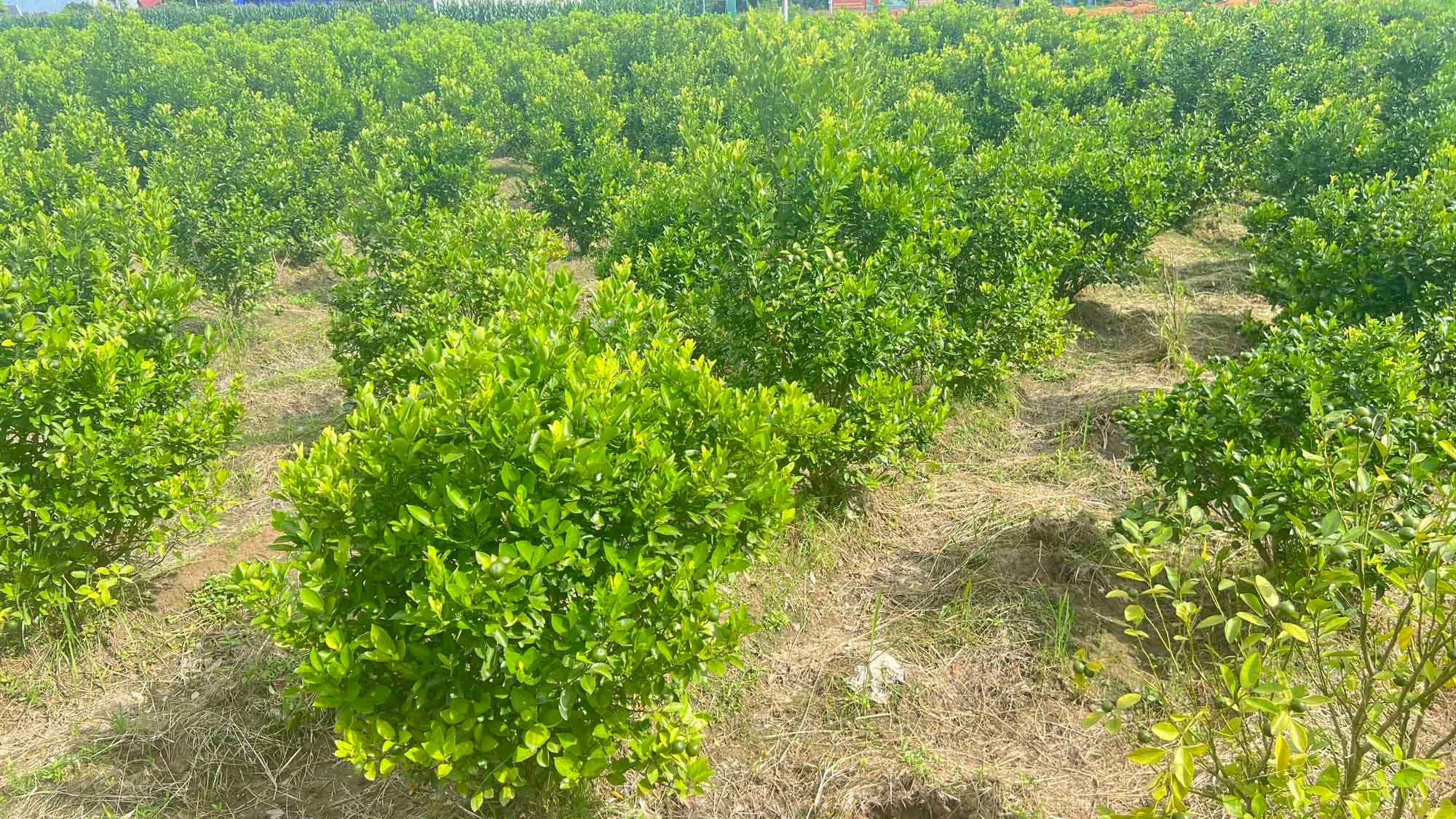
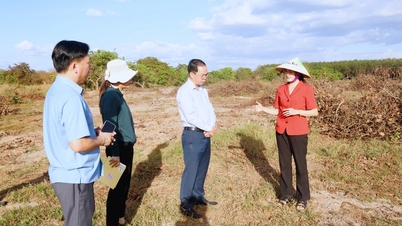
The family of Ms. Dang Thi Kim Oanh, in An Tien village, is one of the pioneering households in crop conversion in the locality. It is known that the family's rice fields are located at a high altitude, often lacking water, resulting in poor rice cultivation.
In 2022, after consulting models in other localities and receiving technical guidance from agricultural officials, Ms. Oanh boldly converted 0.6 hectares to growing kumquat trees for fruit.
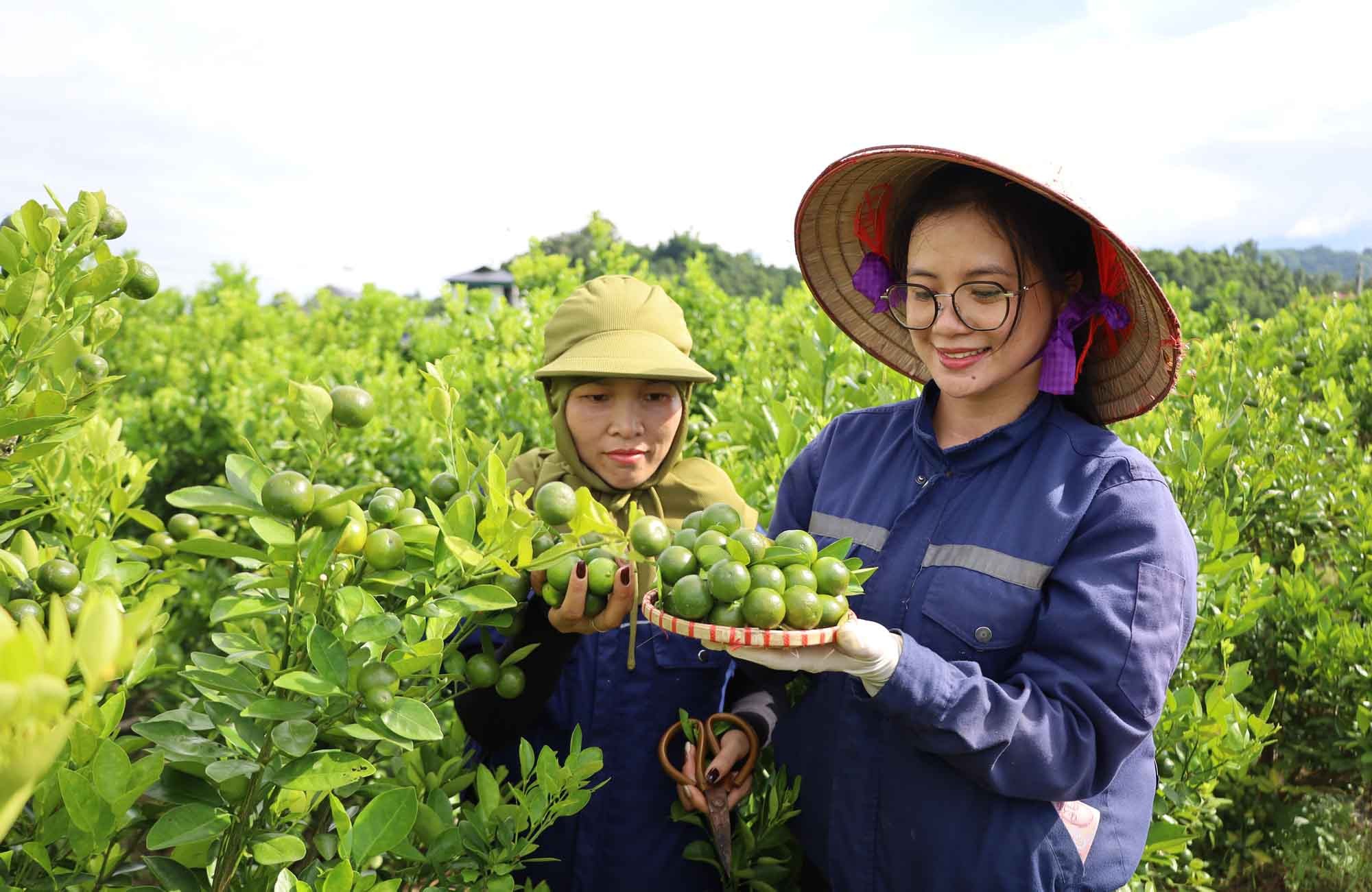
Ms. Oanh shared: "Initially, I was quite worried because there were no kumquat cultivation models in the province to learn from. Moreover, I was cultivating them organically, without spraying pesticides and mowing the grass manually, so the care was extensive. However, the kumquat trees thrived in the soil, produced abundant fruit, and fetched a relatively high price, so I boldly expanded the area to over 3 hectares."
Besides selling fresh fruit to traders, Ms. Oanh's family has researched and developed processing methods to utilize the readily available raw materials. With support from specialized agencies, she and her family members have developed three products from kumquats: kumquat-ginger-honey syrup, kumquat-ginger-honey candied fruit, and kumquat-lemongrass-chili dipping sauce.
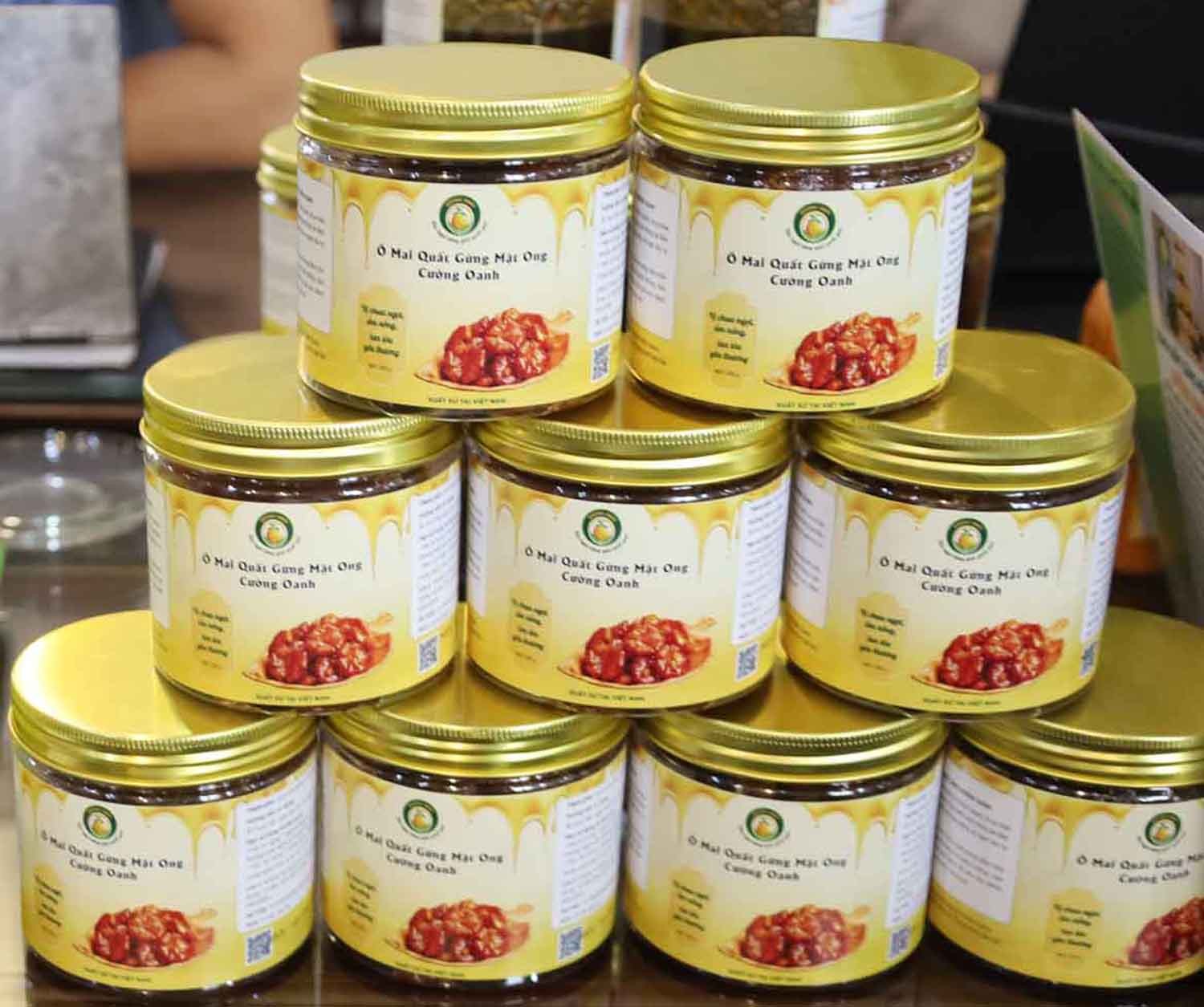
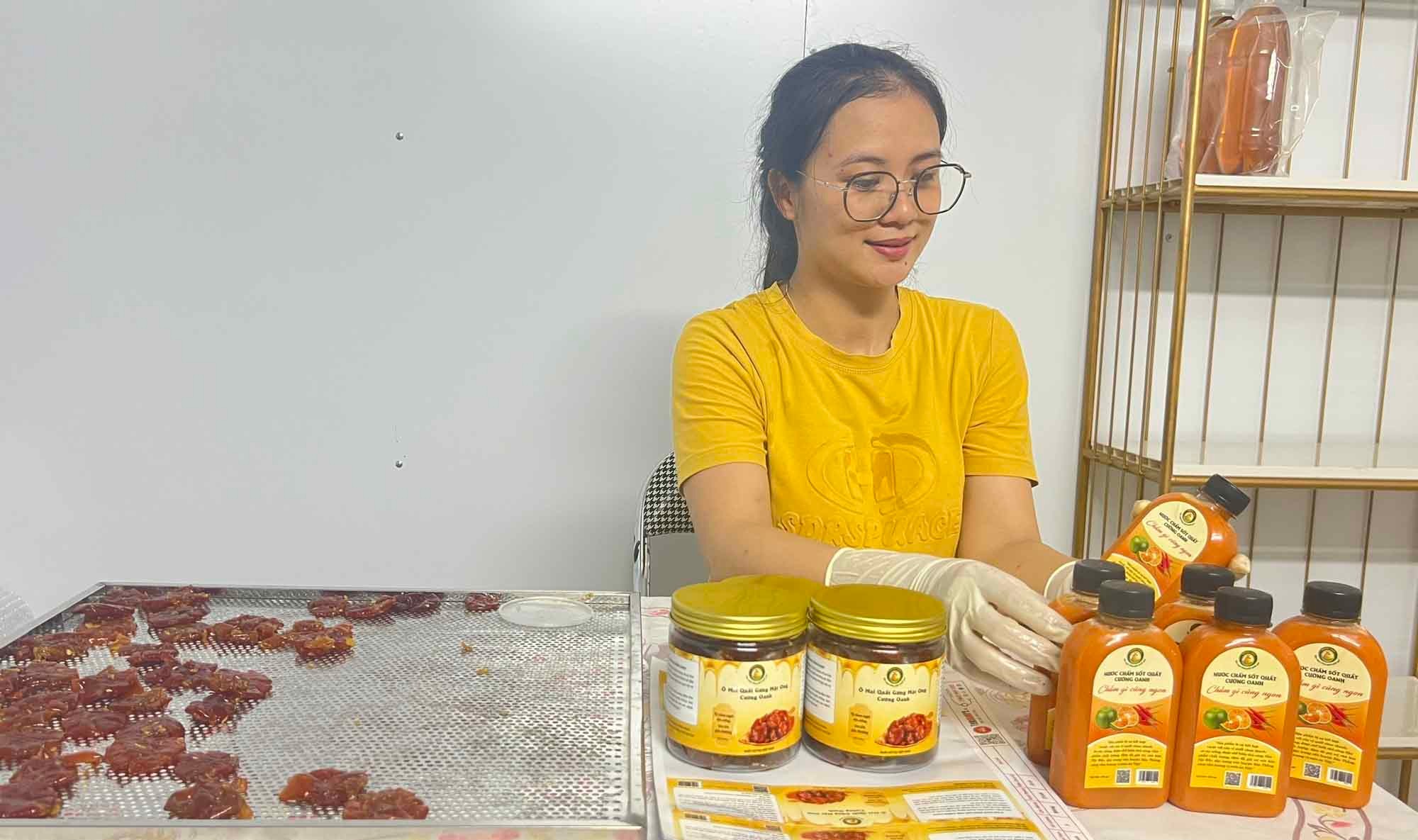
Thanks to preserving their natural flavor without the use of additives or preservatives, these products were quickly embraced by consumers. In 2025, three kumquat products from her family were recognized as achieving OCOP 3-star standards, a significant milestone in the family's economic development journey linked to local agricultural products.
“Currently, our family harvests 30-40 tons of fresh kumquats annually; processed products such as syrup, candied kumquats, and kumquat dipping sauces… reach over 2,000 boxes per year. We also create jobs for villagers with guaranteed income,” Ms. Oanh added.
In Ms. Oanh's family's kumquat orchard, there are an average of 5-7 regular workers, increasing to over 10 during peak harvest season. Each person earns 9-10 million VND per month, a significant income for rural workers.
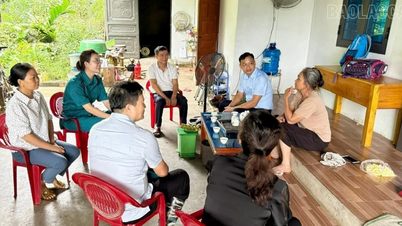
Ms. Tran Thi Cam, one of the regular workers here, shared: "Since being hired to work at Ms. Oanh's family's kumquat orchard, I have had a stable income, which has given me more time to take care of my family."
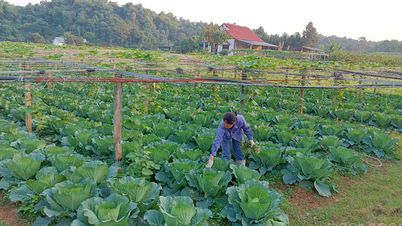
Not only the family of Ms. Dang Thi Kim Oanh, but many households in Bao Thang commune have now converted their unproductive rice paddies and orchards to kumquat cultivation. Many households share that kumquat trees thrive in the soil, are less susceptible to pests and diseases, and have a stable market, so they are confidently expanding their planted area. Organic farming, using biological fertilizers, and manual care are gradually becoming new practices in the production of the local people.
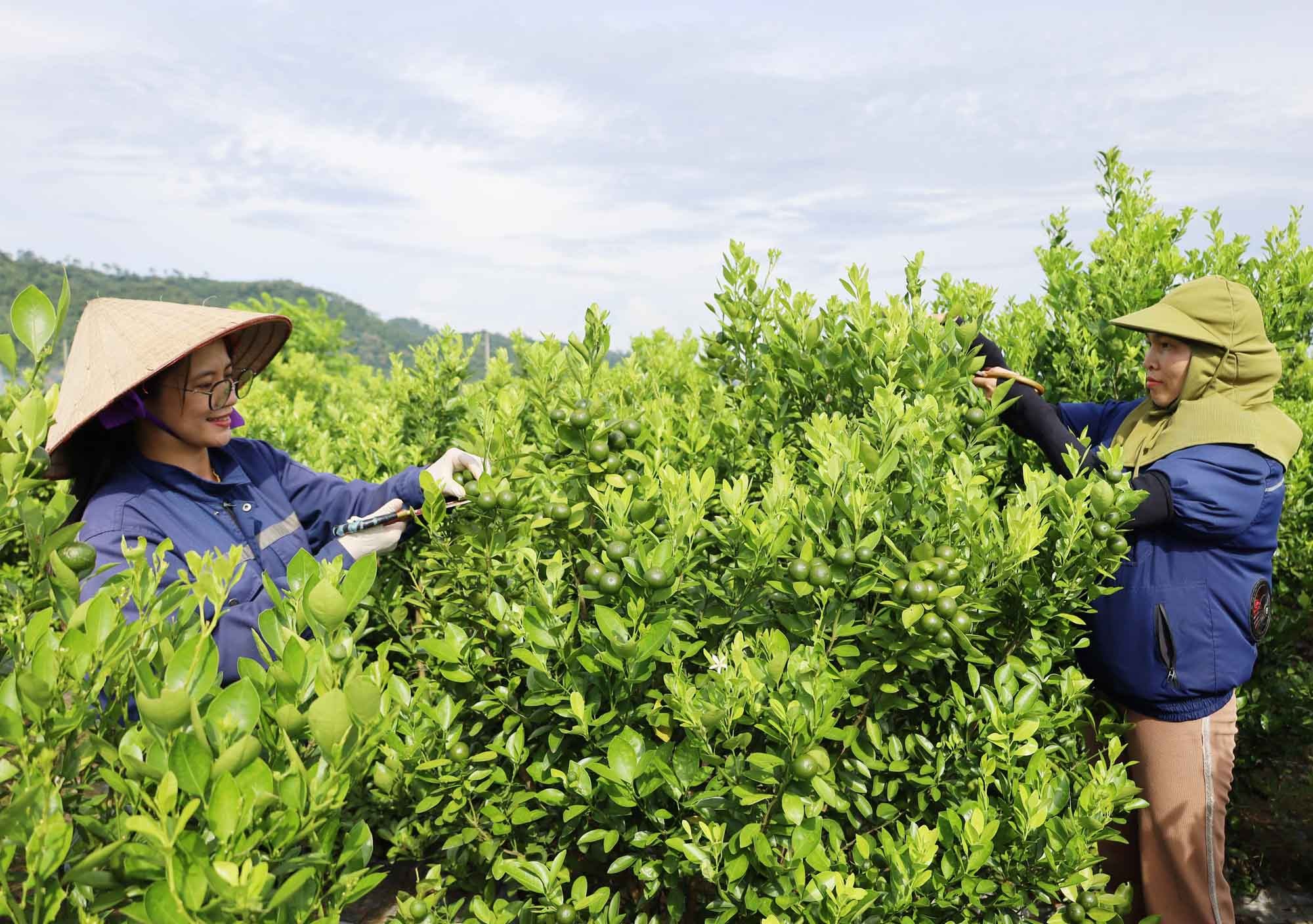
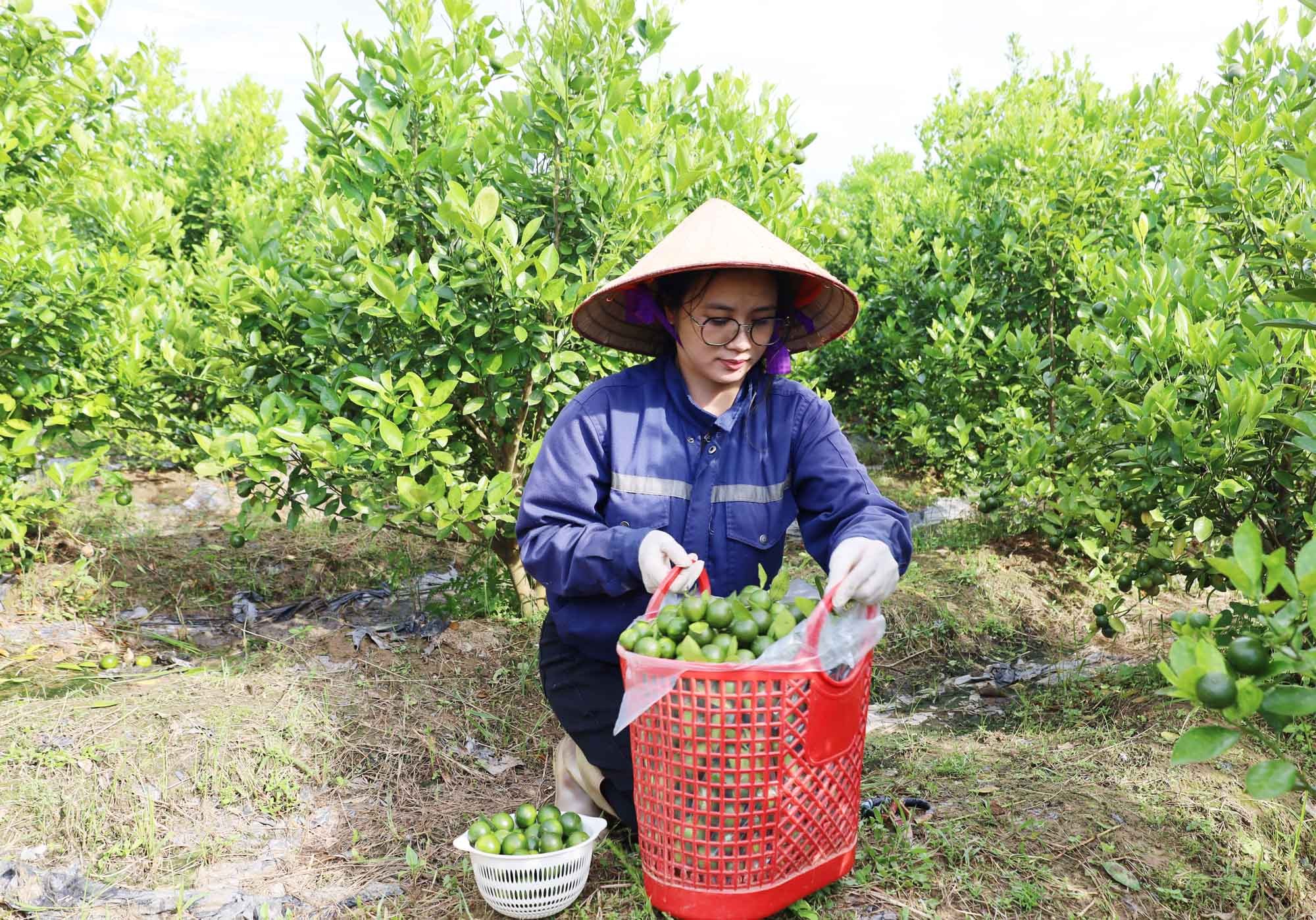
According to the assessment of the Bao Thang Commune People's Committee, the conversion of inefficient agricultural land to organic kumquat cultivation, combined with deep processing and the development of OCOP products, has opened up a new economic development direction for local people. The government is also developing a plan to replicate the model of growing and processing kumquat products; building a supply chain to produce and expand the market for the product, bringing stable and sustainable income to farmers.
Source: https://baolaocai.vn/trong-quat-tren-dat-ruong-mang-lai-thu-nhap-on-dinh-post648224.html

![[Image] First Congress of the Vietnam Science and Technology Trade Union](/_next/image?url=https%3A%2F%2Fvphoto.vietnam.vn%2Fthumb%2F1200x675%2Fvietnam%2Fresource%2FIMAGE%2F2025%2F12%2F24%2F1766552551054_ndo_tr_img-1801-jpg.webp&w=3840&q=75)





































































Comment (0)