 |
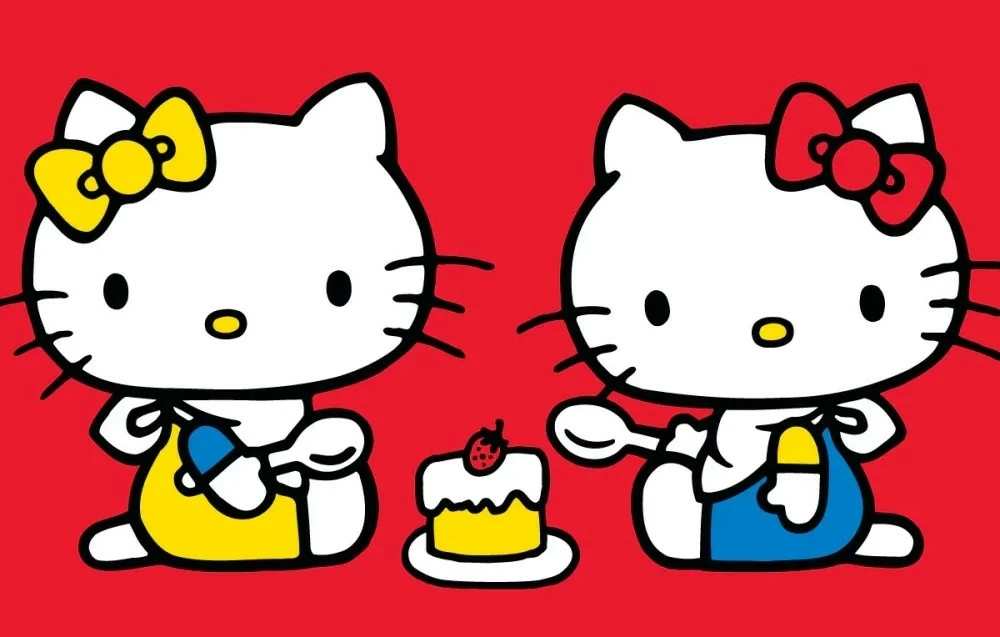
| Hello Kitty – a cultural legend. (Source: metropolisjapan) |
Hello Kitty, with her iconic red bow, enjoys traveling, reading, and baking. Despite celebrating her 50th birthday, she's still only as tall as five apples. Designed by Yuko Shimizu half a century ago, this character quickly became a phenomenon in Japan during the 1970s.
Hello Kitty is not only loved by children but also attracts the attention of adults and many celebrities. From clothing, stationery, and makeup to cartoons, comics, video games, and books, Hello Kitty is always present in the daily lives of its fans.
Despite her fame, information about Hello Kitty's background is very limited. Her full name is Kitty White, and she lives with her family in suburban London. Notably, Hello Kitty is actually a girl, not a cat as many people mistakenly believe, and she has a twin sister named Mimmy.



Hello Kitty was born from inspiration from a kitten that Shimizu's father gave her. The character's first design appeared on a vinyl coin purse in 1974 and immediately attracted attention in Japan.
Today, Hello Kitty's image has appeared on tens of thousands of different products, including collaborations with famous brands such as Adidas, GCDS, and Balenciaga. Hello Kitty is ranked as the second-highest-grossing media brand in the world , behind only Pokémon, surpassing even Mickey Mouse and Star Wars.
Over the decades, Hello Kitty has not only been an entertainer but has also become a cultural icon in many different roles. She has served as an ambassador for UNICEF and a special envoy for the Japanese Ministry of Foreign Affairs . Hello Kitty's image also appears in many cafes, restaurants, and amusement parks.
Furthermore, Hello Kitty is currently a social media phenomenon, especially on TikTok, with over 3.5 million followers and 27.9 million likes. This shows that the character's appeal is not limited to physical products but also spreads strongly in the digital space.



With 50 years of development, Hello Kitty has established itself as a cultural icon not only in Japan but also worldwide, reflecting the blend of tradition and modernity in the entertainment industry.