

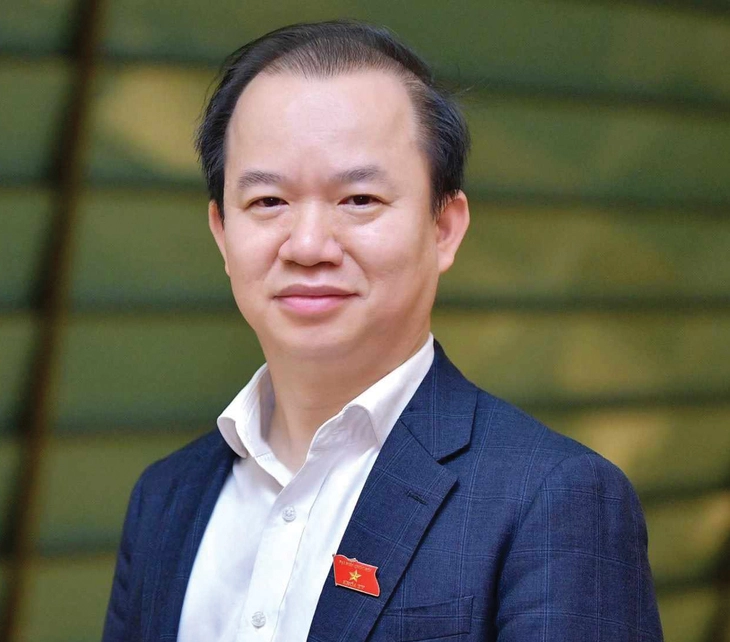
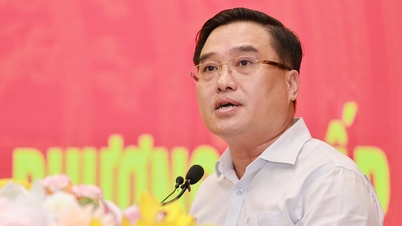
Associate Professor Dr. Bui Hoai Son, Standing Member of the National Assembly's Committee on Culture and Education
This is an opportunity to look towards the future, towards an era of strong growth, affirming the country's capabilities and position on the world map.
In this journey, building a national brand becomes a strategic task – not just a matter for a few businesses or industries, but the image, reputation, and core values that the entire nation collectively creates and preserves.
For the Vietnamese people, the first seeds of belief in their own creative and productive abilities were sown very early, even during difficult times.
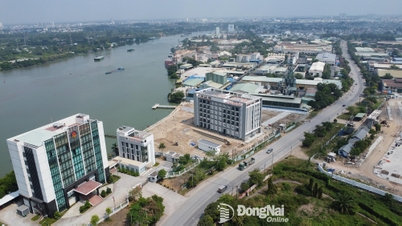
In Bien Hoa Industrial Zone 1 - the country's first industrial zone, established in 1963 - countless brands have become etched in the memories of many generations, becoming an integral part of Vietnamese identity.
The image of the Cogido notebook with its gentle deer symbol accompanied millions of students in South Vietnam, both before and after the reunification of the country, through every lesson and every page they wrote.
Cogido doesn't just produce paper; they instill confidence that Vietnamese people can absolutely master technology and create products that meet international standards.
Around that time, brands like Bien Hoa sugar, Dien Quang light bulbs, Dong Nai batteries, Casumina rubber, Vicasa steel, and Dielac powdered milk all shared one thing in common: they were made by the hands, minds, and persistent spirit of Vietnamese people, in a challenging economic context but always striving for progress.
These stories teach us a profound lesson: brands are not built solely on capital, technology, or marketing strategies, but are forged from pride, a sense of belonging, and a desire to conquer. When a product is linked to collective memory, it transcends its utilitarian value to become part of national identity.
The deer-themed notebooks or Bien Hoa sugar cubes sell well not only because of their quality, but also because they tell the story of a self-reliant and strong Vietnam, capable of transforming its resources and intellect into valuable products that can compete with international counterparts.
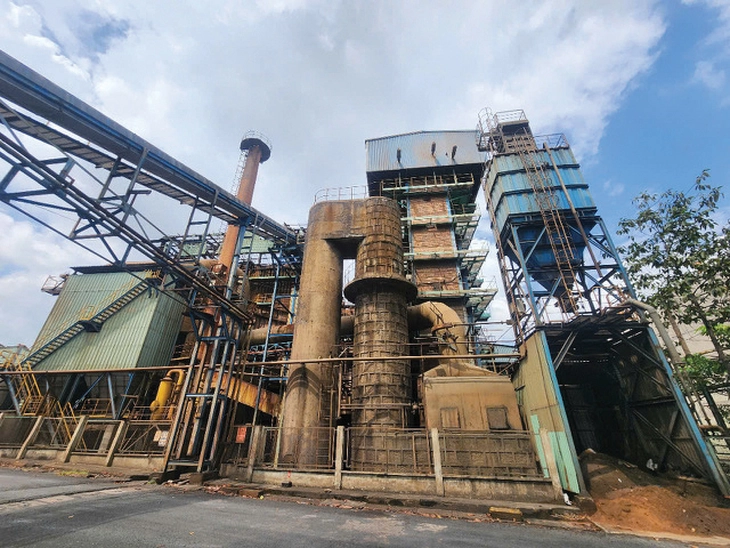
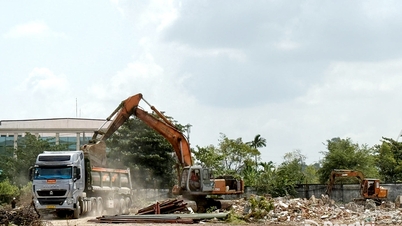
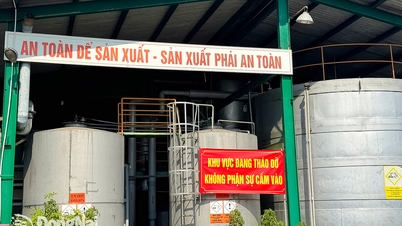
A section of the sugar factory complex is being dismantled and relocated.
Today, as the country enters a phase of deep integration and digital transformation, building a national brand needs to be elevated to a strategic level. It's not enough to simply "have" a brand; we must clearly position the Vietnamese brand on the world map: a nation that is innovative, sustainable, and rich in identity.
Because a national brand is not just about economics; it's also about soft power, the image, and the prestige of the country in the eyes of the international community.
Japan doesn't just sell cars and electronics; they sell an image of quality and discipline. South Korea doesn't just export K-pop; they spread the Hallyu cultural wave to boost tourism, cuisine, and cosmetics.
Vietnam, with its advantages in people, culture, and nature, can and should create a distinctive image that the world will remember for its creativity, friendliness, and trustworthiness.
If in 1945, the entire nation united to regain independence, unity, and self-reliance, then today, that spirit needs to be transformed into strength to make Vietnam a reliable destination for investors, a source of inspiration for tourists, and a respected partner in all areas of international cooperation.
Every art program, every festival, every "made in Vietnam" product that reaches the world contributes to building the national brand, as long as they embody the Vietnamese spirit, Vietnamese quality, and Vietnamese aspirations.
We need an image of Vietnam that is not just a cheap factory or a tourist destination, but a creative, sustainable country with a rich identity; we need key brands to act as ambassadors – from agricultural products and food to technology, culture, and sports – so that whenever the world mentions Vietnam, they immediately think of positive and trustworthy values.
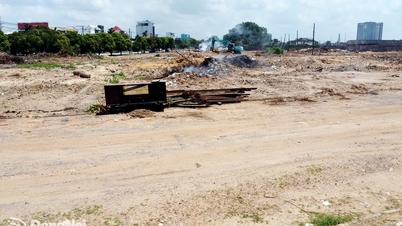
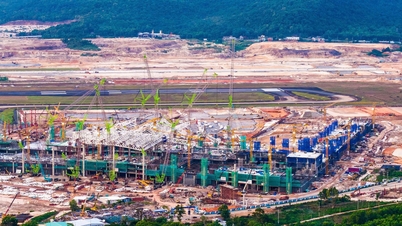
When Bien Hoa 1 Industrial Park closed after 62 years, it left behind not only old factories and concrete walls, but also a spiritual legacy: the legacy of people who dared to dream, dared to act, and dared to assert that Vietnamese people can create products that are on par with international standards.
In today's era of progress, that legacy needs to be continued with well-planned strategies and the aspiration to elevate Vietnamese brands to new heights. This is also how we show our gratitude to previous generations by transforming the spirit of independence and self-reliance of the past into a soft power that propels Vietnam forward, steadily and proudly, on the international stage.
Source: https://tuoitre.vn/tu-tap-vo-con-nai-den-khat-vong-moi-20250826170232943.htm

![[Photo] General Secretary and President To Lam and the President of the Philippines hold talks.](https://vphoto.vietnam.vn/thumb/1200x675/vietnam/resource/IMAGE/2026/06/01/1780286997787_anh-man-hinh-2026-06-01-luc-11-09-43.png)




















































Comment (0)