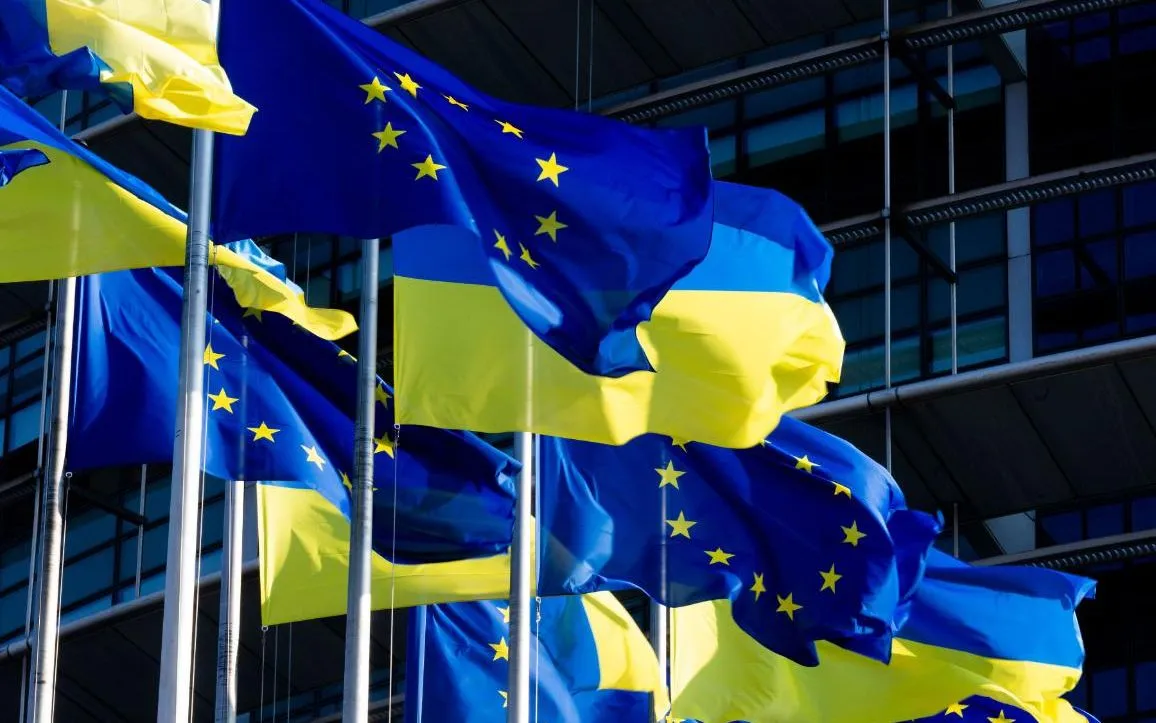
(Photo: European Union)
On June 15, European Union (EU) member states began the first round of formal accession negotiations with Ukraine and Moldova. This is a historic step for these two countries to secure their path to EU membership in the near future.
At the EU-Ukraine accession conference held in Luxembourg, the two sides opened the first round of negotiations, focusing on areas such as judicial reform, the functioning of democratic institutions, fundamental rights, freedoms, security, and public procurement.
Ukrainian Deputy Prime Minister Taras Kachka stated that this marks a new phase in the country's EU accession process. The EU agreed to open accession negotiations with Ukraine from the end of 2023. However, only now have the parties officially begun the first round of talks.
European Commission President Ursula von der Leyen confirmed on her personal page that this first round of negotiations will focus on discussing the fundamental principles of the European Union, from the rule of law to strengthening democratic institutions. Von der Leyen affirmed that this event demonstrates the recognition, determination, and unwavering efforts of member states in promoting reforms, even in the face of enormous challenges.



European Commission President Ursula von der Leyen (Photo: AP)
Under the new Prime Minister Péter Magyar, Hungary has abandoned its long-standing opposition to Ukraine's EU membership application. Previously, Hungary, under former Prime Minister Viktor Orbán, firmly opposed Ukraine's accession to the European Union. However, the new government has shown greater openness and lifted its veto power following meetings between experts from both countries to address the issue of the rights of Hungarian minorities in Ukraine.
Ukrainian President Volodymyr Zelensky welcomed the move, saying that Ukraine is doing what is necessary, and that it is important for the European Union to keep its promise.
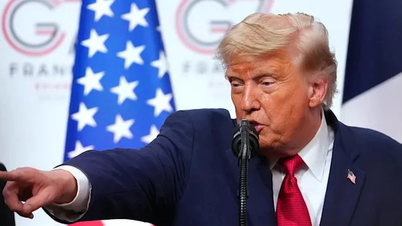
These negotiations are extremely important for Ukraine. Kyiv considers them a strategic priority in the context of the ongoing conflict with Russia, as well as in the face of renewed pressure from US President Donald Trump to negotiate an end to the conflict.



In Moldova, negotiations demonstrated strong support for President Maia Sandu, who has taken a pro-Western stance. President Maia Sandu reaffirmed her ambitious goal of completing the entire technical reform program to be ready to become a full member of the EU by 2030. The European Commission has praised Moldova's pace and expects the country to reach the target ahead of schedule in some stages.
Source: https://vtv.vn/ukraine-khoi-dong-dam-phan-gia-nhap-eu-100260616141253339.htm