

In response to International Biodiversity Day (May 22) and World Environment Day (June 5) in 2026, many meaningful activities on the conservation of medicinal plants, tree planting, and the digitization of medicinal plant data have been implemented at the Hai Thuong Lan Ong Historical Site in Ha Tinh. As part of a series of events leading up to major world environment days, the "Joining Hands to Conserve Medicinal Plants" program, organized by the Institute of Medicinal Materials ( Ministry of Health ), attracted a large number of health sector officials, specialized units, youth union members, and local people to participate.
The highlight of the program is the planting of additional medicinal plants in the traditional medicine garden of the historical site, combined with the placement of identification signs for medicinal plants with QR codes to support the retrieval of scientific information, uses, and characteristics of each plant. Associate Professor Dr. Pham Thanh Huyen (Director of the Center for Medicinal Resources - Institute of Medicinal Materials - Ministry of Health) said that the application of QR codes in identifying medicinal plants not only helps people access traditional medicine knowledge more easily but also contributes to the gradual digitization of medicinal plant data, serving education , research, and experiential tourism.
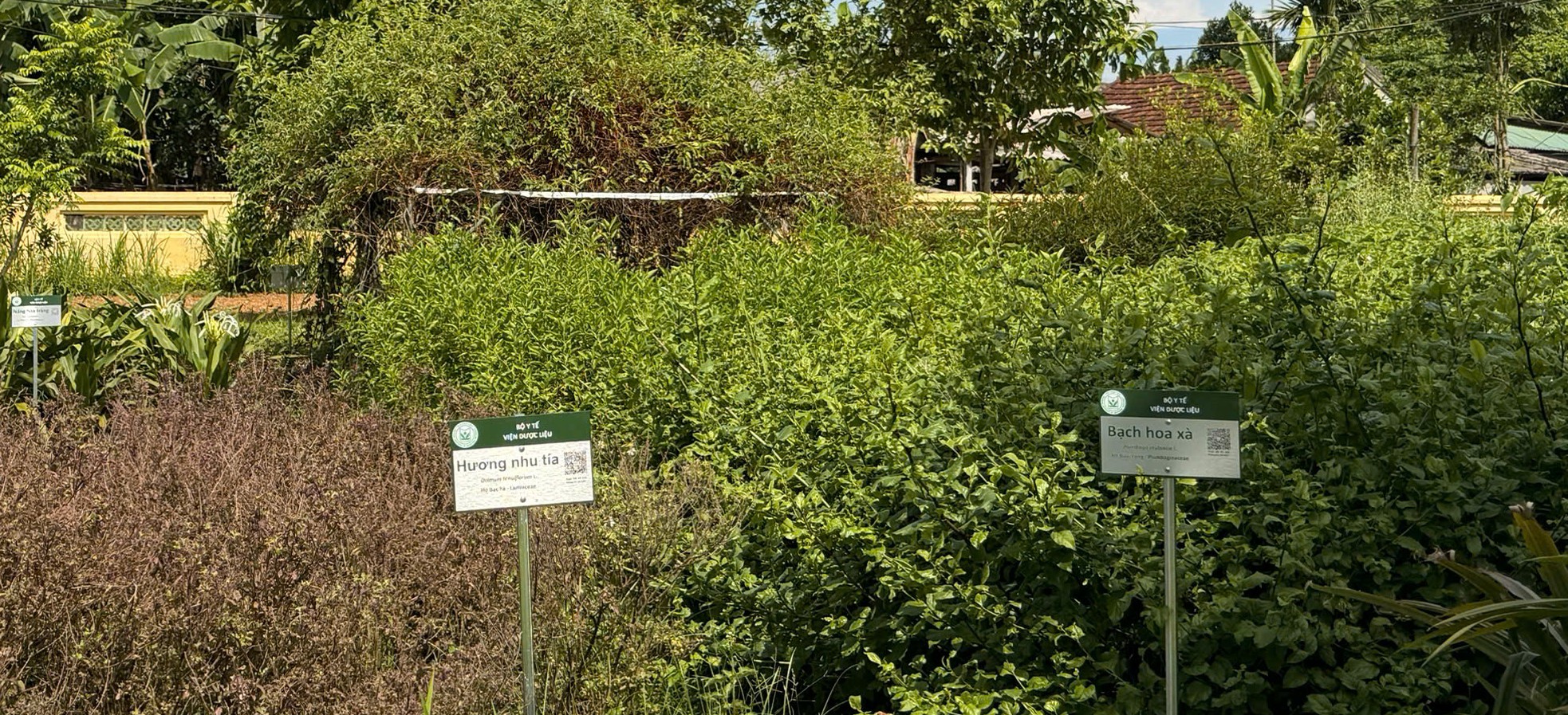
The application of QR codes in identifying medicinal plants not only helps people access traditional medicine knowledge more easily
1. Preserving medicinal plants in conjunction with the heritage of traditional medicine.
The Hai Thuong Lan Ong Historical Site is a place of special historical and cultural value in traditional Vietnamese medicine. Organizing activities to preserve medicinal plants here is considered to have practical significance in spreading the spirit of preserving the legacy of the great physician Hai Thuong Lan Ong Le Huu Trac.
Traditional Vietnamese medicinal plants are not only a source of raw materials for healthcare but also contain valuable indigenous knowledge passed down through generations. Many folk remedies and herbal treatments are still used in communities and have value in supporting treatment in modern medicine.
However, under the impact of urbanization, climate change, and uncontrolled exploitation, many valuable medicinal plant species are at risk of declining in the wild. Some native medicinal plant varieties are gradually becoming rare, while public awareness of medicinal plant genetic resource conservation remains limited.
Therefore, the construction and development of medicinal plant conservation gardens is considered an important solution to preserve medicinal resources, while also creating an educational space about biodiversity and traditional medicine for the community, especially the younger generation.
2. Connecting with digital transformation
Beyond just planting trees, this year's program also aims to apply technology in medicinal plant conservation. Identification signs with QR codes allow people to use their smartphones to quickly look up information about the scientific name, uses, biological characteristics, and value of each medicinal plant. According to many delegates, this is a suitable direction in the context of the strong push for digital transformation in many fields, including traditional medicine and biodiversity conservation.
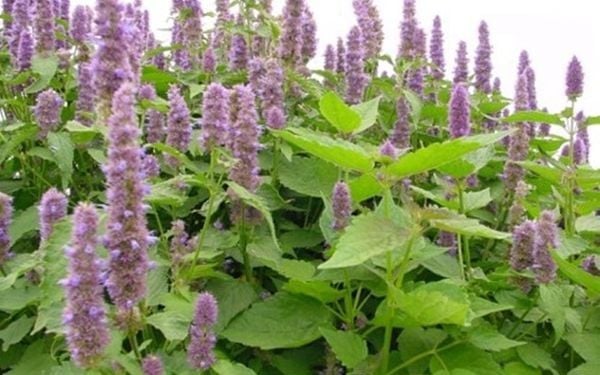
The activity also contributes to raising community awareness about the role of biodiversity in human health and sustainable development. Each medicinal plant planted not only creates a green landscape but also contributes to the conservation of medicinal plant genetic resources for long-term healthcare.
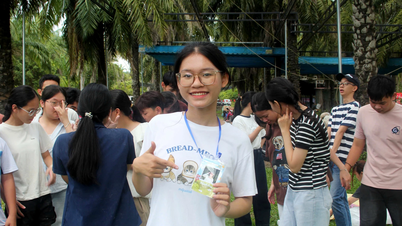
During the program, many youth union members and local people directly participated in planting trees, tending the medicinal herb garden, and learning about traditional medicinal plants. The atmosphere was lively, conveying the message of working together to protect the environment, preserve the ecosystem, and promote the value of traditional national medicine.
Participating units expect that the model of combining medicinal gardens with digitized information will continue to expand in the future, contributing to spreading awareness of preserving medicinal plants, protecting biodiversity, and building a greener, more sustainable living environment for the community.
See more trending videos:
Source: https://suckhoedoisong.vn/ung-dung-ma-qr-trong-nhan-dien-cay-thuoc-169260524104954934.htm








































































Comment (0)