


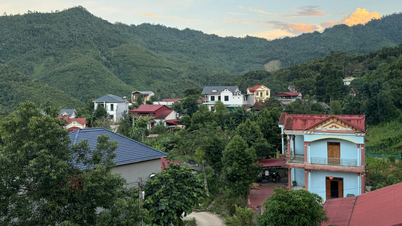
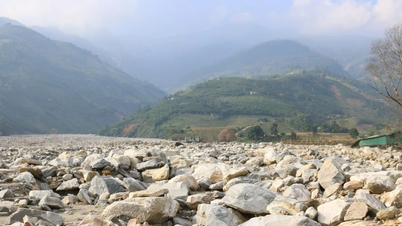
Years ago, Lu Di San was known as an "exceptionally disadvantaged" village, where the lives of the Hmong people mainly depended on corn farming and small-scale livestock raising. With limited arable land, outdated farming practices, and persistent poverty, many families were struggling. However, amidst the barren mountains, a new vitality is quietly emerging. Small roads have become busier, many new houses have sprung up, and in the stories of the villagers today, the word "aspiration" is always mentioned.

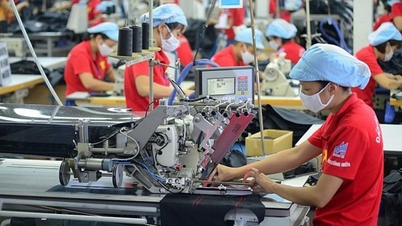
Mornings in Lu Di San begin with the crowing of roosters, the sound of wind rustling through the mountainside, and stories about the villagers' children working in industrial zones in the lowlands. The village has only 65 households, but nearly 50 young people work in factories there – something that was once very rare.
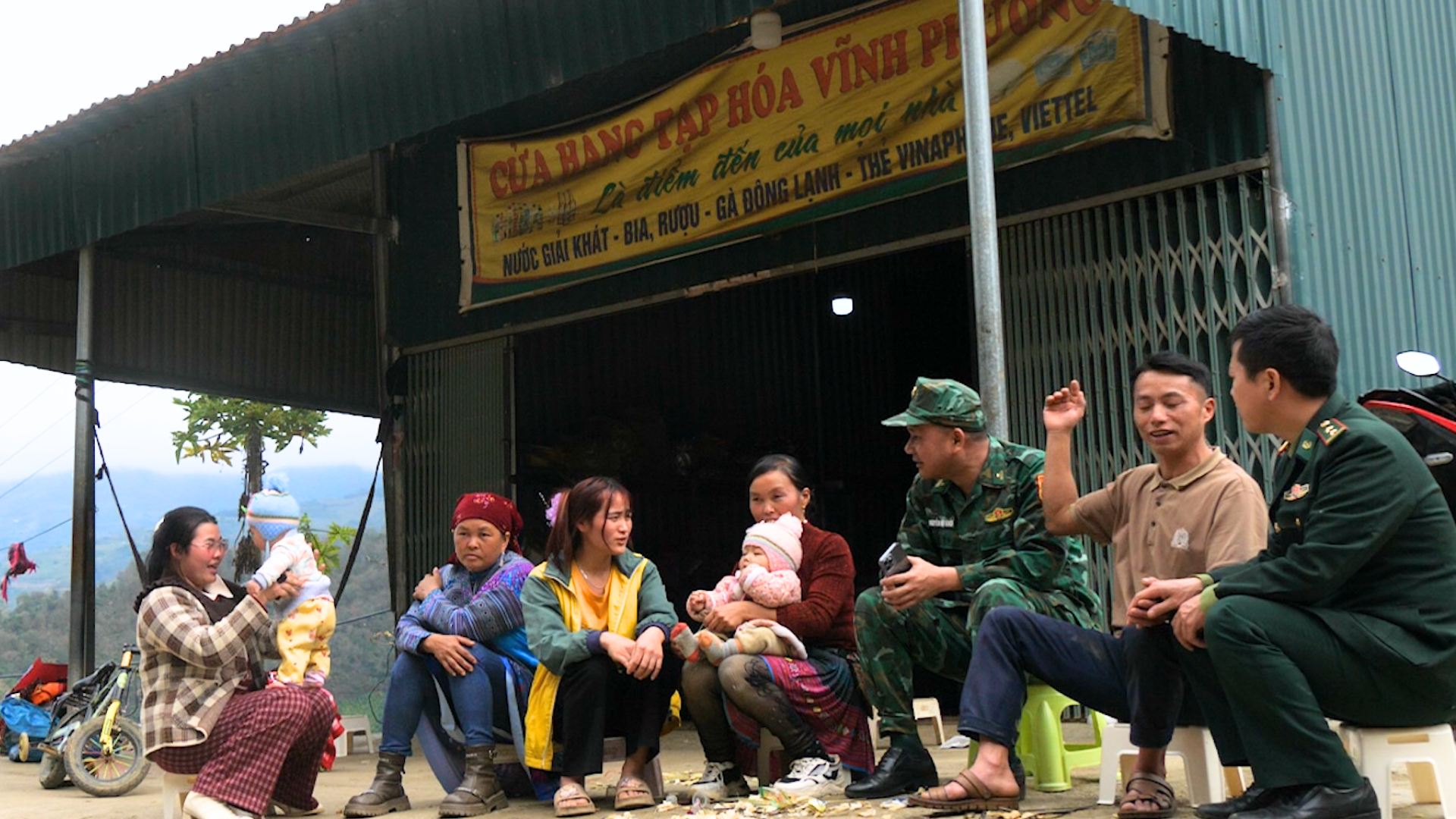
In the past, many young people spent their lives working in the stone quarries, earning an unstable income that left many families struggling financially. However, in recent years, with the implementation of job counseling programs, many young people have boldly left their villages, carrying with them the dream of changing their lives. Ms. Vang Thi Coi is one such example. She and her husband are currently working as factory workers in Hai Phong . From a life of constant hardship, they now send a stable income back home every month.
Ms. Coi shared: "When I first started working at the company, I was very worried. But seeing that the job was stable and the monthly salary was regular, my husband and I told each other to try to work for a few years, save money to build a house for our parents, and give our children a better life."
The wages earned in factories and industrial zones not only provide additional income for many families but also bring new perspectives to villages and hamlets. Young people are gradually becoming accustomed to industrial work habits, to planned and disciplined work methods.
Mr. Giàng Seo Xóa, Head of the Village Front Committee, said: "Nowadays, many young people work in factories, earning stable incomes, so life is less difficult. During Tet, children have new clothes, and the atmosphere in the village is more joyful than before."
Each year, these vehicles leave the village carrying hopes for a better life. It is these young people who are becoming the bridge bringing the breath of modern life back to the highland village.

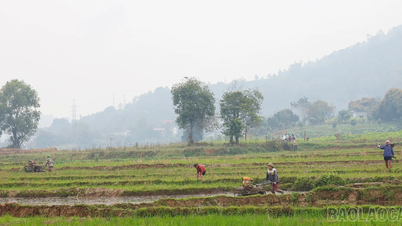
However, not everyone chooses to leave the village for economic reasons. In Lu Di San, many families still decide to stay in their homeland, clinging to the land and farming to develop their economy. The difference compared to the past is that they no longer produce in the old way, but have begun to change. In recent years, villagers have had access to preferential capital from the Social Policy Bank and received guidance from officials on livestock farming and crop cultivation techniques. As a result, many small but effective economic models have gradually formed.
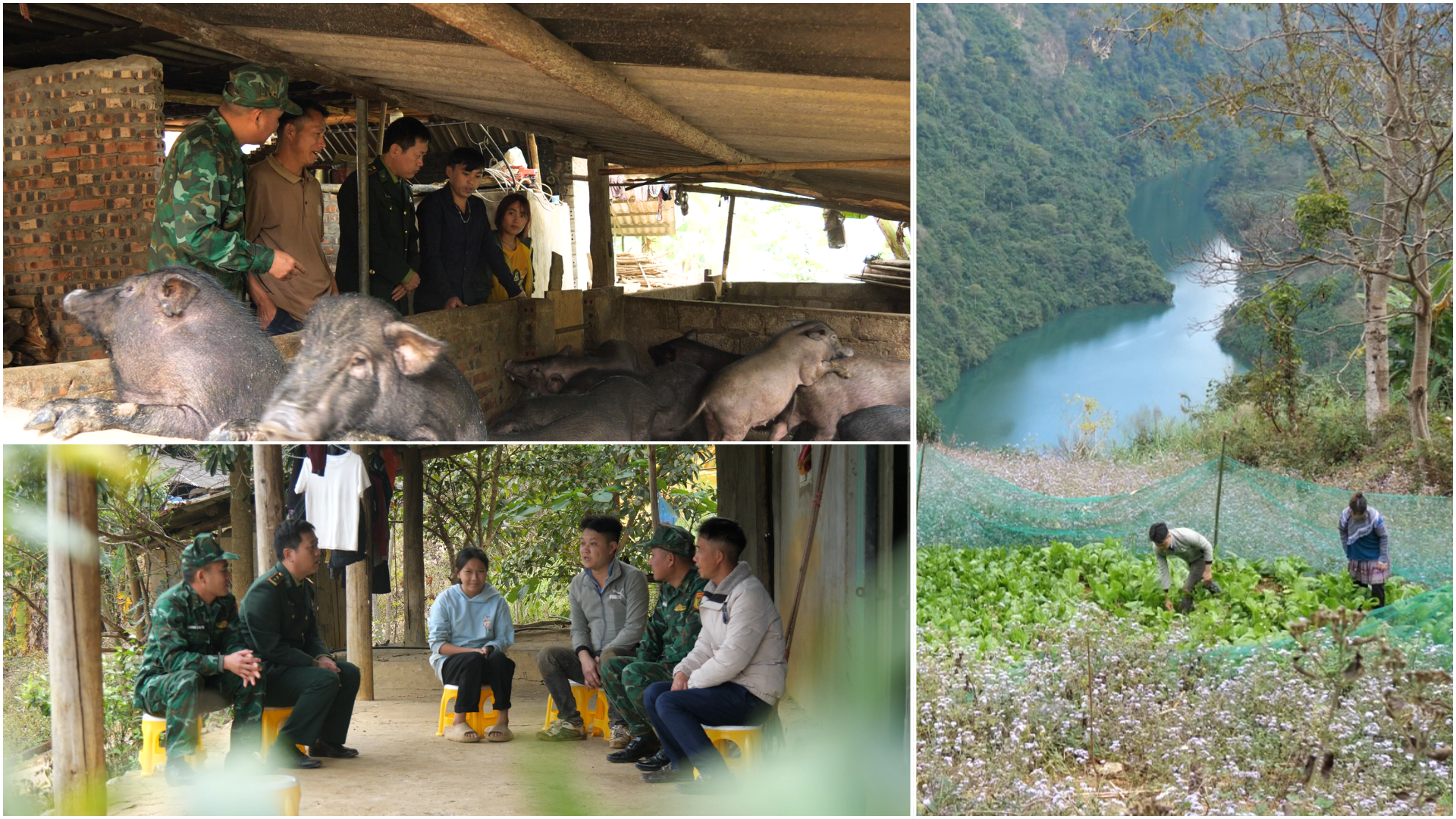
The family of Mr. Hoang Seo Sinh is a prime example. He boldly borrowed capital to develop livestock farming in a commercial direction. The barns were built more solidly, and the care methods became more systematic.
Mr. Sinh happily said: "Previously, my family raised only a small number of animals, and we didn't earn much. Now, with the loan, we can raise a larger number, so our income is much higher. Every year, my family earns over a hundred million dong. We are very happy and are working hard to improve our lives."
For the people of the highlands, that number represents a huge change. From worrying about every meal, many families are now starting to think about repairing their houses and giving their children a proper education. More importantly, the people have gradually changed their production mindset. Many say that before, everything was done out of habit, but now they have to plan and learn new ways of doing things. This change in awareness is considered the most important step. A commune official commented that what is encouraging in Lu Di San is not only the economic models, but also the people's spirit of "not accepting poverty."

In the remote border region, every change in the villages bears the mark of the soldiers in green uniforms. For the people here, the Border Guard Post is not only a place to protect sovereignty , but also a familiar support in their lives. The roads leading down to the villages, the propaganda sessions, or the times they helped the villagers repair houses and livestock shelters... the image of the border guards has become familiar and close to their hearts.
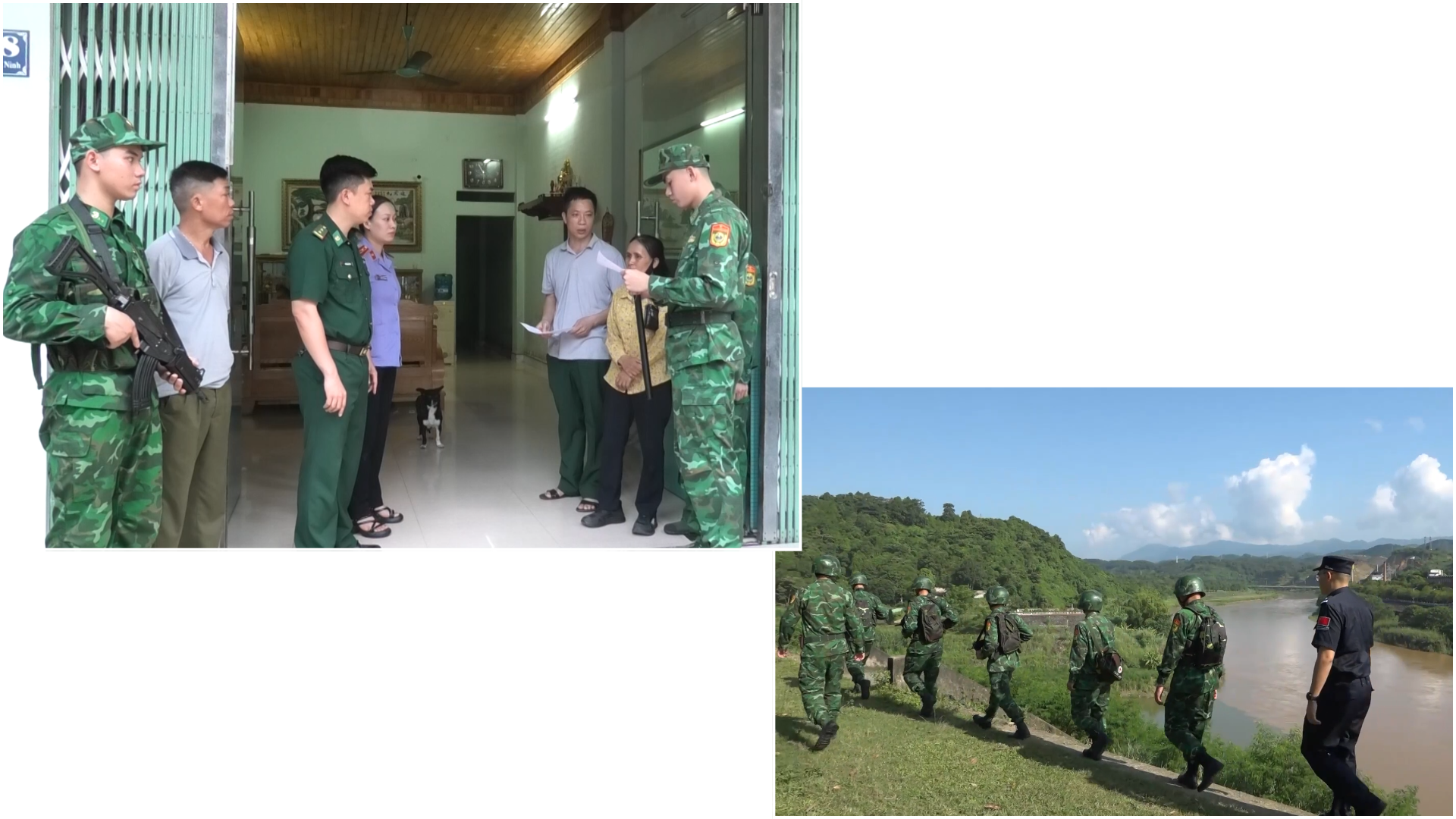
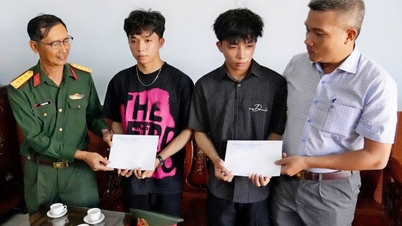
Lieutenant Colonel Giàng A Trú, Deputy Political Officer of the Si Ma Cai Border Guard Station, said: "The unit always considers accompanying the people in economic development as an important task. In addition to border protection duties, officers and soldiers also go down to the villages to help people develop production; disseminate the Party's guidelines and policies, and the State's laws and regulations. Every Tet holiday, the unit also prepares gifts to encourage disadvantaged households..."
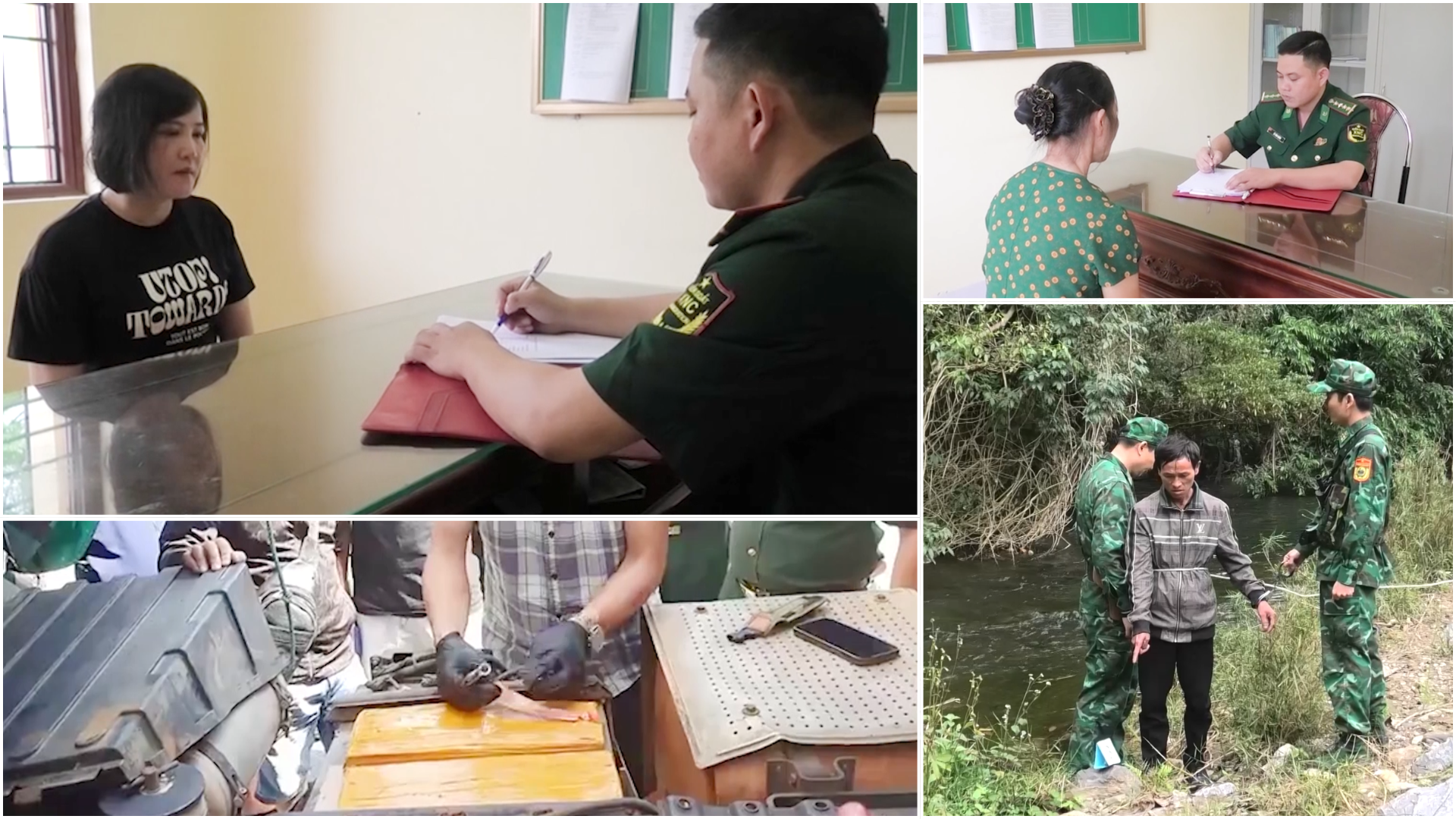
The gifts may not be large, but they carry the sharing and affection of the soldiers on the border. Many families say that this care has given them more faith to overcome difficulties. In a land still lacking many resources, the bond between the government, the army, and the people is the foundation for building a new life.

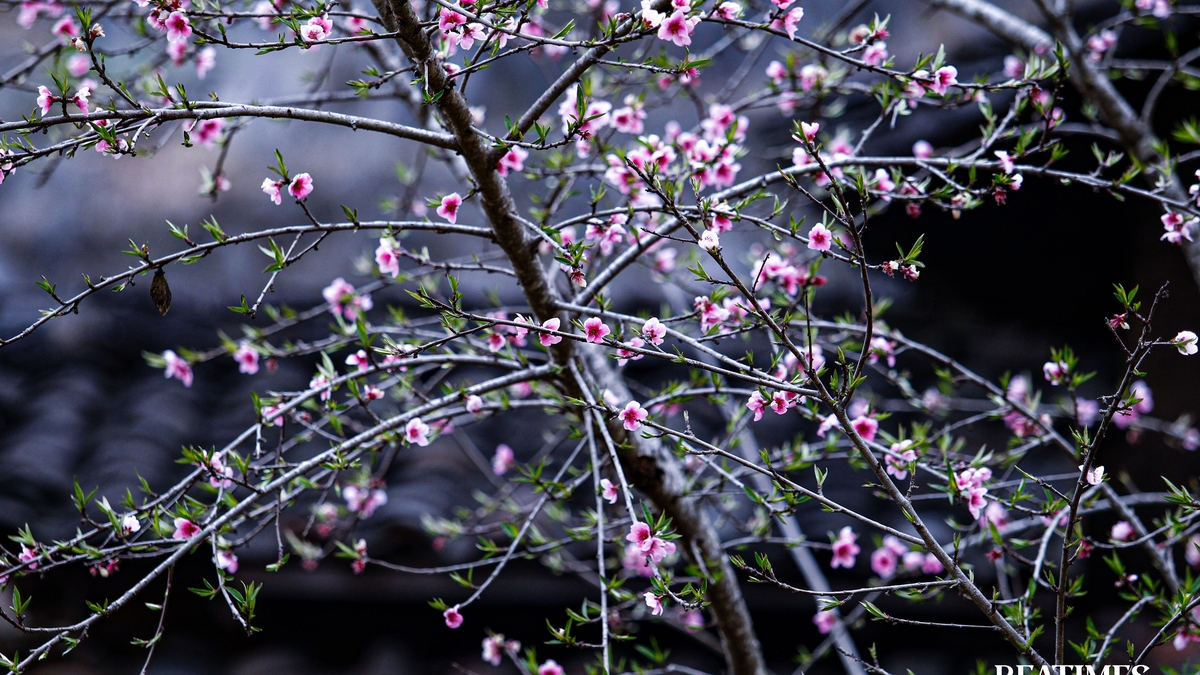
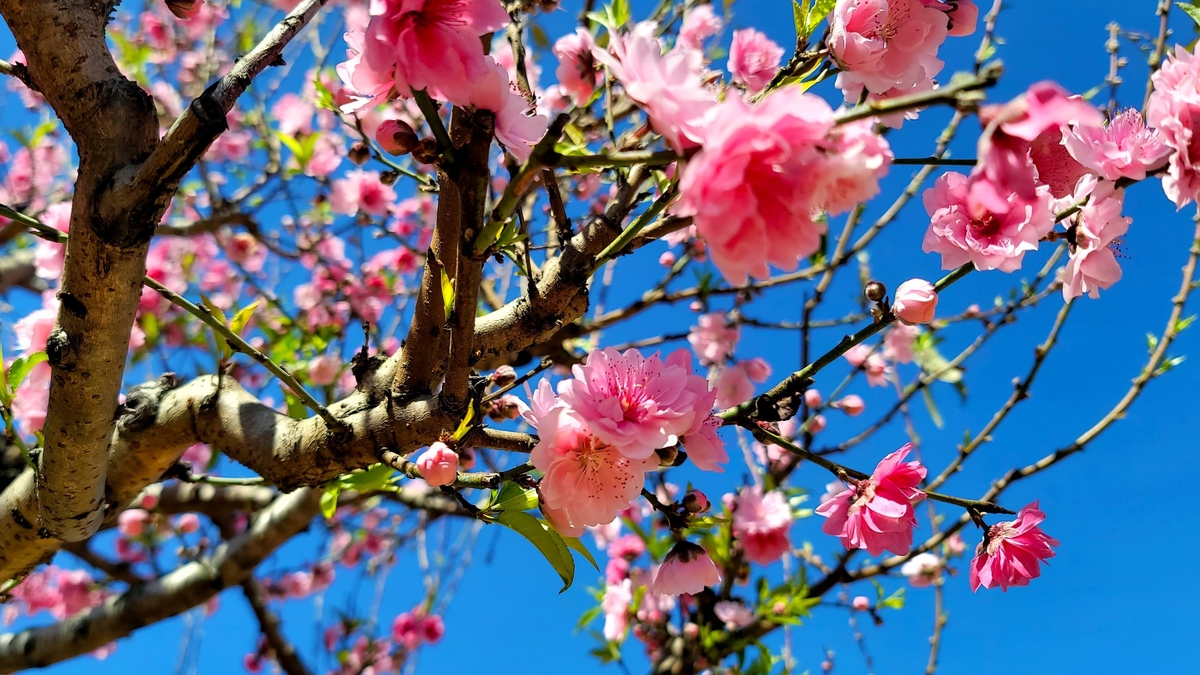
As evening falls on the slopes of Si Ma Cai mountain, the last rays of sunlight illuminate the newly built houses, still smelling of fresh paint. In the distance, the kapok and peach blossoms have bloomed along the Chay River, which silently meanders through the valleys.
Although life in Lu Di San is still full of hardships, the most noticeable change today is the transformation in the eyes and stories of the people. They talk more about their future plans, about raising more pigs, growing more corn, or saving money for their children's education. These seemingly small stories contain a great power - the power of belief.
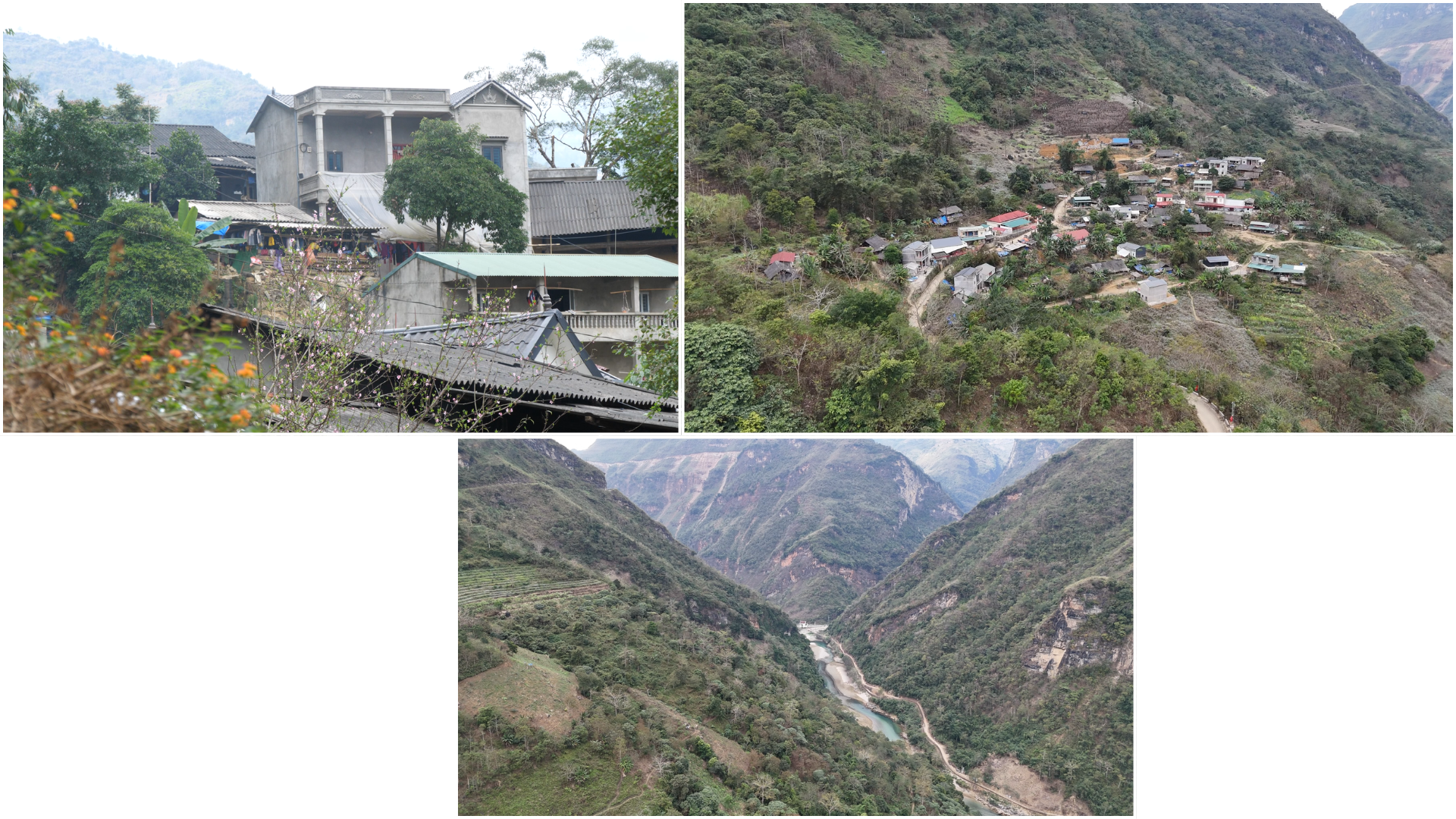
Upstream along the Chay River, aspirations for a better life are being ignited by the simplest things: a bus ride for young people going to work far away, a small loan for livestock farming, or a word of encouragement from a border guard.
A new spring is spreading across the borderlands. Upstream of the Chay River, a new story continues to be written – a story of faith, unity, and the aspiration to build a prosperous life.
Source: https://baolaocai.vn/uoc-vong-lu-di-san-post894469.html





















































Comment (0)