

According to BGR , first released in 2014, USB-C quickly became a favorite connector in the tech community. But why do people prefer USB-C, and why is Apple's complete switch to it attracting attention?
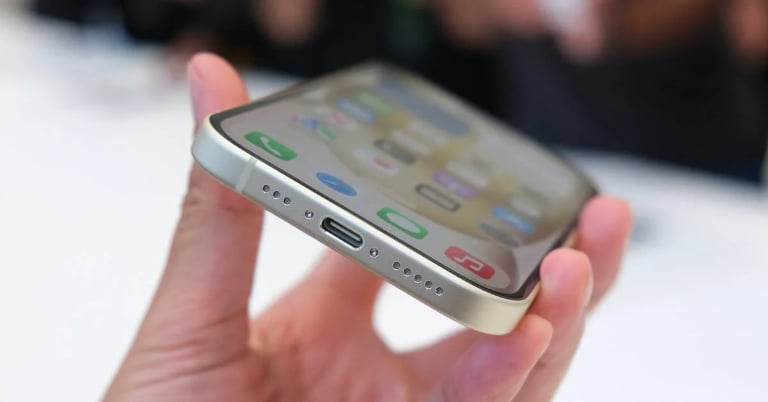
All iPhone 15 series models use a USB-C charging port.
The big idea behind USB-C is to eliminate the disparity of connector types that tech consumers have faced for over two decades. When the first computers began to enter the consumer market, people were confronted with VGA connectors, USB connectors, 3.5mm headphone jacks, and a host of other available connection options.
Having too many different connection options can be confusing for most users, which is why many are excited about the strong push for USB-C. It not only eliminates some of the hassle of traditional USB-A and USB-B connectors but also offers high-speed data transfer capabilities, as well as video signal transmission and even battery charging.
This essentially makes it more useful than other USB types. Additionally, many entities, such as the European Union (EU), are promoting wider adoption of USB-C because it will help reduce cable waste.
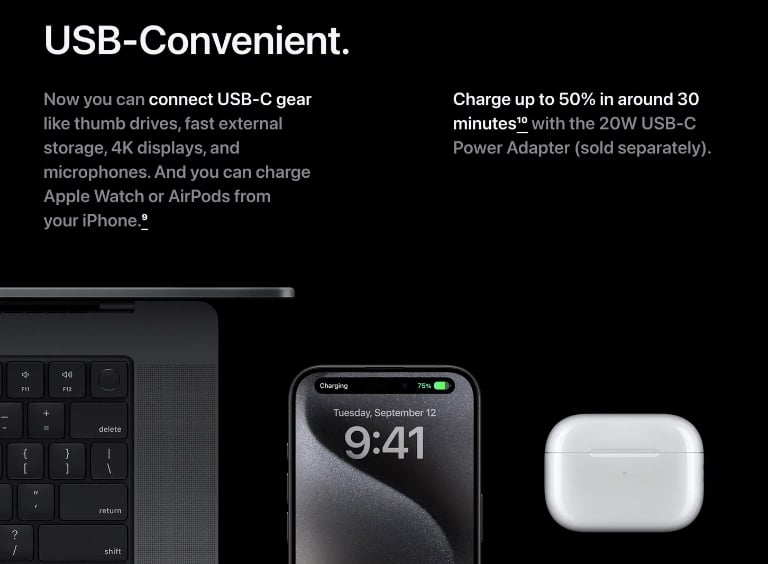
Many Apple devices now use USB-C ports instead of the proprietary ports used previously.
If all phones and electronic devices supported the same type of charging cable, people would have no reason to carry multiple cables, thus reducing the likelihood of discarding them every time a device needs replacing. With USB-C, we can continue using the same cable until it stops working, minimizing waste.
And because all devices support the same type of charging connector, users won't have to worry about manufacturers always including those cables in the product box. While some might see this as a scam, others see it as a huge benefit in helping to cut waste, which will certainly help reduce the impact of climate change that people are causing with their wastefulness.
There are many reasons why USB-C is important, but ultimately, it all comes down to making life easier for everyone who uses technology around the world .
Source link

































![[Photo] Prime Minister Pham Minh Chinh presides over the conference announcing the establishment of the International Finance Centre in Vietnam.](/_next/image?url=https%3A%2F%2Fvphoto.vietnam.vn%2Fthumb%2F1200x675%2Fvietnam%2Fresource%2FIMAGE%2F2025%2F12%2F21%2F1766309817714_ndo_br_dsc-3400-jpg.webp&w=3840&q=75)






























































Comment (0)