


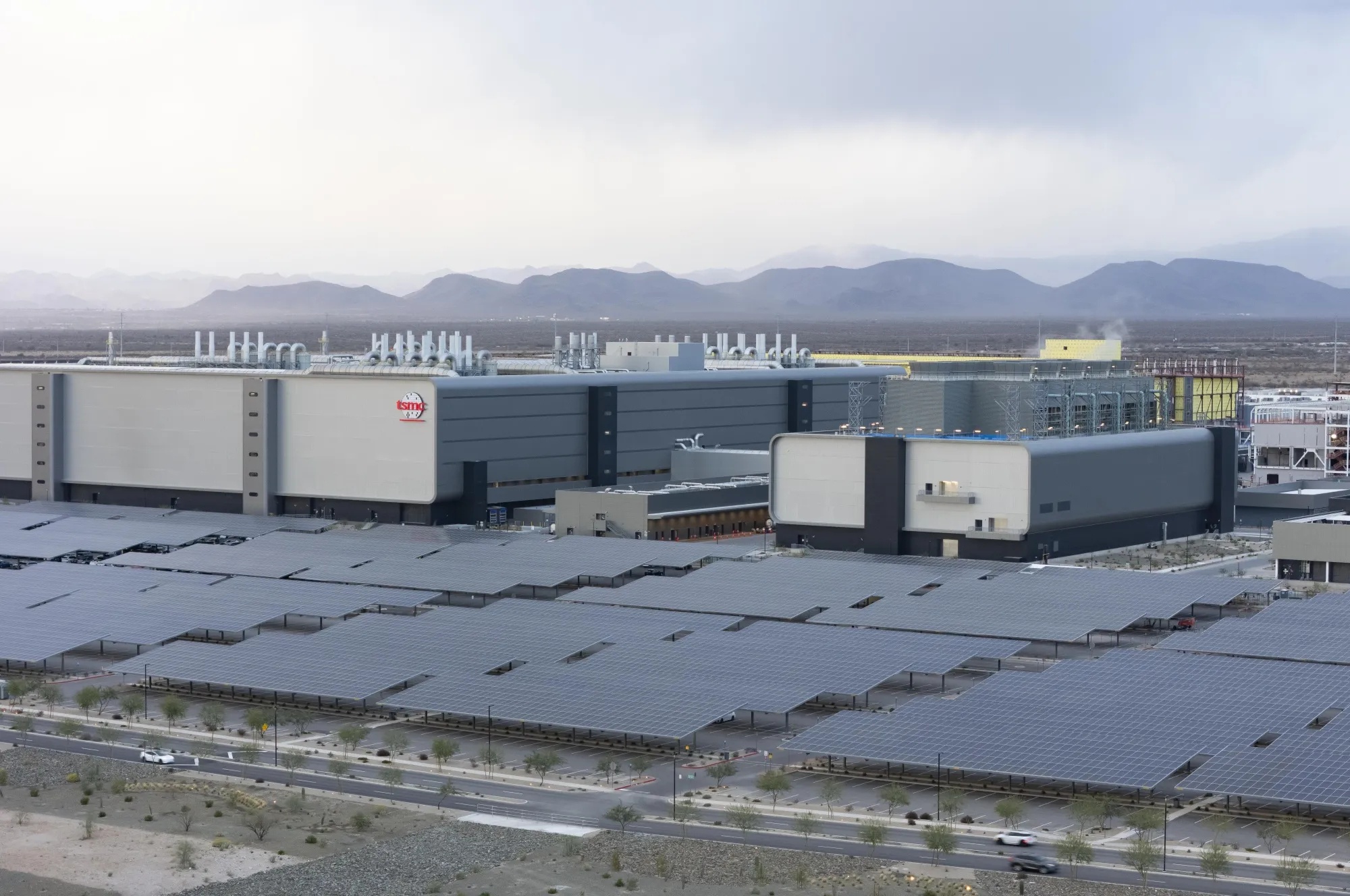
In the middle of a desert dotted with cacti, about a 30-minute drive from Phoenix, more than 30 cranes reach high above a massive construction site approximately 2.5 times the size of Central Park in New York City. Here, a colossal chip manufacturing complex is taking shape, carrying Apple's hopes of restoring America's leading position in semiconductor manufacturing.
The complex's biggest customer is Apple. The tech giant is leveraging its position to boost domestic chip production, diversifying its supply chain amid rising geopolitical tensions and trade risks. This effort also responds to calls from the US administration during the last two presidential terms to reduce reliance on foreign sources of core technology.
The complex in Phoenix is being built by TSMC, the world's largest contract chip manufacturer. TSMC plans to spend $165 billion to develop six factories and numerous supporting facilities, making it one of the largest construction projects in the United States today.
Apple's commitment
In 2025, under pressure from the Trump administration, Apple committed to investing $600 billion in the United States over four years. The majority of this figure covers the company's entire domestic expenditure, from salaries for tens of thousands of employees to retail operations.
However, the plan also includes Apple's intention to purchase more than 100 million chips from TSMC's manufacturing facility in Phoenix this year. David Tom, Apple's head of global procurement, said the company is looking to buy "as much of the factory's output as possible."
Compared to the scale of the global semiconductor supply chain, this effort is still very modest. The amount of chips purchased from the Phoenix complex represents only a small fraction of Apple's total component needs, which are the core components powering iPhones, Macs, and many other devices.
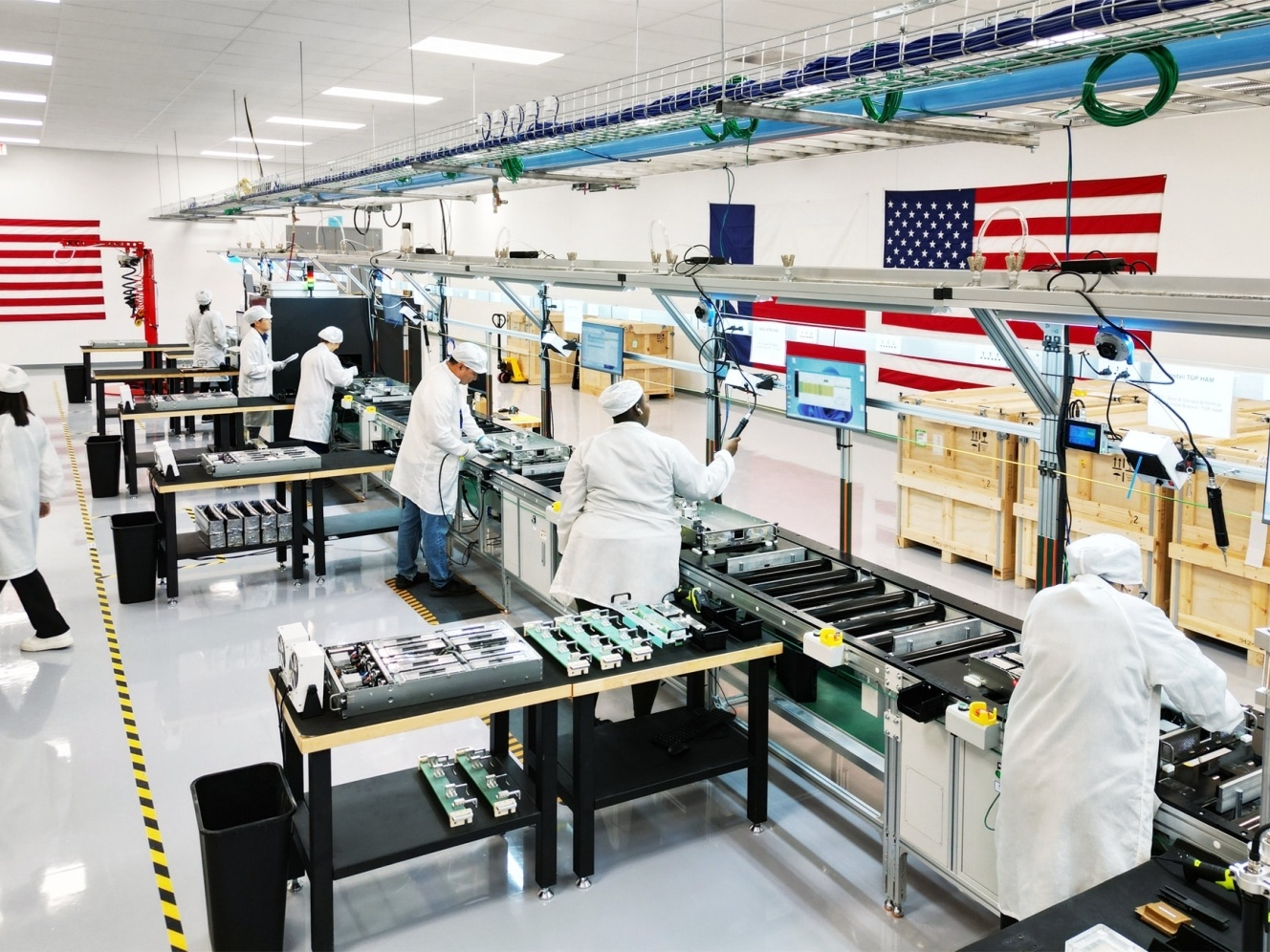 |
The project is part of Apple's commitment to invest $600 billion in the US. Photo: Tweaktown . |
However, the scale of TSMC's construction and its network of suppliers shows that Apple's strategy of bringing its chip supply chain back to the US is having a real impact. Not only in Phoenix, the iPhone maker has also committed billions of dollars to suppliers manufacturing display panels in Kentucky, recycling rare earth magnets in California, and producing silicon components in Texas.
One of the key links in the chain is GlobalWafers, a Taiwanese (China) company specializing in the production of silicon wafers, the foundation for creating chips. Last year, GlobalWafers opened a new factory in Sherman, Texas. There, raw silicon is melted and formed into large ingots weighing hundreds of kilograms, then cut into thin wafers, polished, and carefully packaged for shipment to chip manufacturers such as TSMC.
Mark England, president of GlobalWafers in the US, said Apple is indirectly supporting the company by encouraging TSMC and other manufacturers to use domestically produced wafers. This support is expected to help GlobalWafers expand its capacity, amid federal tax incentives encouraging domestic investment.
A major step forward for Apple.
Apple designs its own chips, while TSMC handles manufacturing. The close collaboration between the two over the years has allowed the Taiwanese (China) tech giant to confidently invest in new technological processes. According to David Tom, Apple's commitment to using advanced processes allows TSMC to confidently expand production on a large scale with enormous output, thereby creating a ripple effect for other companies to follow suit.
In Phoenix, one plant has been completed and is in operation. A second plant is expected to be operational next year, and a third is planned for 2030. Additionally, three more plants will be built later. When completed, the complex could span over 8,093 square kilometers, including residential areas and commercial facilities.
Despite its large scale, the US complex still cannot match TSMC's ecosystem in Taiwan. Currently, the company operates four large factories there, each producing over 100,000 wafers per month, along with seven smaller facilities. TSMC states that Phoenix only achieves equivalent production when all six factories are operating simultaneously.
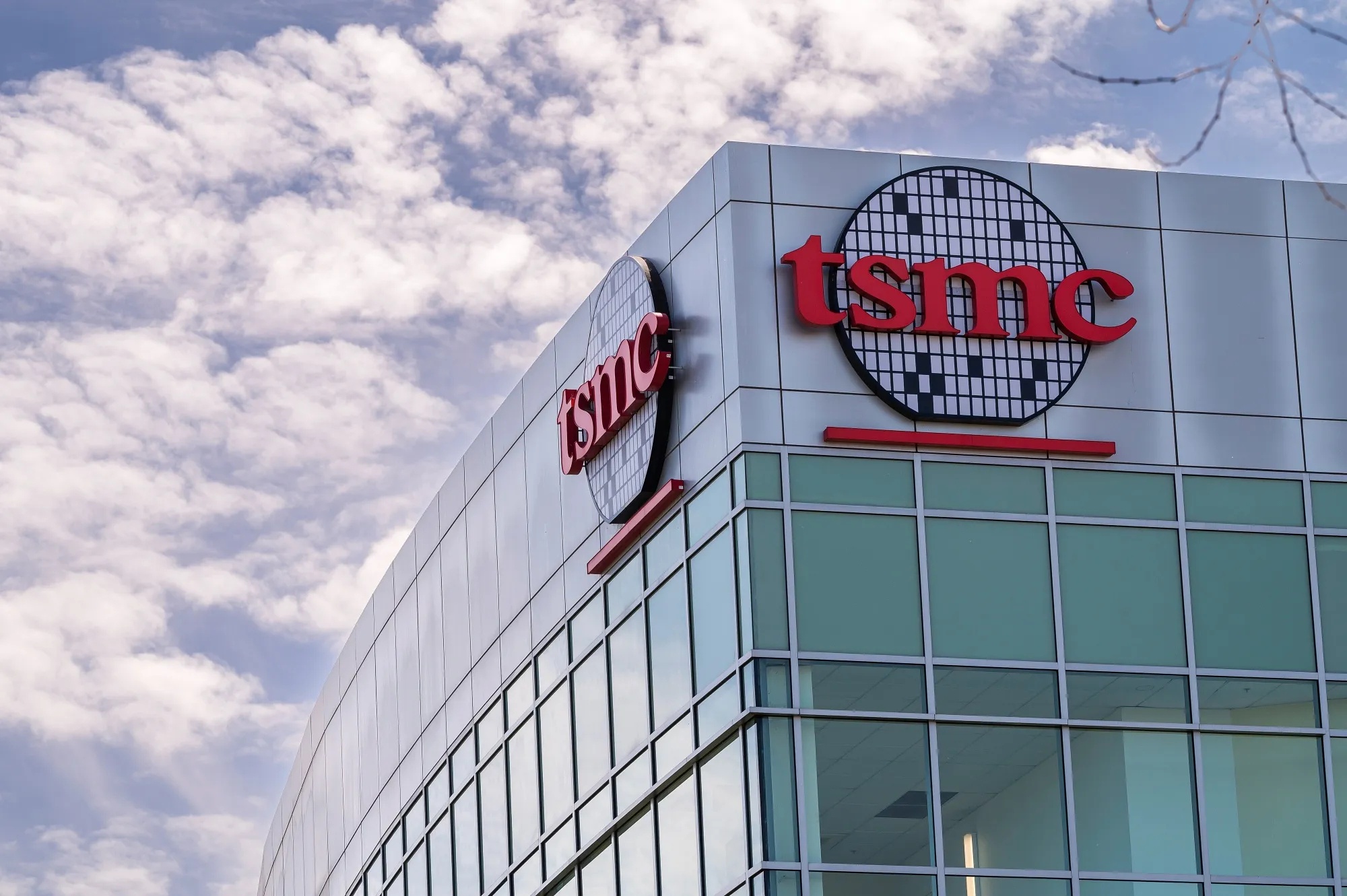 |
TSMC is manufacturing some older process chip lines at its mega-complex in Phoenix. Photo: Bloomberg . |
In terms of technology, TSMC's most advanced chips, using the 2nm process, are still manufactured in Taiwan. In Phoenix, the company produces 4nm and 5nm chips.
The latest central processing units in iPhones and Macs require more advanced technology, but each Apple device also contains dozens of other chips using older processes. Some chips that power AI are also based on this process.
Not far from TSMC's complex, Amkor Technology is building two chip packaging plants on an area of over 404 square kilometers, with a total investment of approximately $7 billion and support from Apple. When the first plant is completed in 2027, Amkor will receive wafers from TSMC, cut them into individual chips, and add connectors before transferring them to the device assembly stage.
Take a cautious step.
The final link in the supply chain remains the large-scale assembly plants. In Houston, Apple, in partnership with Foxconn, operates a production line for data processing servers that power the AI features on the company's devices. The plant currently produces about 10 servers per hour and is being expanded to assemble the Mac Mini line, with over 609 square kilometers of production space expected to be completed by the end of this year.
 |
Apple has not yet brought its iPhone production lines back to the US. Photo: Bloomberg . |
Previously, Apple had experimented with assembling Mac Pro in Austin, Texas, since 2013, but operations scaled back due to low demand and labor difficulties. According to Sabih Khan, Apple's Chief Operating Officer, the company is confident in its plan to manufacture Mac Mini in Houston thanks to stable demand.
However, the tech giant has no plans to bring iPhone assembly back to the US. According to estimates by Consumer Intelligence Research Partners, iPhone sales far exceed Mac Mini sales by hundreds of times.
Sabih Khan said Apple is prioritizing areas of long-term strategic importance. “We focus on the elements that are crucial for future innovation and differentiating our products over time. These are components, small assemblies, and advanced silicon,” Khan added.
Source: https://znews.vn/apple-dat-cuoc-vao-sieu-to-hop-san-xuat-moi-post1630114.html
























































































Comment (0)