



Effectively leveraging the core values of folk culture will be key to developing tourism in each locality.
Search for folk culture tourism products
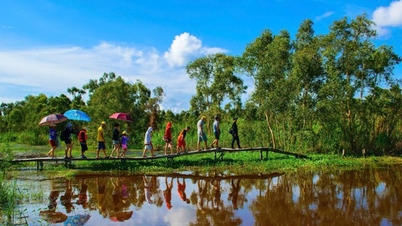
Folk culture tourism products are a package of services and goods built on folk culture resources and tourist demand, and are heavily dependent on folk culture tourism resources. In regions with rich, unique, and valuable resources, attractive tourism products can be created.
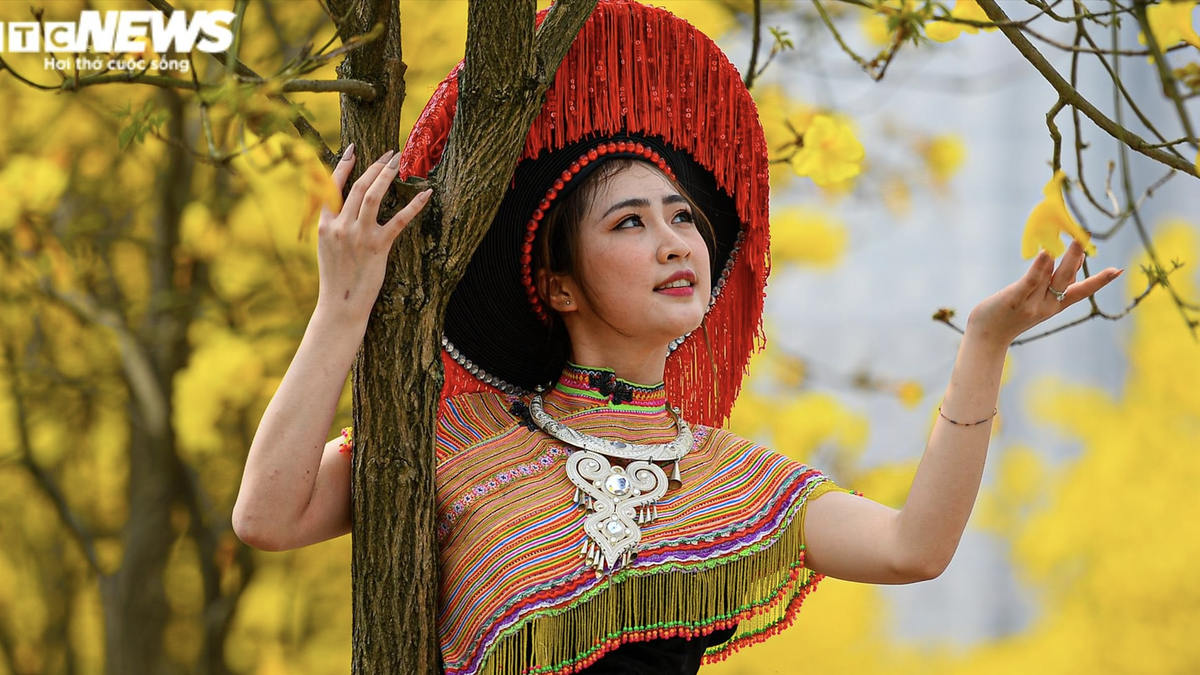
Our country possesses a diverse and rich array of folk cultural tourism resources (with 54 ethnic groups and 200 local communities). Many regions and ethnic groups have unique and distinctive tourism resources that easily attract tourists. This abundance of resources and high level of uniqueness has created favorable conditions for diverse and attractive folk cultural products with the potential to attract a large number of visitors.
Folk cultural tourism products are immobile; tourism facilities serve as both production sites and service providers, so tourists who want to consume them must visit the tourism facilities, attractions, or tourist areas to enjoy them.
This characteristic necessitates strong promotion to attract tourists. Furthermore, tourism products are strictly seasonal. It's impossible to attend festivals or visit local markets on weekdays, or to buy local specialties during the off-season. Seasonality also leads to tourism "overcrowding." This characteristic also requires designers of cultural tourism products to prioritize research into the practical realities of folk culture.
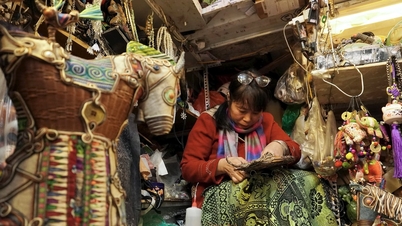
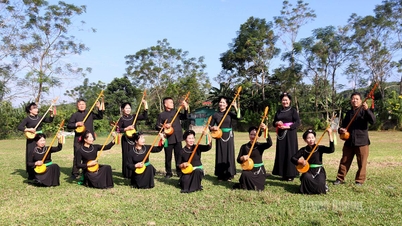
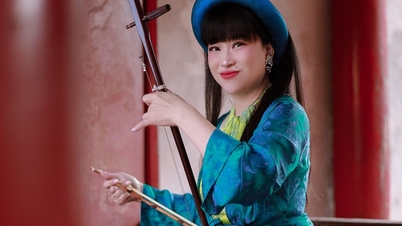
Based on the types of folk cultural tourism resources, tourism products can be divided into categories such as performing arts tourism products, handicraft and souvenir products; tourism products from food and accommodation services; tourism products exploited from ethnic festivals and customs; and experiential tourism products based on the wealth of folk knowledge.
Highlighting the unique cultural characteristics of the region.
Designing and developing tourism products requires following a specific process. First, it is necessary to research local tourism resources and folk cultural characteristics. Investigate tourist attractions and areas, and based on the needs of frequent visitors and their market expansion potential, develop ideas accordingly.
From the initial idea, businesses and consultants will design tourism products that reflect folk culture. These products must meet new requirements and be attractive and acceptable to tourists. But more importantly, they must be unique products specific to each region and locality.
Although both are beach tourism products, beach tourism in Quang Ngai is different from that in Binh Dinh and even more different from Nha Trang ( Khanh Hoa ). This difference is determined by many factors, but the primary factor must be tourism resources and the "essence" of folk culture.
Designing unique tourism products requires producers to conduct trial production and gauge tourist demand. Following this, they must advertise and sell the products. The entire product development process demands close collaboration between consultants (possibly folklore researchers), artisans, and tourism businesses. Of course, creating and designing distinctive tourism products requires adherence to a system of important principles:
Firstly, it must embody the spirit of folk culture. The spirit of folk culture must become the core of the product, creating the unique characteristics of each different region.
Secondly, it is necessary to study and develop product chains, including a core product. This is the most distinctive and quintessential product, reflecting the unique beauty and attractiveness to tourists. The core product holds the central position, the nucleus of the product. Alongside the core product, supplementary products should be developed. These products should connect with the core product, adding to its unique characteristics and making it more appealing to tourists. Within the supplementary products, a complete product should be developed. A complete product is a service or goods that provides features and benefits exceeding customer expectations, making it more attractive than other products.
For example, besides beach services on Ly Son Island (Quang Ngai province), there are also experiential products and guided tours to explore coral reefs through scuba diving and coral viewing from glass-bottom boats.
Given the current situation and the principles of tourism product development, for Vietnamese tourism to take off, it needs to break free from the "similar" beauty of tourism across different regions. Local tourism needs to base its products on the unique characteristics of its human and natural tourism resources to create distinctive tourism offerings.
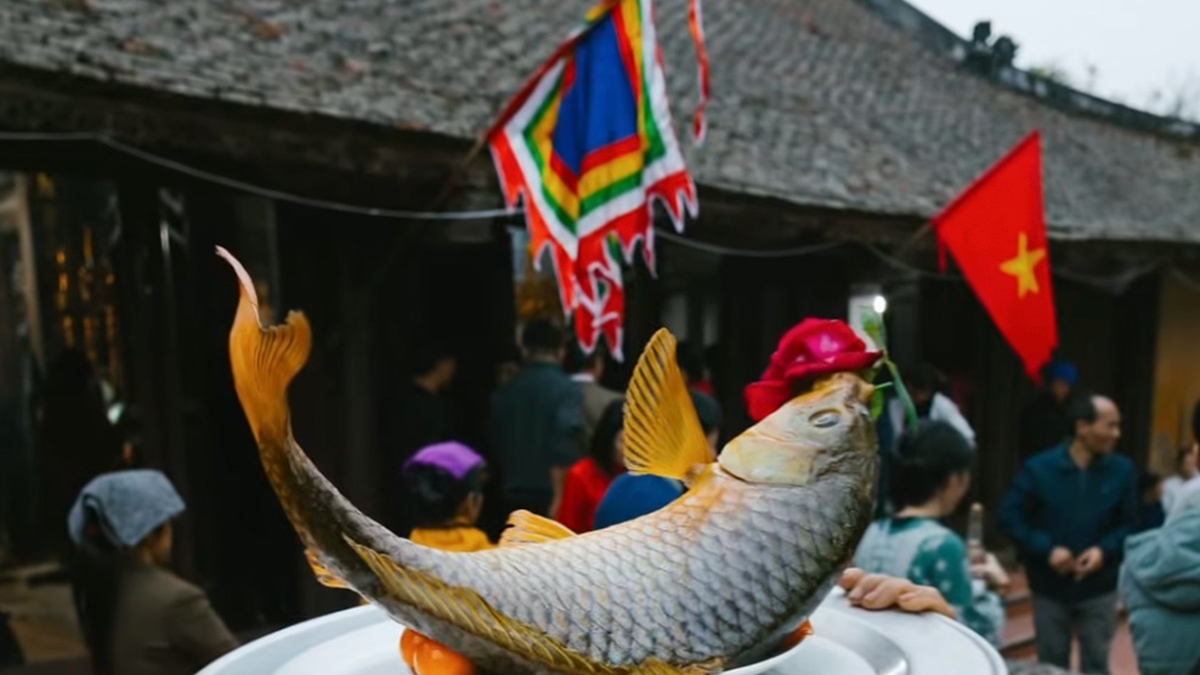
These programs both select historical sites as focal points and exploit intangible folk cultural heritage (festivals, customs, crafts, cuisine, etc.) to create supplementary products. For example, the "Journey of the Gods" program uses materials from rituals of worshipping spirits, making symbolic tombs, worshipping the whale god, etc., to create sacred products that also serve as souvenirs.
Alternatively, you could add experiences such as exploring the sea, discovering coral reefs, exploring folk knowledge about garlic culture, and learning about specialty garlic products from Ly Son Island...
Other tourism programs focusing on the beautiful My Khe beach, the estuaries and river mouths, the Son My historical site, the Sa Huynh historical site, and scenic spots like Mount An and the Tra River should be linked to the exploitation of traditional crafts, cuisine, and folk knowledge in daily life to create unique tourism products that are deeply rooted in the folk culture of each region in Quang Ngai.
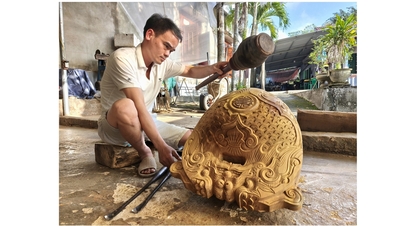
On the other hand, researching certain crafts that can be developed into tourism products will meet the demand for experiences and purchases of handicrafts and specialty products in the form of souvenirs and local goods.
The soul of unique tourism products lies in the tour guide's explanations, the materials introducing cultural heritage, landmarks, and culinary characteristics... Therefore, the Folk Arts Associations in the provinces should register provincial-level projects on developing a set of materials to serve as a guidebook for tourists.
The purpose of this document is to provide standardized, scientific knowledge about local tourism for tour guides and interpreters at the local and national levels. The document is also intended to be developed into a curriculum for training courses for tour guides and interpreters.
The materials can be distributed in the form of travel guidebooks (printed and e-books). Alternatively, they can be released online as limited-edition paid materials. Thus, a travel guidebook is not a tourism product, but rather the soul that creates the appeal of tourist destinations, tours, and routes.
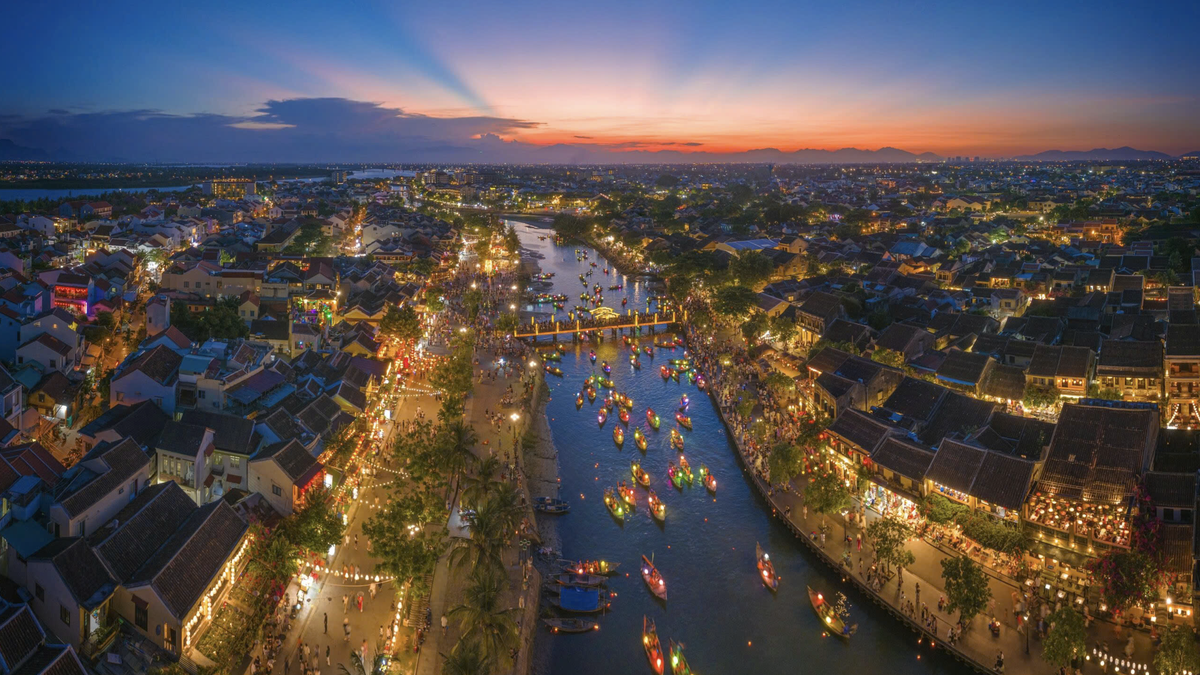
The tourism industry itself is a comprehensive and interconnected economic sector. Therefore, attractive tourism linkage solutions are needed. Besides linking tourism development between provinces, there should be linkages in the direction of "sea and forest" culture.
Forest cultural elements will complement coastal tourism products and create a connected tour between the estuary and the river headwaters; between coastal folk culture and forest folk culture.
Thus, leveraging folk culture to develop unique tourism products will contribute to each locality possessing its own distinct beauty and appeal. These unique tourism products will enable regional tourism to take off, overcoming the "similarity" of tourism nationwide.
Developing unique tourism products requires comprehensive solutions, including close collaboration between folklore researchers, folk artisans, and tourism businesses.
Folklore is not just about discovering ancient beauty or praising what is good and beautiful; it is truly a resource for tourism development. From heritage, folklore becomes an asset for tourism.
Source







































Comment (0)