When culture, technology, and law come together.
The Code of Conduct targets five groups: individuals; social media and digital platforms; internet service providers; the fields of journalism, media, advertising, and performing arts; and agencies, organizations, and businesses. Besides guiding civilized behavior in cyberspace, the Code also emphasizes the responsibility of influential figures in spreading positive values, contributing to the formation and strengthening of national values in the new era.
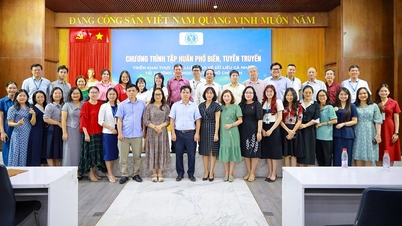
At a recent conference in Ho Chi Minh City on disseminating the Code of Conduct for a Culturally Rich Digital Environment, Mr. Le Quang Tu Do, Director of the Department of Broadcasting, Television and Electronic Information, stated that while culture and self-awareness form the foundation shaping behavior, technology and law are the tools ensuring the healthy functioning of the online environment.
According to Mr. Le Quang Tu Do, in recent times, the white-list and black-list initiatives have contributed to directing advertising revenue to channels that comply with the law, while limiting the revenue of accounts posting infringing content. In addition, the regulatory agency is building a national database of KOLs, KOCs, and online advertising activities to improve the effectiveness of monitoring through technology.
Looking back at the management work over the past period, the Director of the Department of Radio, Television and Electronic Information stated that many violations have been strictly dealt with. In the coming time, the cleaning up of the online environment will continue to be strengthened, not only against false advertising but also against copyright infringement, intellectual property violations, and other serious violations.


From an artistic perspective, Mr. Nguyen Xuan Bac, Director of the Department of Performing Arts, assessed that the Code of Conduct will contribute to raising the sense of responsibility of artists and content creators in cyberspace. He expects that future technological solutions can support early warning of deviant content or unverified information, helping creators identify legal boundaries and adjust their behavior in a timely manner.
Let's work together to "green" the online space.
In Ho Chi Minh City, the implementation of the Code of Conduct is also being concretized through various solutions. According to Mr. Nguyen Ngoc Hoi, Deputy Director of the Department of Culture and Sports of Ho Chi Minh City, the city will promote the dissemination of the Code of Conduct and build a "green list" of individuals with positive influence to accompany in communication activities and spread good values to the community.
Building a healthy digital environment is receiving increasing participation from technology companies, media outlets, and the content creation community. Mr. Le Quang Tu Do stated that, just two weeks after its launch, the initiative "Joining Hands to Build a Cultural Environment Online" has attracted more than 30 organizations and businesses. These parties are committed to spreading positive information, combating fake news and harmful content, and strengthening digital copyright protection. Representatives from many businesses believe that, along with preventing harmful content, it is crucial to increase the production of culturally valuable products, contributing to shaping awareness and building trust within the community.
From a digital business perspective, Ms. Nguyen Thi Truc Phuong, CEO & Founder of Nina Ecom Center, noted that livestreaming, short videos, and KOLs (Key Opinion Leaders) have become an important part of the digital economy . However, this rapid development also places higher demands on content responsibility. Many violations stem from a lack of legal knowledge and communication skills. Therefore, professional training and ethical development programs for digital content creators are essential.
Meanwhile, major advertising corporations and businesses are also committed to putting the Code of Conduct into practice. Representatives from Unilever Vietnam and WPP Media Vietnam both stated that the digital environment is not only a media space but also a space of culture and trust. Advertising alongside harmful content can damage brand reputation and negatively impact the community. Therefore, businesses are increasing their adoption of monitoring technology and prioritizing cooperation with platforms and content creators that comply with the law.



In a world increasingly intertwined with digital space, building a healthy online environment is no longer solely the responsibility of regulatory bodies or technology platforms. It is a shared responsibility of every organization, business, and user. When cultural values are placed at the center, the online space will become more resilient against fake news and harmful content, and will become a breeding ground for positive contributions to society.
Source: https://baovanhoa.vn/bao-chi/van-hoa-la-goc-cong-nghe-la-be-do-234327.html