

The Xa Pho people in Lao Cai province, scattered across Chau Que, Van Ban, Bao Ha, Hop Thanh, and other districts, possess a rich cultural heritage distilled through folk songs, folk dances, and especially the sound of the "ma nhi" horn. From daily life to vibrant spring festivals, the "ma nhi" horn not only unites the community but also becomes a unique cultural symbol, fully reflecting the soul and identity of the Xa Pho people.
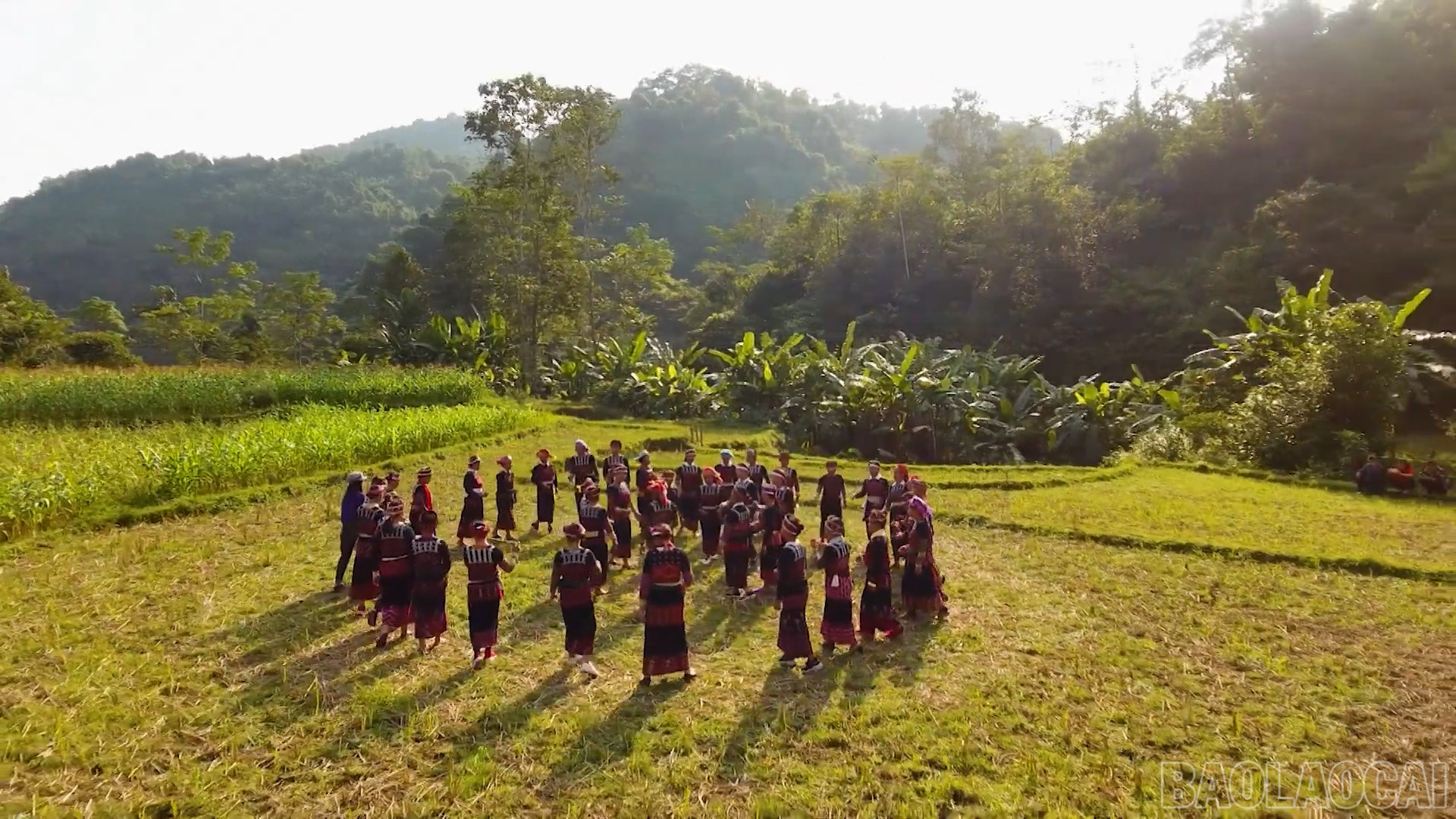
Sound connects communities.
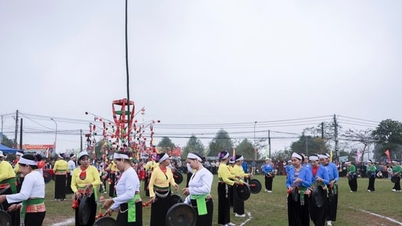
In the spiritual life of the Xa Pho people, the "ma nhi" horn holds a special place. It is considered the soul of the festival, especially during the Lunar New Year. The deep, resonant sound of the horn signals the beginning of the festival season, which lasts from the 4th to the 15th day of the first lunar month. When the horn sounds, people gather, slaughter pigs, drink wine, huddle around the fire, and immerse themselves in the traditional Xoe dance.
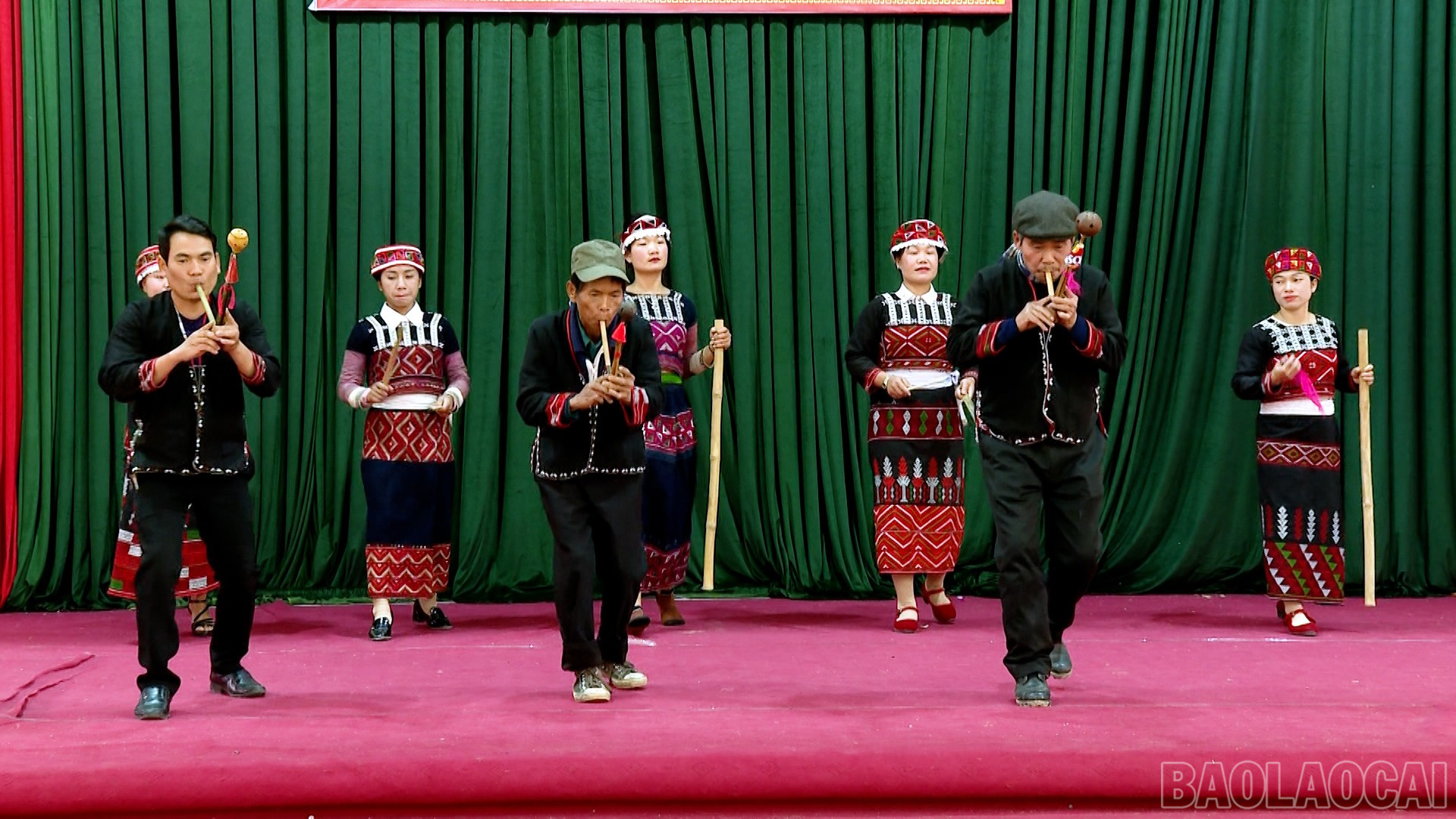
Distinguished artisan Dang Thi Thanh from Chau Que commune shared: "The sound of the trumpet is used to pray for a bountiful harvest in the new year, for plump corn and rice grains. It is also a wish for good health sent to grandparents, aunts, uncles, and family."
Therefore, the small horn is the thread connecting the past and the present, humanity with heaven and earth, a simple yet profound blessing of the Xa Pho people.
A masterpiece of handcrafted art from nature.
What makes the small ma-nhi horn unique is its rustic yet sophisticated construction. Under the skillful hands of the Xa Pho people, this instrument becomes a handcrafted work imbued with the spirit of the mountains and forests.
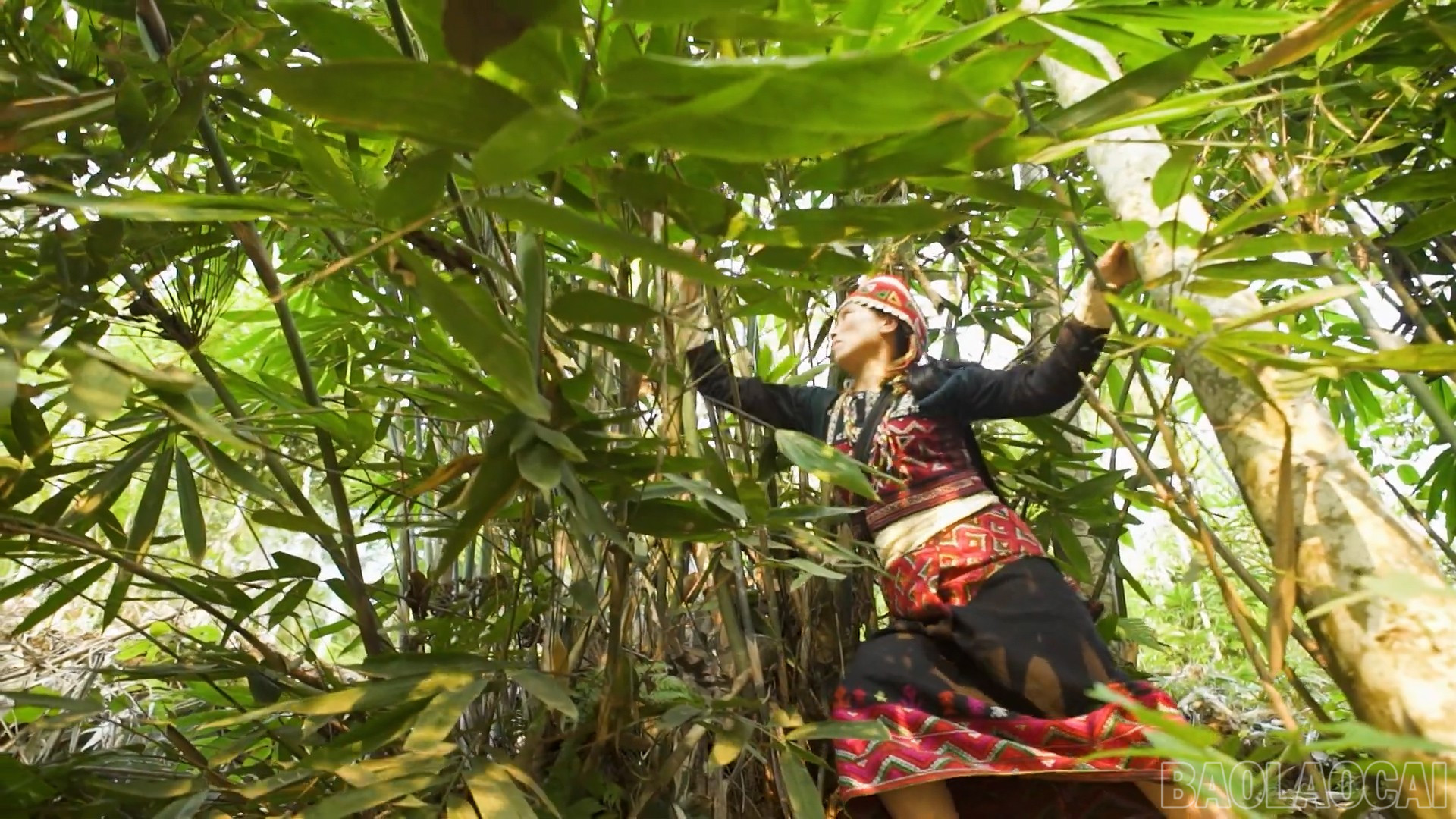
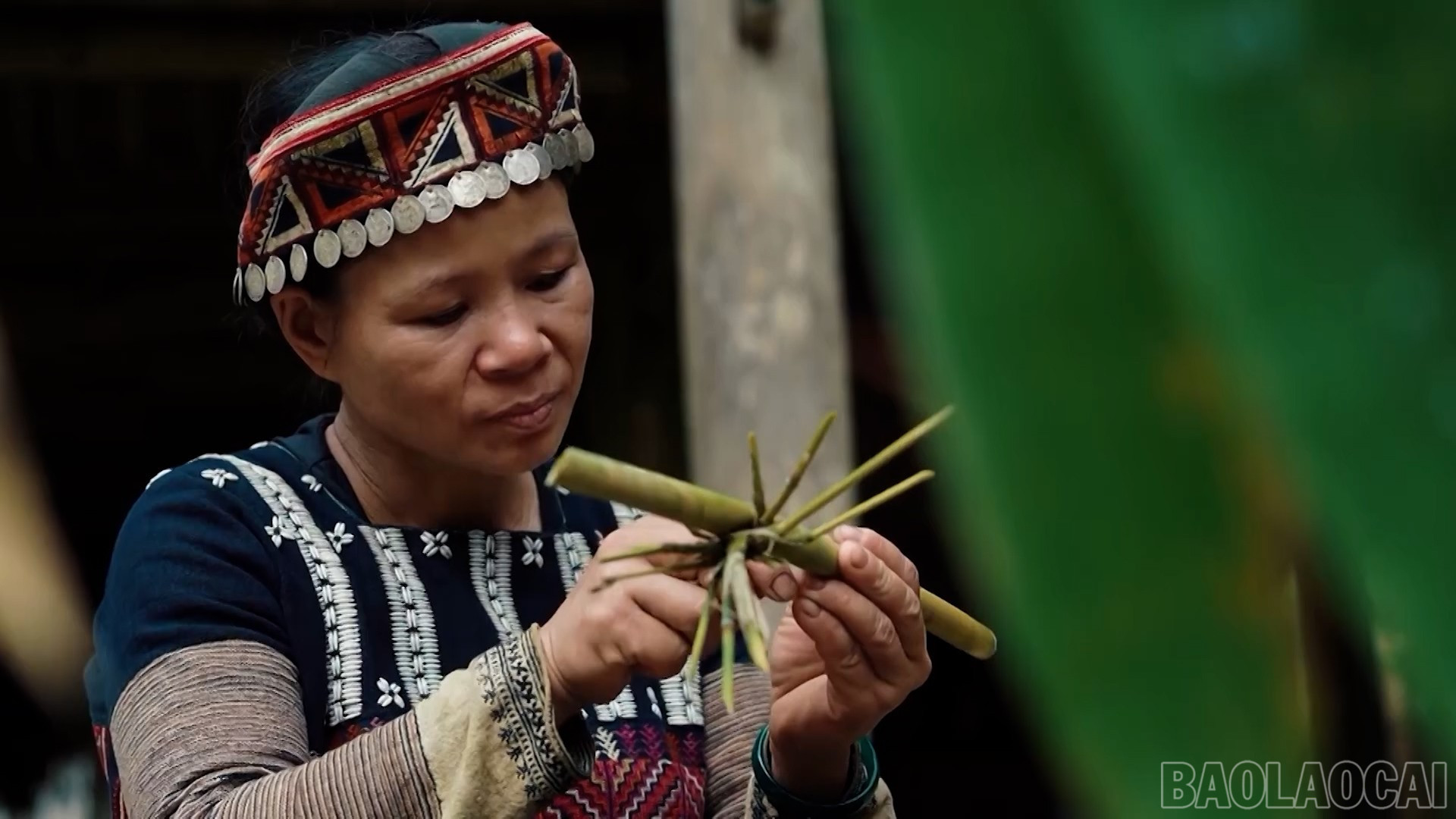
According to Mr. Ly Van Tu from Van Ban commune, the "ma nhi" horn consists of a gourd, a body, and a reed. The gourd is made from a dried bitter gourd, which is stored in the attic above the kitchen hearth. The reed is made from the sheath of a sword plant, which must be dried for six months to a year to achieve the desired flexibility and tone.
The body of the horn consists of 5 carefully selected bamboo tubes, harvested in September and October. After selection, the bamboo tubes are naturally dried in the attic above the kitchen for 9 months to 1 year to prevent insect infestation.
The five bamboo tubes are not a random number but symbolize the five members of the family: the longest tube represents the father, followed by the mother, the older brother, the older sister, and the younger sibling. When the trumpet sounds, it's not just a melody, but also the voice of the whole family gathered together, reunited.
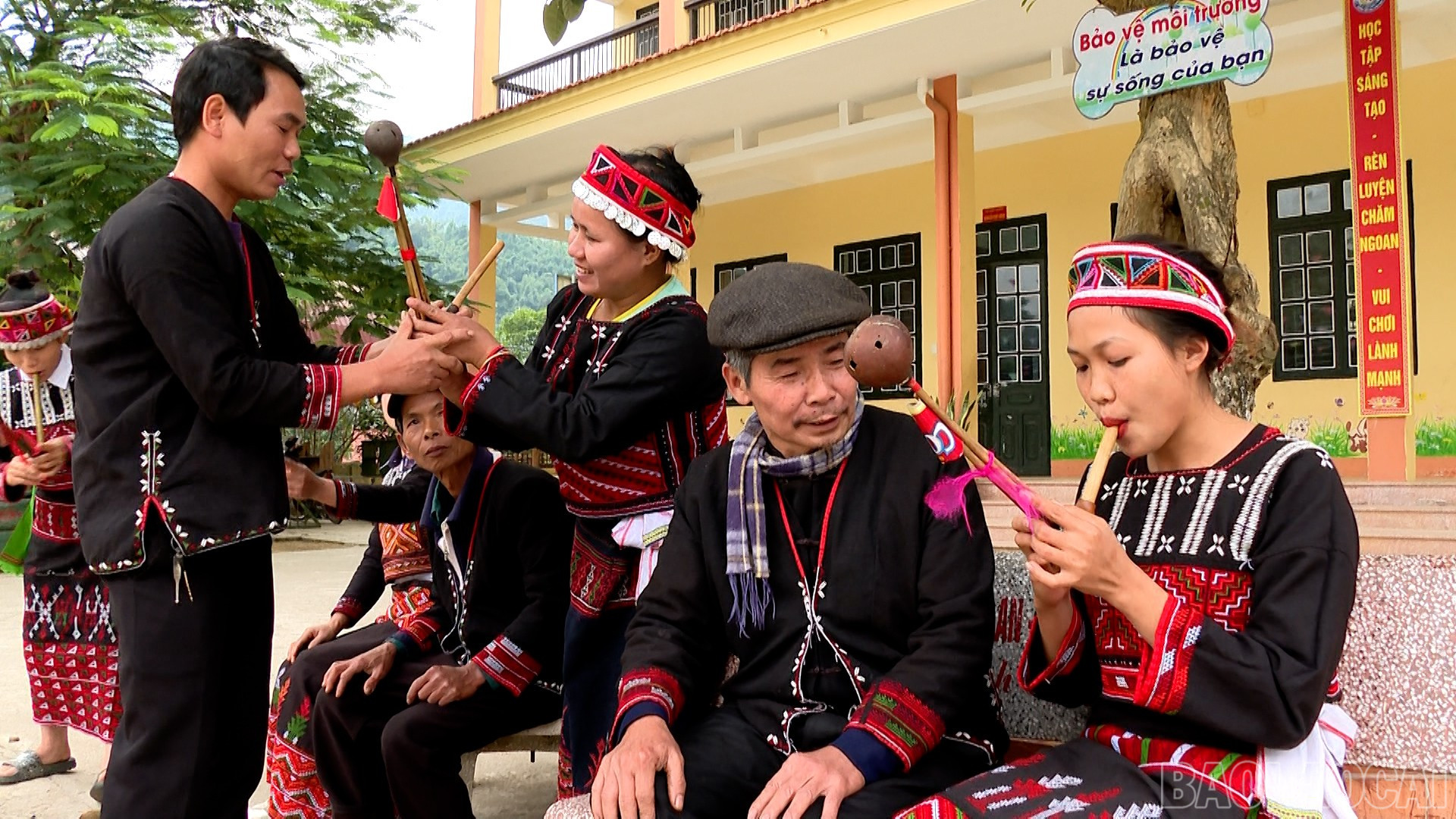
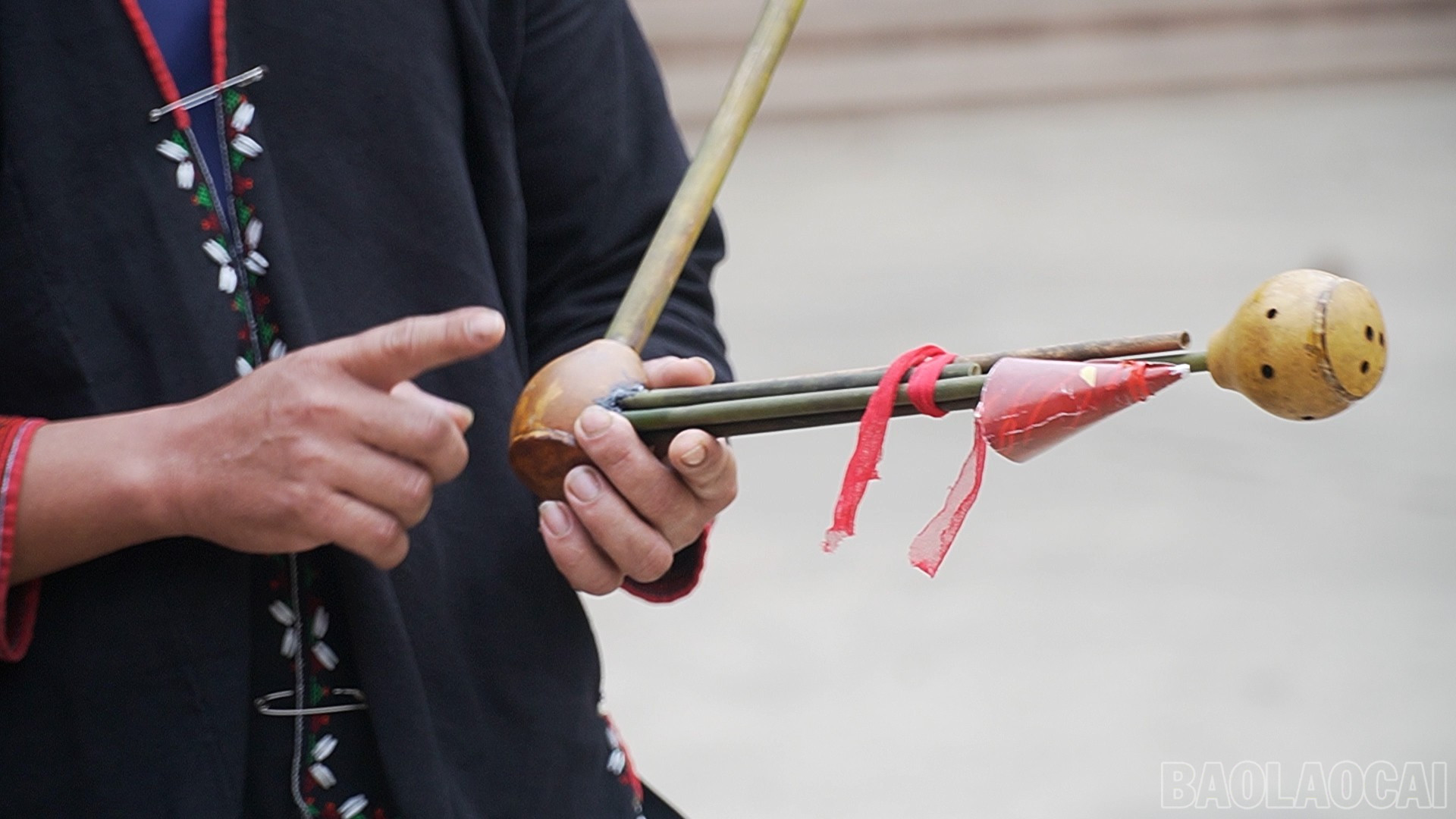
To assemble the parts of the horn, the Xa Pho people work on sunny days, using mosquito beeswax. The secret to softening this type of beeswax, which has the opposite property (it hardens when heated), is the "sweat" of the horn maker. They apply sweat from their noses to the beeswax; the moisture and body temperature soften the wax, which is then used to bond the horn body and the bamboo tubes. Therefore, not only is it made from natural materials, the "ma nhi" horn also bears the personal mark of its creator.
Once completed, the craftsman carefully inspects and tests the instrument by blowing into it to assess the sound quality. If it meets the requirements, the instrument is polished and decorated with additional accessories.
Passing on the passion to preserve identity
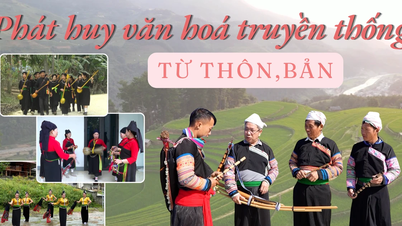
Today, the small ma-nhi horn not only appears during festivals, holidays, or traditional ceremonies, but also becomes a highlight in many local cultural activities: art performances, solidarity festivals, ethnic cultural festivals, etc. This is also how the Xa Pho people introduce their ethnic culture to tourists and the community, contributing to promoting traditional values and giving new life to the musical instrument.
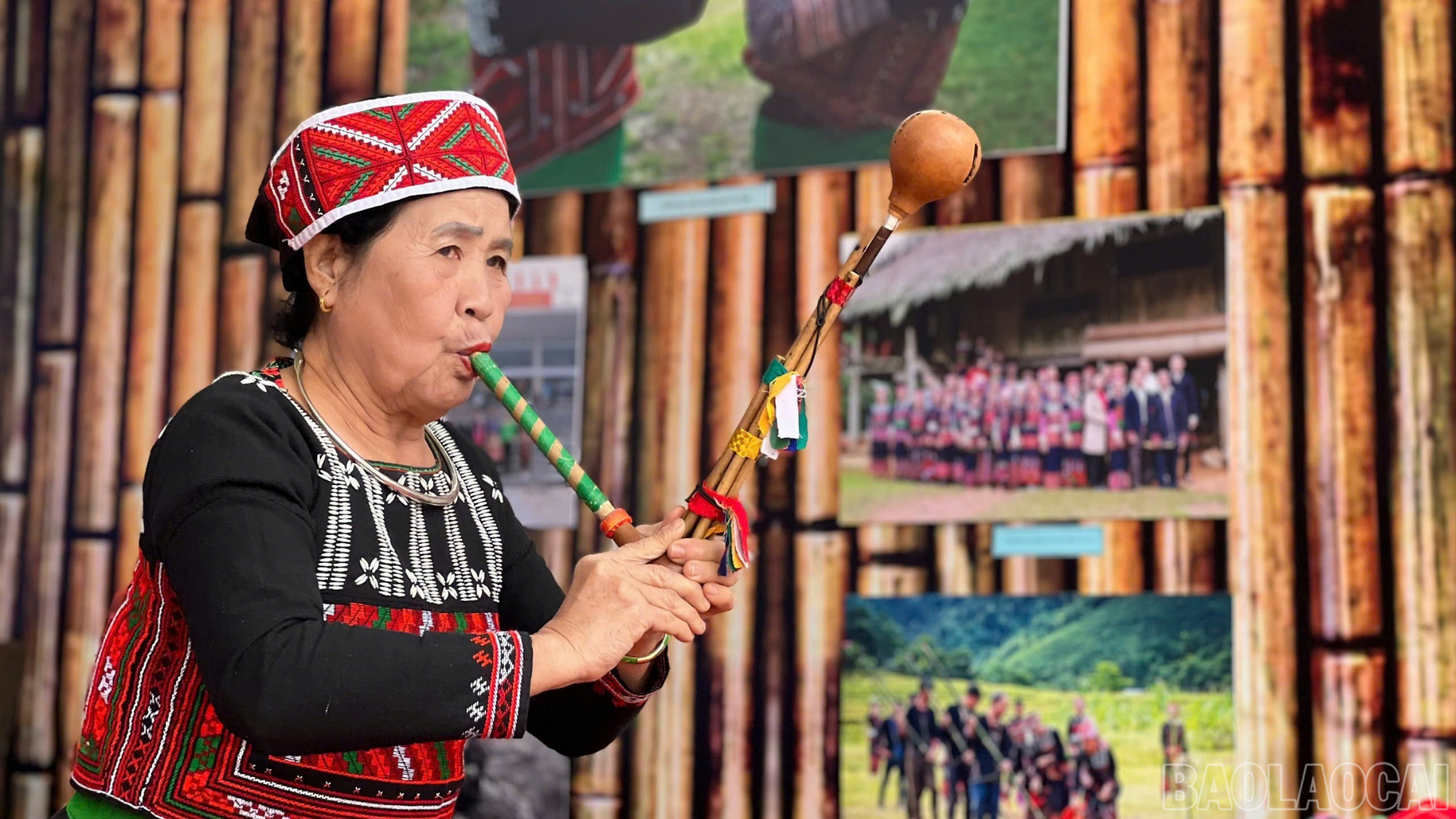
Distinguished artisan Dang Thi Thanh shared: "Bringing along the small horn and the 'cuc ke' flute to introduce to tourists is our way of promoting Xa Pho culture, so that the horns and flutes of our ancestors can be preserved and developed."
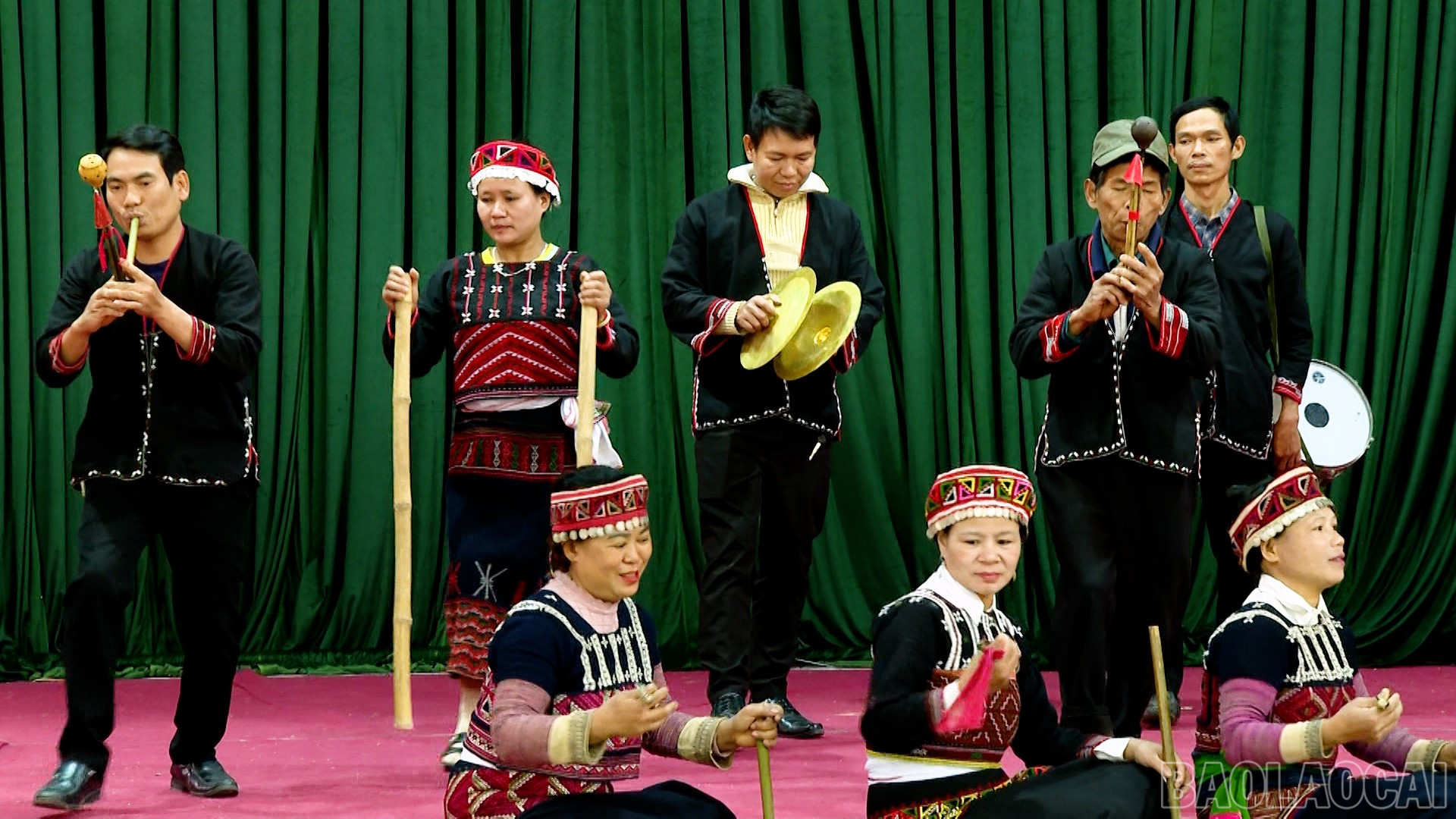
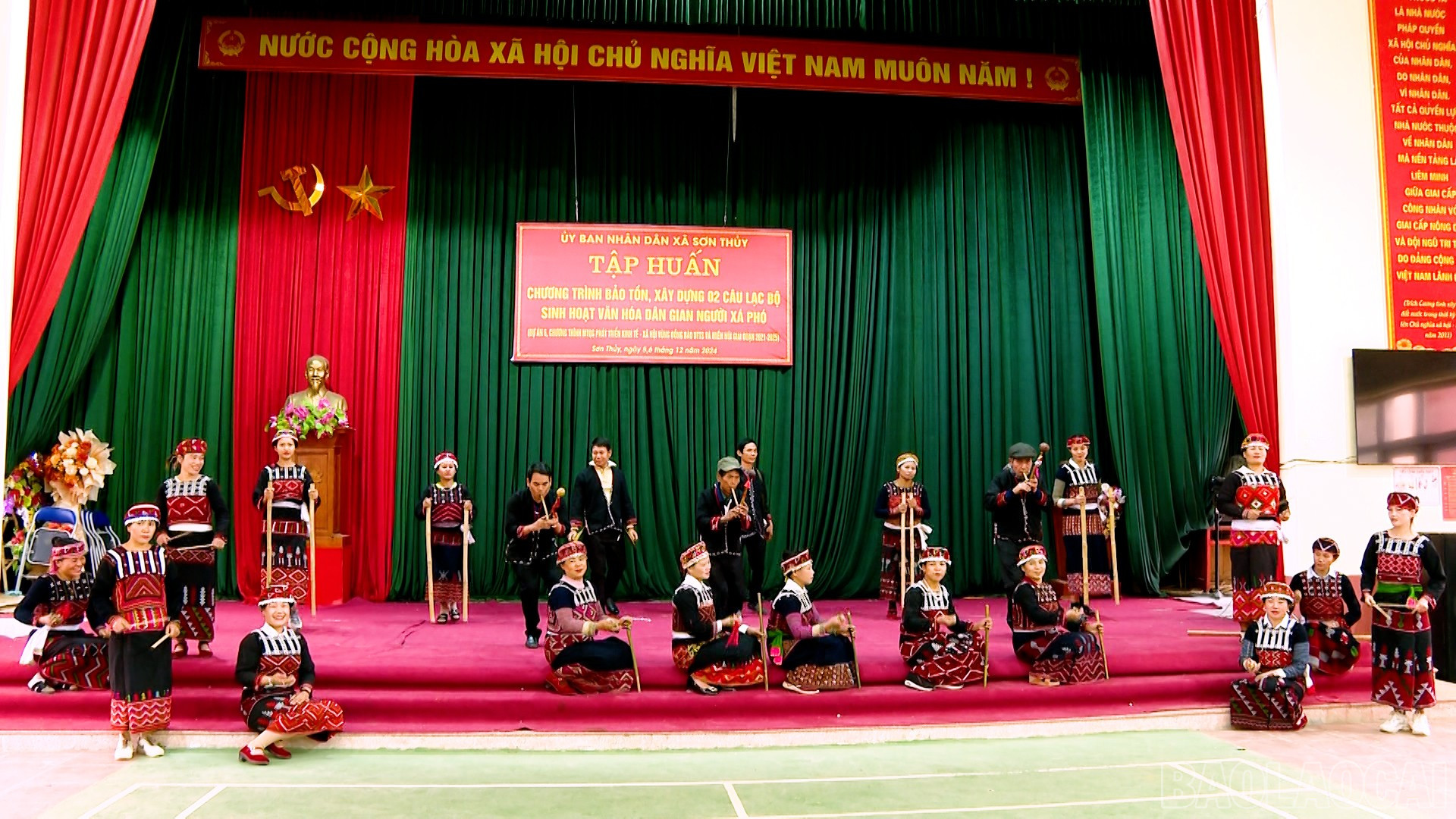
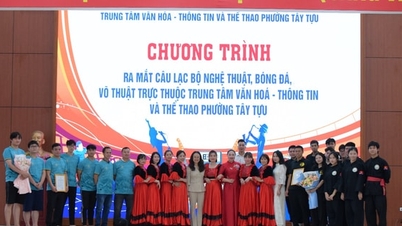
In many communes, folk art clubs have been established, attracting many adults and young people to participate. This is an important force in learning, performing, and passing on traditional musical instruments.
Previously, Mr. Ly Van Tu, an active member of the Xa Pho Folk Culture Club, only played the trumpet during village festivals and holidays. But since joining the folk arts club, the trumpet has been played more often at social gatherings and activities in the commune.
Mr. Ly Van Tu, from Van Ban commune, said: "Every time I participate, I feel very happy to perform with the villagers and have the opportunity to introduce the traditional horn music of my ethnic group to more people; contributing to preserving traditional culture and passing it on to the younger generation so that it does not fade away."
Efforts to preserve unique cultural values
In recent years, local authorities and various levels of government have implemented many practical activities to preserve and promote the cultural values of Xa Pho. Clubs and classes dedicated to teaching the art of Xa Pho have been effectively maintained; many cultural venues have been established, helping to keep the sound of the Xa Pho flute more prevalent in community life.
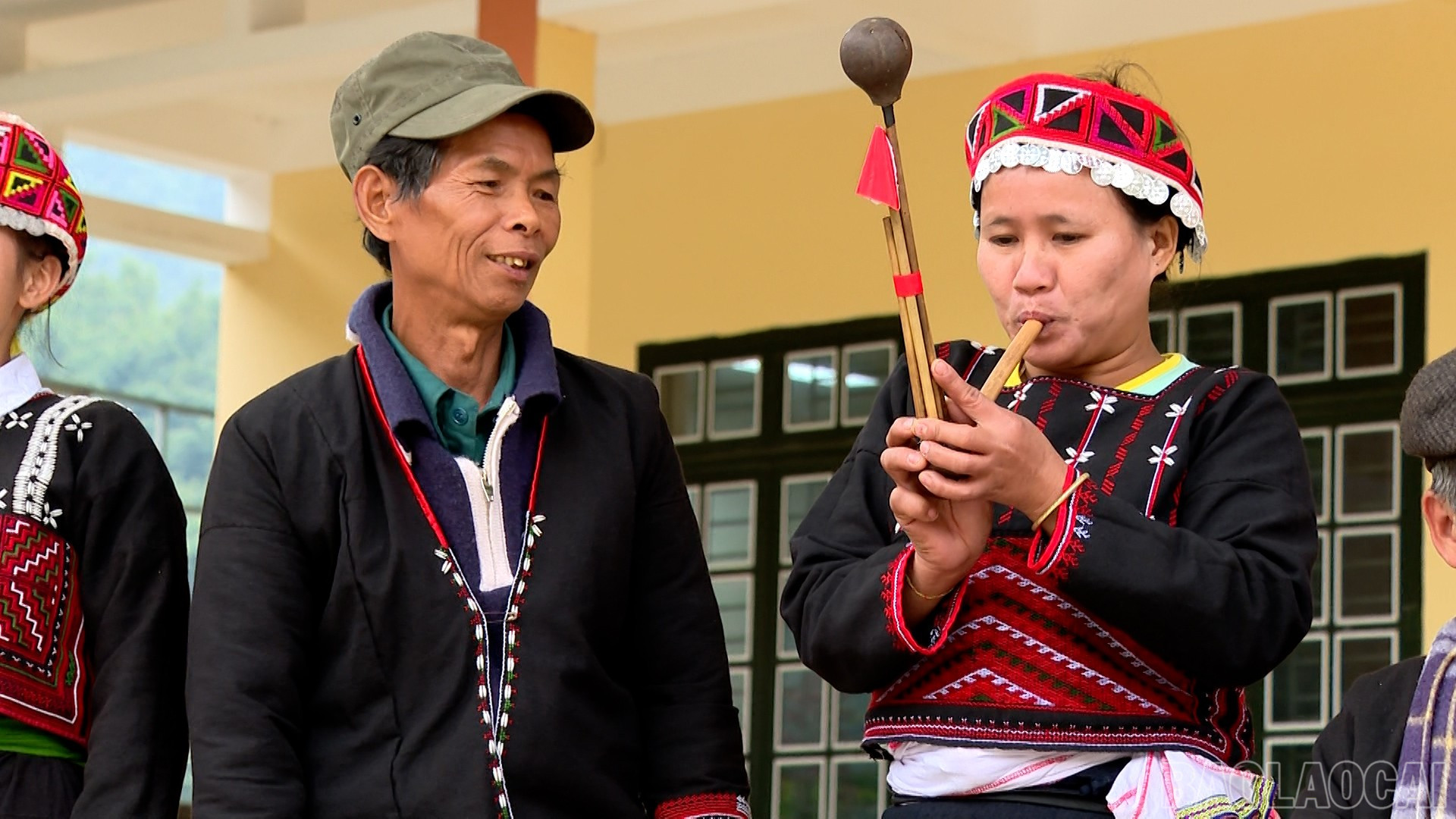
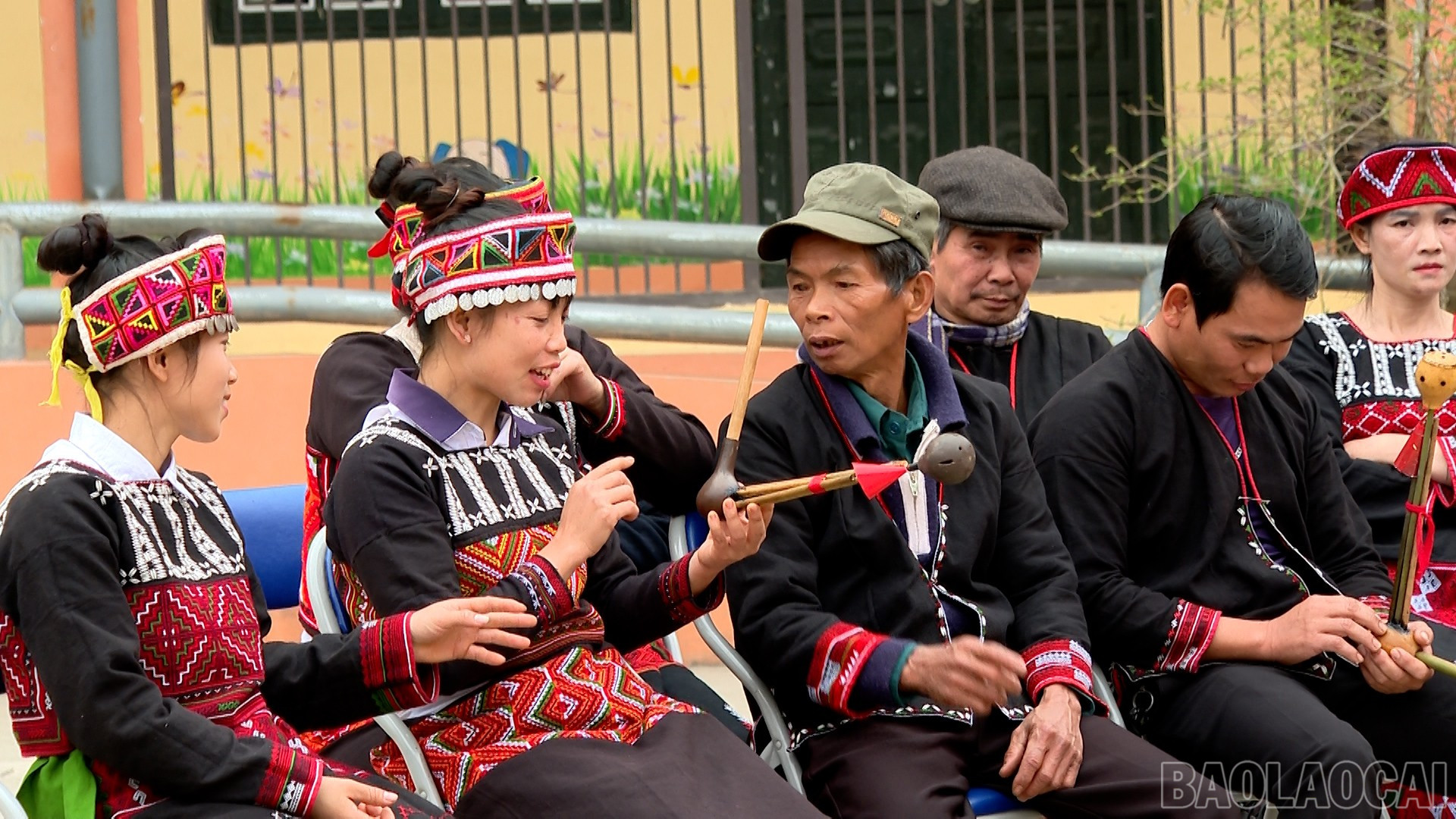
Dr. Duong Tuan Nghia, Deputy Director of the Department of Culture, Sports and Tourism of Lao Cai province, emphasized: "The 'kèn ma nhí' (small horn) is a unique musical instrument of the Xa Pho people. However, the number of people who know how to make and perform it is decreasing. Therefore, we have determined that more comprehensive solutions are needed: supporting the establishment of clubs, creating cultural playgrounds, and introducing traditional musical instruments into schools. Teaching these instruments will not only help preserve them but also spread traditional crafts, folk songs, and folk dances, creating a unique ethnic cultural identity."
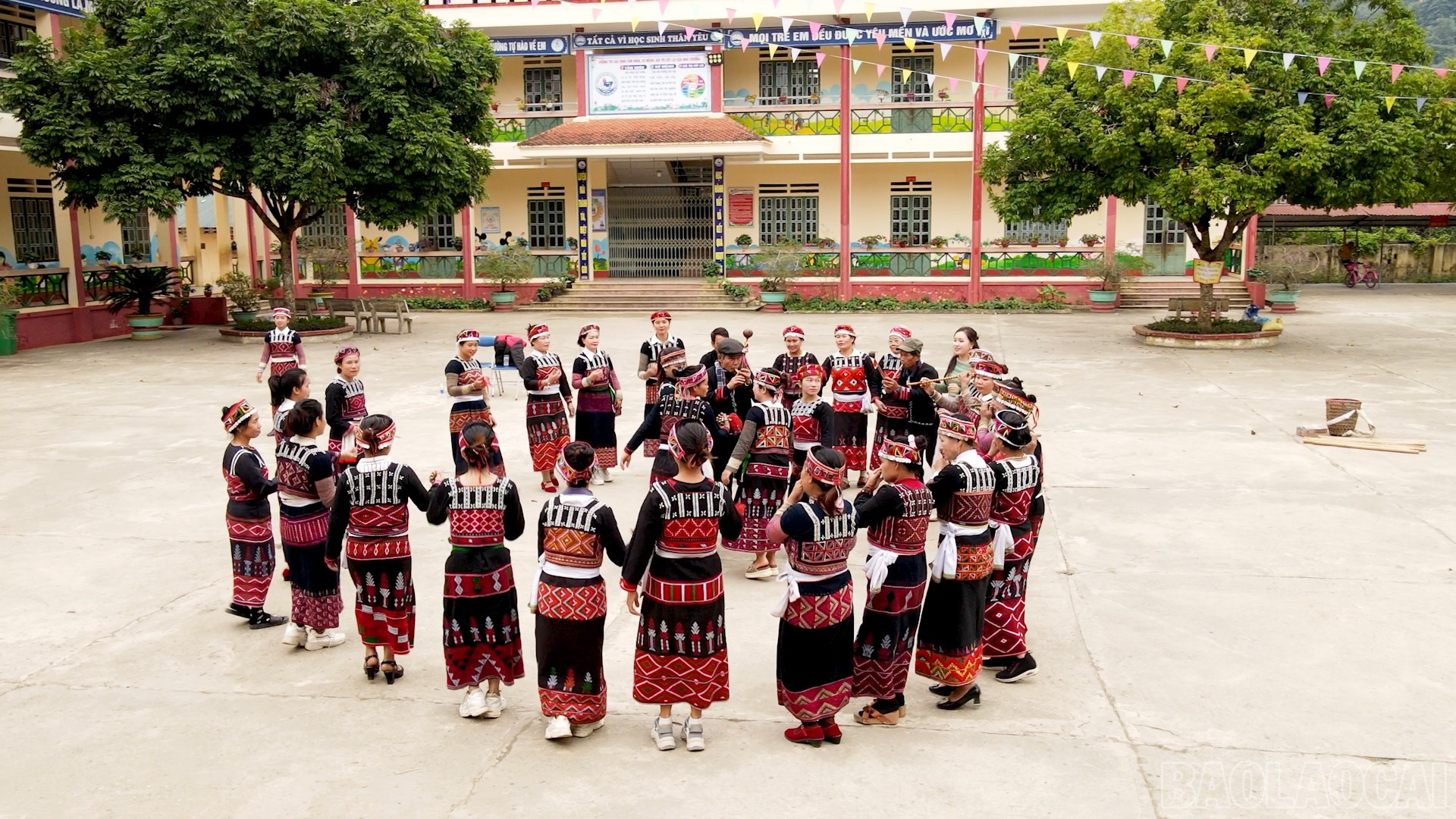
Preserving and promoting the "ma nhi" horn is also about safeguarding a precious part of Lao Cai's heritage, keeping the Xa Pho ethnic identity vibrant and enduring alongside the spirit of the mountains and forests.
Source: https://baolaocai.vn/vang-mai-tieng-ken-ma-nhi-post888320.html


![[Photo] National Assembly Chairman Tran Thanh Man successfully concludes his participation in IPU-152](https://vphoto.vietnam.vn/thumb/1200x675/vietnam/resource/IMAGE/2026/04/18/1776502638199_vna-potal-chu-tich-quoc-hoi-ket-thuc-tot-dep-chuong-trinh-tham-du-ipu-152-8709975-jpg.webp)





















































Comment (0)