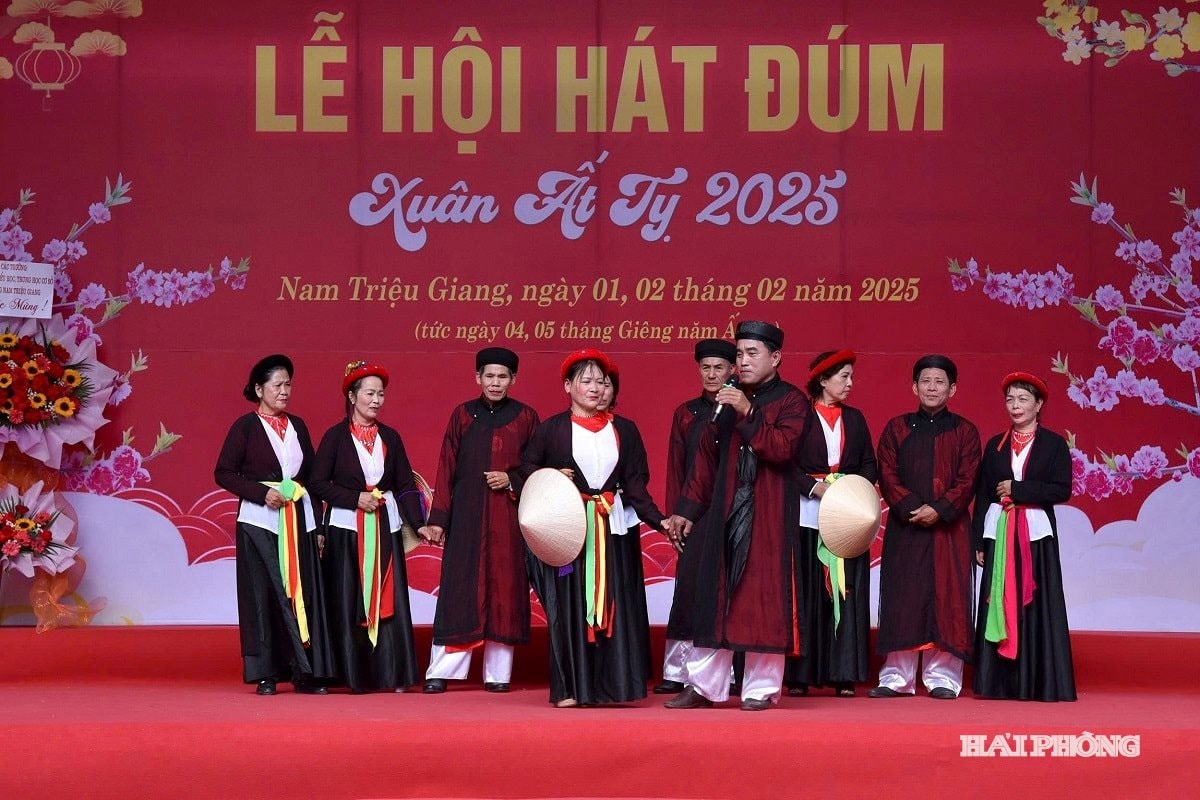
Amidst the hustle and bustle of modern life, the Đúm singing tradition still holds a special place in community life, becoming a lasting cultural source of the national intangible cultural heritage of this region.
People flocked to listen to the traditional folk songs.
“It is fate that brings us together…” – this familiar opening line has resonated for generations during the Spring Festival of the Dum folk singing tradition in Nam Trieu ward. As crowds flock together, the village festival atmosphere warms with songs, laughter, and the eager anticipation of new beginnings.
The former Phuc district (comprising the communes of the old Thuy Nguyen district: Phuc Le, Pha Le, and Lap Le) is considered the cradle of the Dum singing tradition of the coastal inhabitants of Northern Vietnam. From the second day of the Lunar New Year, each of the Lap Le, Pha Le, and Phuc Le areas holds its own Dum singing festival, and then on the fourth and fifth days of the Lunar New Year, everyone converges on the Dum singing festival of the entire Phuc district. It seems that during these days, anyone traveling through the Phuc district is immersed in the heritage of Dum singing.
At the village festival, on the stage, groups of men and women will sing call-and-response songs with great charm. One person invites, the other responds, the lyrics carried on the spring breeze, simple yet refined, witty yet deeply affectionate. Many people who live far from home return for Tet (Lunar New Year) just to stand amidst the folk singing, listening to the songs and feeling a strange sense of peace.

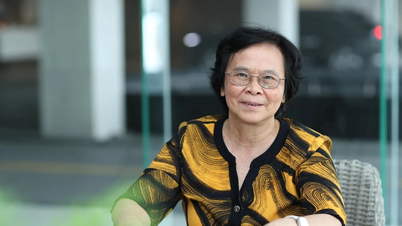
Ms. Dinh Thi Lien from Nam Trieu ward recounted that since childhood, she had been captivated by the simple yet heartfelt call-and-response singing of the folk songs, accompanying her mother to the festival. For her, the Lunar New Year in her hometown would be incomplete without hearing the folk songs at the beginning of spring. Mr. Dinh Chinh Chanh, a folk artist also from Nam Trieu ward, added: “Coming to the festival isn't just about watching the singing. It's an opportunity for people to meet, greet, and strengthen community bonds. Folk singing is the soul and root of the Phuc district.”
In the vibrant atmosphere of Spring, the distinguished artisan Dinh Nhu Hang, Chairman of the Lap Le Traditional Dum Singing Club, and other Dum singing clubs in the Pha Le, Phuc Le, and Tam Hung areas of the ward, as well as neighboring localities such as Hoa Binh and Bach Dang, are busy performing at village festivals to serve the people of the Phuc district. Beyond village festivals, in recent years, the art of Dum singing has resonated even further, winning gold medals at national folk song festivals and international cultural exchanges, bringing great pride to those who preserve this national intangible cultural heritage.
Notably, after the merger and the formation of a two-tiered local government, the former Phuc commune was consolidated into one Nam Trieu ward, giving local people even more opportunities to preserve and promote the art of Dum singing. According to Nguyen Hong Khoa, Head of the Culture and Social Affairs Department of Nam Trieu ward, this year's festival is even more vibrant, strongly spreading the unique identity of the locality. The government and the people are working together to preserve and promote the value of Dum singing, so that this heritage continues to live on in today's life.
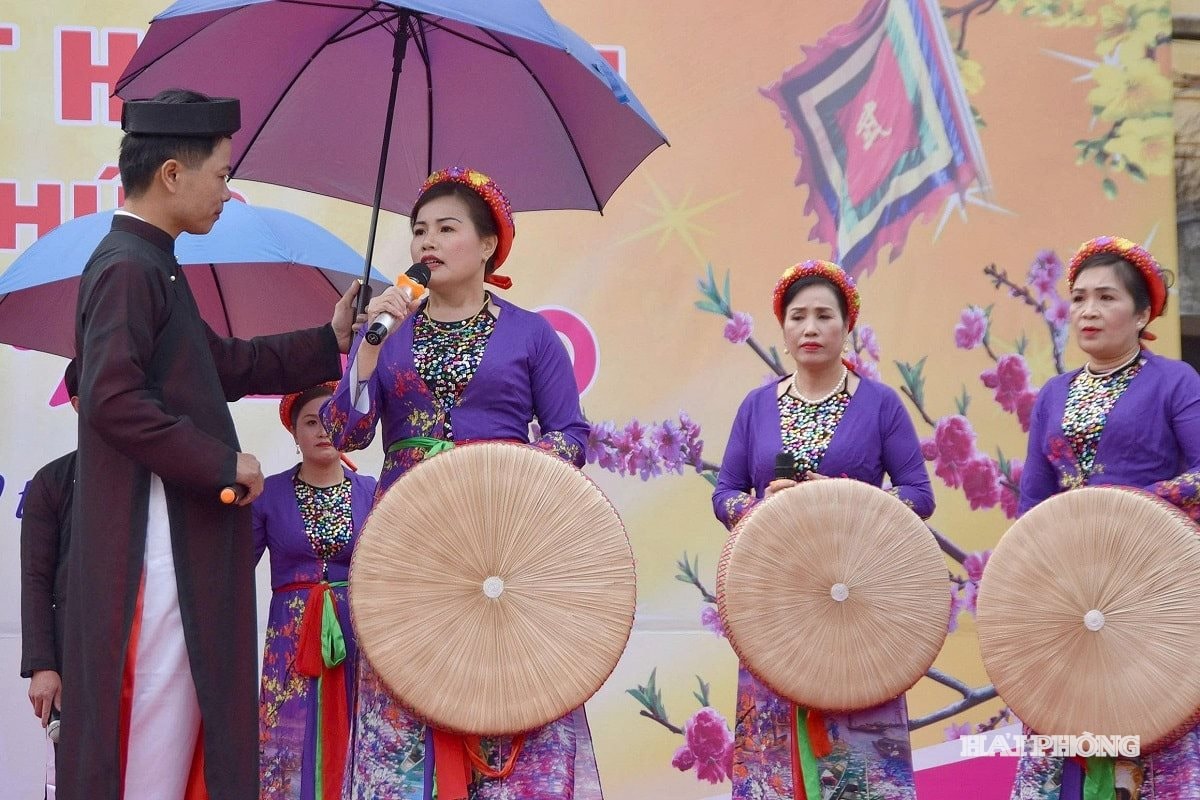
The unique artistic characteristics of the Phuc district
According to the elders in Phuc commune, the Dum singing tradition dates back over 500 years and originated from the arduous working lives of the people, whether on fishing boats, in the fields, or by the canals, to alleviate their hardships. Therefore, Dum singing is not only a folk performance art but also the breath of labor and the spiritual life of the people in the Nam Trieu coastal region.
According to the distinguished artist Dinh Nhu Hang, unlike many folk songs with strict rhythms, Dum singing is free in style and melody and does not require music. Singers must know many melodies, improvise flexibly, and gracefully. Dum singing has up to 12 styles: greeting songs, celebratory songs, questioning songs, love songs, riddle songs, lecturing songs… like an intellectual “competition” while still retaining its folk essence. Therefore, Dum singing is quite selective in terms of singers and listeners, because only those who truly love it can conceive of so many different styles, and only those who listen for a long time can truly appreciate the meanings the singer conveys in each lyric. In the past, Dum singing was also associated with the custom of “revealing the face” – a characteristic custom of women in this region who kept their faces covered all year round. Only at the Spring Festival, when Dum singing resounded, were the scarves removed, revealing a pure and poetic space for courtship. Although this custom no longer exists, the charm and sentiment of the Dum singing festival remain intact.


There was a time when war and historical upheavals threatened to wipe out the art of Đúm singing. However, thanks to the dedication of the elders in the Phục district, such as Mr. Đinh Khắc Khoai, Ms. Đinh Thị Liêm, Ms. Đinh Thị Vơi, Mr. Đinh Khắc Lục, Mr. Đinh Xuân Vịnh, and now folk artists like Ms. Vũ Thị Đào, Mr. Đinh Chính Chanh, and the distinguished artist Đinh Như Hăng, who tirelessly teach and revive this cultural heritage, the traditional Đúm singing has been strongly revived over the past 10 years. In 2019, it was recognized as a national intangible cultural heritage, further affirming the unique value of this folk song genre from the coastal, river, and delta region of the Phục district.
Just one visit to Nam Trieu in early spring, standing amidst the traditional folk songs and listening to the melodies, will make many understand why generations still cherish, remember, and seek out this place. Because those songs are the echoes of the soul of the ancient Phuc district, reflecting the love for the land and its people.
BUI HUONGSource: https://baohaiphong.vn/ve-hoi-lang-nghe-hat-dum-dau-xuan-535843.html

![[Image] National conference summarizing one year of operation of the overall organizational model of the political system, the three-tiered government model.](https://vphoto.vietnam.vn/thumb/1200x675/vietnam/resource/IMAGE/2026/07/01/1782882811691_ndo_br_1-jpg.webp)