

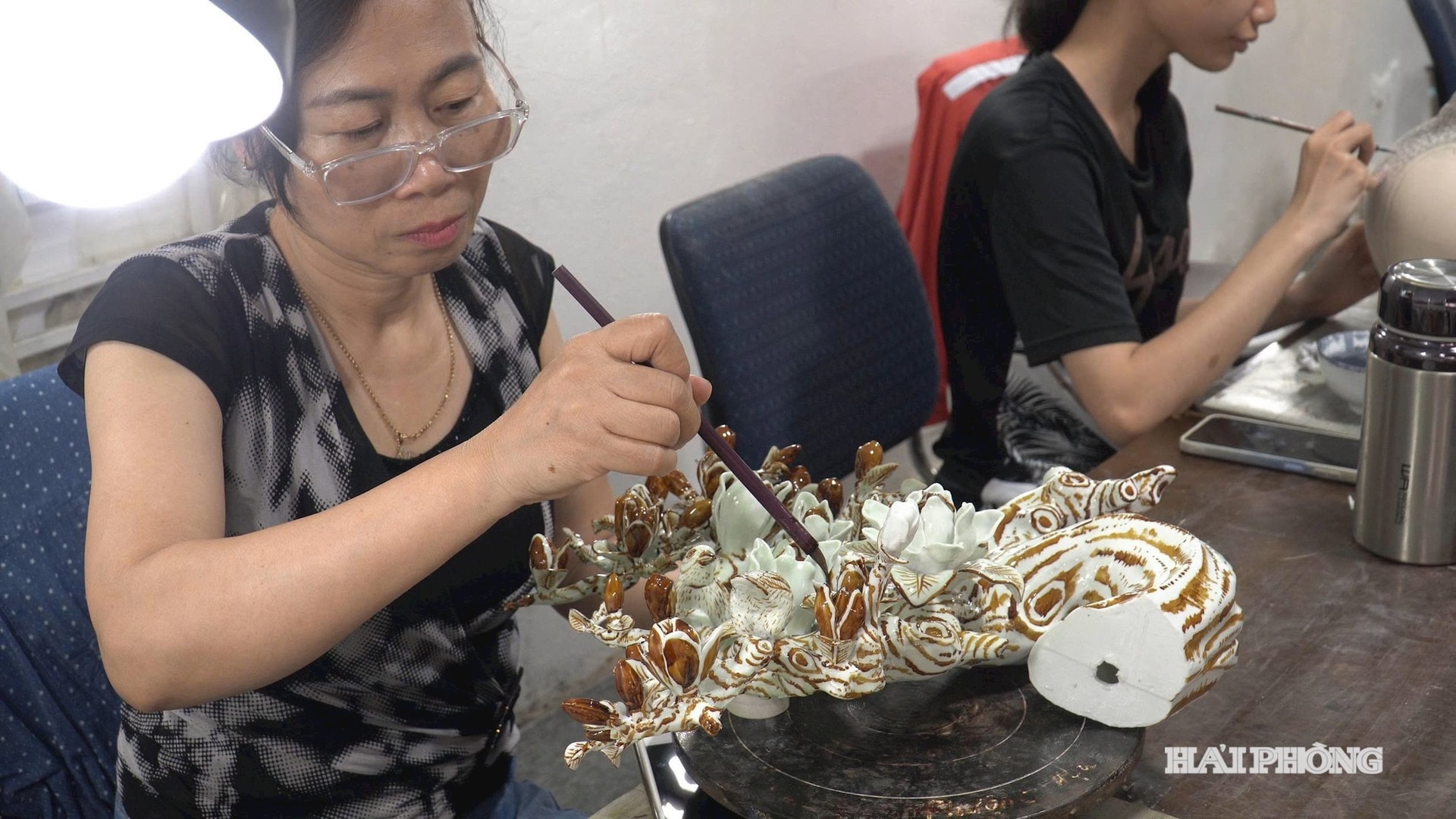
The difficult path from gold and porcelain.
Gold-painted ceramics in Vietnam are a relatively recent phenomenon, with a history of less than half a century. Lacking a foundation from ancient craft villages and existing molds to inherit, HDC Art Ceramics Co., Ltd. chose to begin its research into materials and techniques. The company approached high-end art ceramics from around the world and decided to take a more challenging approach: using pure liquid gold imported from Germany to paint directly onto the ceramic glaze, replacing traditional decorative colors.
According to Mr. Bui Xuan Hoang Linh, Director of HDC Art Ceramics Co., Ltd., this was not an easy choice from the start. Gold only truly stands out, adheres firmly, and retains its color durability when combined with the right type of ceramic and the correct firing process. "We had to experiment for a long time to find the compatibility between clay, glaze, and gold," Mr. Linh said.
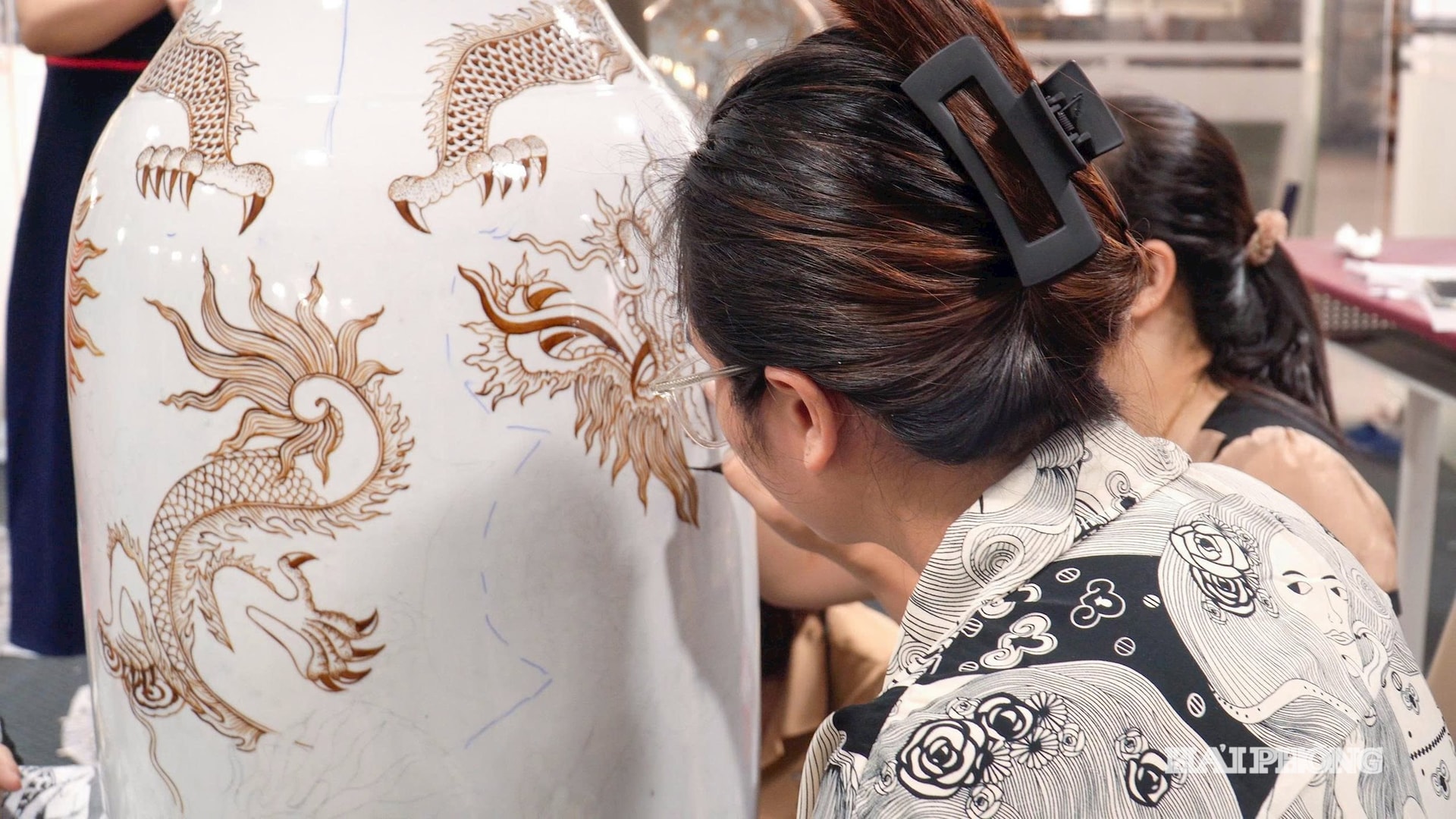
The research process of applying gold leaf to porcelain by HDC Art Porcelain Co., Ltd. spanned over 30 years. The company also underwent numerous adjustments to the formula, trials, and corrections. In the early days of experimentation, many products were rejected immediately after firing because the glaze was substandard, the shaping was inaccurate, or the gold leaf didn't stand out. But it was this perseverance that helped the company gradually perfect the technology of applying pure gold leaf to porcelain, laying the foundation for a line of high-end handcrafted products bearing the company's unique mark and emphasizing the value of individuality.
Unlike the common thin gold leaf products on the market, HDC Art Porcelain's gold-painted porcelain uses liquid gold and is hand-painted directly. This makes each product impossible to completely replicate. Even with the same design, the brushstrokes, shading, and rhythm of the gold lines will differ, depending on the emotions and skillful hands of each artisan.
A masterpiece of craftsmanship.
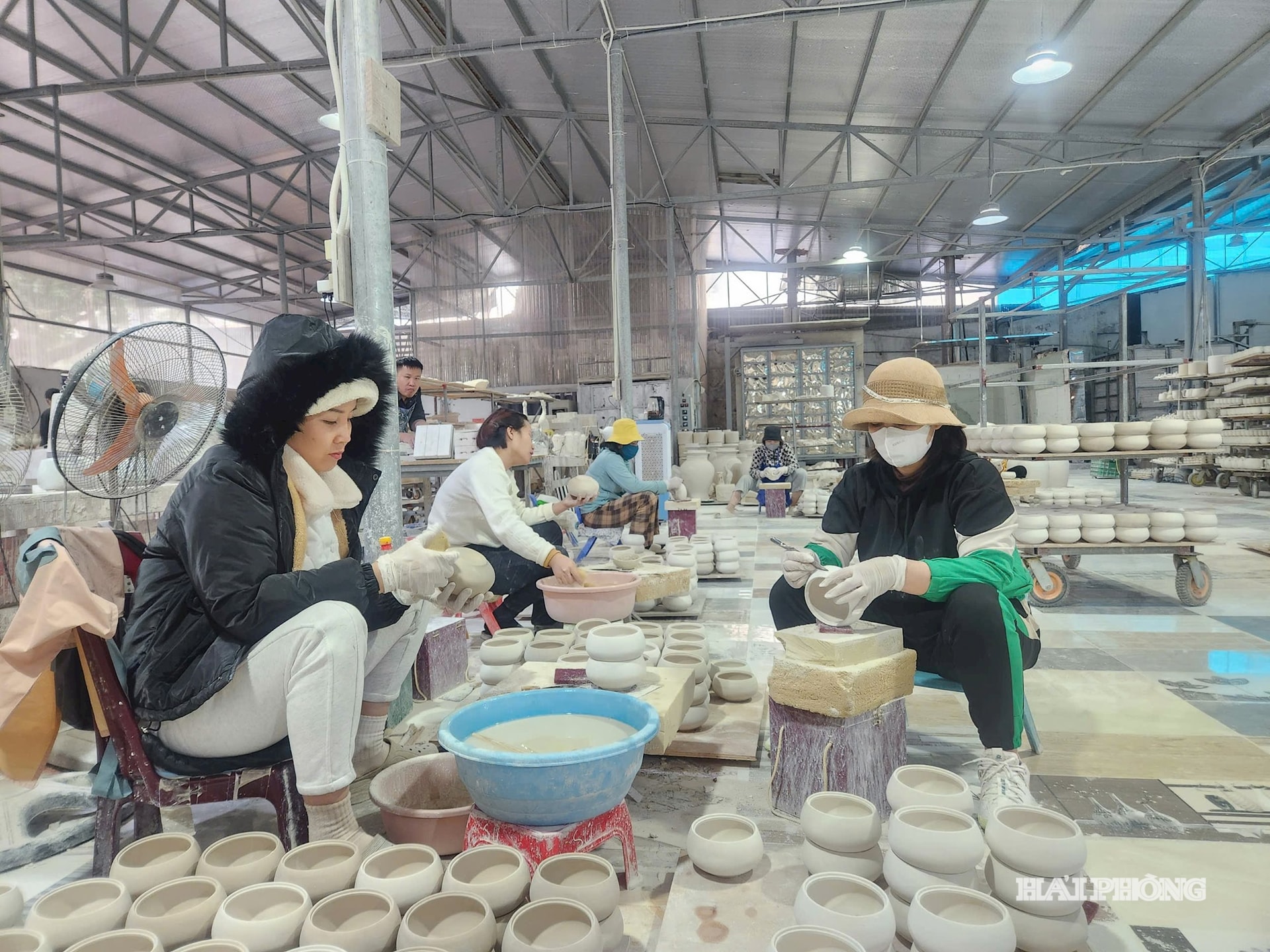
To perfect a gold-painted porcelain product, the craftsman must begin with the shaping process. The clay is hand-shaped, adjusted in form, and left to dry naturally until it is no longer sticky before proceeding with the carving of patterns. The base of the product must be highly refined, as it forms the foundation for all subsequent decoration.
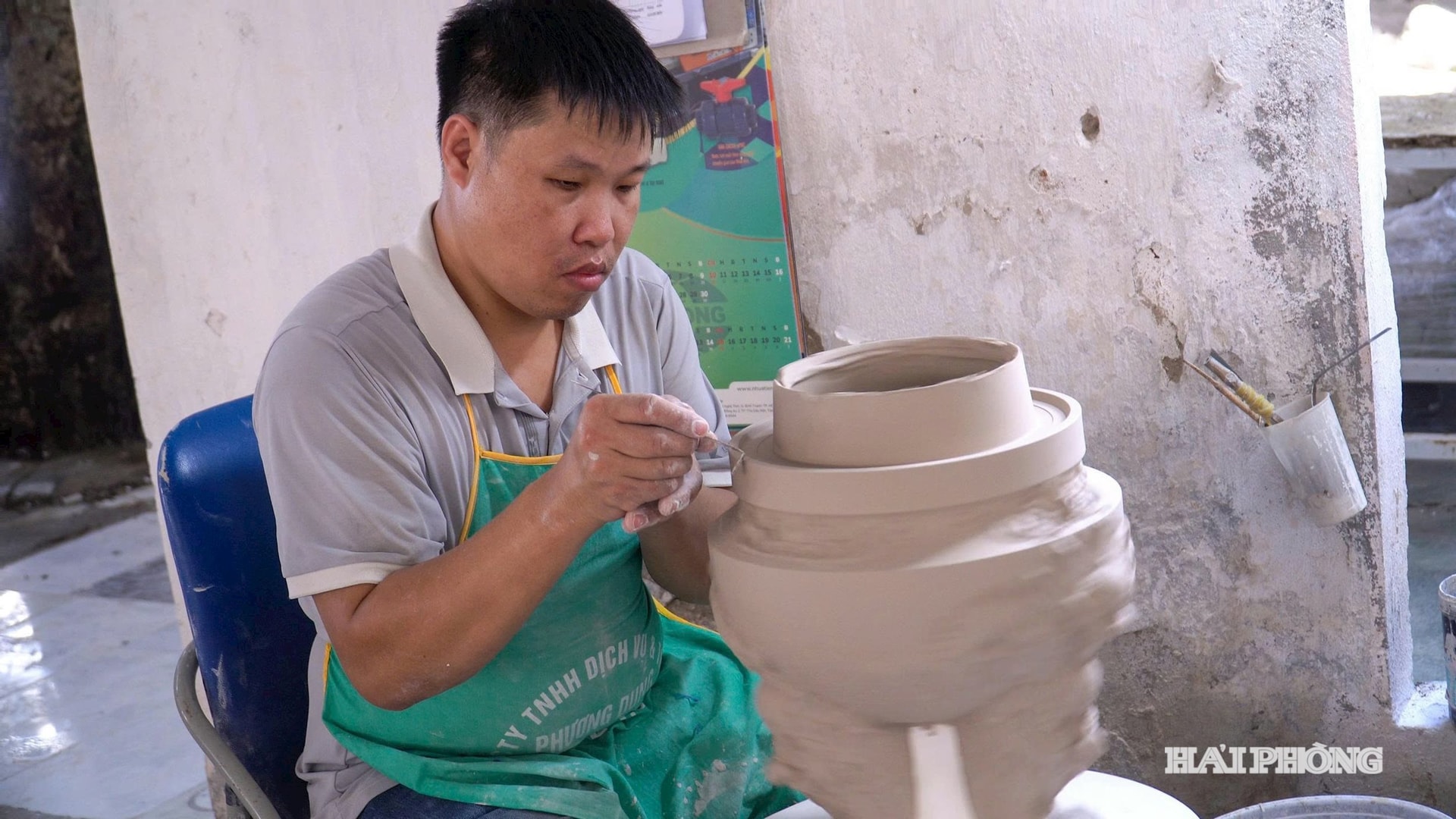
After shaping, the products are glazed and fired. Each product must undergo at least three firings. The first firing, at approximately 800°C, aims to eliminate cracks and defects while the clay is still immature. Products that meet the requirements are refined, glazed, and fired a second time at approximately 1,300°C, creating semi-finished white porcelain.
Only products that are nearly perfect in shape and glaze are kept for gold painting. According to the artisans, even a very small flaw will cause the product to be rejected, because gold does not cover the defect but rather makes the flaw more apparent.
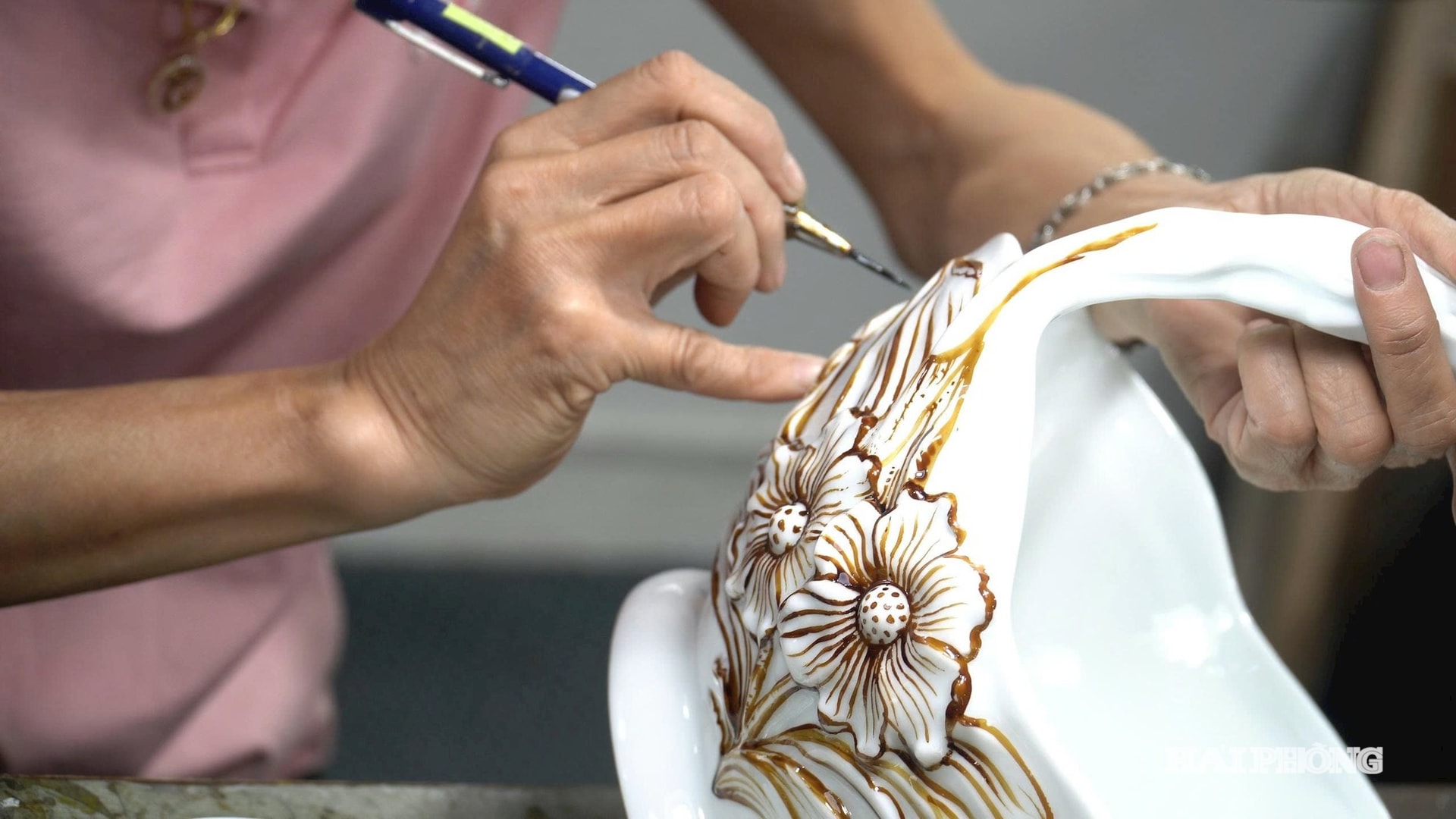
Unlike conventional gold leafing, gold-painted porcelain is entirely handcrafted. Artisans use special brushes, and each stroke must be carefully calculated to follow the curves of the product. There is no room for haste when painting gold onto porcelain. Artisan Bui Duc Thang, who has been involved in the gold-painting process for many years, said: “Gold painting is the most stressful step; a mistake means discarding the product. Sometimes we work for a whole week, and even after it's gone into the kiln, we still have to accept it as a rejection, but that's the characteristic of high-end handcrafted goods.”
After painting, the products are then fired in a kiln at temperatures above 800 degrees Celsius to ensure the gold adheres firmly to the porcelain glaze surface, preventing fading over time. The risk of failure is always high. According to Mr. Linh, out of 10 products in a batch, only 3-4 meet the standards. This is the price to pay to maintain the quality and reputation of gold-painted porcelain.
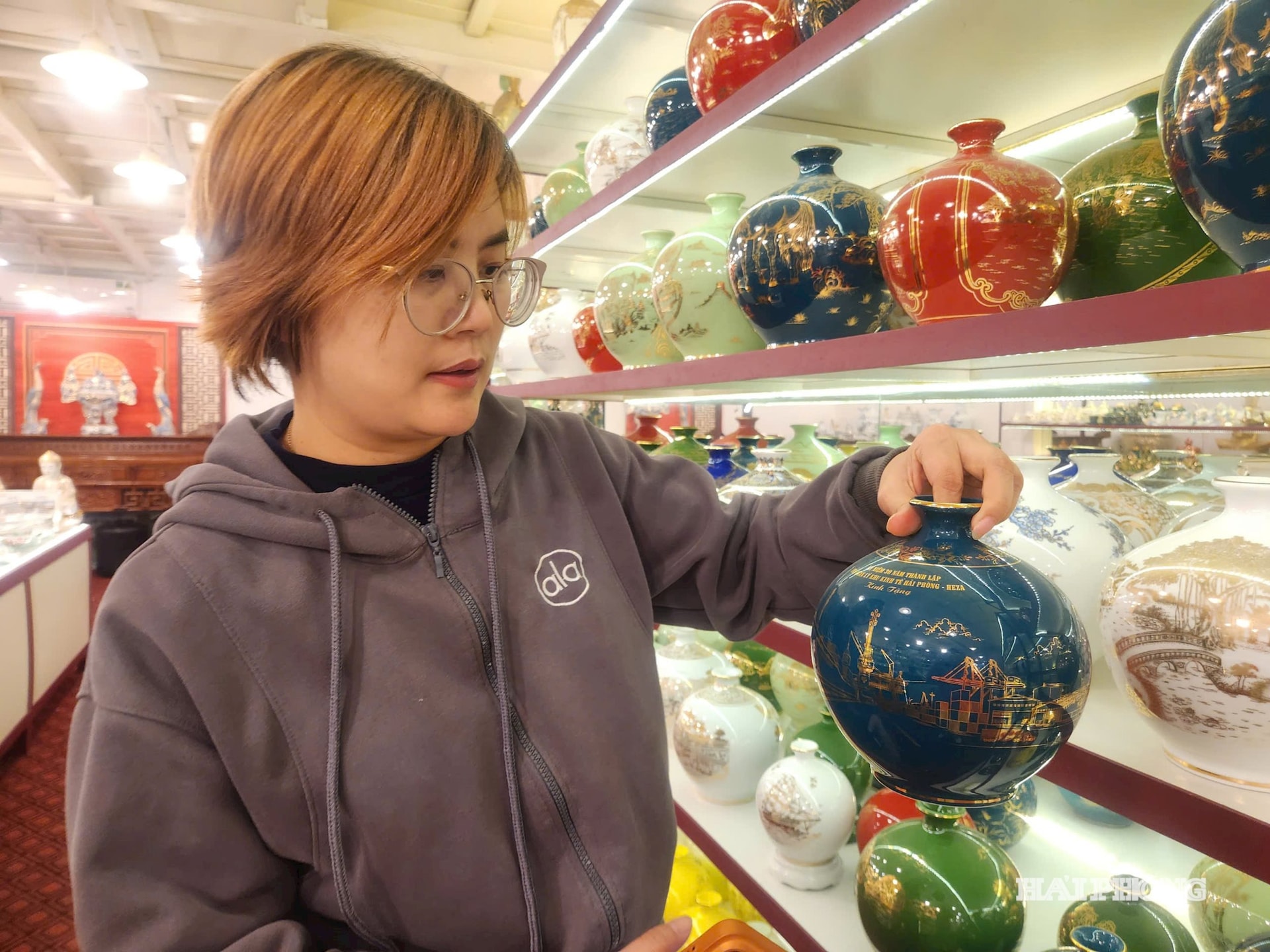
What makes the gold-painted porcelain of HDC Art Porcelain Co., Ltd. special is that the artisans always choose images associated with Hai Phong city. These include the red flamboyant flower, a familiar symbol of the port city; images of the seaport with ships, boats, and cranes; and the City Theater with its ancient architectural style. Recently, many products have also incorporated the Con Son - Kiet Bac historical site, evoking the historical and cultural depth of the region.
According to Mr. Bui Xuan Hoang Linh, incorporating local symbols onto the porcelain is a deliberate choice. "We want each product to not only be beautiful but also tell the story of where it originated. When holding a vase or tea set, people can recognize the spirit of Hai Phong city within it," Mr. Linh said.
.jpg)
Unlike the vibrant colors of traditional decorative ceramics, gold-painted porcelain possesses a warm and understated beauty. The golden sheen against the white glaze creates a sense of luxury without being ostentatious, perfectly suited to the festive atmosphere of Tet (Lunar New Year). Therefore, tea sets and decorative vases are often chosen as gifts during the Tet holiday. In these products, gold is not just a decorative material but also a measure of the patience, craftsmanship, and value of high-end handcrafted products made in Hai Phong.
HAI MINHSource: https://baohaiphong.vn/ve-vang-len-su-533973.html




![[Photo] National Assembly Chairman Tran Thanh Man working with the Standing Committee of the Law and Justice Committee](https://vphoto.vietnam.vn/thumb/1200x675/vietnam/resource/IMAGE/2026/05/21/1779378929214_ndo_br_1-4610-jpg.webp)
![[Photo] General Secretary and President To Lam presides over a working session with the Central Policy and Strategy Committee on the development of the materials industry.](https://vphoto.vietnam.vn/thumb/1200x675/vietnam/resource/IMAGE/2026/05/21/1779359935432_a3-bnd-3129-1412-jpg.webp)









































































Comment (0)