


"Unmasking the Deceptive Appeal - Taking Action to Combat Nicotine and Tobacco Addiction" is the theme of the World Health Organization's 2026 World No Tobacco Day (May 31), aiming to raise awareness about the negative health impacts, the methods used to attract a new generation of users, especially children and adolescents, and the tactics employed by tobacco corporations to evade increasingly stringent global controls.
The World Health Organization (WHO) points out that tobacco use is the cause of many dangerous diseases such as cancer, cardiovascular disease, stroke, chronic obstructive pulmonary disease, and many other health problems. Every year, more than 8 million deaths worldwide are related to tobacco, including approximately 1.6 million deaths from diseases related to passive smoking. No nicotine-containing product is safe for health, from cigarettes, pipe tobacco, e-cigarettes, heated tobacco products, lozenges, and nicotine pouches. Nicotine is a highly addictive substance and dangerous to the brain development of adolescents. Exposure to nicotine during this period causes serious short-term and long-term consequences such as cognitive impairment, reduced learning ability, emotional disorders, and mental health problems.
Alarmingly, young people are becoming a deliberate target for tobacco corporations worldwide. Appealing flavors, eye-catching packaging, and misleading marketing are being used to make addictive and harmful products attractive. Many tobacco companies are using the guise of "innovation" to diversify their approach to various user groups. This involves promoting new nicotine products along with marketing and display tactics that make them more visible and more likely to become addictive. The consequence is a vicious cycle that continuously creates new users, threatening to undo the progress countries have made over the years in tobacco control. This hasn't stopped, as tobacco corporations around the world continue to lobby for delays in tobacco control.
A comprehensive study by the global tobacco industry monitoring network STOP reveals that the tobacco industry is targeting teenagers to create a new generation of nicotine addicts. The addictive ecosystem includes: cigarettes, e-cigarettes, heated tobacco products, and nicotine pouches, with tactics being employed such as: candy-making (creating candy-like products); gamification (associating products with teenage games); and using social media and influencers to attract young people.
For World No Tobacco Day 2026, the WHO has chosen the theme “Unmasking the False Appeal – Action to Combat Nicotine and Tobacco Addiction” to raise awareness of the increasingly sophisticated strategies employed by tobacco corporations worldwide to enhance addictive potential while creating a sense of “advanced technology”.
For World No Tobacco Day 2026, the WHO has chosen the theme “Unmasking the Deceptive Appeal – Acting to Combat Nicotine and Tobacco Addiction” to raise awareness of the increasingly sophisticated strategies employed by tobacco corporations worldwide to enhance addictive potential while creating a sense of “advanced technology.” This year’s World No Tobacco Day aims to promote stronger policy actions to protect young people. The WHO calls on governments , partners, and civil society organizations to strengthen governance, bridge policy gaps, and protect future generations from the harms of tobacco products and nicotine.
In Vietnam, a report summarizing 13 years of implementing the Law on Prevention and Control of Tobacco Harm shows a decrease in the rate of conventional cigarette use among adult men; the rate of exposure to passive smoking has also decreased in households, public places, and workplaces. However, these achievements are at risk of being undone by the rapid increase in the use of new tobacco products, mainly e-cigarettes and heated tobacco products, among young people, and the strong trend of younger people becoming addicted to nicotine. Vietnam is one of the 15 countries with the highest rate of adult male smokers in the world and ranks third in the ASEAN region.
According to estimates from the World Health Organization's Global Burden of Disease Study, smoking kills 103,000 people annually in Vietnam. In 2024, the estimated health and economic costs of tobacco use reached VND 108.7 trillion, equivalent to 1.14% of GDP; the estimated environmental pollution costs due to tobacco (deforestation, plastic waste, seawater pollution, etc.) were VND 99 trillion per year (equivalent to 1.04% of GDP). In total, tobacco use consumes more than 2% of GDP, creating a double burden on health and the environment. Furthermore, tobacco use negatively impacts poor households and exacerbates social inequality.
Ms. Phan Thi Hai, Deputy Director of the Tobacco Harm Prevention Fund (Ministry of Health), stated: Based on research into the experiences of countries around the world, domestic practices, and WHO recommendations, some tobacco harm prevention policies that need to be focused on in 2026 are: Implementing a completely smoke-free environment policy in public places; a policy of printing health warnings on tobacco packaging; prohibiting the display of tobacco products at points of sale; and including regulations banning e-cigarettes and heated tobacco products in the amended Law on Tobacco Harm Prevention.
The Ministry of Health is currently revising and submitting to the Government and the National Assembly the Law on Prevention and Control of Tobacco Harm to address current gaps and make the law more relevant to new realities. The Ministry of Health's draft amendment proposes two specific policies: prohibiting the production, trading, storage, transit, transportation, advertising, promotion, sponsorship, harboring, and use of e-cigarettes, heated tobacco products, and other new tobacco products; and prohibiting tobacco wholesalers and retailers from displaying tobacco products in any form. With these proposals, it is hoped that Vietnam will effectively address and reduce the negative consequences of the tobacco business.
Source: https://nhandan.vn/vi-mot-the-he-tre-khong-thuoc-la-post965986.html

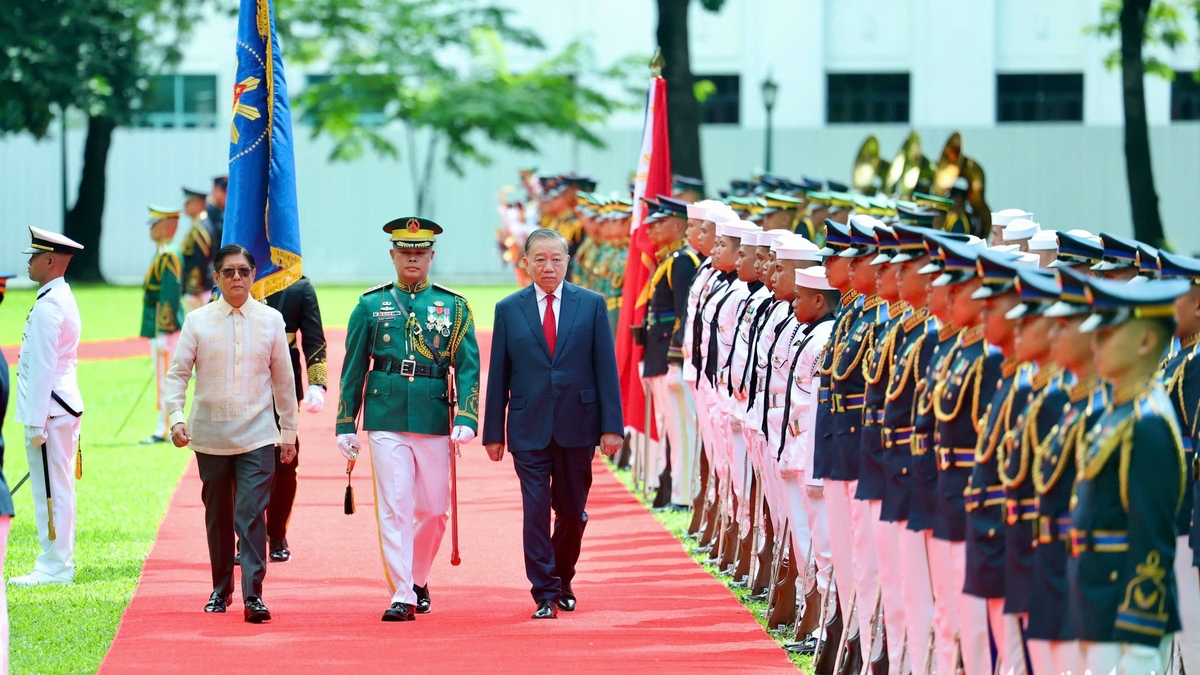
![[Photo] General Secretary and President To Lam and the President of the Philippines hold talks.](https://vphoto.vietnam.vn/thumb/1200x675/vietnam/resource/IMAGE/2026/06/01/1780283481955_vna-potal-tong-bi-thu-chu-tich-nuoc-to-lam-va-tong-thong-philippines-hoi-dam-8797519-1429-jpg.webp)















![[Photo] General Secretary and President To Lam and the President of the Philippines hold talks.](https://vphoto.vietnam.vn/thumb/402x226/vietnam/resource/IMAGE/2026/06/01/1780283481955_vna-potal-tong-bi-thu-chu-tich-nuoc-to-lam-va-tong-thong-philippines-hoi-dam-8797519-1429-jpg.webp)





























































Comment (0)