In the past, curved screens were considered a hallmark of high-end Android smartphones , with leading brands like Samsung, Huawei, LG, and OnePlus opting for this design to differentiate themselves. Notable models such as the Galaxy S23 Ultra (2023), Huawei Mate 50 Pro (2022), and OnePlus 12 (2023) once attracted significant attention. However, finding an Android smartphone with a curved screen is becoming increasingly difficult.

Samsung once drew attention for its skillful use of the curved edges of its phones.
PHOTO: REUTERS
This shift stems from Samsung's removal of the Edge design on the Galaxy S24 Ultra, while OnePlus also decided not to use a curved screen on the OnePlus 13 in late 2024. This has led many to question the reasons behind manufacturers abandoning this once-premium design.
The annoying aspects of curved screens
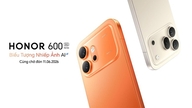

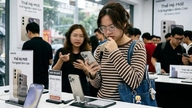
One of the biggest drawbacks of curved screens is their fragility. Compared to flat screens, curved screens are more prone to damage from drops, due to their design which makes them more susceptible to impact. This means the screen can shatter even from a light impact with a hard surface. Furthermore, applying screen protectors is also difficult, as some areas remain exposed and specialized screen protectors often don't fit perfectly. The cost of replacing a cracked curved screen is also significantly higher.
Additionally, curved screens are prone to accidental touches on the edges, as this is the area that frequently comes into contact with the palm and fingers when holding the device. Glare is also a problem, with streaks of light reflecting from the curved edges, especially when used in bright environments.

An iPhone 20 design concept with a screen curved on all four edges.
PHOTO: SCREENSHOT FROM YOUTUBE
The price of curved-screen smartphones
Despite its drawbacks, curved screens were once very popular due to their aesthetic value and user experience. This design makes phones look more elegant and provides a more immersive viewing experience, minimizing distractions from the screen bezels. Some manufacturers, like Samsung, even utilize the screen edges to display useful information, such as time and battery level, through the Edge Panel feature.



Although not as common as before, curved screens still exist in the market. Motorola is a prime example with its Edge product line, where many models like the Motorola Edge 60 Pro and Motorola Edge 70 Fusion still feature curved screens. Recently, Tecno also introduced the Tecno Slim 5G in India with a curved screen design.
Additionally, Apple is rumored to potentially introduce a curved display on its 20th-anniversary iPhone, which could create a new wave for this design in the smartphone industry. If this happens, curved displays could make a comeback and once again capture consumer attention.
Source: https://thanhnien.vn/vi-sao-smartphone-android-dan-tu-bo-man-hinh-cong-185260625111241285.htm




![[Photo] "Hanoi Lotus Festival" honors the lotus flower that has been associated with Vietnam for thousands of years.](https://vphoto.vietnam.vn/thumb/1200x675/vietnam/resource/IMAGE/2026/06/27/1782516943048_sen-ha-noi-2026-minh-duy-1-jpg.webp)