Vietnam is gradually implementing a database system on DNA and iris.
Báo Thanh niên•07/02/2024
Many countries around the world have been implementing national databases on DNA, iris, and voice to manage their populations, combat crime, and locate missing victims. Vietnam is also gradually approaching and implementing such systems.
On the afternoon of February 6th, the Department of Administrative Management of Social Order (C06) of the Ministry of Public Security organized the first national workshop to evaluate scientific and technological solutions in DNA, voice, and iris biometrics for the implementation of the Identity Card Law.
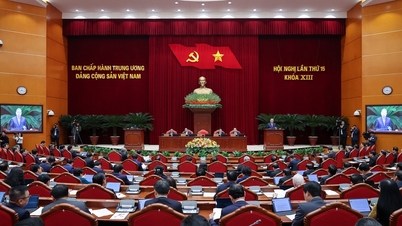
Overview of the seminar. Photo by KIEN PHAM
Speaking at the conference, Lieutenant General Nguyen Duy Ngoc, Deputy Minister of Public Security , said that the Law on Identity Cards has been passed by the National Assembly and will take effect from July 1st; it includes new regulations related to adding biometric information such as DNA, iris, and voice to the identity card database. The implementation of the three systems – the population database; the system for producing and issuing citizen identity cards; and the electronic identification and authentication system – has taken fundamental steps that are correct and relevant to the practical situation both domestically and internationally. "The deployment of technological conveniences for citizens has been carried out synchronously and consistently with applications and authentication using biometrics, chip-based features on identity cards, and electronic identification, successfully reducing and streamlining administrative procedures and making them more user-friendly," Lieutenant General Nguyen Duy Ngoc stated. Citing examples of countries around the world that have implemented national databases on DNA, iris, and voice for population management, crime prevention, and victim tracing, the Ministry of Public Security leader stated that Vietnam is also gradually approaching and implementing such systems, but still faces many difficulties due to legal issues, infrastructure, and technology.





































































































Comment (0)