

The successful implementation of the "clandestine" land allocation system in Doan Xa (now part of Kien Hai commune) served as the basis for the central government to implement the 100-point land allocation system, then the 10-point system, and the 1986 reforms to provide stable and long-term land allocation to farmers. Today, after 40 years of reform, agriculture and rural areas in Hai Phong have undergone significant changes.
Pride in one's homeland is a shining example.
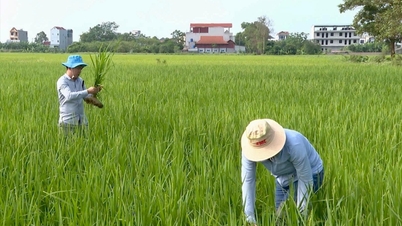
Returning to Doan Xa, the cradle of the contract farming movement (now Kien Hai commune), Mr. Pham Hong Thuong from Loc Xa village, the former chairman of the cooperative, recalled: "In the spring crop of 1977, Doan Xa suffered a crop failure, causing the people to lose morale. As they prepared for the summer crop, many farmers abandoned their fields. Analyzing the reasons for this situation, Mr. Thuong believes that the management model of village-level cooperatives, based on work points, was ineffective at that time. Faced with these difficulties, the commune Party Committee held a meeting, and the Standing Committee of the commune Party Committee decided that in the summer crop of 1977, they had to shift production direction to the contract farming model, initially contracting 50% of the area. While directing the work, the commune was also worried about violating policies and mechanisms, so they didn't dare report to higher authorities. However, that summer crop yielded high results, with rice productivity increasing 1.5 times compared to previous seasons. Many farmers were delighted with the harvest and enthusiastically resumed production." Recognizing the clear effectiveness of the contract system, the commune gradually increased the contract amount in subsequent seasons.
Upon hearing that Doan Xa was implementing a clandestine contract system, the district, city, and even the central government sent numerous delegations of officials to the locality to conduct undercover investigations into the implementation of the Party's mechanisms and policies. However, reality proved that the contracted land was more productive for farmers than before. Based on the positive results of the product-based contract system in Doan Xa, in 1980, the Standing Committee of the City Party Committee issued Resolution No. 24 on consolidating agricultural cooperatives to boost food production, selecting Kien Thuy district as the pilot unit. Resolution 24 was a breakthrough in guiding the exploration of new directions, supporting the innovative thinking and practices of the locality, demonstrating dynamism in grasping new factors, and was met with approval and support from the people. From "underground contracting" to "contracting 24," based on the practical experience in Hai Phong, in 1981 the Party Central Committee issued Directive No. 100 and in 1988 the Politburo issued Resolution No. 10 (commonly abbreviated as Contracting 10) to fundamentally and comprehensively reform agricultural management in our country.
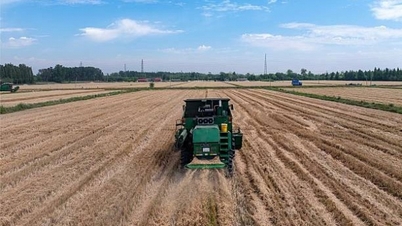
Developing large-scale, high-value commercial agriculture.
.jpg)
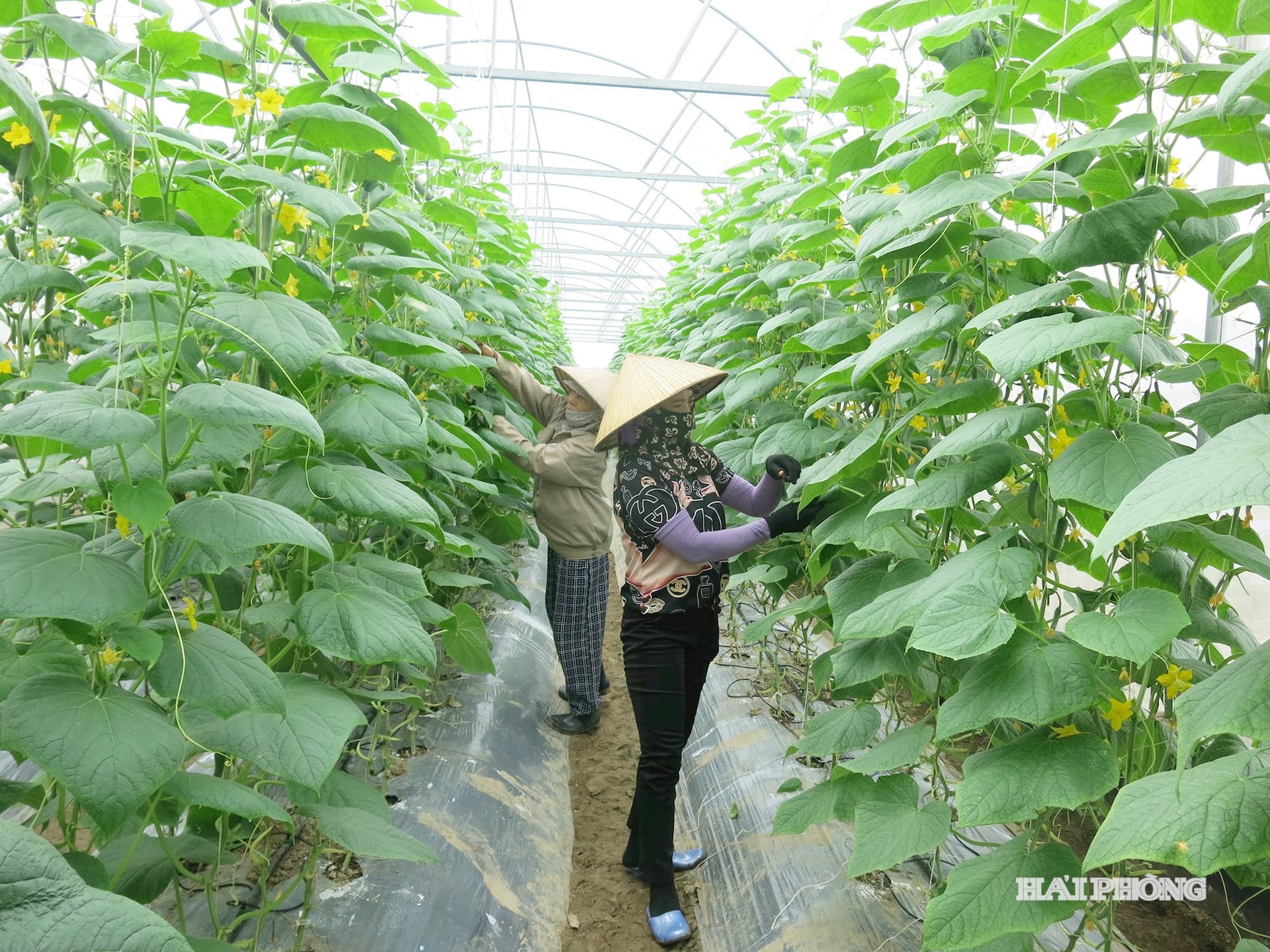
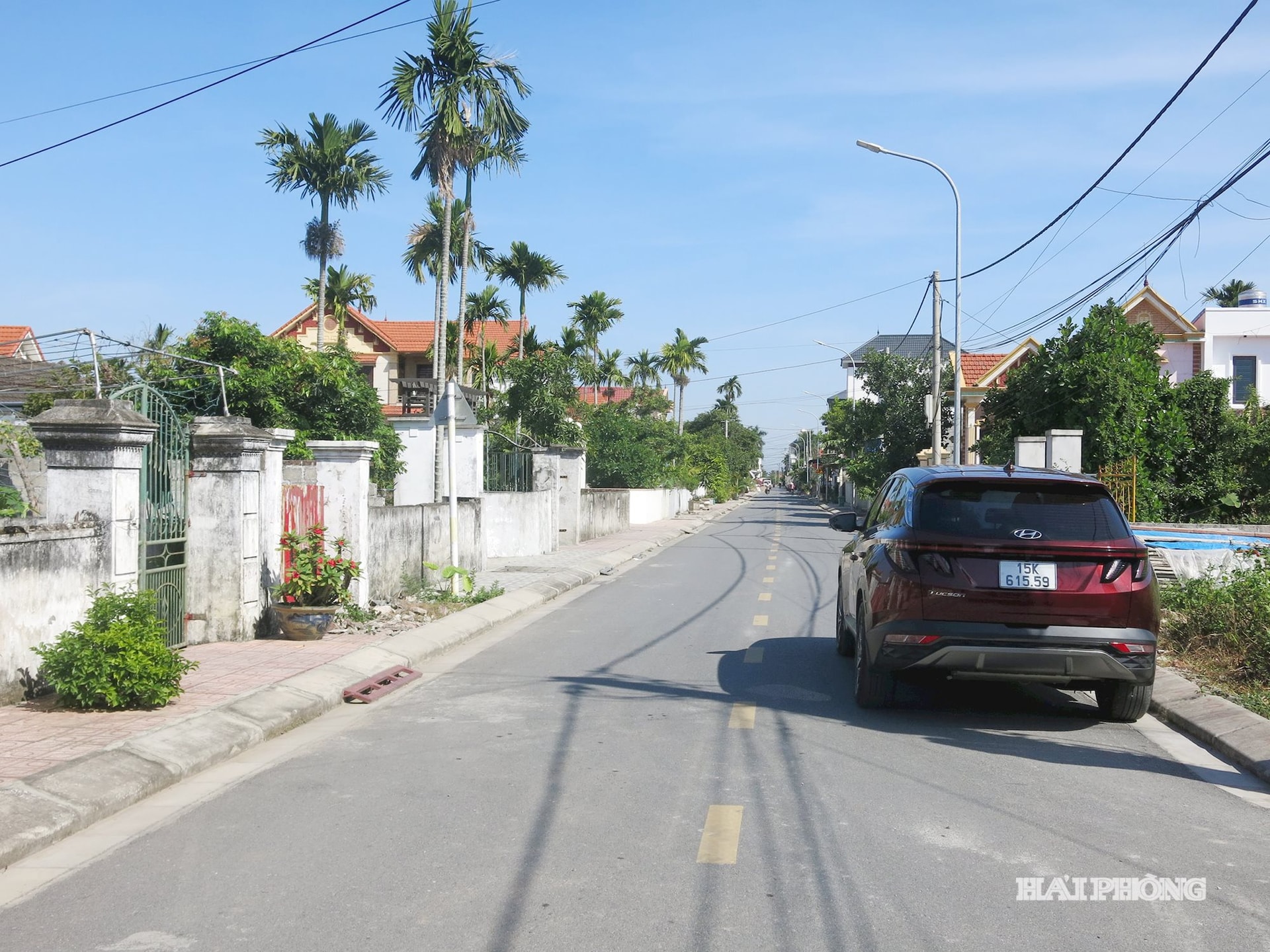
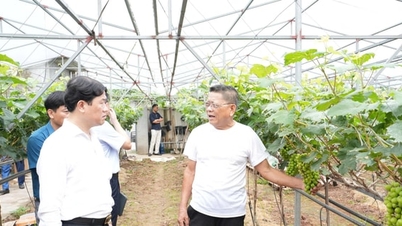
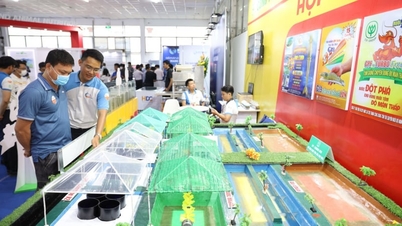
After more than 40 years of reform, returning to its roots under the "Contract 10" system, Doan Xa (formerly Kien Hai commune) has not only expanded its model new rural infrastructure but also undergone significant changes in agricultural practices. After allocating land for urban development projects, Kien Hai currently has 500 hectares of agricultural land. The commune has clearly defined its goal as developing "modern, commercial, large-scale, mechanized, and concentrated agriculture." Ms. Dong Thi Doanh's modern integrated farm in Kien Hai commune is a pioneer in developing high-tech agriculture. Ms. Doanh stated: "With over 2 billion VND, the farm invested in a greenhouse system and hydroponic vegetable growing system, supplying clean vegetables to supermarkets and collective kitchens in the city."
Not only in Kien Hai commune, but the city is seeing an increasing number of farmers boldly thinking big and getting rich from their fields. In the days leading up to Tet (Lunar New Year), the Hoa May Xanh (Blue Cloud Flower) farm of Mr. Do Van Sanh in An Duong ward is bustling with customers ordering various kinds of flowers. From an initial farm with only a few hectares growing gladiolus and sunflowers, the area has now expanded to over 20 hectares…
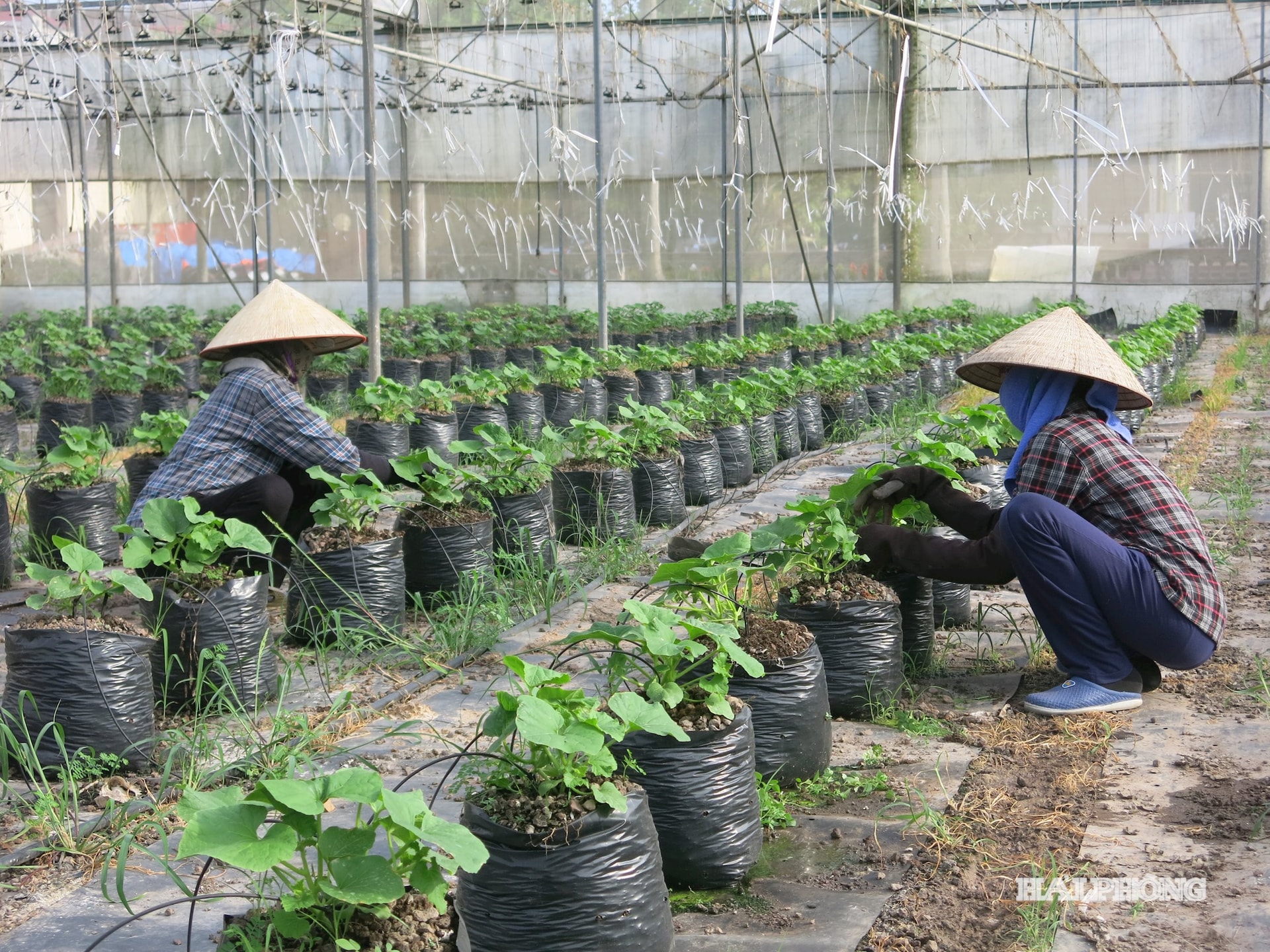
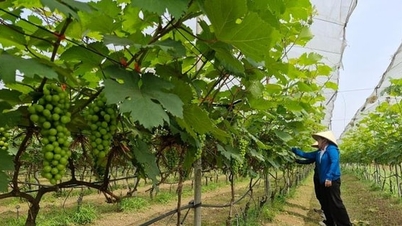
Over the years, Hai Phong's agriculture has leveraged many strengths, transforming from small-scale production to suitable economic forms such as farms, cooperatives, and enterprises. With dynamic and bold approaches, farmers have enhanced high technology, producing in the direction of ecological and smart agriculture to create high-quality products and reputable brands, ensuring green and sustainable growth. For example, in Binh Giang commune, there is currently nearly 1,900 hectares of agricultural land. Comrade Nguyen Dinh Bo, Secretary of the Party Committee and Chairman of the People's Council of the commune, shared that many farmers in the commune produce agricultural products using greenhouse and polytunnel models applying smart irrigation technology and automatic sensors…
For the 2025-2030 term, the City Party Committee aims to achieve comprehensive and sustainable agricultural economic development by 2030, ensuring food security and adapting to climate change. The GRDP growth rate for agriculture, forestry, and fisheries is targeted at 3.00% per year.
Comrade Bui Van Thang, Member of the Standing Committee of the City Party Committee and Director of the Department of Agriculture and Environment, identified science and technology, innovation, and digital transformation as key solutions and main drivers for sustainable agricultural growth in Hai Phong. Therefore, right from the beginning of the term, the Department implemented many tasks and solutions to promote green transformation in agriculture.
HO HUONGSource: https://baohaiphong.vn/viet-tiep-cau-chuyen-doi-moi-nong-nghiep-535949.html


![[Image] Shipbuilders exposed to steel and record-breaking heat.](https://vphoto.vietnam.vn/thumb/1200x675/vietnam/resource/IMAGE/2026/06/04/1780545781745_ndo_br_img-5402-4683-jpg.webp)








































![[Video] Sunset at Lap An Lagoon – Where the sun sets over the fishing nets](https://vphoto.vietnam.vn/thumb/1200x675/vietnam/resource/IMAGE/2026/05/31/1780192137701_beach-landscape-sea-water-nature-grass-745871-pxhere-com.jpeg)




















![[INFOGRAPHICS] Sustainable Business Support Program (2026 – 2030)](https://vphoto.vietnam.vn/thumb/402x226/vietnam/resource/IMAGE/2026/06/04/1780552996067_1780552915.webp)












Comment (0)