

Many potentials for tourism development.
In early December, we arrived at Cua Cai village, formerly Muong Vi commune, now Ban Xeo commune. Never before had the atmosphere been so lively and bustling. Many people from places like Cam Duong ward, Lao Cai ward, Bat Xat commune, etc., flocked here to visit and experience the sweet tangerine orchards.
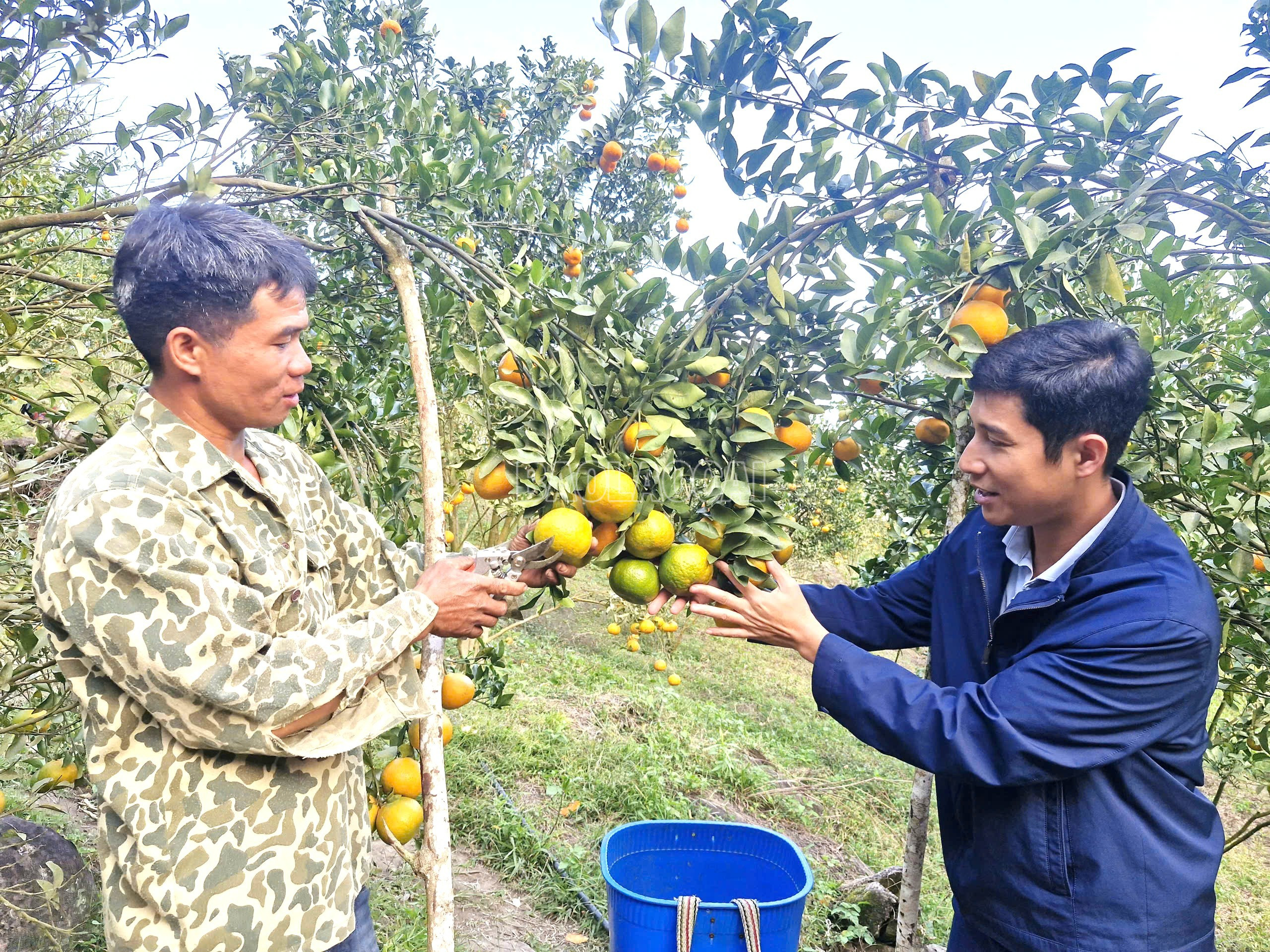
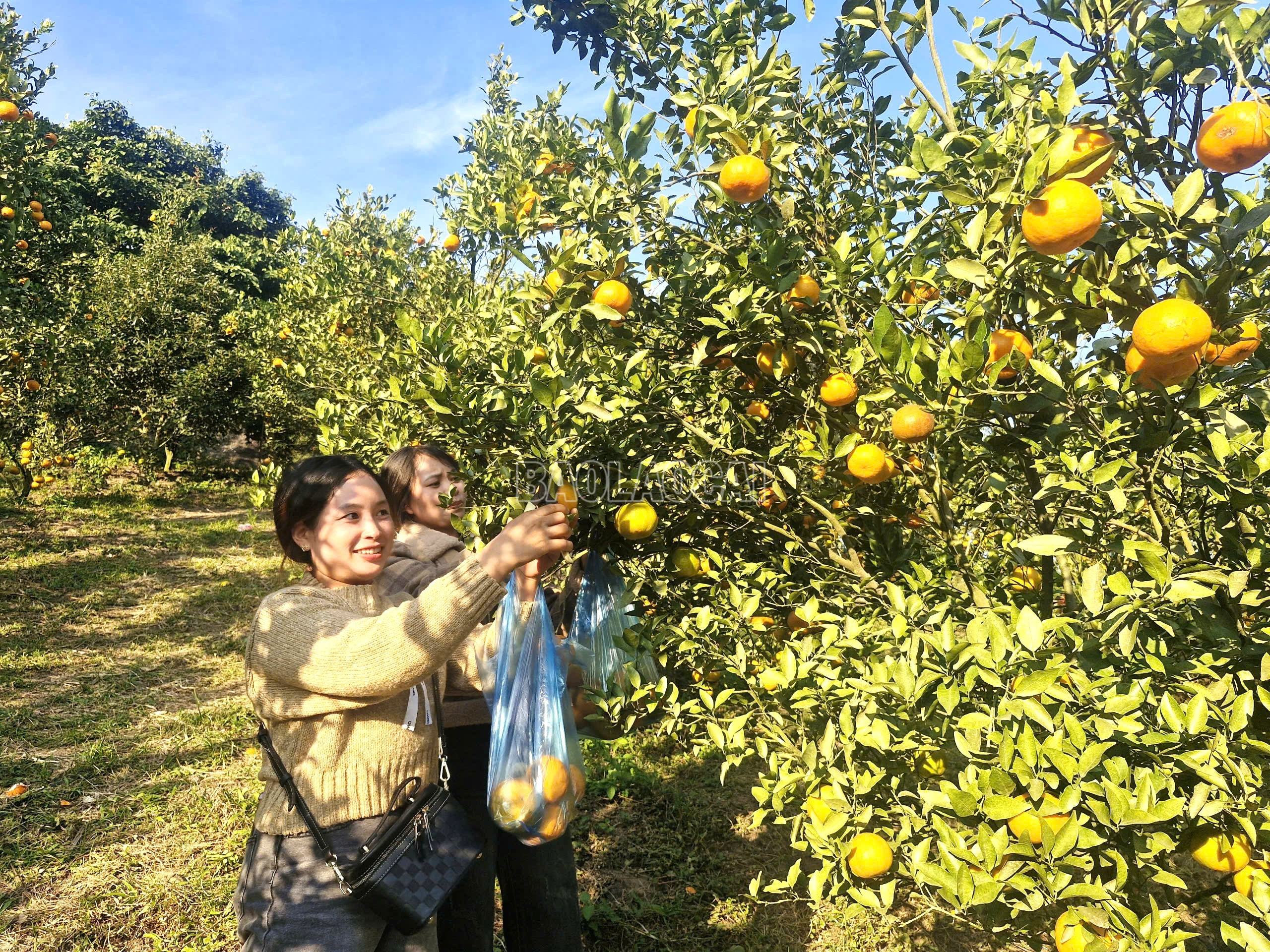
Walking uphill with her family to the orchard laden with ripe tangerines, Ms. Nguyen Phuong Thao from Cam Duong ward shared: "At the end of the year, I often take my children to experience the tangerine orchards in Muong Khuong commune. This year, knowing that the former Muong Vi commune also has beautiful tangerine orchards, I invited some friends to bring their families here to visit. Although the climb to the orchard is quite tiring, once we arrived, we got to admire the beautiful scenery and pick tangerines ourselves and enjoy them right in the orchard. Tangerines grown on the rocky mountains of Muong Vi are more fragrant and sweeter than those grown elsewhere. The orchard owner is very friendly. Therefore, many families bring their children here to visit and experience it."
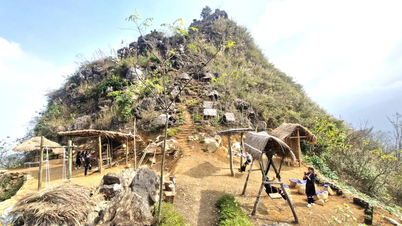
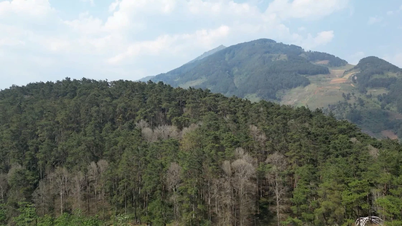
Visiting the former Muong Vi commune, tourists can not only explore sweet tangerine orchards on rocky mountains but also admire the majestic mountain scenery.
For thousands of years, nature has formed high rocky peaks here, within which lie numerous caves. The Muong Vi cave complex boasts many beautiful caves such as Na Rin, Na Rim, and Pac Cam. Na Rin cave, in particular, features many shimmering stalactites in diverse shapes; Pac Cam cave contains traces of prehistoric humans from tens of thousands of years ago. Since 1999, the Muong Vi cave complex has been classified as a National Historical and Cultural Monument.
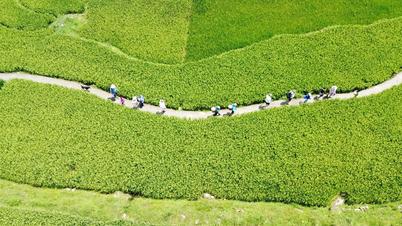
Along with sightseeing and exploring caves, visitors can also enjoy the specialty Séng cù rice grown in the Mường Vi fields, listen to legends about Mường Tiên, and learn about the cultural identity of the Giáy ethnic group.
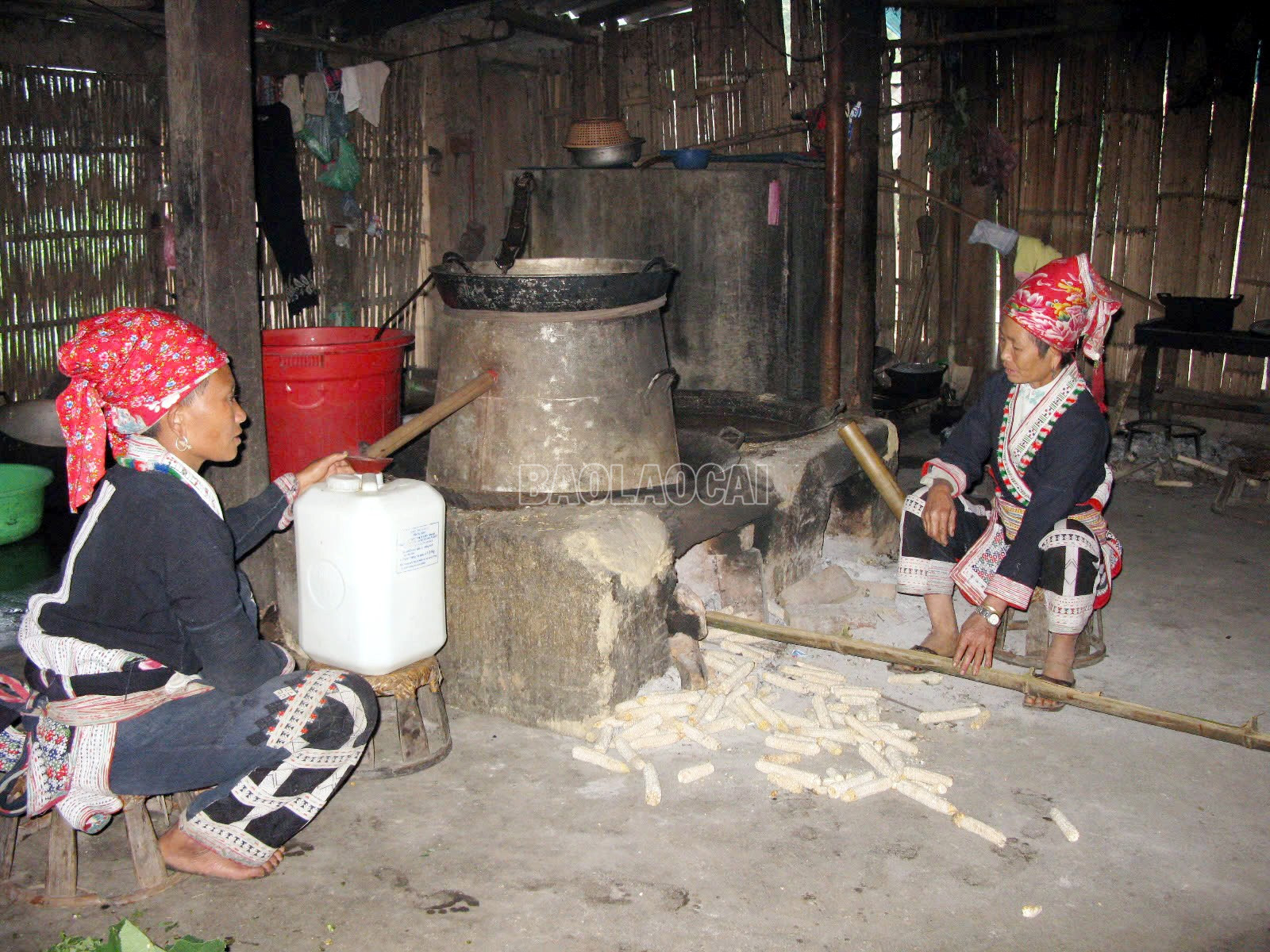
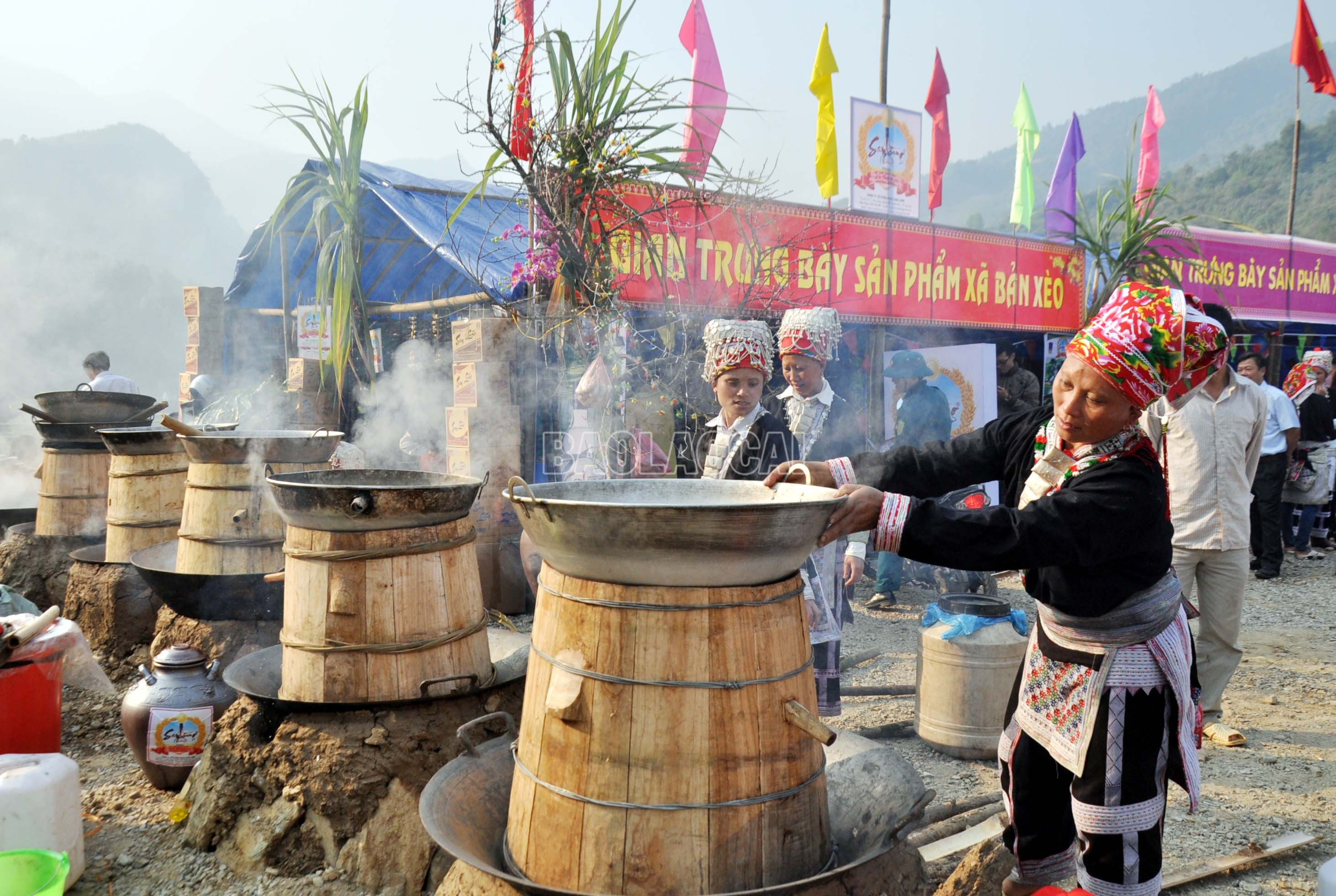
Mr. Lu Van Xuan, Deputy Head of the Economic Department of Ban Xeo commune, said: "Not only in the former Muong Vi commune area, but also in the current Ban Xeo commune, there is great potential for tourism development. In particular, the former Ban Xeo commune has the traditional vermicelli-making craft of the Giay people in Thanh Son village, the traditional handcrafted rice wine-making craft of the Red Dao people in Shan Lung village, and the rattan chair-making craft of the Red Dao people in Can Ty village. For hundreds of years, the ethnic people here have preserved, protected, and passed on the essence of these traditional crafts to future generations."
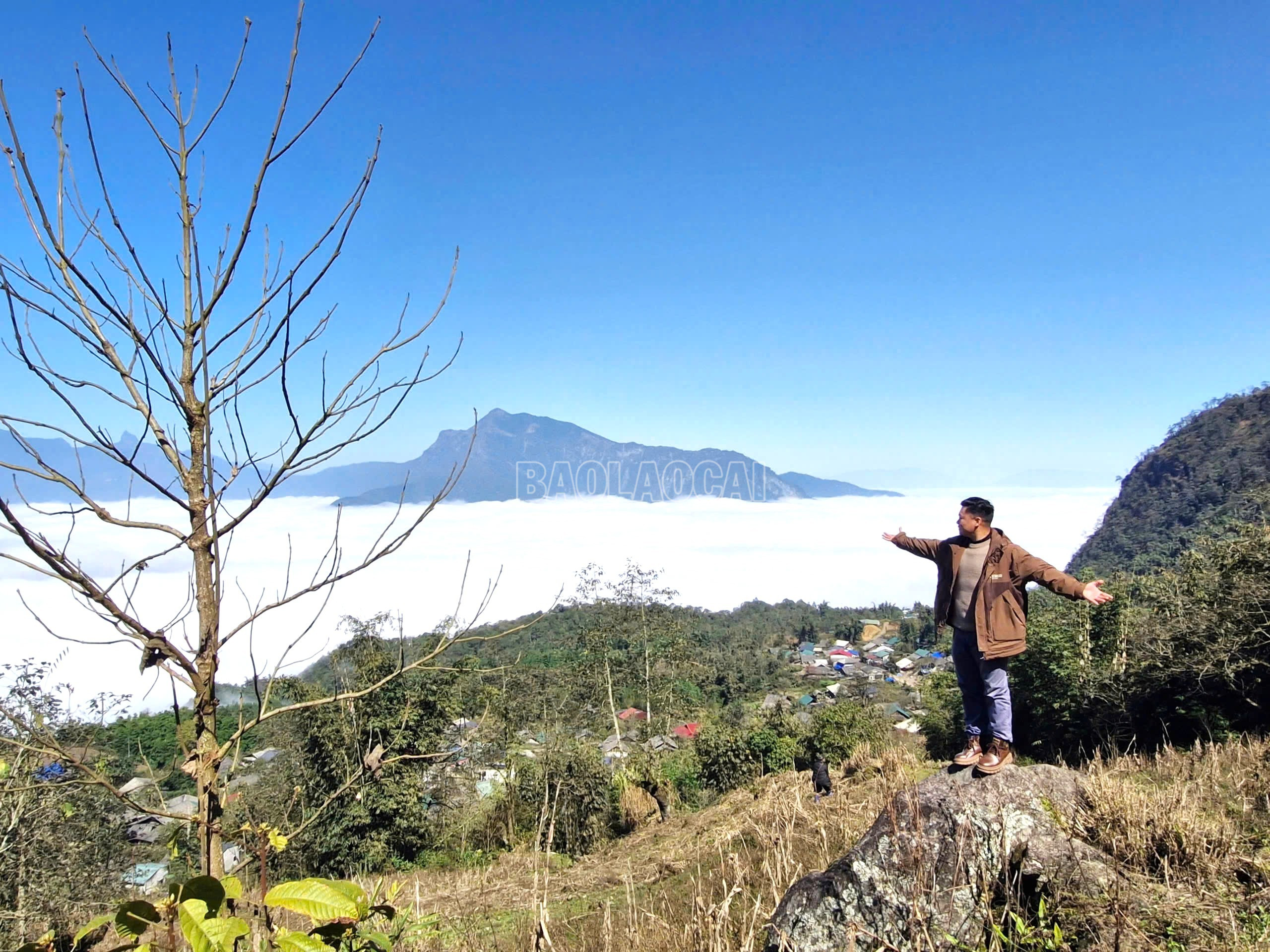
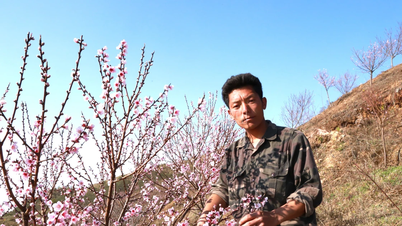
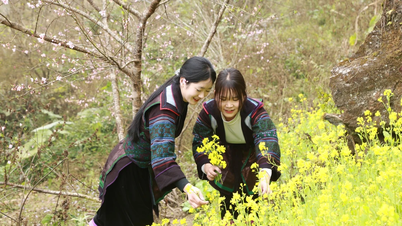
In the former Pa Cheo commune, where 100% of the population are ethnic Mong people, there are also attractive destinations. Typical examples include Ta Pa Cheo, Seo Pa Cheo, and Ban Giang villages, which have a cool climate similar to Sa Pa and ancient, moss-covered forests. Visiting in spring, tourists can admire the Mong villages with their stunning peach blossom gardens.
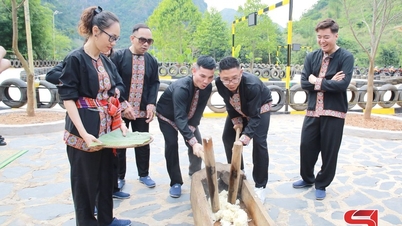
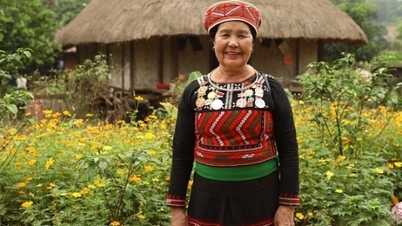
The Hmong people here still preserve the craft of spinning flax and weaving cloth, know how to play the Hmong flute, dance with the flute, and sing Hmong folk songs. These unique cultural characteristics are valuable resources for developing community tourism.
Develop attractive tourism products.
In reality, the current Ban Xeo commune, formed by the merger of the three communes of Muong Vi, Ban Xeo, and Pa Cheo, has opened up a vast and diverse cultural space, bringing together the cultural identities of various ethnic groups, and amplifying the potential and strengths for tourism development.
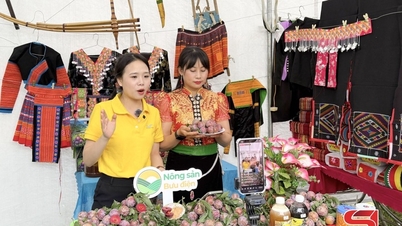
In recent times, the people of the villages and hamlets in Ban Xeo commune have begun to promote the value of their cultural identity to develop community tourism. For example, in Ta Pa Cheo and Seo Pa Cheo villages, Mong women have come together to establish embroidery and sewing clubs, creating products from brocade such as skirts, shirts, hats, scarves, and bags…
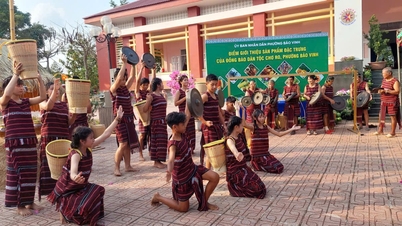
In addition, the Hmong people actively preserve their cultural identity by maintaining traditional crafts such as flax spinning and weaving, Hmong flute dancing, and traditional games like chicken badminton, creating a unique cultural space.
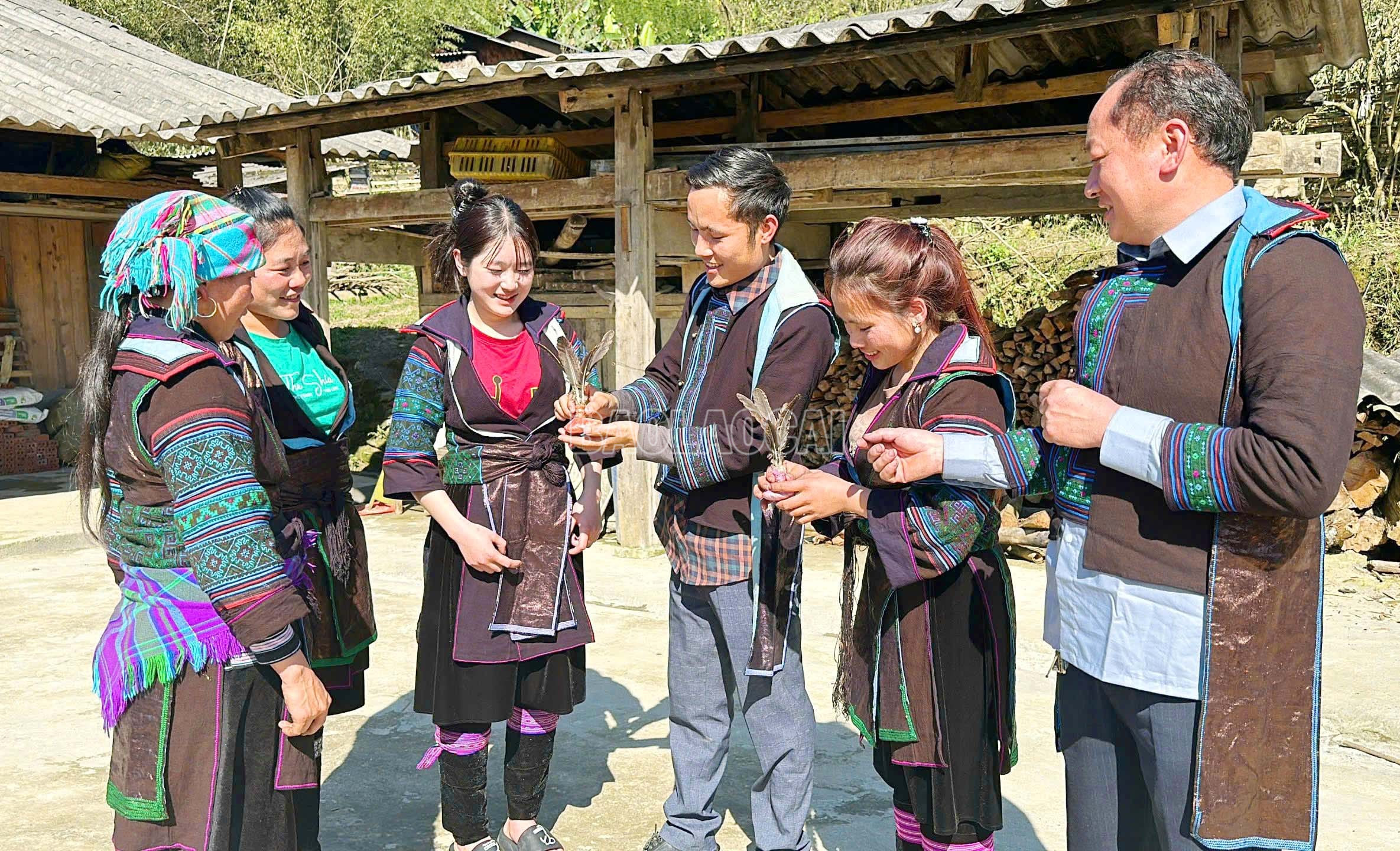
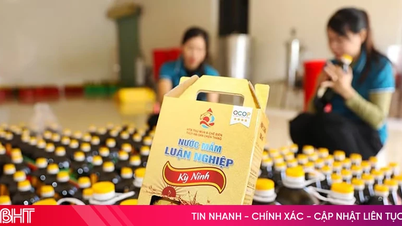
For traditional craft villages producing vermicelli and Shan Lung wine, tourism is beginning to attract visitors for sightseeing and experiences. Currently, Ban Xeo commune has 12 OCOP products that have achieved 3-star or higher certification, such as Seng Cu rice, vermicelli, Shan Lung wine, and ethnic brocade. Many products have built brands and are gradually gaining a foothold in the domestic market.
Mr. Nguyen Van Thanh, Vice Chairman of the People's Committee of Ban Xeo Commune, said: From July 2025, when the two-level local government comes into operation, the new People's Committee of Ban Xeo Commune has implemented key solutions to develop tourism. The Resolution of the Ban Xeo Commune Party Congress for the 2025-2030 term identifies community tourism development as a breakthrough, building Ban Xeo into an attractive cultural, ecological, and agricultural tourism destination for visitors.
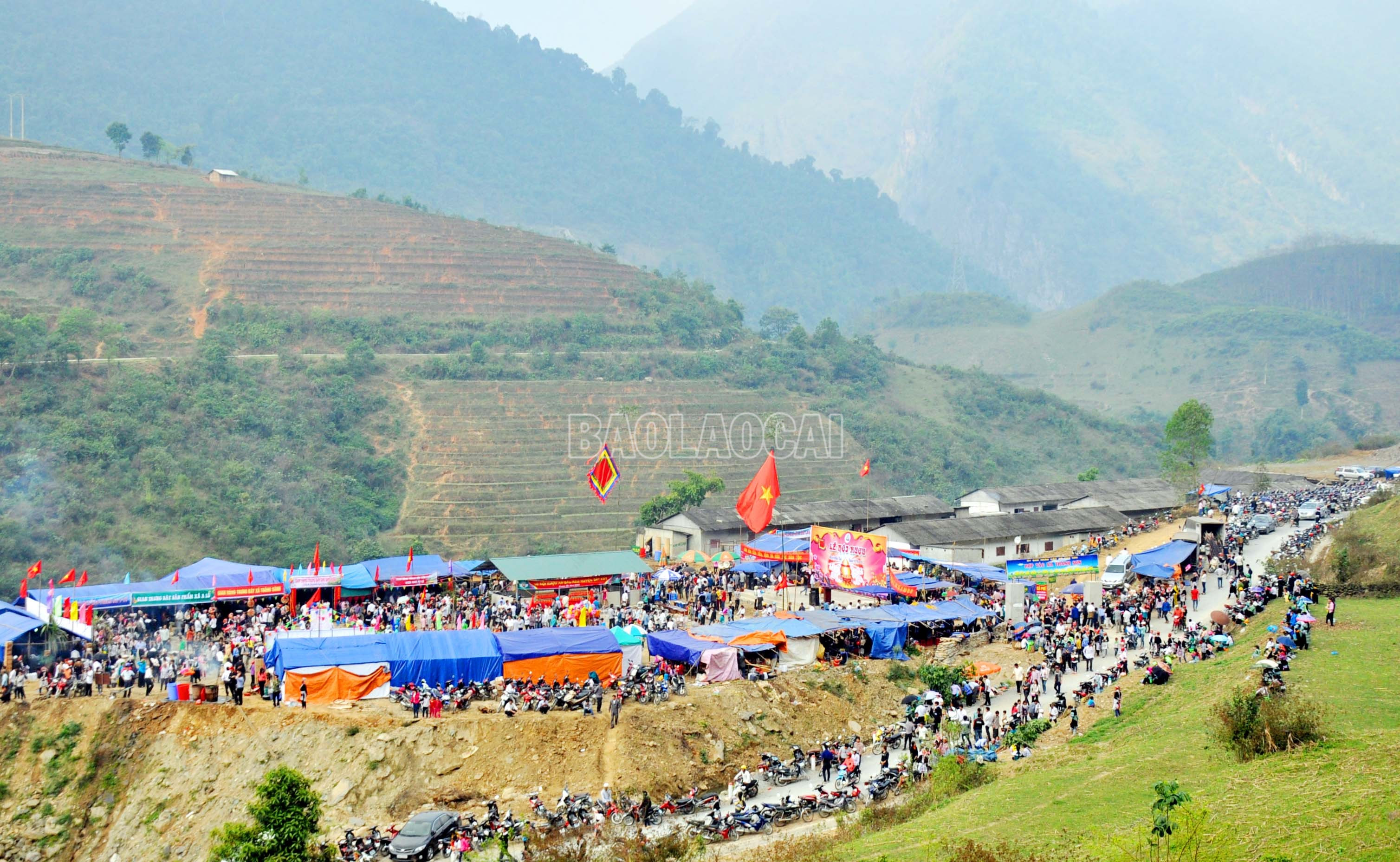
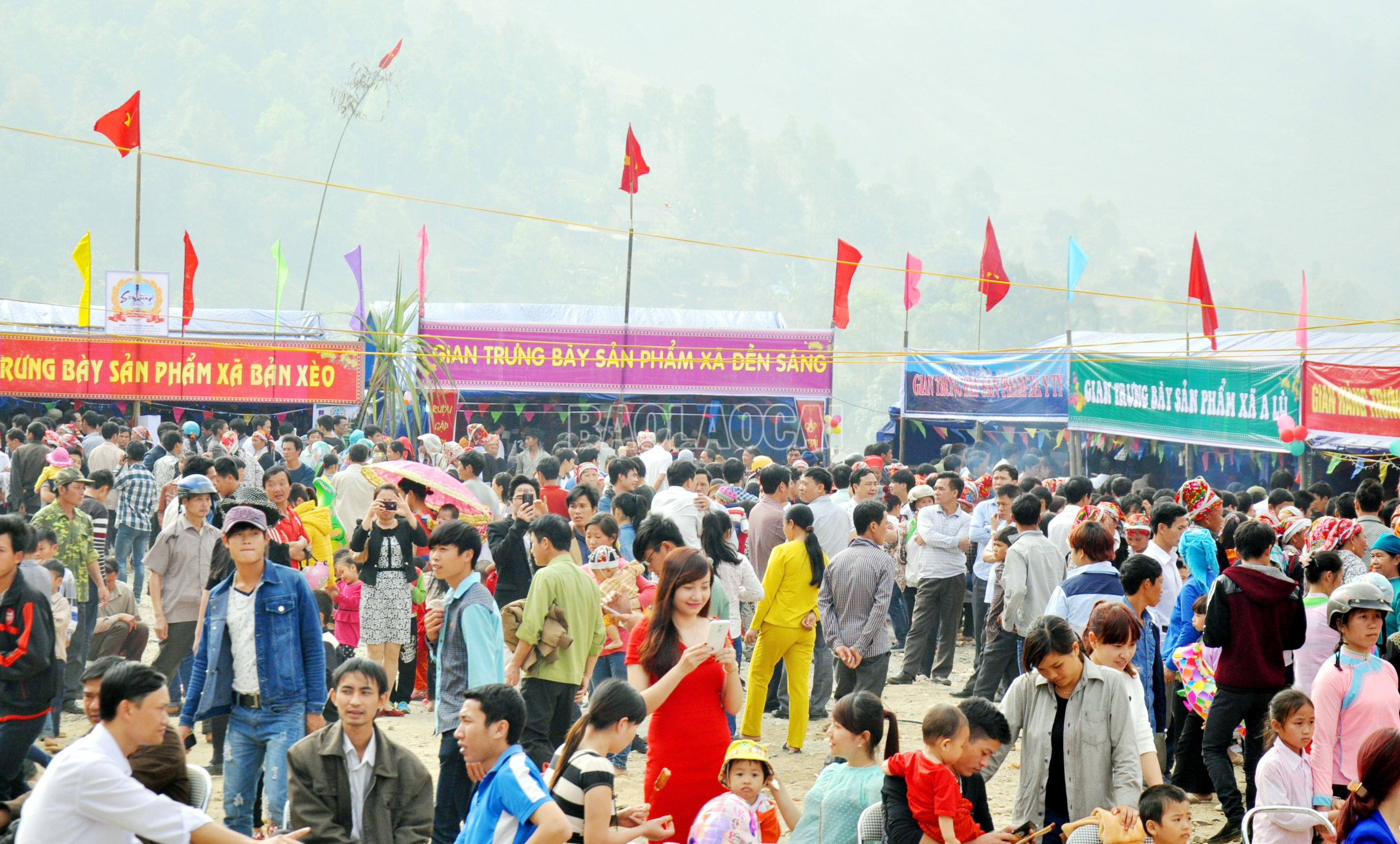
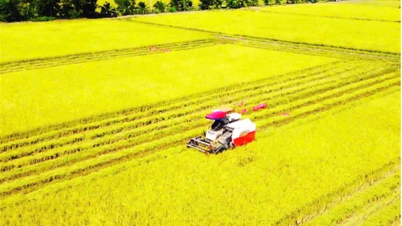
Recognizing community-based tourism as a breakthrough, in the coming period, Ban Xeo commune will focus on planning, preserving, and effectively exploiting its tourism potential, determined to build Ban Xeo into an attractive destination on the province's cultural, ecological, and agricultural tourism map. This will include focusing on several established tourism products such as the Muong Vi caves and the Seng Cu rice fields; developing tourism villages in Shan Lung, Na Rin, and Po Si Ngai hamlets… The commune will also prioritize preserving traditional cultural values, restoring festivals, musical instruments, and traditional crafts; and building models of "happy communes," "happy hamlets," and "happy families."
Source: https://baolaocai.vn/xa-ban-xeo-xay-dung-diem-den-du-lich-hap-dan-post888653.html

![[Photo] General Secretary and President To Lam meets with National Assembly delegates from ethnic minorities.](https://vphoto.vietnam.vn/thumb/1200x675/vietnam/resource/IMAGE/2026/04/20/1776696701056_a1-bnd-8331-3342-jpg.webp)

![[Image] National Assembly discusses the implementation of the socio-economic development plan.](https://vphoto.vietnam.vn/thumb/1200x675/vietnam/resource/IMAGE/2026/04/20/1776696707422_ndo_br_img-20260420-185419-jpg.webp)































































Comment (0)