Operating at a reduced capacity.
In Song Kon commune, Bho Hoong village has many resources for developing community-based tourism linked to organic agriculture , from native orchards, hot springs, Co Tu culture to weaving, brocade making, traditional cuisine and trekking routes to streams and waterfalls.
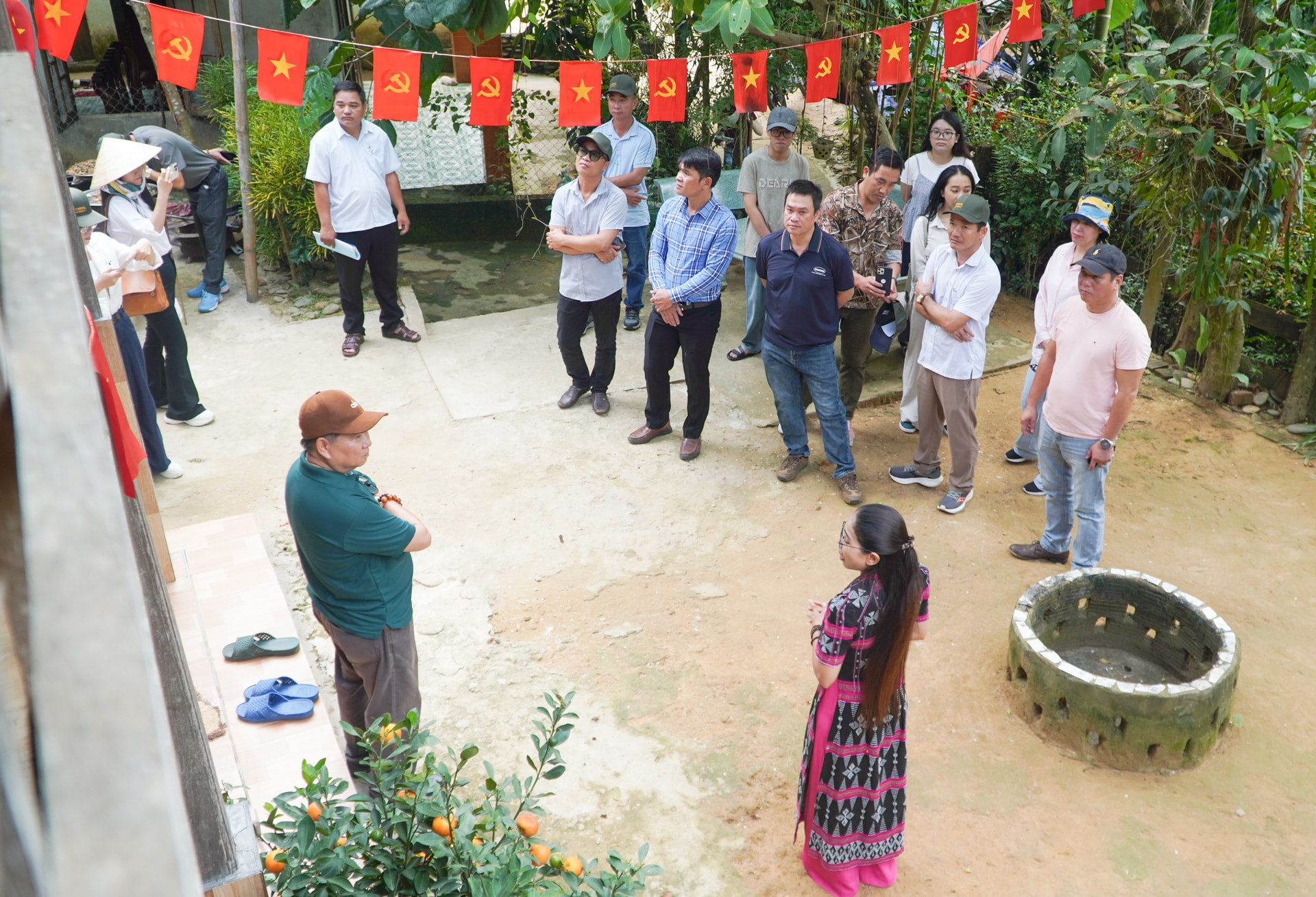
According to Ms. Dinh Thi Thin, Director of Co Tu Cultural Journey Tourism Company Limited, this destination has maintained over 50 overnight guests per month and more than 100 experiential visitors, mostly international tourists, through approximately 30 travel companies.
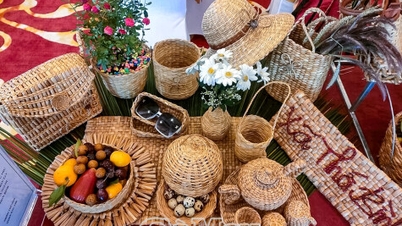
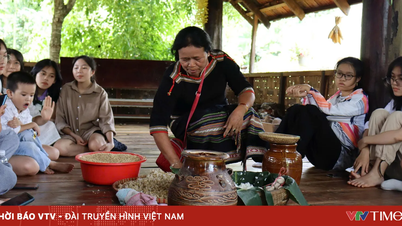
Services at Bhơ Hôồng are quite diverse, ranging from traditional cuisine , Tâng Tung Da Dá dance, musical instruments, Cơ Tu folk songs, weaving, brocade making, crossbow shooting, village exploration, bathing in Malu stream to trekking to Areec waterfall and Duôi stream, and staying at ACu homestay. The cost is around 420,000 VND per person, including breakfast and dinner, indicating that the village has an initial operational foundation, with tourists, products, and local people participating.
However, according to Mr. Zơđêl Vy, Head of Bhơ Hôồng village, the current influx of tourists is still not large enough for tourism to become a stable livelihood. Tourism is present in the village's life, but it is not yet regular and has not created consistent jobs for the villagers.
“Since 2013, businesses in Hoi An have invested in accommodation, exhibition booths, and reception areas to welcome guests. After the COVID-19 pandemic, the number of tourists decreased sharply, many facilities were abandoned, the accommodation and exhibition halls deteriorated and were no longer usable, while the local authorities have not been able to resolve the issue completely because this land has been leased by businesses for many years,” Mr. Vy said.
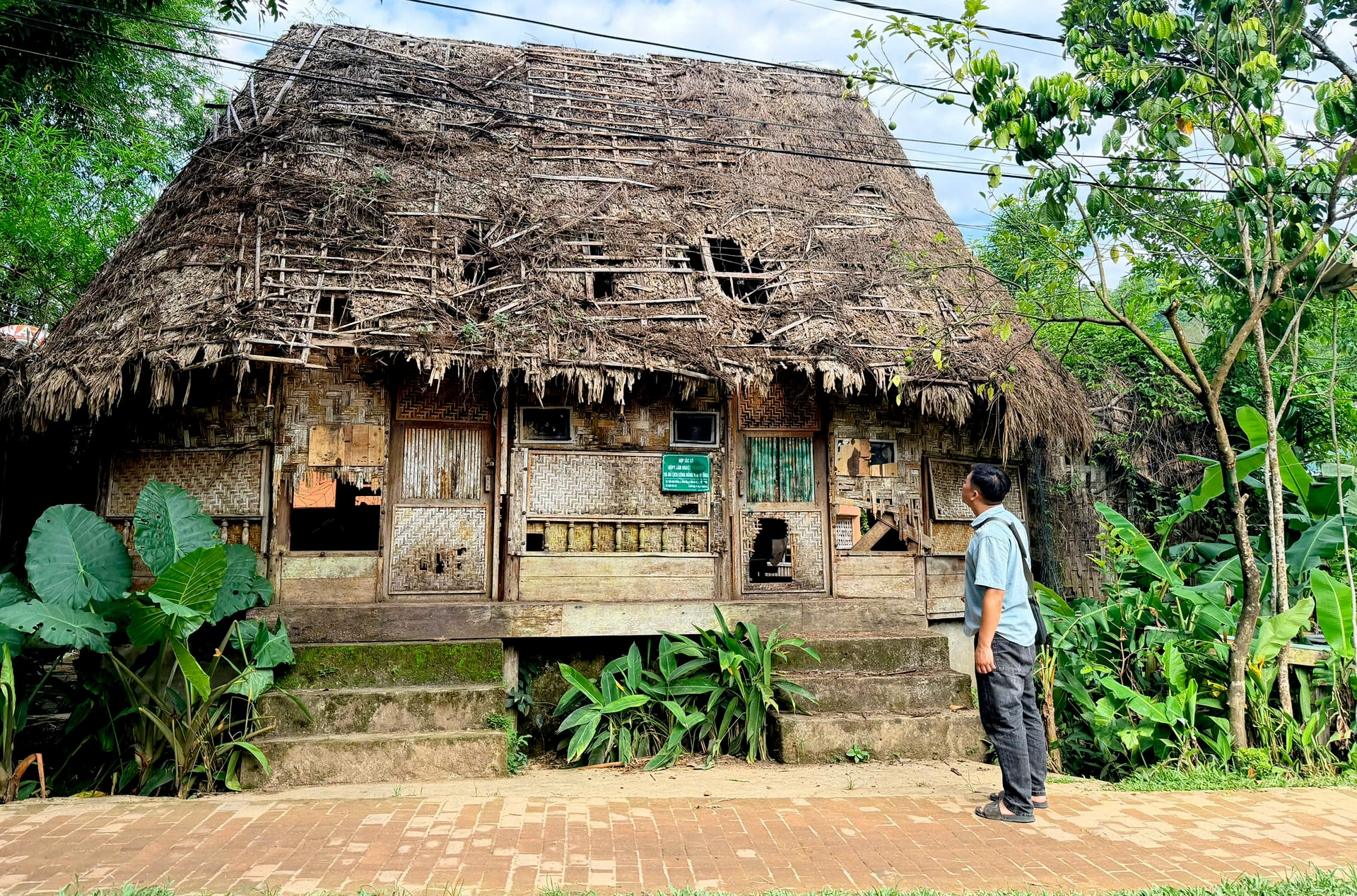


According to Mr. Do Huu Tung, Chairman of the People's Committee of Song Kon commune, the difficulties of Bho Hoong lie in its infrastructure and facilities for serving tourists. The main road leading to this tourist destination is narrow, with many sections in disrepair and winding, and the suspension bridge into the village, built about 20 years ago, needs upgrading...
Currently, the lives of the villagers are still difficult; most are elderly, children are in school, and the young workforce is not yet large. Developing community tourism requires the coordinated participation of the State, businesses, and the people. The State should support infrastructure, businesses should invest in products, and the people must receive training in hospitality skills, preserve traditional crafts, improve gardens, grow organic crops, and participate in the service chain.
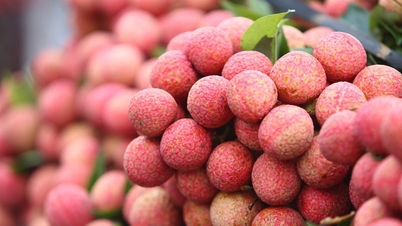
“The orientation of Song Kon commune is to revitalize Bho Hoong by linking ecology with native orchards, weaving, traditional cuisine, and Co Tu culture. From 2023, the locality has focused on developing longan, banana, and durian, renovating orchards, and creating more agricultural products to serve tourists,” Mr. Tung said.
We need more launch pads.
In the list of 16 organic agricultural areas identified in the Organic Agriculture Development Project for the period 2026-2030, with a vision to 2035, many destinations already possess unique landscapes, local stories, and distinctive production methods, but still fall somewhere between their potential and the operational capacity of a complete tourism product.
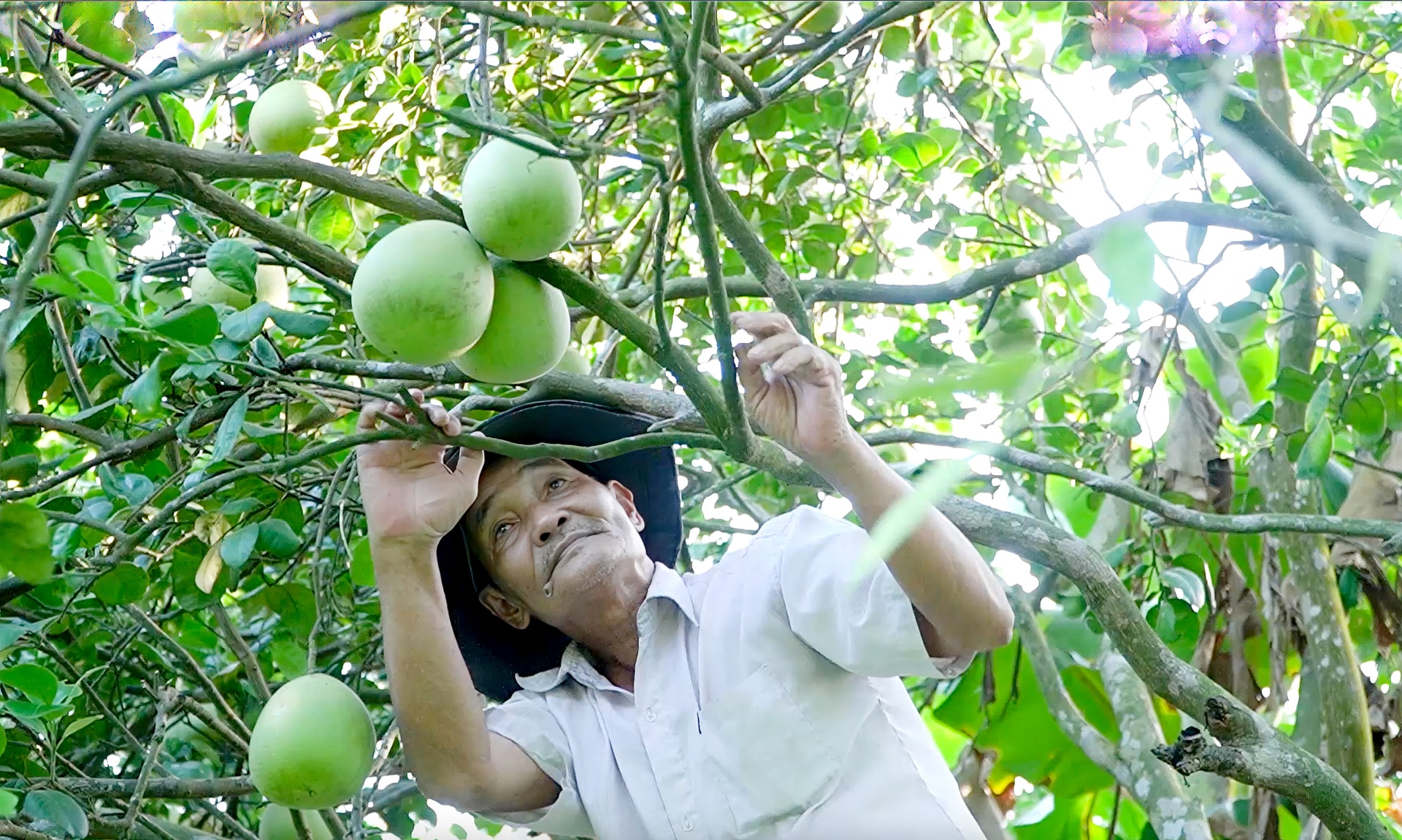
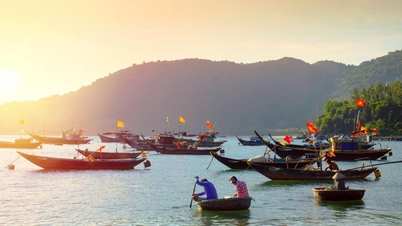
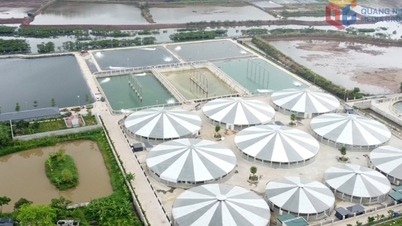
In coastal plain areas like Nui Thanh and Bien Rang communes, the focus is on organic aquaculture, cage fish farming, oyster farming, coconut gardens, the Hang Pagoda historical site, and the Nui Thanh Victory Monument... However, for these areas to become true community-based tourism destinations, they still need more comprehensive infrastructure in terms of access roads to the sea, environmental sanitation, service organization, and linking households into a chain of experiences.
In the midland region, the Tra Ly lotus field in Duy Xuyen commune offers a spacious area at the foot of Hon Tau mountain, suitable for eco-tourism experiences, lotus harvesting, enjoying lotus tea, lotus-based dishes, and seasonal agricultural activities. However, due to its high seasonality, this destination struggles to retain visitors year-round without supplementary products after the lotus season, while internal transportation, parking, rest stops, and food services still need to be properly organized.



Similarly, the aquaculture-ecological model in Song Dam, Quang Phu ward, has the advantage of wetlands, reed beds, shrimp, fish, wild birds, and traditional fishing methods, suitable for boating, nature observation, and organic seafood experiences; however, the boat dock, visitor services, eco-friendly restaurants, and brand communication are still not commensurate.
The project outlines a diverse map, encompassing 4 coastal plains, 8 midland areas, and 4 mountainous regions. This demonstrates that Da Nang has no shortage of resources; the challenge lies in transforming local production areas, landscapes, and livelihoods into products with infrastructure, services, compelling narratives, safety standards, and the capacity to attract a stable influx of tourists. Mr. Le Quoc Viet, Vice President of the Da Nang Tourism Association, observes that many destinations currently possess excellent "raw materials" but lack the organizational elements necessary to become complete tourism products.
“Tourists cannot simply come to admire lotus fields, beautiful beaches, or waterways and then leave immediately. To retain visitors, a tourist destination must have convenient access, rest stops, interesting stories, activities to participate in, products to buy, and services that are safe, clean, and professional. If the destinations in the project are reviewed in that direction, linked with travel businesses and local people, organic agricultural tourism will have the opportunity to go further,” Mr. Viet said.
Source: https://baodanang.vn/xay-dung-diem-den-hoan-chinh-3340513.html